
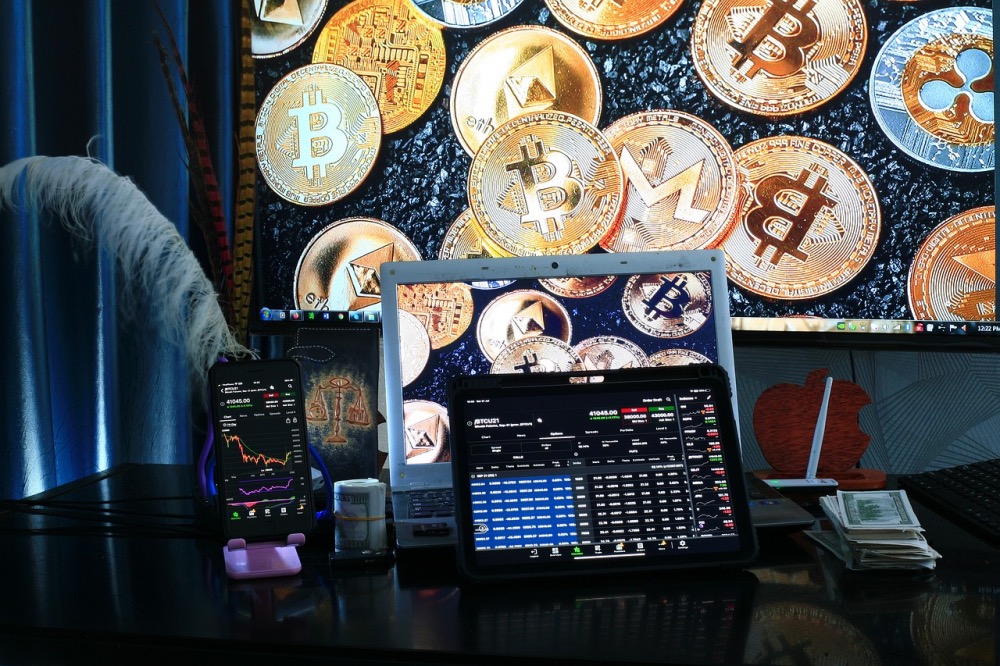

Cryptocurrencies have moved from the fringes of the internet into mainstream finance, attracting individual investors, institutions, and governments alike. Yet they remain complex, volatile, and poorly understood by many buyers. The same qualities that make digital assets innovative also make them risky: price swings can be extreme, fraud is common, and regulation is still evolving across jurisdictions.
Safe and smart cryptocurrency investing therefore requires more than enthusiasm. It demands financial literacy, technical awareness, and emotional discipline. The following 12 rules are designed to help investors approach the space with caution, realism, and informed judgement.
1. Understand what you are investing in
Never invest in an asset you do not understand. Learn the basic concepts behind cryptocurrency: blockchain, private keys, wallets, consensus mechanisms, and the difference between coins and tokens. Read project white papers and independent analyses rather than relying on promotional material. Knowing how a project claims to create value is critical to evaluating whether that value is plausible.
2. Treat crypto as high risk, not guaranteed profit
Cryptocurrency markets are highly volatile. Prices can rise dramatically and fall just as fast. Approach digital assets as speculative investments rather than assured pathways to wealth. Allocating only what you can afford to lose protects your financial stability and prevents pressure to sell in panic or buy in desperation.
3. Diversify rather than betting on a single project
Concentrating all funds in one token exposes you to project-specific failure, hacks, regulatory action, or market collapse. Diversification across assets — and, more importantly, across different asset classes such as cash, bonds, and equities — helps spread risk. Crypto should be one part of a broader portfolio, not the whole plan.
4. Prioritise security as much as returns
Unlike traditional bank accounts, many crypto holdings cannot be recovered if private keys are lost or stolen. Learn how wallets work and use strong, unique passwords and two-factor authentication. Be cautious about leaving large sums on exchanges, which can be hacked or fail. Security in crypto is partly personal responsibility.
5. Beware of hype, influencers, and “guarantees”
Promotions promising quick returns, exclusive tips, or “no-risk” profits are red flags. Markets are influenced by social media, celebrity endorsements, and online forums, but popularity does not equal soundness. A knowledgeable investor distinguishes between marketing momentum and fundamental value.
6. Recognise common scams and fraud patterns
Ponzi schemes, fake giveaways, phishing links, impersonation of well-known figures, and fraudulent investment platforms are widespread in crypto. If you are urged to act immediately, send funds to “unlock” rewards, or share your private keys, step back. Legitimate opportunities do not require secrecy or pressure.
7. Understand fees, taxes, and regulations in your country
Transaction fees, exchange charges, and network congestion can significantly affect returns. In many jurisdictions, cryptocurrency gains are taxable and must be reported. Regulations continue to evolve; staying informed reduces legal and financial surprises and helps you assess the credibility of platforms operating in your region.
8. Evaluate the technology and real-world use cases
Look beyond price charts. Ask: What problem does this project solve? Is the technology scalable and energy-efficient? Does it have developers, users, and partnerships beyond speculation? Projects with genuine utility and active communities tend to be more resilient than those driven purely by price excitement.
9. Manage emotions: avoid fear and greed
Two forces dominate speculative markets: fear of missing out and fear of loss. Both can lead to poor decisions such as buying at peaks or selling at lows. Establish clear investment goals and limits in advance and review them calmly rather than reacting to every headline or social media post.
10. Use reputable platforms and verify before transacting
Choose exchanges and services with transparent ownership, security audits, and strong regulatory compliance where applicable. Check web addresses carefully; copycat websites can be convincing. A few minutes of verification can prevent irreversible loss.
11. Think long-term and be patient
Short-term trading requires expertise, time, and tolerance for rapid swings. Many investors benefit more from a measured, long-term approach centred on research and discipline rather than constant speculation. Time in the market is often more important than timing the market, especially in volatile environments.
12. Keep learning as the ecosystem evolves
Cryptocurrency is not static. New technologies such as layer-2 solutions, central bank digital currencies, and evolving regulatory frameworks continue to reshape the landscape. Ongoing education — through credible news sources, academic research, and official regulatory guidance — is essential to staying safe and informed.
In Conclusion
Cryptocurrency investment sits at the intersection of finance and technology, offering opportunity alongside real risk. Safe and smart participation depends on understanding how digital assets work, protecting security, resisting hype, and placing crypto within a diversified financial strategy. With clear expectations, disciplined risk management, and a commitment to continual learning, investors can approach this emerging field thoughtfully rather than recklessly.