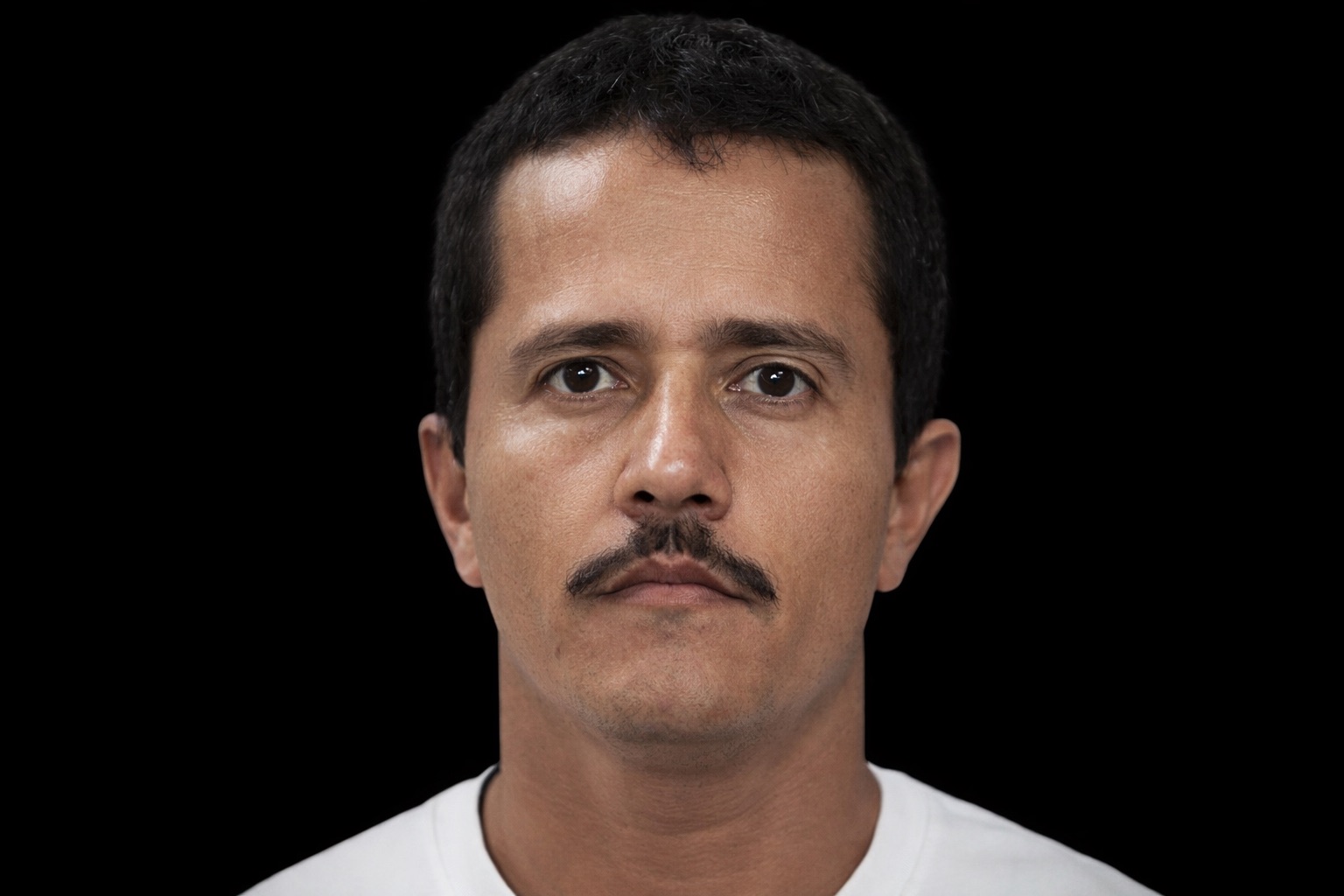
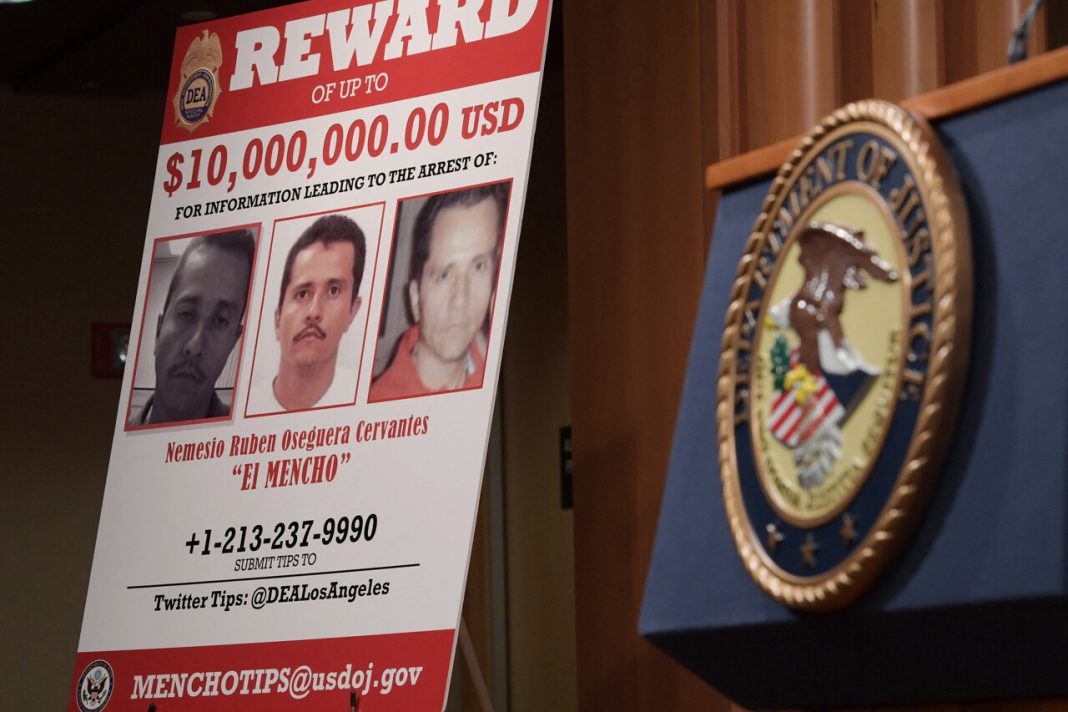

MEXICO CITY, Mexico — Mexican authorities say the trail that led to the death of Nemesio Oseguera Cervantes, the elusive head of the Jalisco New Generation Cartel, known globally as El Mencho, began not with a firefight but with surveillance of a romantic partner.
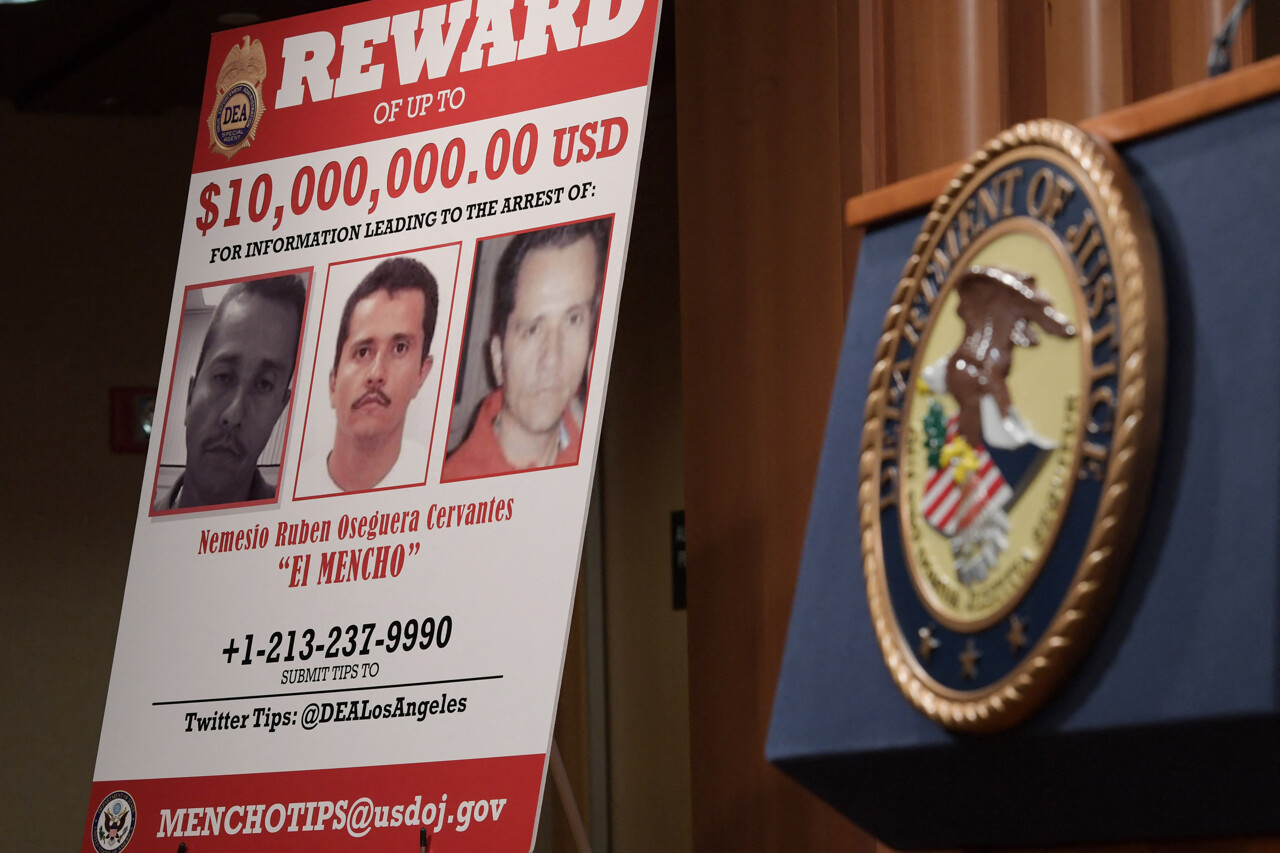
Long considered Mexico’s most powerful cartel boss and one of the United States’ most wanted fugitives, was captured and killed on Sunday, February 22, 2026, after a sweeping military operation in his home state of Jalisco.
More than 70 people died in the operation and the retaliatory violence that followed, making it one of the bloodiest security episodes in recent years.
Surveillance Breakthrough
According to Mexico’s defense secretary, Gen. Ricardo Trevilla, military intelligence identified a trusted associate of one of Oseguera Cervantes’ romantic partners and began tracking movements linked to her.
On Friday, that associate reportedly escorted the woman to Tapalpa, a mountainous town in Jalisco, for a meeting with the cartel leader.
Mexican officials said “very important additional information” from U.S. intelligence services helped confirm the precise location where Oseguera Cervantes was staying.
By the time the woman left the property after spending the night, special forces had established that “El Mencho” was in the area with an armed security detail.
A Coordinated Blockade
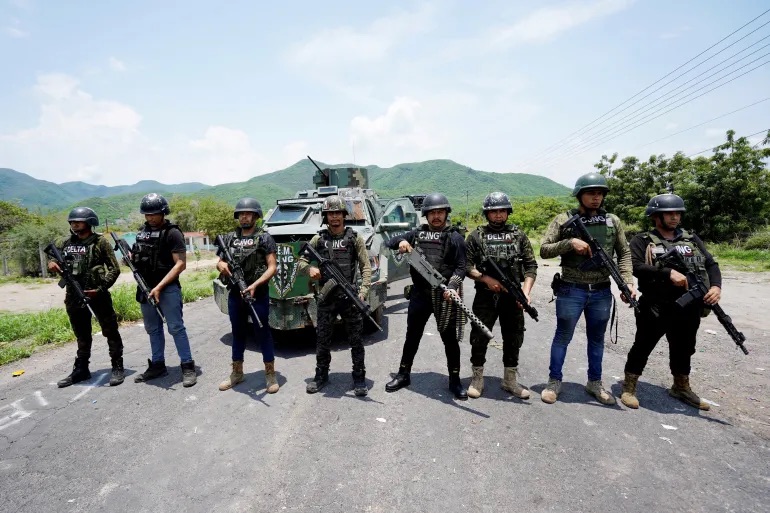
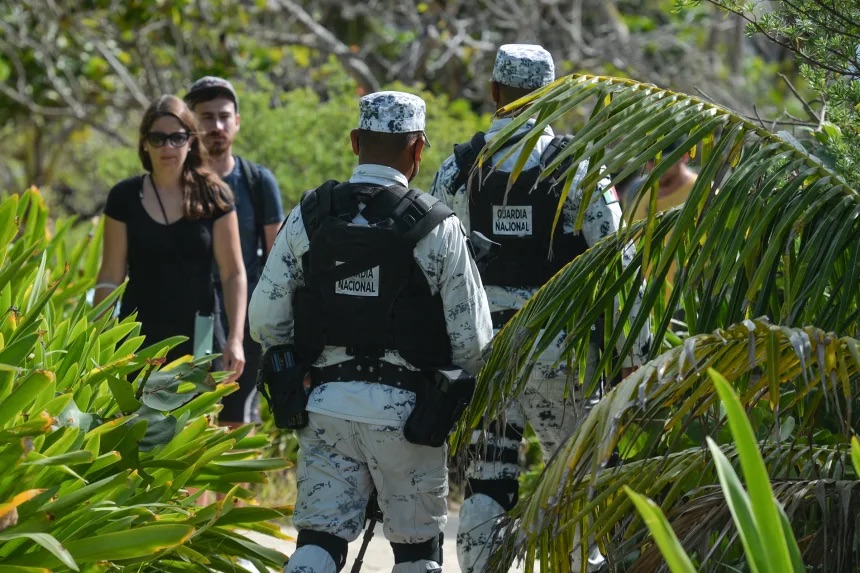
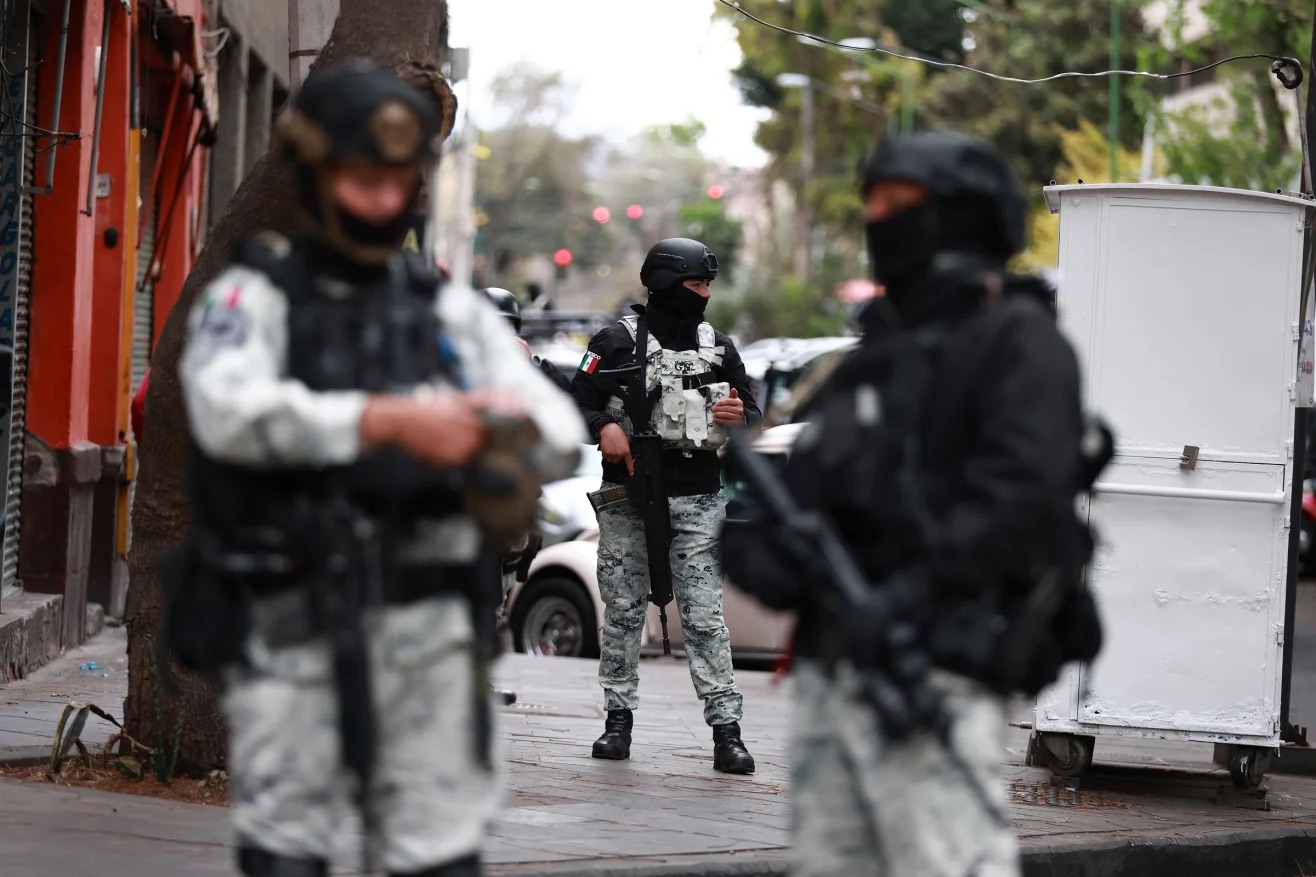
Mexican Army units and the National Guard moved quickly to seal off the region.
A ground cordon was established around Tapalpa, while six helicopters and additional special forces units were placed on standby in neighbouring states.
The Mexican Air Force conducted aerial reconnaissance as preparations intensified.
In the pre-dawn hours of Sunday, once his presence was reconfirmed, the assault began.
President Claudia Sheinbaum, who was on tour in northern Mexico at the time, was reportedly briefed continuously as the operation unfolded.
Violent Confrontation
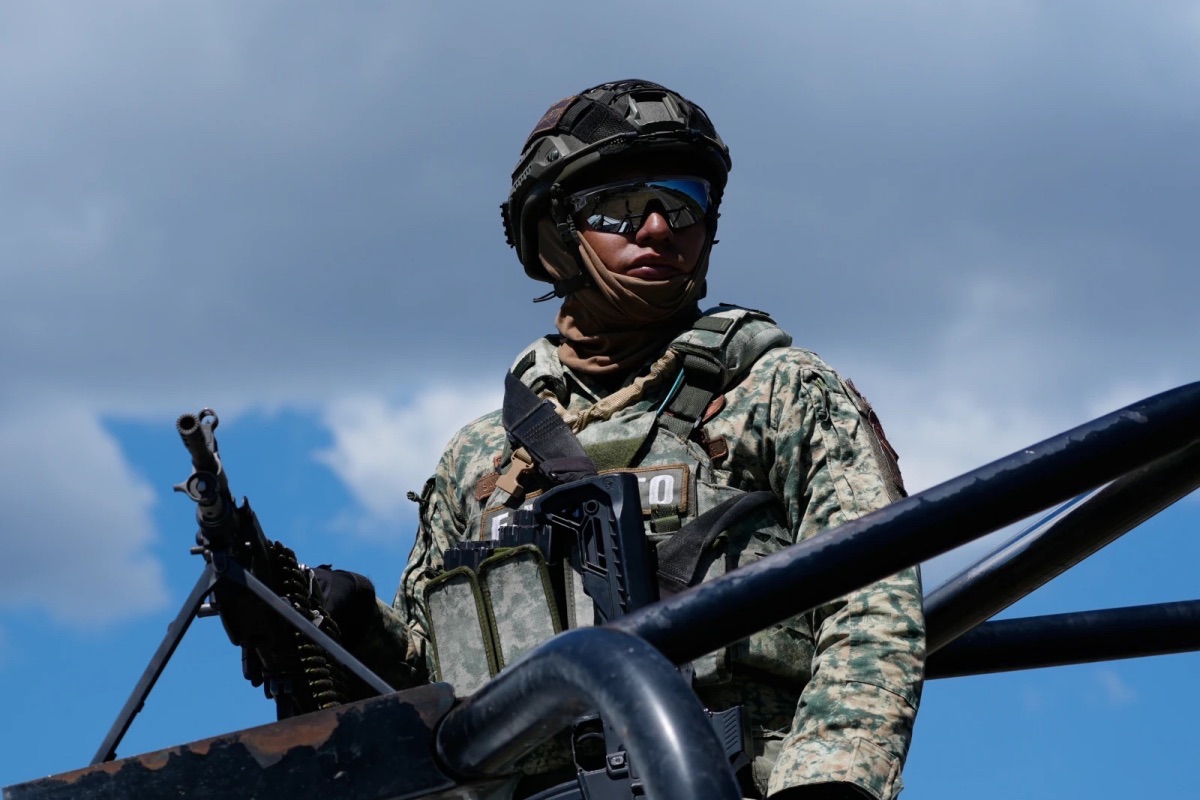
The response from cartel gunmen was immediate and fierce. Trevilla described multiple shootouts as heavily armed fighters attempted to stall advancing troops.
Eight gunmen were killed at the initial scene, four more than authorities had initially reported.
Among the weapons recovered were two rocket launchers, including one identical to a model used by the cartel in 2015 to shoot down a military helicopter — an incident that marked a turning point in the cartel’s militarised posture against the state.
During the clash, Oseguera Cervantes reportedly attempted to flee with two bodyguards while other gunmen provided cover.
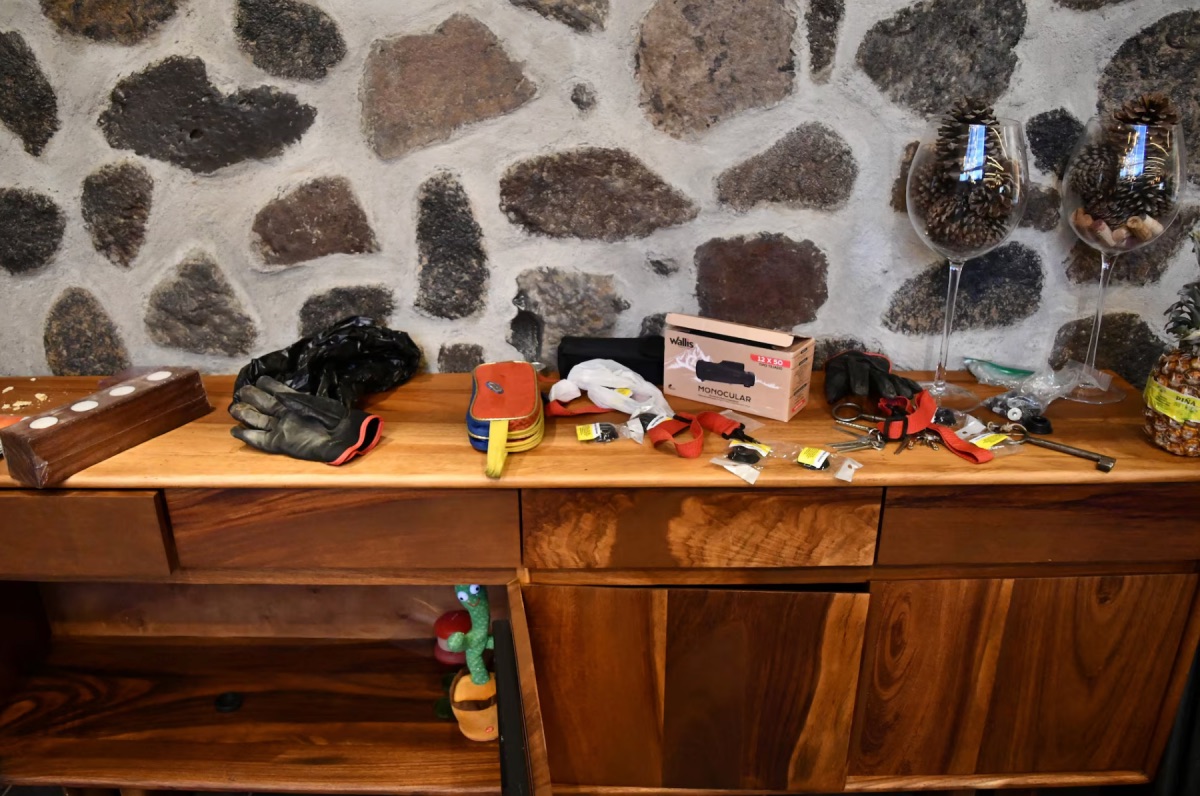
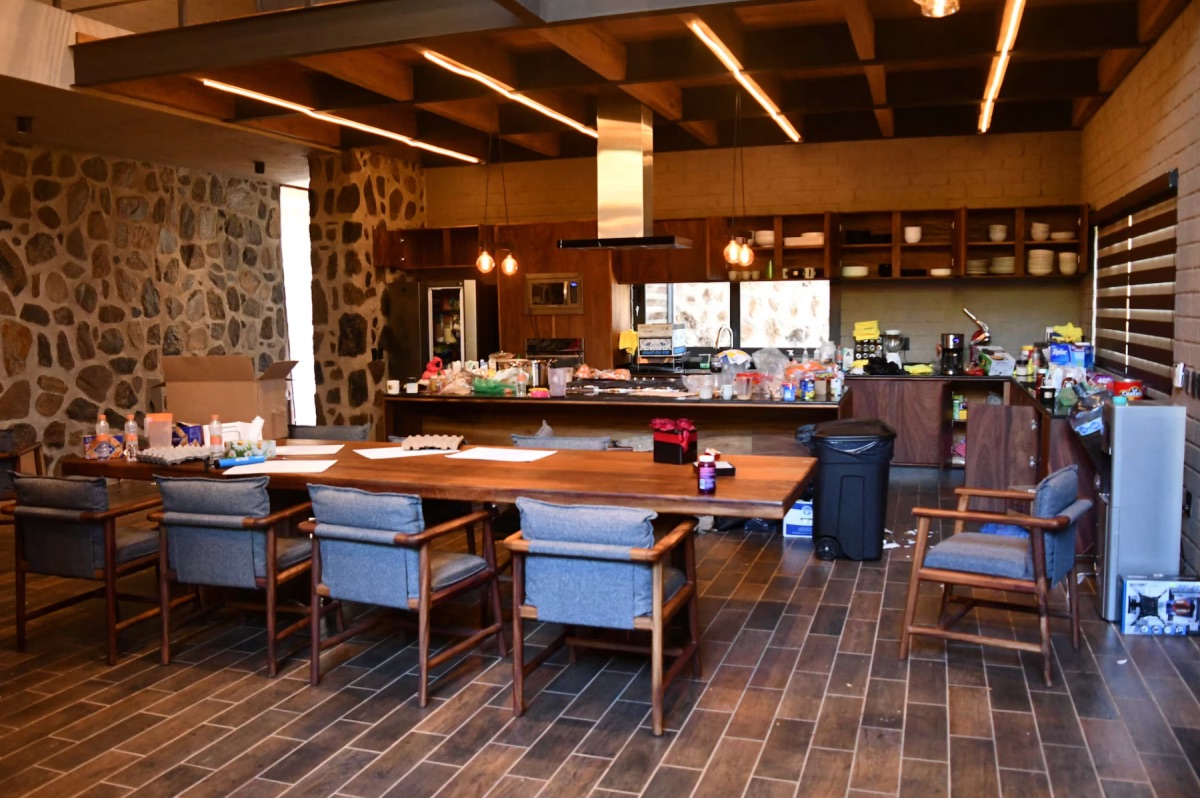
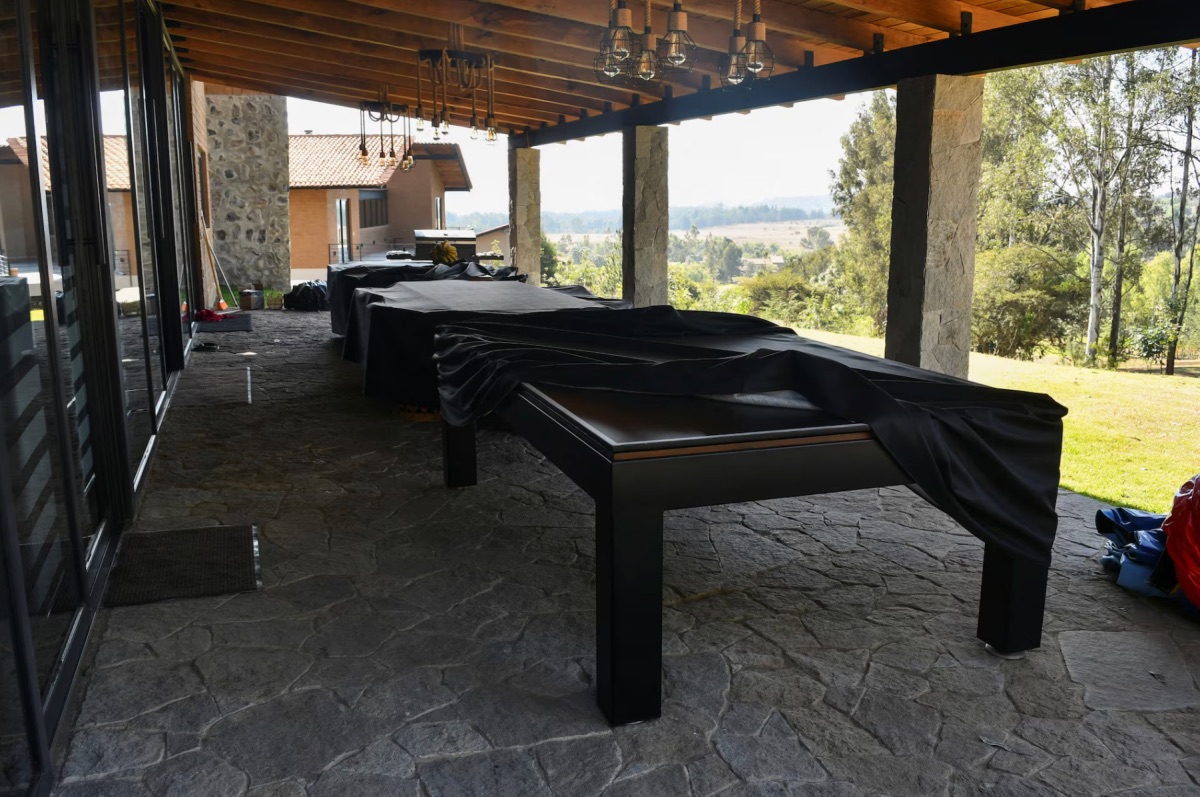
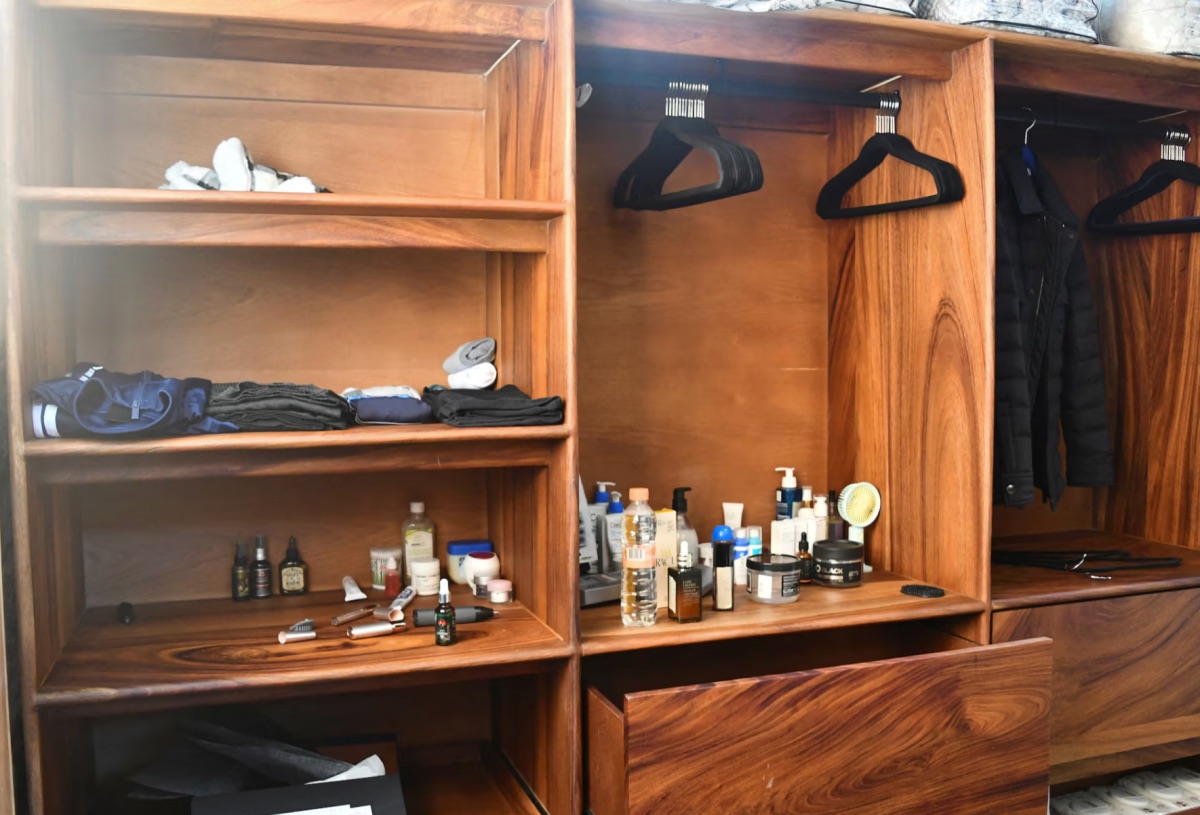
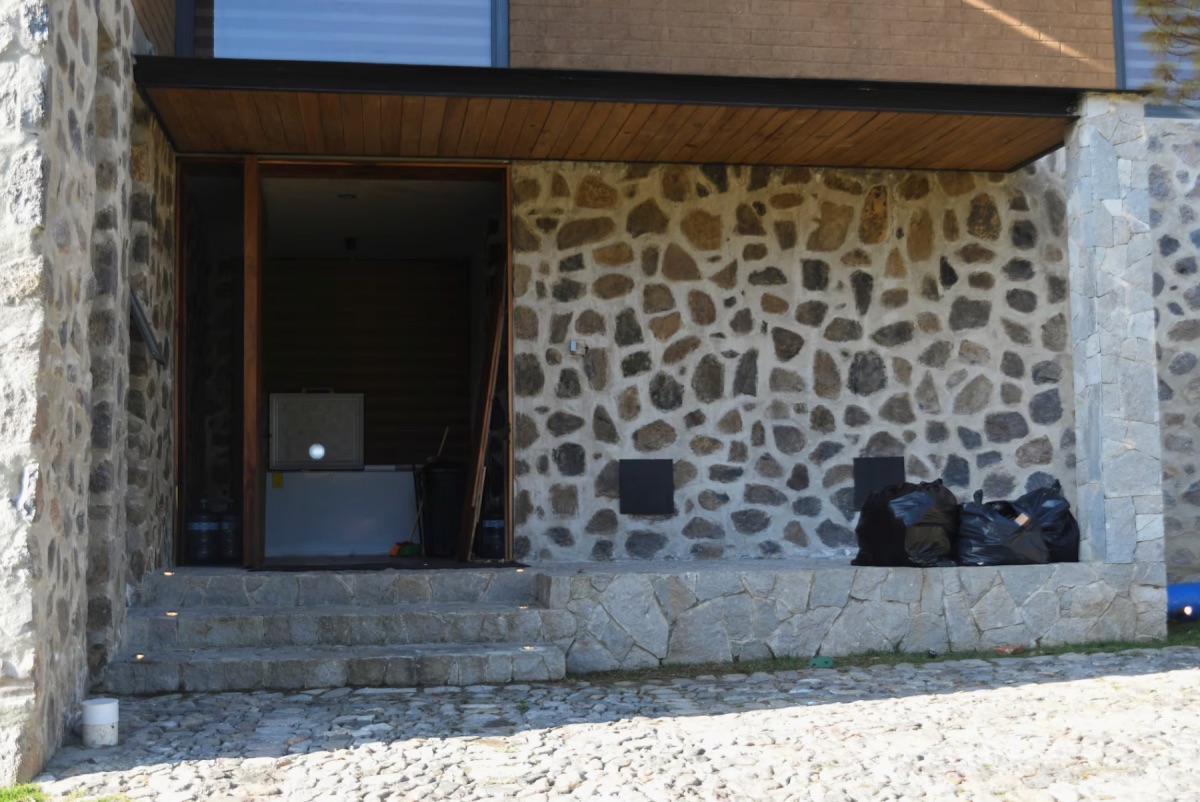
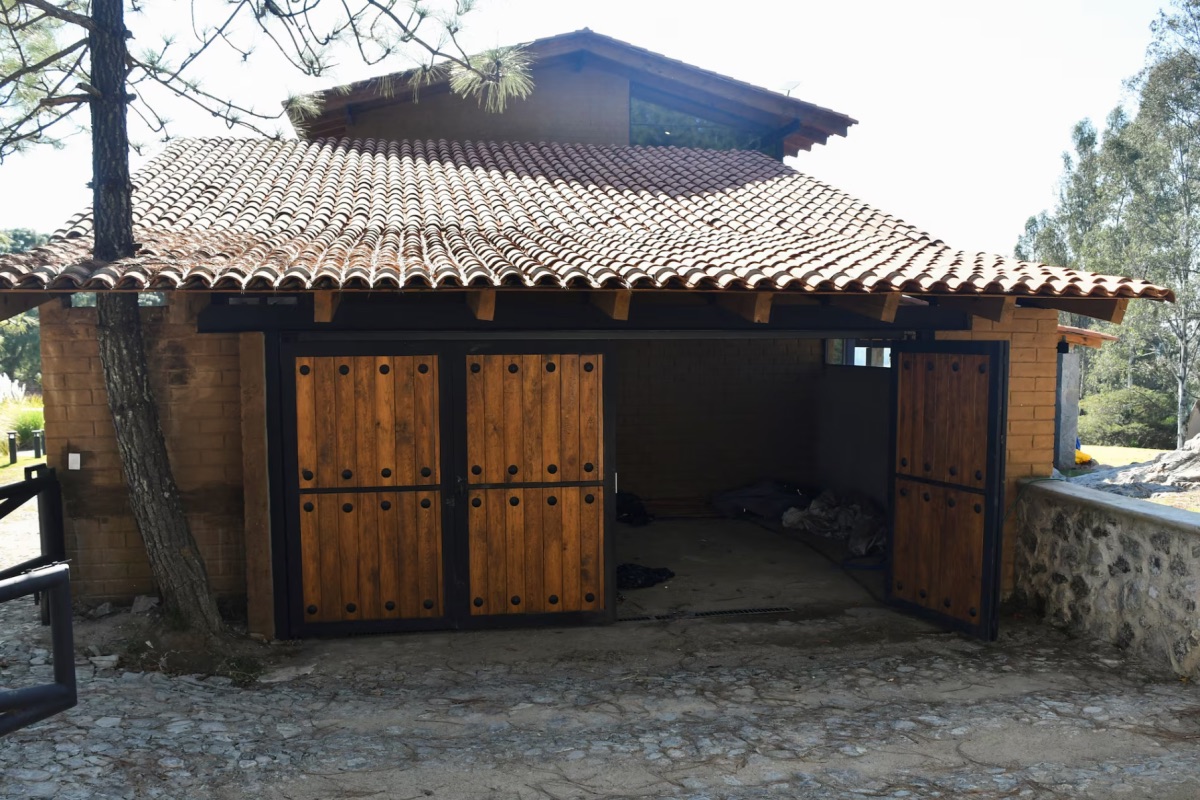
Mexican forces eventually tracked him to a wooded area dotted with cabins on the outskirts of Tapalpa.
Special forces “located him hiding in the undergrowth,” Trevilla said, triggering another exchange of gunfire. Oseguera Cervantes and his two bodyguards were wounded in the confrontation.
A military helicopter was struck by gunfire and forced into an emergency landing. Three soldiers were injured, and two suspects were detained at the scene.
Death En Route
Authorities loaded Oseguera Cervantes and his bodyguards onto a helicopter for emergency evacuation. All three were described as being in critical condition.
They died during transport, Trevilla confirmed. To prevent potential retaliation in Jalisco, officials diverted the aircraft to Mexico City rather than landing in the state capital.
The killing of Oseguera Cervantes marks the culmination of a decades-long pursuit. He had faced multiple arrest warrants in both Mexico and the United States for organised crime and drug trafficking.
Retaliation and Bloodshed
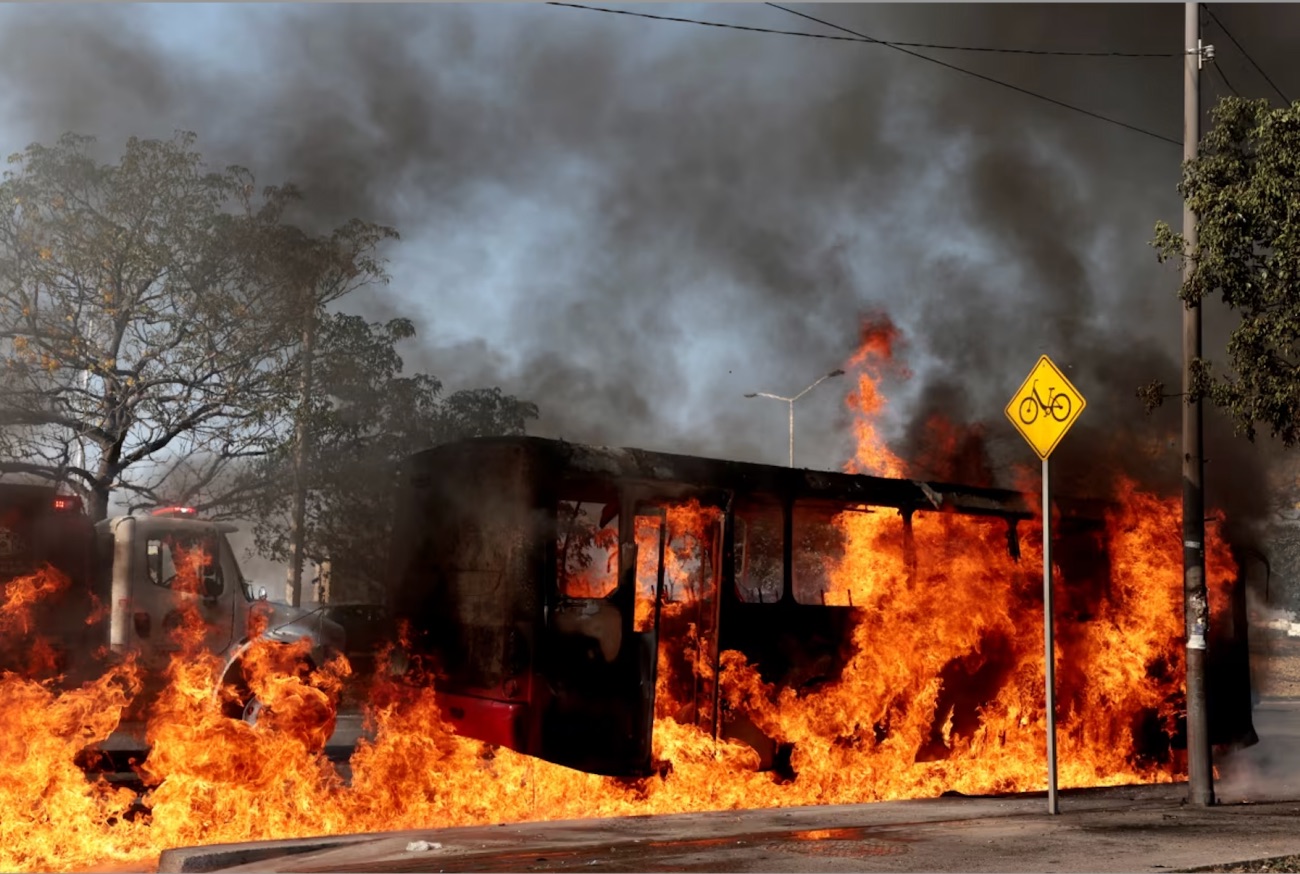
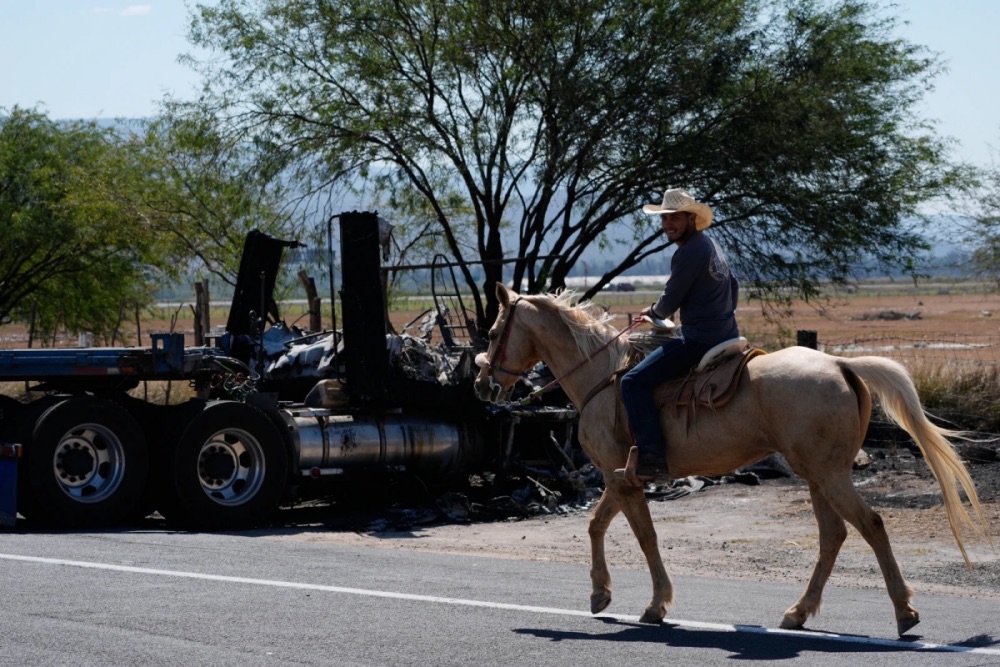
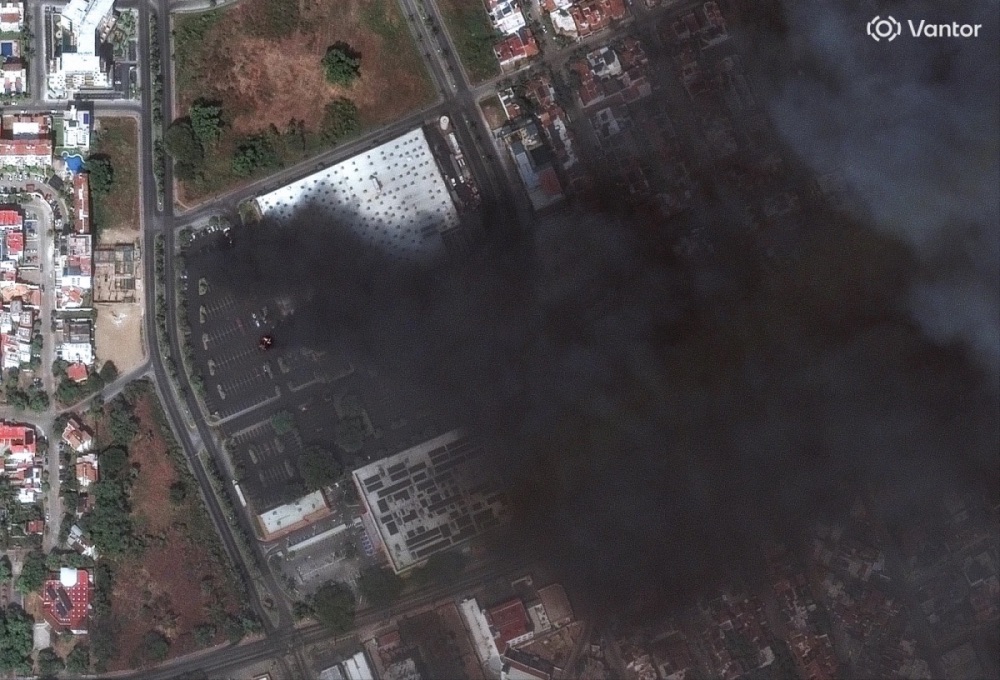
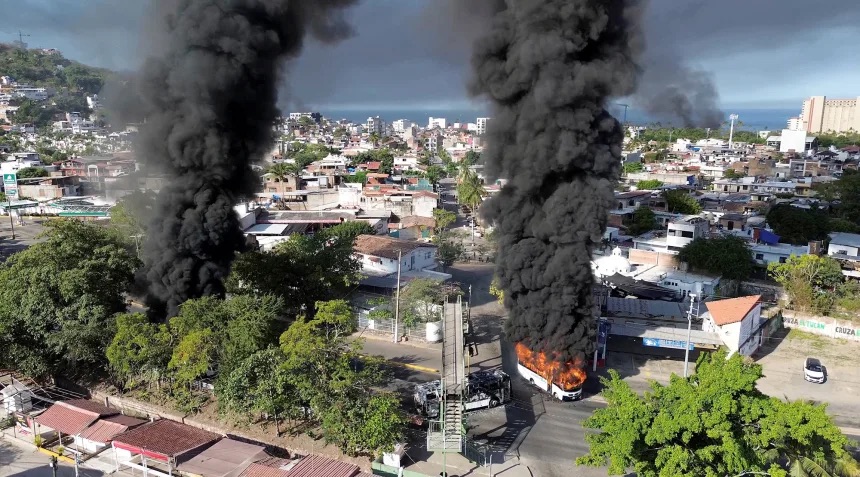
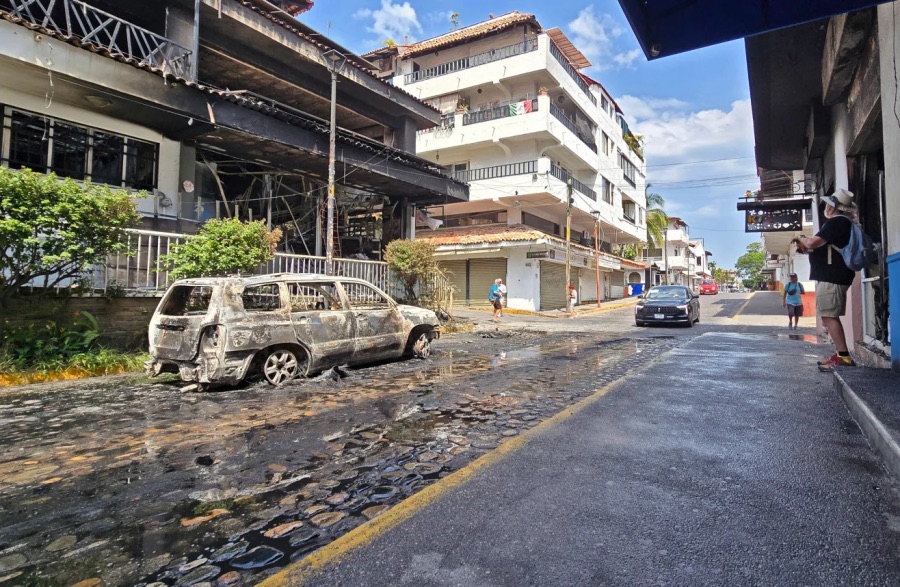
The operation sparked widespread retaliatory violence across Jalisco and neighbouring states.
Roughly 100 kilometres west of Tapalpa, a logistics and financial operator identified only as “El Tuli,” described by officials as Oseguera’s right-hand man, allegedly offered gunmen 20,000 pesos — more than $1,000 — for each soldier killed.
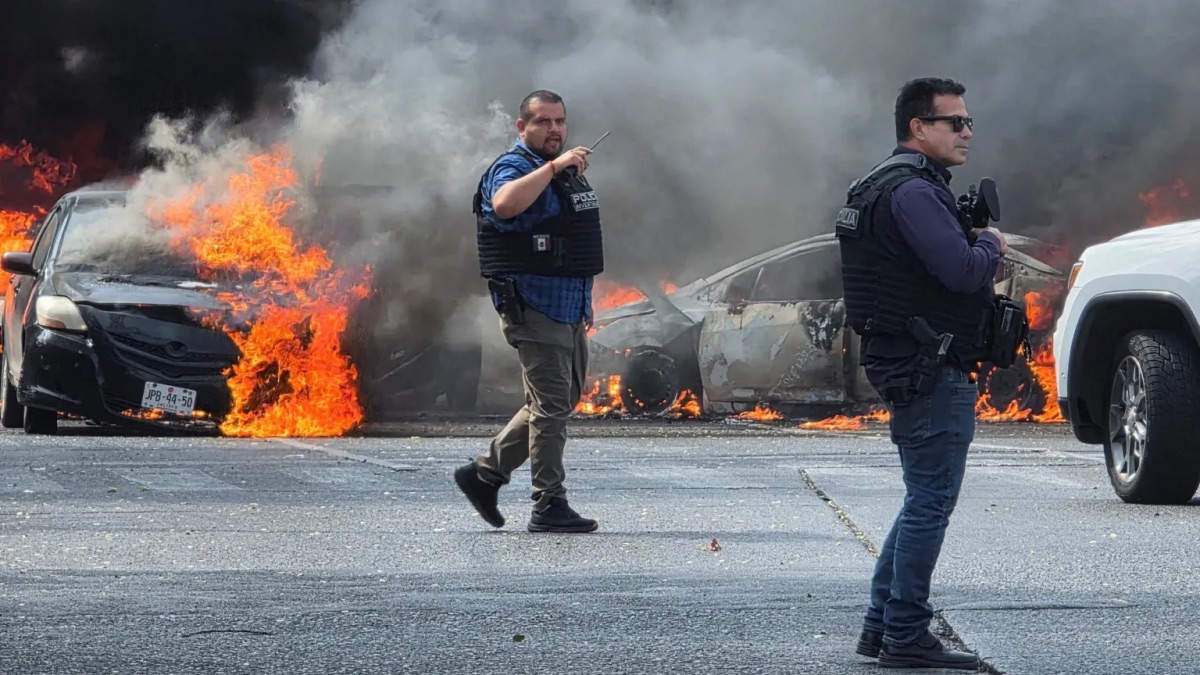
Authorities said “El Tuli” orchestrated roadblocks, arson attacks and assaults on government installations across the state.
A paratrooper rifle brigade later tracked him down and killed him in a shootout, seizing firearms and nearly $1.4 million in mixed U.S. and Mexican currency.
According to Security Secretary Omar García Harfuch, the most intense violence occurred in Jalisco, where 25 National Guard members, a prison official, a prosecutor’s office employee and a presumed civilian woman were killed, along with 30 suspected criminals.
In neighbouring Michoacán, four additional gunmen died, and 15 security personnel were wounded.
A Turning Point — or Power Vacuum?
Oseguera Cervantes’ death represents a significant blow to one of Mexico’s most powerful and aggressively expansionist cartels.
The Jalisco New Generation Cartel had grown into a transnational criminal enterprise with influence across Mexico and international drug markets.
Yet security analysts caution that removing a cartel leader does not automatically dismantle the organisation. In previous crackdowns, leadership decapitations have sometimes triggered internal fragmentation, violent succession battles and territorial wars.
For President Sheinbaum’s administration, the operation demonstrates both an assertive security posture and the risks inherent in confronting deeply entrenched criminal networks.
As Mexico absorbs the immediate shock of Sunday’s bloodshed, the longer-term question remains: whether the death of “El Mencho” weakens the cartel’s grip — or unleashes a new phase of instability in a country still grappling with organised crime’s enduring reach.