


LAGOS, Nigeria — An evening meant to unveil a new book became, for many in attendance, a moment of rare emotional openness and public reckoning.
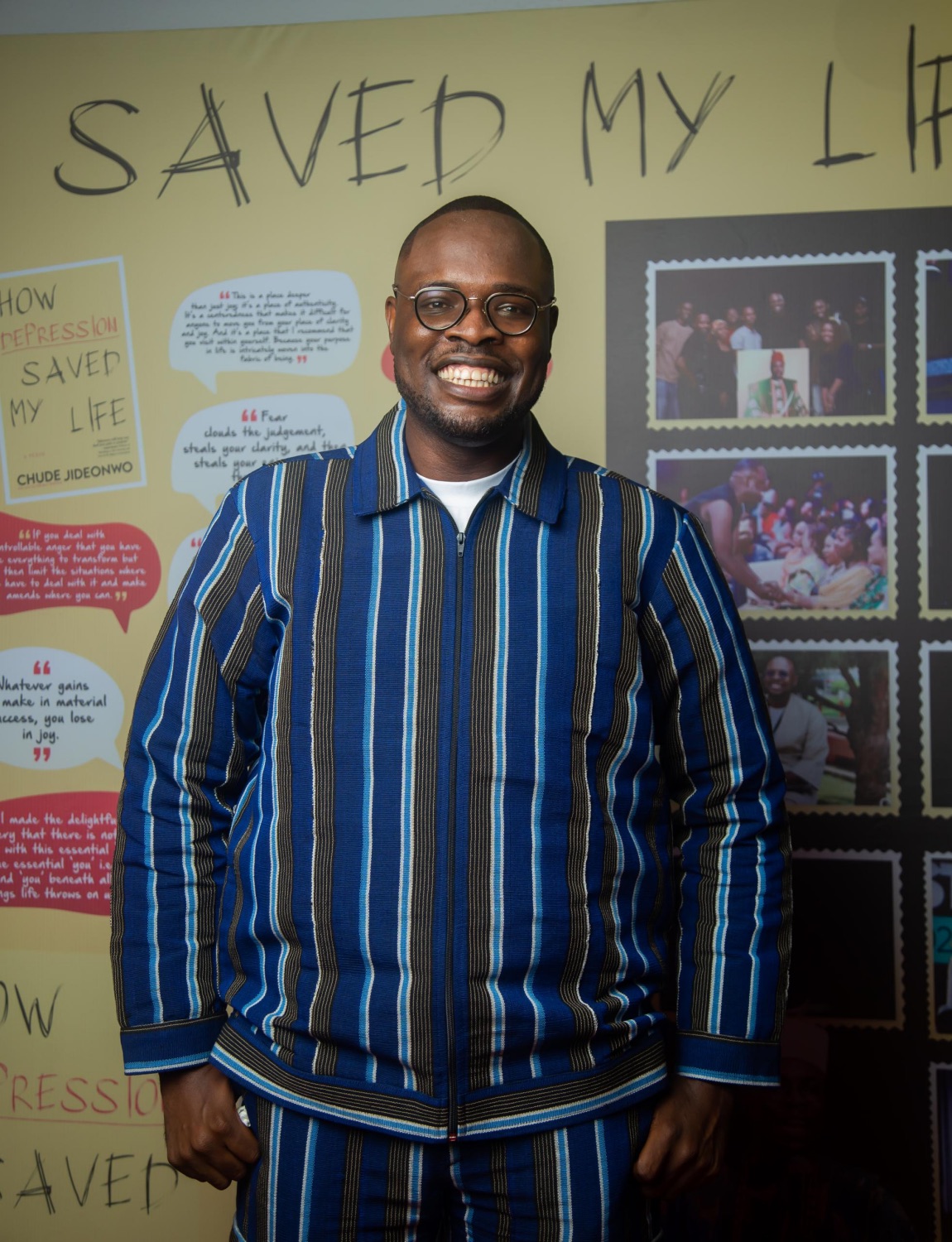
On Thursday, January 29, 2026, guests gathered Alliance Francaise, Ikoyi, Lagos to mark the release of How Depression Saved My Life, the memoir by filmmaker and media entrepreneur Chude Jideonwo.
The launch drew cultural leaders, entertainers, business figures and readers, and was shaped by a tone of sombre reflection rather than simple celebration.
Among those present, media icon Betty Irabor broke down in tears, a visible response to the book’s frank exploration of mental illness, personal loss and healing.
Former Nigerian Bar Association president Olumide Akpata used the platform to call for sustained, more earnest conversations about emotional wellbeing across public and professional life.
Their reactions underscored how the event was experienced as a collective encounter with vulnerability, not only an authorial milestone.
A memoir that has already gained traction
Published early this year, Jideonwo’s memoir charts his own encounters with clinical depression and how the struggle altered his relationship with joy, faith, ambition and recovery. Events at the launch reflected the book’s central argument that emotional honesty should be regarded as strength rather than weakness.
The work has also seen rapid uptake among readers.
In mid-January the book entered Amazon’s Top 100 bestseller rankings in the Mental Health category, reaching number 73, and appeared close to the top of the Self Help listings as well, according to the author’s announcement.
Local reporting echoed these milestones, noting the title’s climb on the same platform.

A gathering marked by solidarity and silence
Guests included well-known figures from music, film and public life.
Coverage of the launch highlighted an audience that alternated between attentive listening and sincere engagement, sometimes shifting from serious reflection to quieter celebration. Among those present were entertainers and opinion leaders, whose presence helped broaden the conversation beyond literary circles.
Beyond prepared remarks, attendees recounted personal experiences, paused together in shared silence, and sought to make sense of mental health in a society where such topics are often shrouded in performance or denial.
The atmosphere was described as intimate, with people remaining after the formal programme to linger, exchange stories, and request signed copies.

Voices from the event
Irabor’s emotional response highlighted the personal weight of the memoir’s themes. Her reaction, alongside Akpata’s appeal for deeper dialogue, set a tone that the launch was not simply a promotional occasion but a prompt for wider social engagement.
Both figures, each prominent in their own sphere, demonstrated how the book’s subject matter cut across cultural and professional lines.
Other guests, including actors, musicians and public intellectuals, shared reflections throughout the evening, underlining the pressures that accompany public success and the ways private pain can surface in unexpected moments.
Several attendees described the launch as a forum for mutual support, a chance to feel seen, and an acknowledgement that the journey toward emotional well-being is ongoing.
A continuing conversation
As readers queued to have copies signed, many stayed on to offer their own testimonies, suggesting that the memoir’s impact would extend well beyond the launch night.
Event hosts noted that these exchanges reflected the book’s resonance and the urgency of the issues it addresses.
Copies of How Depression Saved My Life are being sold in bookstores across Nigeria and through online channels, providing a point of access for individuals who may seek solidarity or insight.
The launch underscored how a single publication, when presented with honesty and humility, can open a space for conversations that a society is only beginning to embrace more fully.