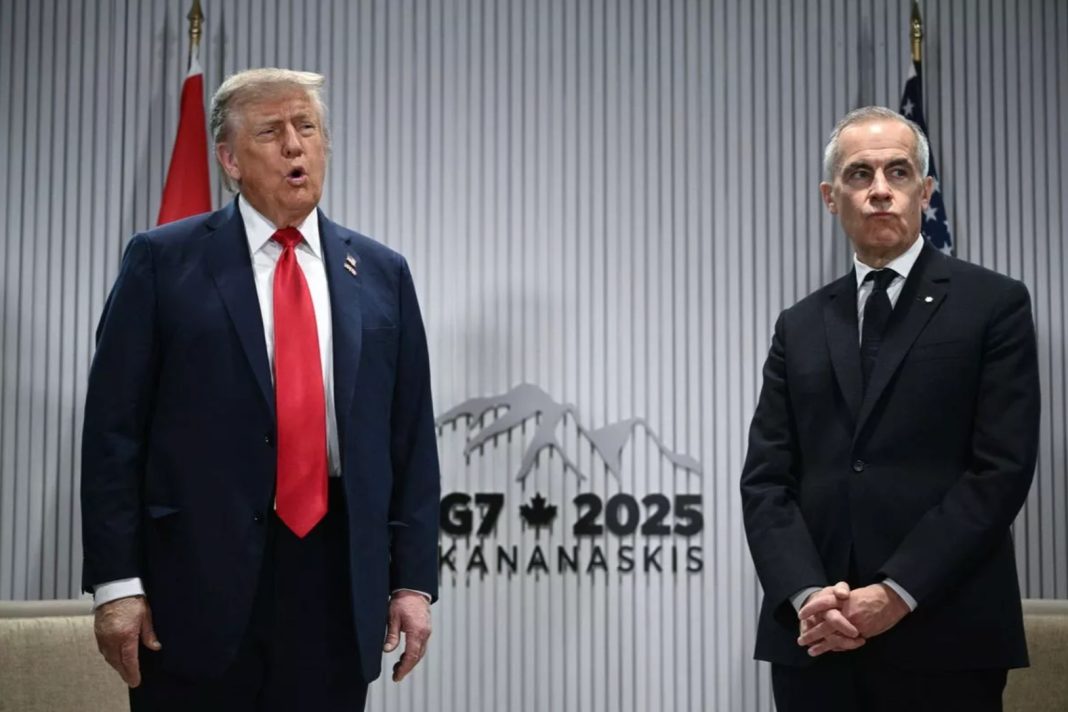

QUÉBEC CITY, Canada — Prime Minister Mark Carney delivered a firm public response on Thursday, January 22, 2026, after President Donald Trump told an audience at the World Economic Forum in Davos that “Canada lives because of the United States.”
Speaking in a recorded address after returning to Québec City from Switzerland, Mr Carney rejected the assertion and defended Canada’s national independence.
“Canada does not live because of the United States. Canada thrives because we are Canadian,” he said.
A Response Delivered After Davos
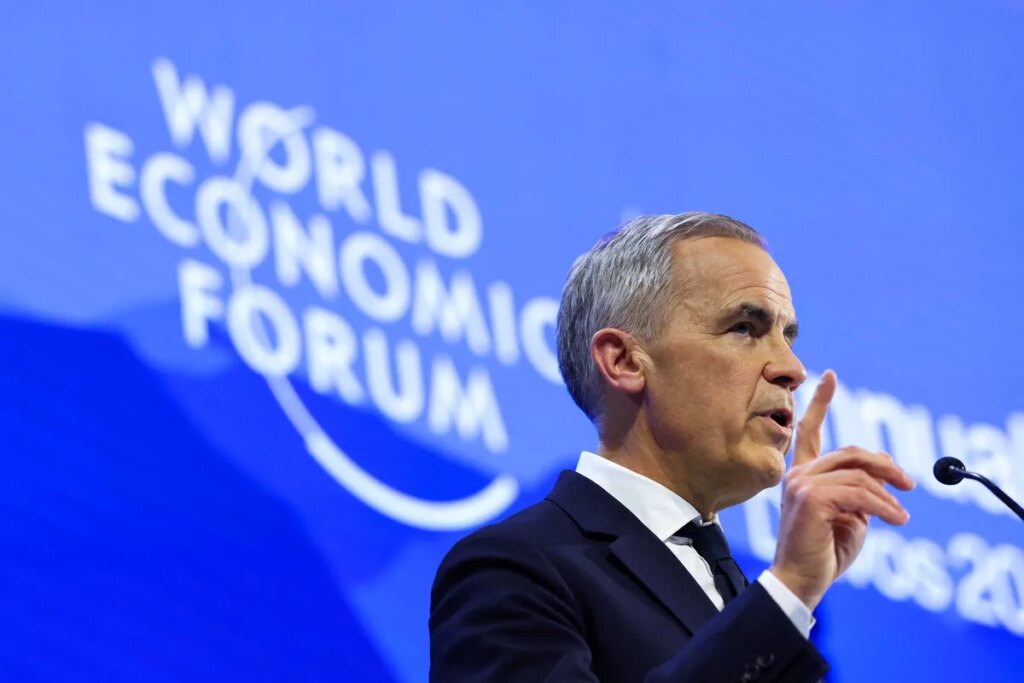
Mr Carney, who had attended the annual forum in Davos, framed his remarks around Canadian identity and social inclusion.
He described diversity as “a strength, not a weakness” and said that success in Canada was not limited by wealth, race or religion.
While acknowledging the long-standing relationship between Canada and the United States, Mr Carney underscored Canada’s autonomy.
“We are masters in our home, this is our own country, it’s our future, the choice is up to us,” he said.
President Trump had criticised Canada a day earlier during his own appearance in Davos, accusing the country of benefiting unfairly from its relationship with the United States and suggesting it should show more gratitude.
“I watched your Prime Minister yesterday, he wasn’t so grateful,” Mr Trump told the audience, referring to Mr Carney’s earlier speech.
Mr Carney did not mention Mr Trump by name in his address, though several passages appeared to respond directly to the United States president’s remarks.
Invitation Withdrawn After Public Dispute
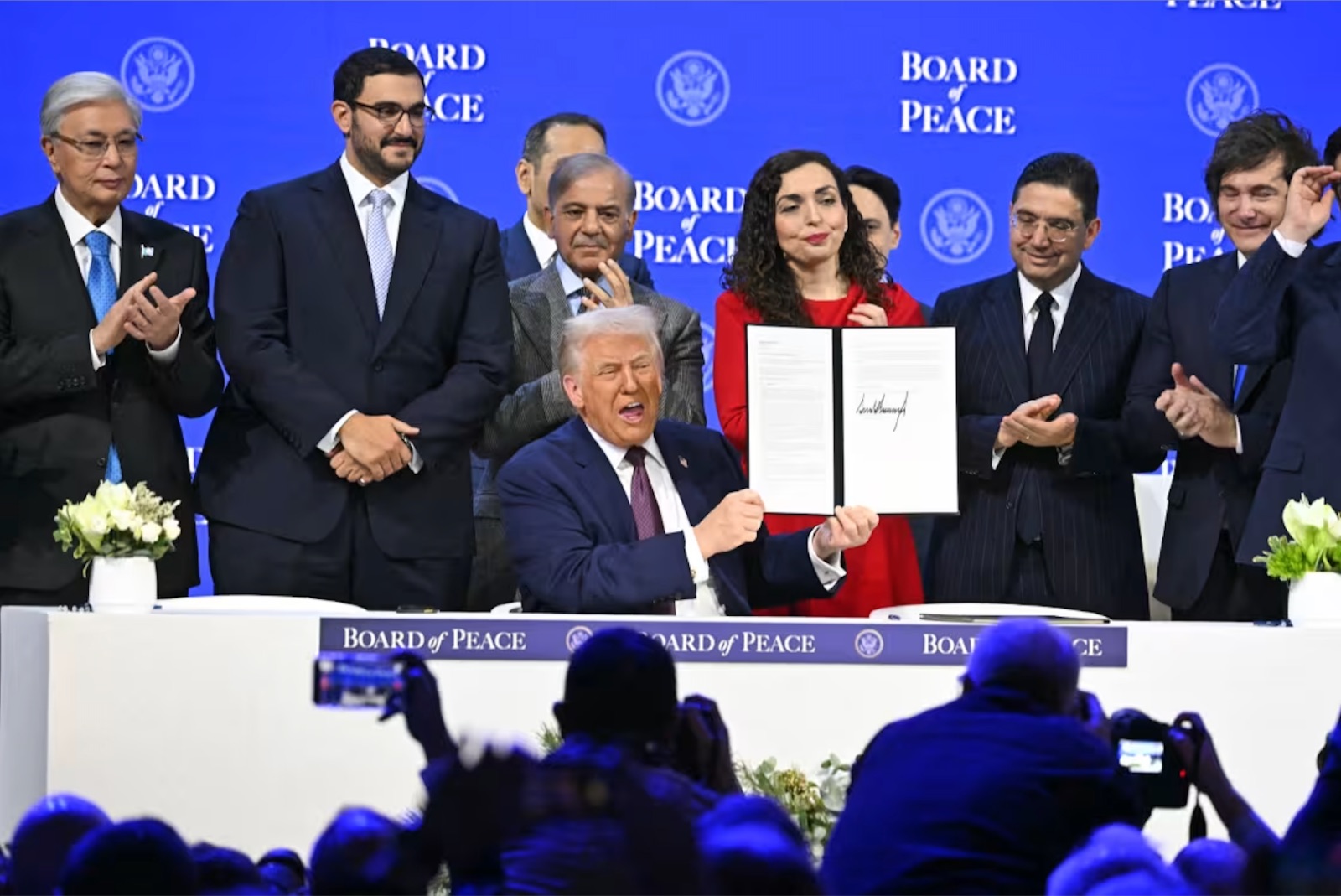
Following Mr Carney’s departure from Davos, Mr Trump announced that he was withdrawing an invitation for Canada to join a new “Board of Peace,” which he had unveiled at the forum.
“Please let this letter serve to represent that the Board of Peace is withdrawing its invitation to you regarding Canada’s joining, what will be, the most prestigious Board of Leaders ever assembled, at any time,” Mr Trump wrote on Truth Social.
Earlier in the week, Mr Carney had confirmed receiving the invitation but had not said whether Canada intended to accept it.
Broader Warnings on Global Power
In his Québec City address, Mr Carney also spoke more broadly about international relations, warning that previous global arrangements were no longer viable.
He said the old world order was “not coming back” and cautioned against relying on sentimentality, adding that “nostalgia is not a strategy.”
He called on middle powers to assert themselves, accusing major nations of using economic tools to exert pressure.
“More recently, great powers have begun using economic integration as weapons, tariffs as leverage, financial infrastructure as coercion, supply chains as vulnerabilities to be exploited,” he said.
The remarks followed recent threats by Mr Trump to impose tariffs on European allies as part of an effort to pressure Denmark over Greenland, a proposal he later said he would not pursue.
A Relationship Marked by Tension and Familiarity
Mr Carney has previously opposed Mr Trump’s global tariff policies and annexation rhetoric, positions that featured prominently in his campaign during last year’s general election.
Mr Trump has repeatedly spoken about annexing Canada and making it the “51st state,” comments rejected by both Mr Carney and his predecessor, Justin Trudeau.
During Mr Trudeau’s time in office, Mr Trump often referred to him as “Governor Trudeau,” rather than by his official title.
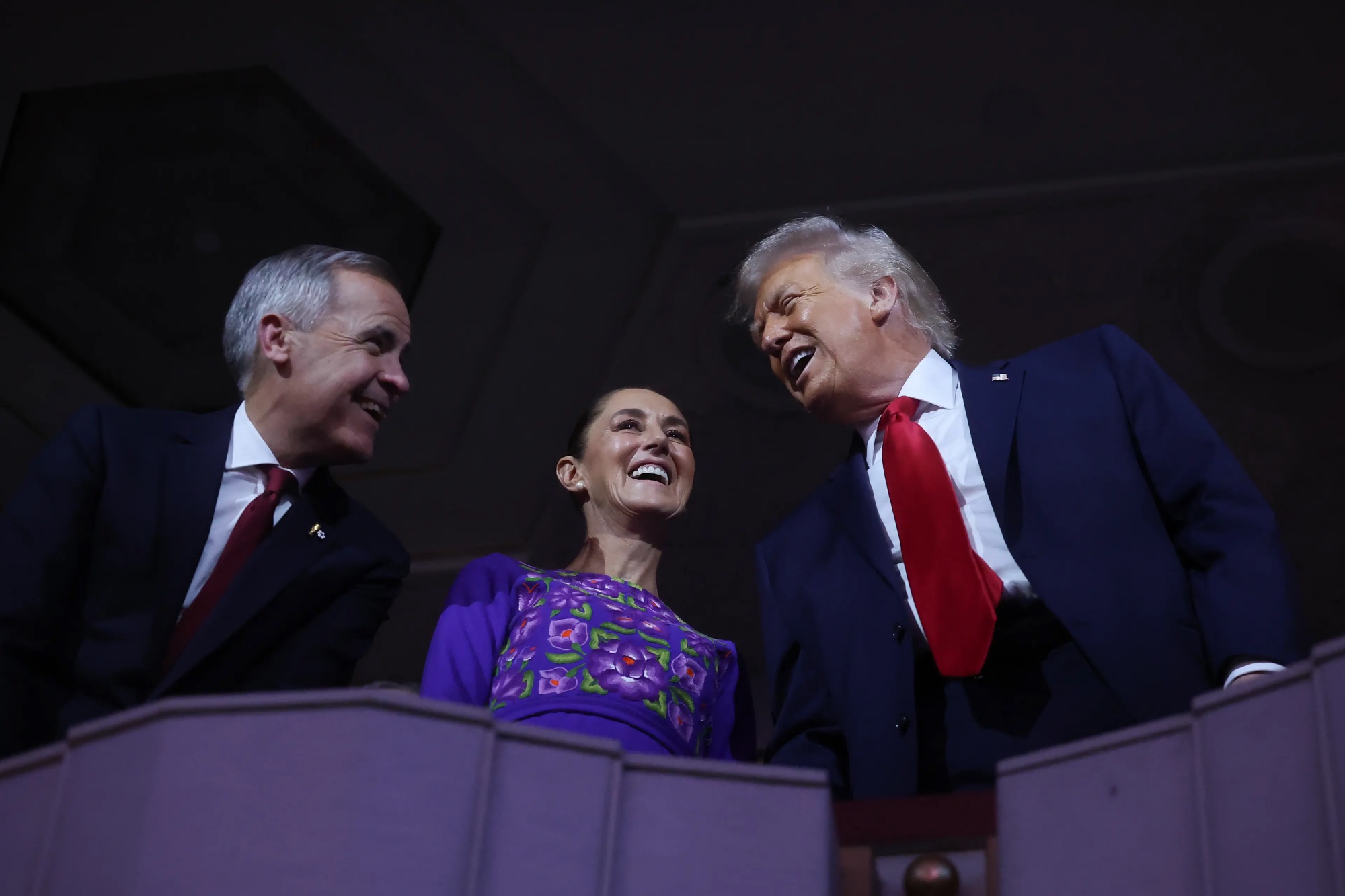
Despite periodic friction, Mr Carney and Mr Trump have at times presented a cordial public relationship.
In October, after Mr Trump mistakenly addressed Mr Carney as “President,” the Canadian leader replied, “I’m glad you upgraded me to President.”
Mr Trump responded, “At least I didn’t say Governor!”
More recently, however, disagreements over tariffs and Mr Carney’s public support for Denmark and Greenland’s “Arctic sovereignty” have again strained ties between the two leaders.