
ONITSHA, Nigeria — The International Society for Civil Liberties and Rule of Law, known as Intersociety, has accused The New York Times of publishing false claims about its research methods and the views of its leader, following an interview conducted in December and a Times report published in January.
In a statement issued in Onitsha on Monday, January 19, 2026, the group said it hosted Ruth Maclean, the West Africa bureau chief of The New York Times, on Dec. 16, 2025, along with a photographer described as “a female Christian photographer from Kwara State” and Dave Eleke of ThisDay Newspaper.
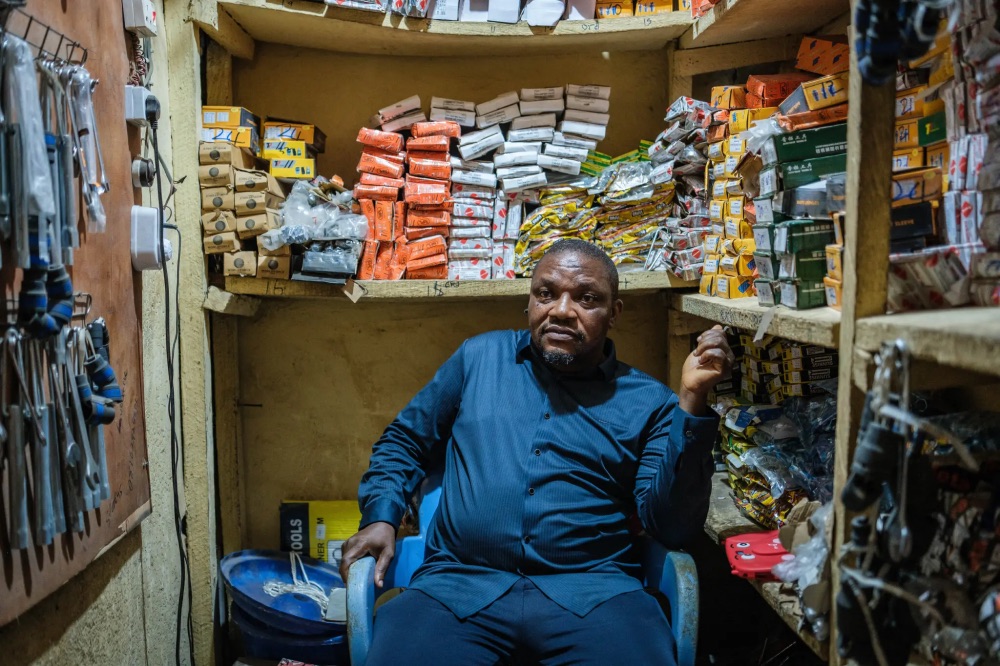
Intersociety said the visit included a lengthy interview and a photography session in a market, and that its leader, Emeka Umeagbalasi, a criminologist, spoke for more than three hours.
The organisation said it was “shocked and totally disappointed” by what it described as “lies injuriously credited to us” in a New York Times article dated Sunday, Jan 18, 2026, and rejected what it said was the report’s framing of the group’s work.
Dispute Over Verification and Data Collection
Intersociety said the NYT article wrongly suggested that its leader “often does not verify his data,” an assertion it denied.
The group said that during the interview, Mr. Umeagbalasi explained its data methods, including what it called “primary or directly generated and secondary or indirectly or third party generated” processes.
It also disputed what it said was a description of its sources as being largely derived from “secondary data” including “Nigerian media, Christian interest groups and Google searches.”
In its statement, Intersociety said it had conducted field research across parts of Nigeria, naming areas including Southern Kaduna, Taraba, the South-East and the South-South, and cited more recent examples in Eha-Amufu and Ezeagu in Enugu State.
The organisation described itself as “human rights trackers and monitors in Nigeria since 2009,” saying it deployed volunteers where possible and relied on other reports where it could not physically access crime scenes.
Objections to Claims About Specific Statements
Intersociety also accused The Times of placing false words “into our mouth” on several topics, including identity and religious classifications of victims in attacks, and on comments involving ethnic Fulani communities.
The organisation said it did not describe “Fulanis” as “animals who should be confined to one State,” and stated that its comments, according to the statement, related instead to opposition to “Fulani Pastoralist Cattle Ranching Settlements across the country.”
Intersociety said it told the reporter that if Nigeria’s government believed such a policy had no jihadist intent, it should instead “designate Niger State” for large-scale modern cattle and milk production.
The statement also objected to what it described as inaccurate wording and framing, including the use of “I” rather than “We” in describing decisions made by the organisation.
Figures on Killings and Church Attacks
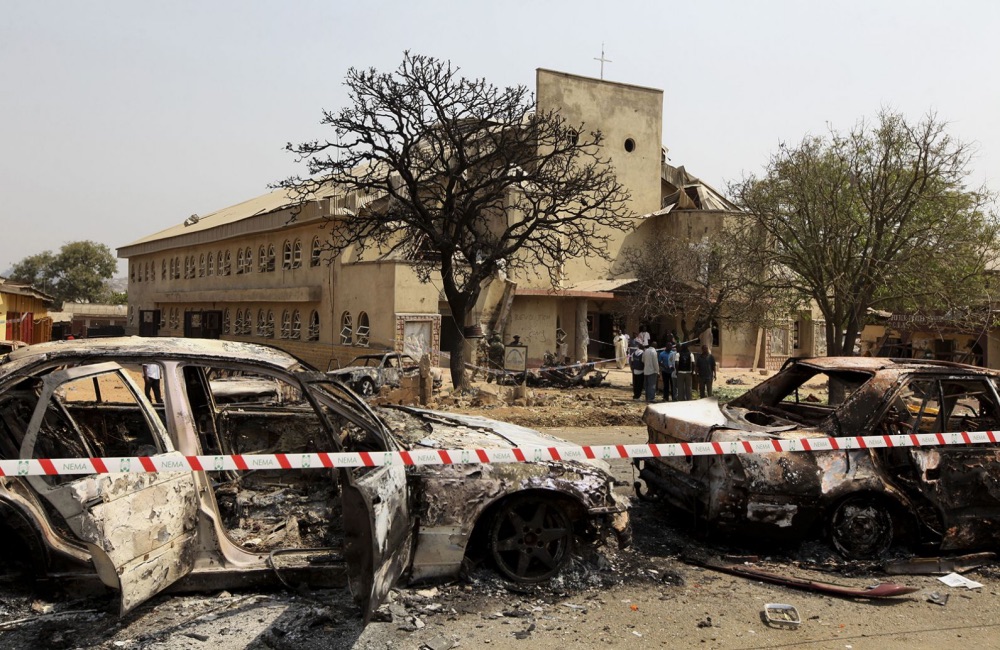
Intersociety reiterated statistics it said formed part of its reporting since 2009, stating that “125,000 Christians and 60,000 Muslims were killed outside religious freedom and protection in Nigeria since 2009 and estimated 19,100 churches attacked including being burned down or destroyed.”
It also disputed wording it said appeared in the NYT report about the number of churches attacked, saying it stated “19,100 churches” rather than “close to 20,000 churches,” and said it had “peripherally mentioned” that 100,000 churches might have existed in Nigeria as of 2021.
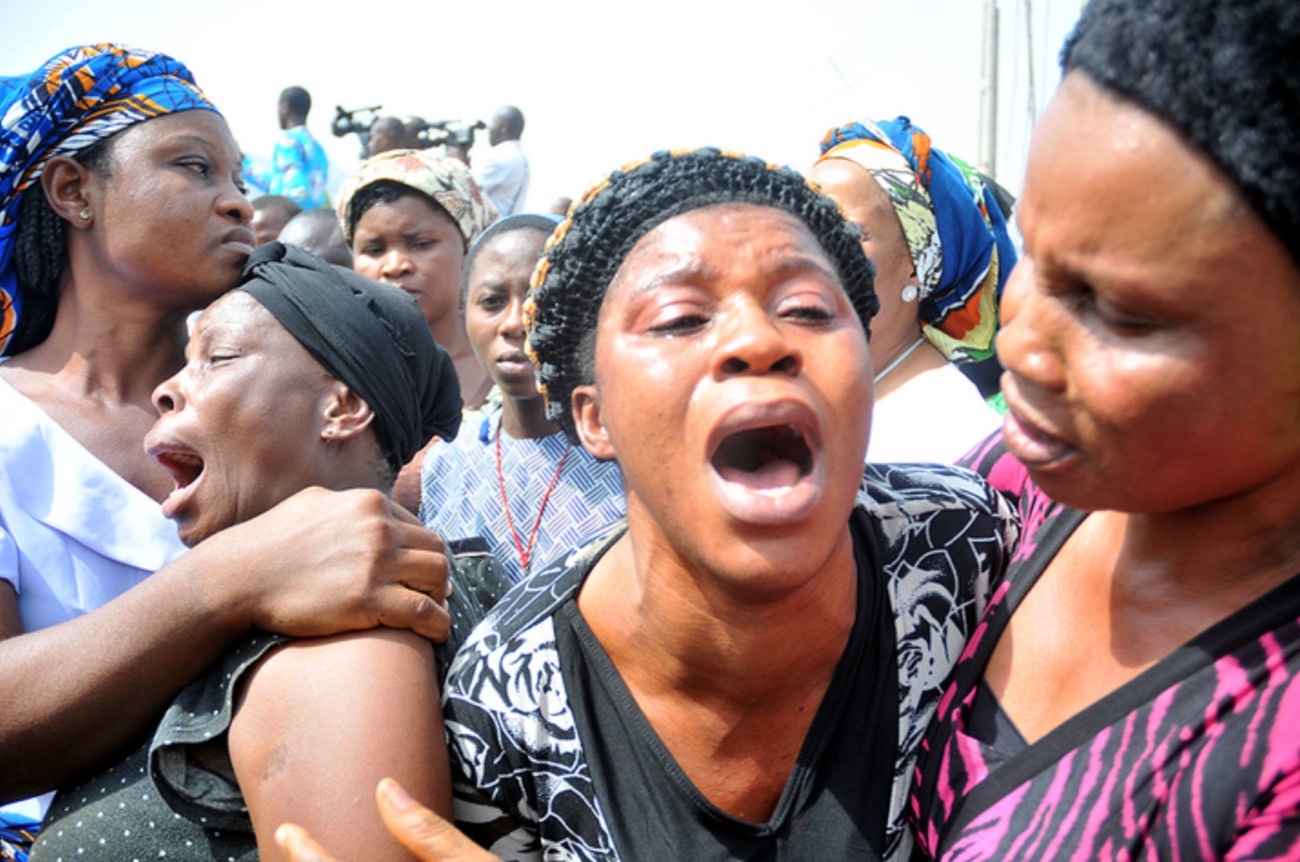
The organisation also rejected what it described as a NYT claim that “many of Boko Haram victims are Muslims,” calling that “totally incorrect” and asserting that between 2009 and 2017 most Boko Haram victims were Christians, including “estimated 3000-4000 pastoral Igbo Christians living in the North.”
In support of that position, the statement cited a June 2020 report attributed to the Church of Brethren in Nigeria, saying “8,600 of its members were killed by Boko Haram between 2014 and 2020” and that more than 300 church districts were destroyed.
It also said that among the 274 Chibok schoolgirls abducted in 2014, “more than 200 were children church members of the Church of Brethren in Nigeria.”
Link to Air Strikes
Intersociety said it objected to what it called a “mischievous” attempt to connect its December interview with U.S. air strikes carried out in Sokoto nine days later, which it said the Nigerian government and security agencies publicly celebrated as a joint operation.
The group said it did not understand “the business the interview got to do with the US Airstrikes in Nigeria’s Sokoto.”
The organisation said it would hold The New York Times and Ms. Maclean “vicariously liable” and Nigerian authorities “directly liable” if harm came to its leader, his family, or its offices in Onitsha, Enugu and Aguata.
In the statement, Intersociety also described Mr. Umeagbalasi as a “successful, lawful and legitimate ‘Screwdriver and Wrenches Salesman’” in Onitsha since completing an apprenticeship in 1993, and said he holds undergraduate and postgraduate degrees in criminology, security studies, and peace and conflict-related fields.
The statement concluded by naming additional Intersociety officials and providing telephone numbers and email contacts for the organisation.