
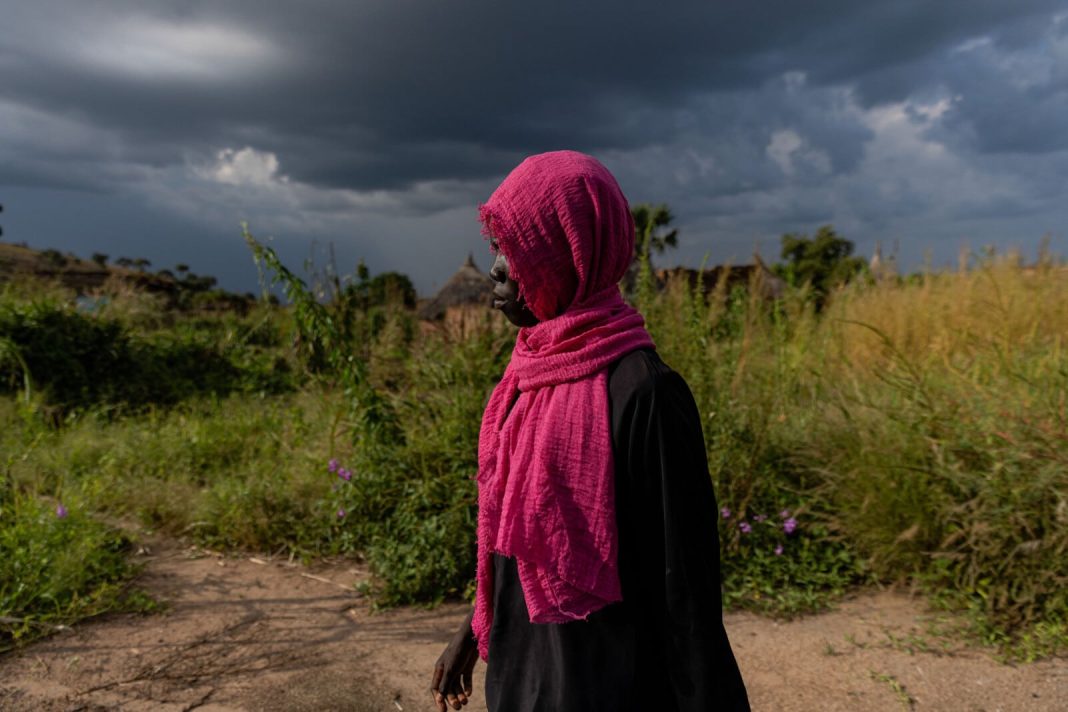

NAIROBI, Kenya — A new international report released on Tuesday, February 4, 2026, has found that courts are playing an increasingly significant role in efforts to end female genital mutilation, as survivors and advocates turn to litigation to strengthen enforcement of existing laws and defend legal protections.
The report, published by Equality Now with legal research support facilitated through the Thomson Reuters Foundation’s TrustLaw service, examines how strategic legal action has been used in multiple countries to address gaps in protection and improve accountability for the practice.
Findings From Multiple Jurisdictions
Titled “Towards Justice: Global Challenges and Opportunities in Litigating Cases of Female Genital Mutilation,” the study draws on legal cases and advocacy efforts in Burkina Faso, India, Kenya, Liberia, The Gambia and the United States. It also analyses obstacles to justice in Australia, Burkina Faso, Egypt, France, Kenya, Liberia, Sierra Leone, Uganda, the United Kingdom and the United States.
According to the report, increased international recognition of female genital mutilation as a human rights violation has been accompanied by the expansion of criminal bans over the past two decades. Advocates are now using court proceedings to clarify laws, challenge weak enforcement and establish legal precedents.
Divya Srinivasan, a representative of Equality Now, said: “By examining how the law works in practice, we can better understand how to harness it effectively. Our research finds that strategic litigation is one of the most powerful ways to challenge FGM by exposing gaps in protection, setting legal precedents, and driving wider reform. But litigation alone is not enough. To deliver real justice and lasting change, it must be backed by well-implemented, sufficiently funded enforcement of laws alongside legal systems that shield survivors from harm.”

Scope of the Practice
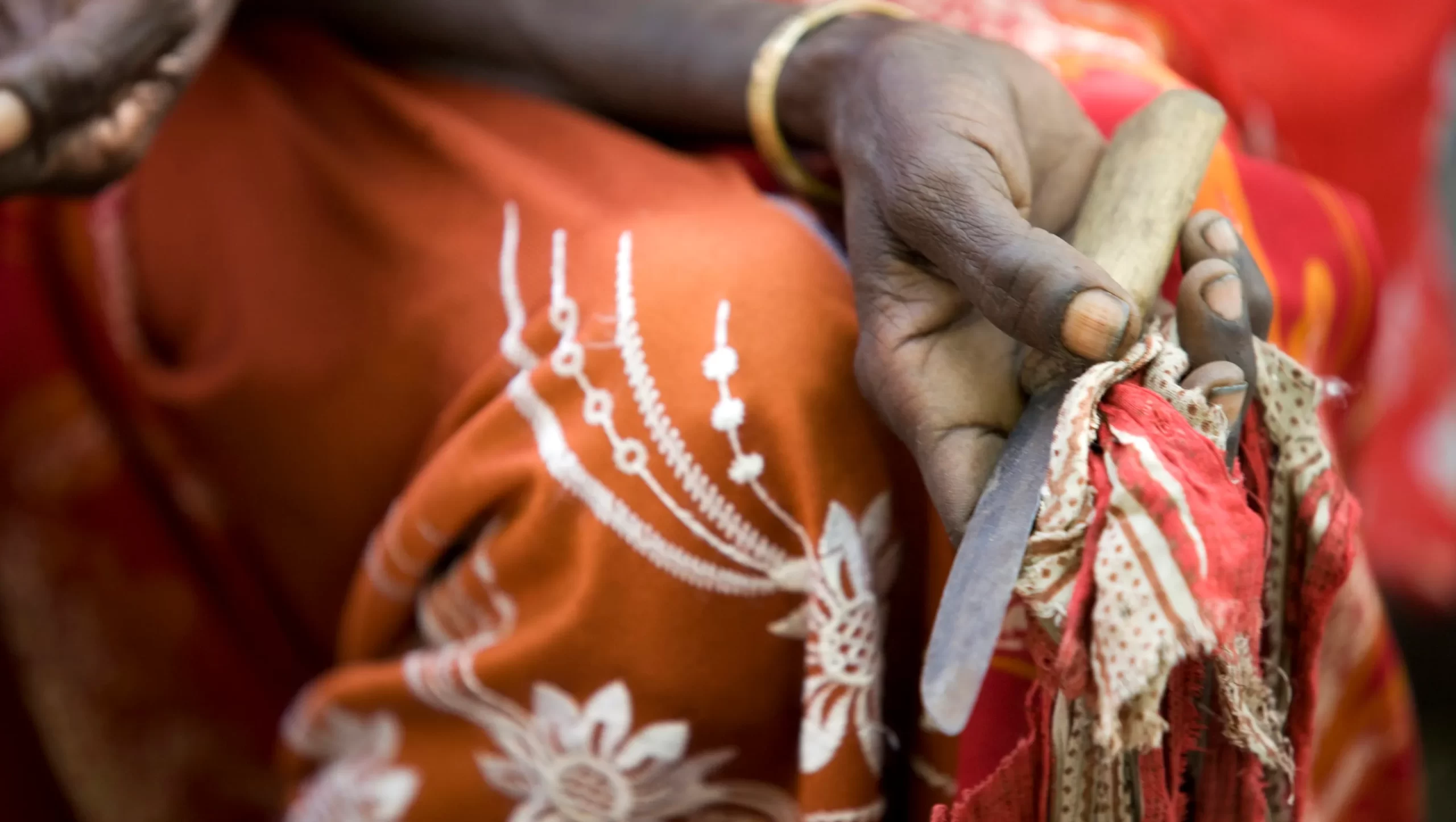
Female genital mutilation is defined internationally as the partial or complete removal of external female genitalia for non-medical reasons. It is associated with long-term physical and psychological harm and is linked to gender inequality.
UNICEF estimates that 230 million women and girls worldwide have been affected. Equality Now and its partners report evidence of the practice in 94 countries. Of these, 59 have specific legislation banning it.
The report notes that gaps in legal coverage and limited access to justice continue to hinder efforts to protect survivors and prevent future cases.
Litigation and Legal Accountability
The study finds that criminal, civil and constitutional litigation can strengthen state responses by clarifying legal obligations and addressing systemic failures. It also notes that high-profile prosecutions can increase public awareness and encourage survivors to seek remedies.
In 2025, the Economic Community of West African States Court ruled against Sierra Leone, where the practice remains widespread. The judgment outlined the country’s legal obligations to criminalise female genital mutilation, prevent its occurrence, protect those at risk, compensate survivors, investigate cases and prosecute offenders.
The report describes this ruling as an example of how courts can define state responsibilities under constitutional and international law.
Challenges to Existing Laws
The report also highlights efforts to defend legal protections from repeal or weakening.
In Kenya, coordinated legal action challenged a constitutional case that sought to legitimise the practice on grounds of consent, culture and bodily autonomy. In 2021, the High Court upheld the Prohibition of Female Genital Mutilation Act, maintaining the country’s existing ban.
In The Gambia, lawmakers rejected a bill in 2024 that would have repealed the ban. The law is now being challenged before the Supreme Court on constitutional grounds, according to the report.

Barriers to Prosecution
Despite the spread of anti-FGM legislation, prosecutions remain uncommon in many countries, the report finds. Weak enforcement, legal loopholes and low reporting rates limit the number of cases that reach court.
The study cites stigma, fear, inadequate witness protection and poor investigations as major obstacles. It also points to mishandled evidence, delays in proceedings and limited institutional prioritisation.
Survivors may face intimidation, discrimination and re-traumatisation during trials. In some contexts, the report says, survivors have been criminalised under laws intended to protect them.
A lack of specialised training among judges, prosecutors, police officers, healthcare workers and social service providers has also contributed to inconsistent application of the law.
Calls for Broader Action
The report calls on governments to strengthen and clarify legislation, ensure consistent enforcement and invest in professional training. It recommends improving evidence handling, case management and survivor-centred approaches.
It also stresses that legal measures must be combined with prevention strategies addressing health, education, child protection and community engagement.
Underfunding remains a major concern, according to the study. It urges sustained public investment, access to free legal aid and expanded support services for survivors. The report also calls for stronger civil remedies, including compensation and protection orders.
Kathryn Beck, Head of Legal for TrustLaw at the Thomson Reuters Foundation, said: “Legal pro bono has a unique power to support the critical missions of organisations such as Equality Now. We hope that this important report lays the groundwork to strengthen anti-FGM laws and empowers frontline professionals working to protect the rights of women and girls around the world.”
Equality Now, founded in 1992, is a global human rights organisation focused on legal and systemic reform to end discrimination against women and girls. The Thomson Reuters Foundation provides legal, media and research support to civil society organisations through its global network.