
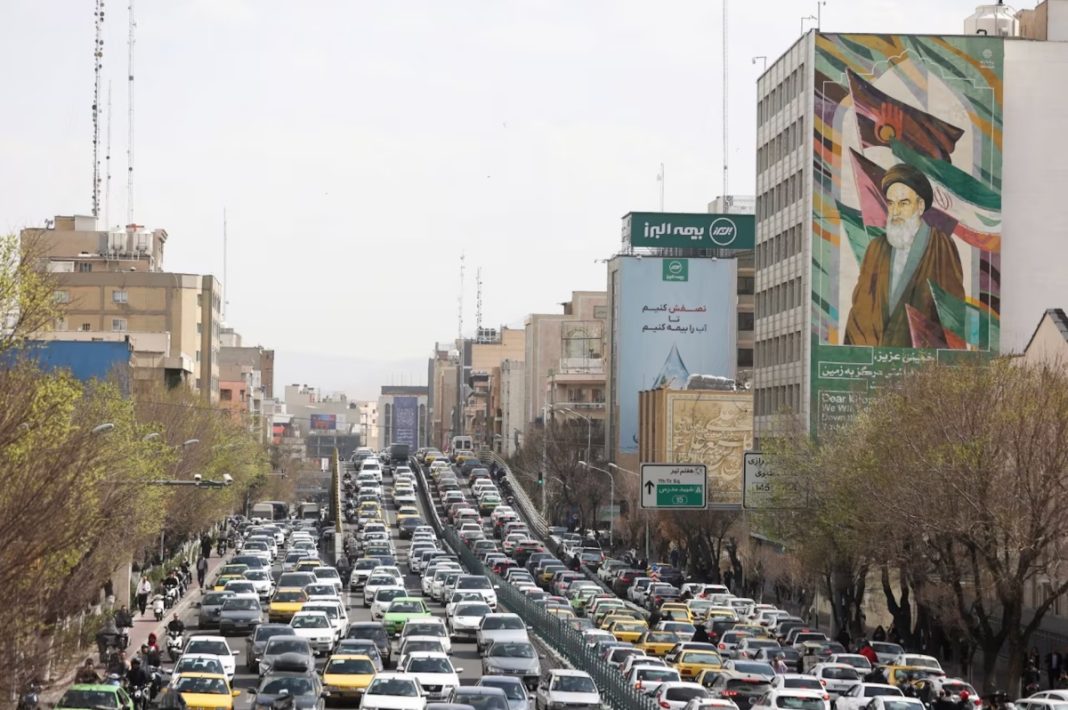

TEHRAN, Iran — The United States and Israel launched coordinated military strikes on Iran early Saturday, with explosions reported across the capital and in several provinces, marking one of the most dramatic escalations in regional tensions in years.
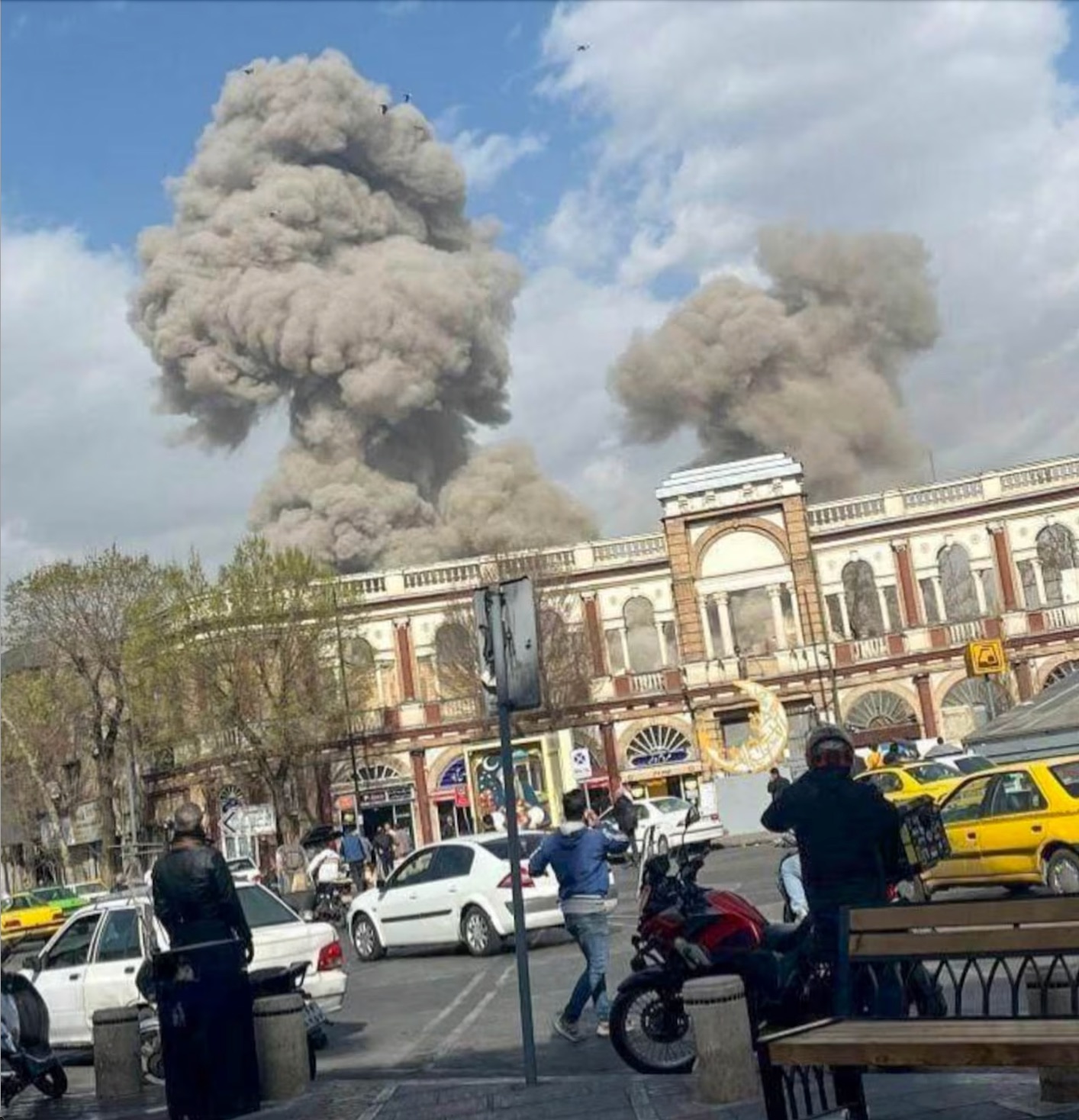
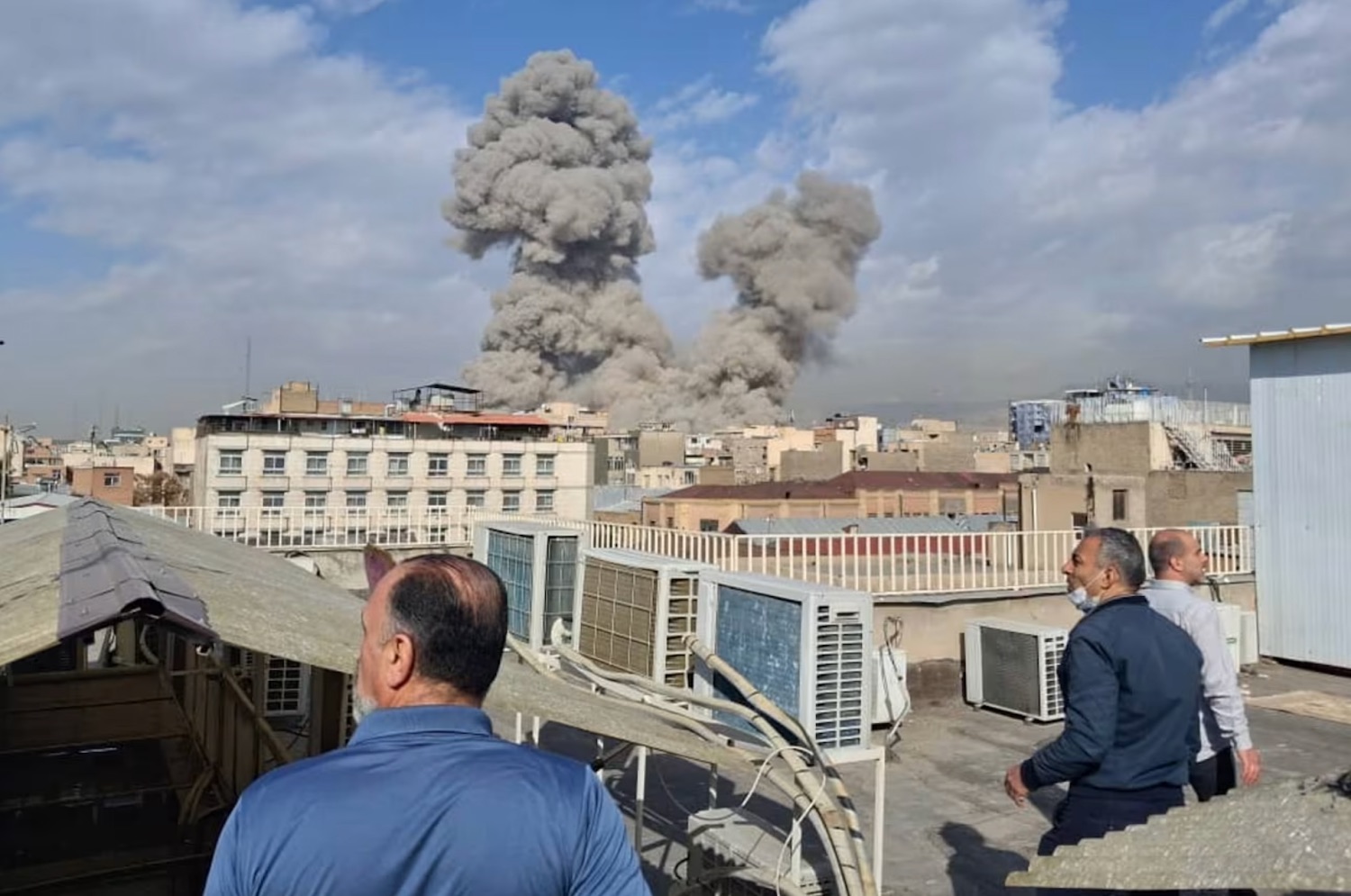
Multiple missiles struck areas along University Street and in the Jomhouri district of central Tehran on Saturday, February 28, 2026, according to Iran’s Fars news agency.
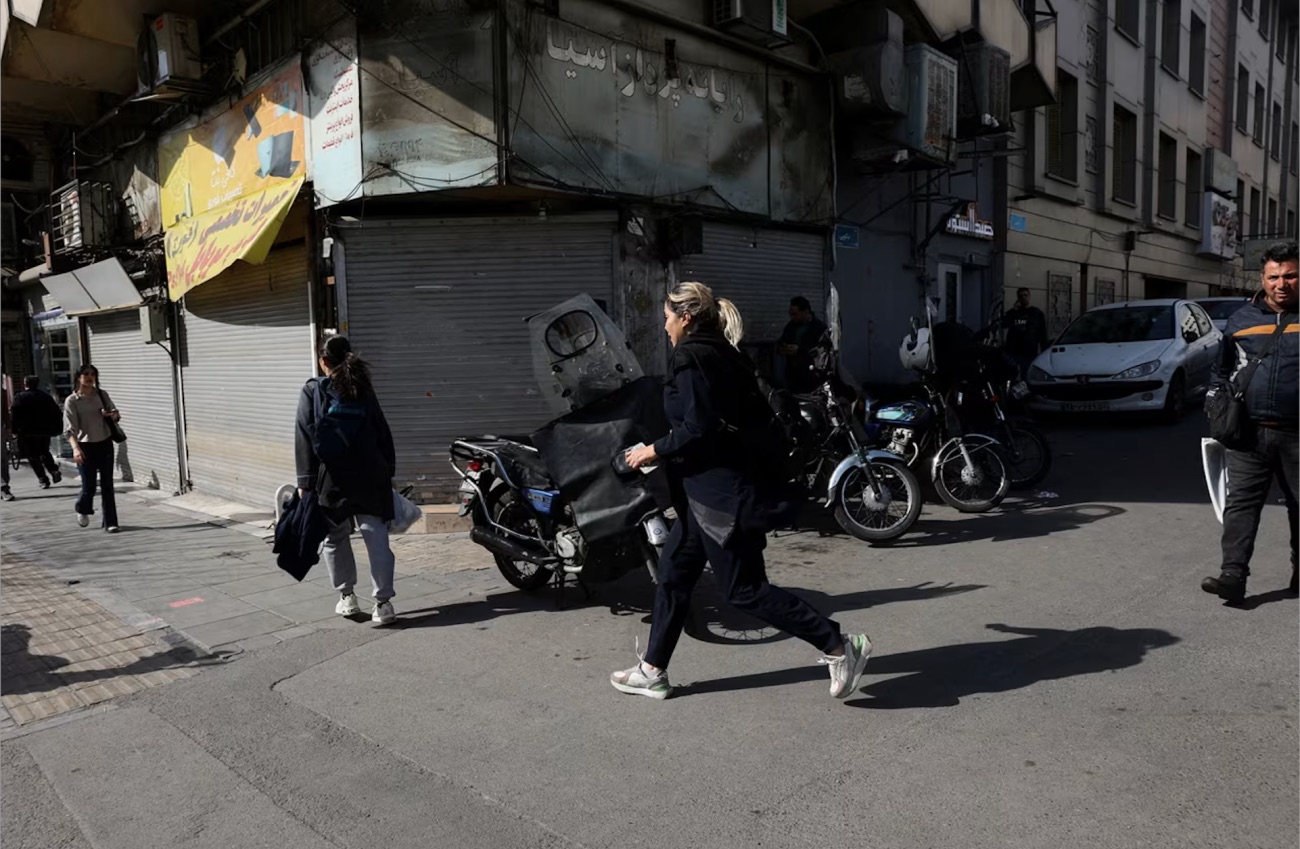
Thick plumes of smoke were seen rising over the city, and residents reported hearing sustained blasts.
Iran’s semiofficial Tasnim news agency said explosions were also recorded in the northern Seyyed Khandan neighbourhood.
Other Iranian outlets reported strikes in additional locations nationwide, including in Ilam province near the Iraqi border.
Stated Objectives
US President Donald Trump said the joint operation was aimed at neutralizing what he described as “imminent threats from the Iranian regime.”
“A short time ago, US military began major combat operation in Iran,” Trump said in a televised statement.
“Our objective is to defend the American people by eliminating threats from the Iranian regime.”
Israel’s Defence Minister Israel Katz said the strikes were launched to “remove threats to the State of Israel,” though he did not specify the nature of those threats.
A US official told reporters that the operation was carried out jointly by US and Israeli forces and involved both air and sea-based assets.
The United States has in recent weeks positioned fighter aircraft, naval vessels and missile-defense systems across the region amid mounting tensions over Iran’s nuclear program.
Targets in Tehran
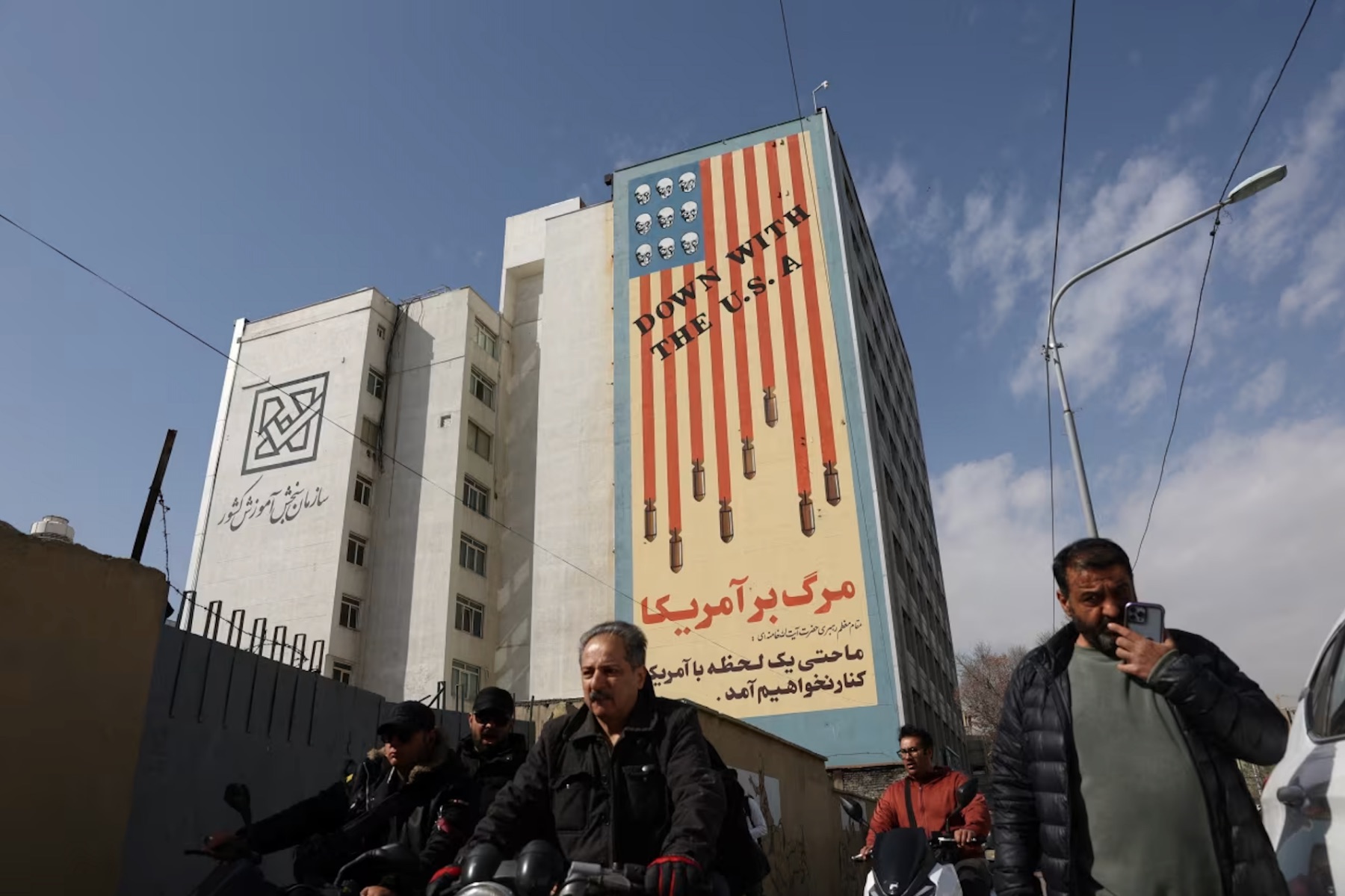
One of the strike locations in Tehran was reported to be near offices associated with Supreme Leader Ayatollah Ali Khamenei.
According to Reuters, Khamenei was not in the capital at the time of the attack and had been moved to a secure location.
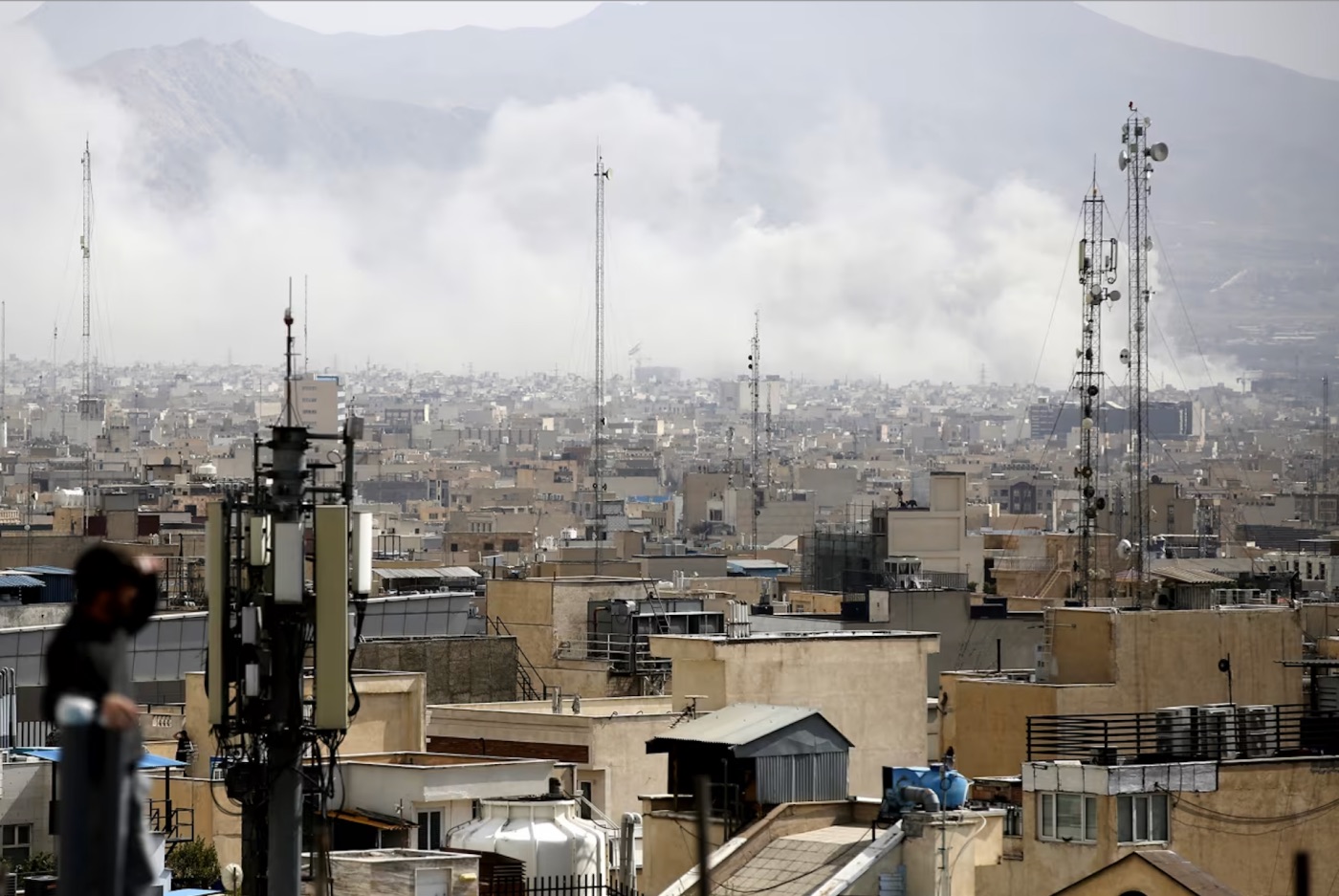
Communications disruptions were reported across parts of Tehran.
Journalists on the ground said cellular networks were partially disabled, complicating efforts to confirm casualty figures and assess the scale of damage.
Iranian authorities have not yet released official numbers on casualties or infrastructure impact.
Regional Fallout
An Iranian official told Reuters that Tehran was preparing what he described as a “crushing” retaliation.
In Israel, air-raid sirens sounded nationwide as authorities declared a state of emergency. The Israeli military said it had issued a proactive alert warning of the possibility of incoming Iranian missile fire.
The Israel Airports Authority announced that the country’s airspace had been closed to civilian flights and urged the public to avoid Ben Gurion Airport.
Elsewhere in the region, the US Embassy in Qatar instructed personnel to shelter in place and recommended that American citizens do the same.
Iraq’s Ministry of Transport announced it was closing national airspace as a precaution.
Negotiations in Jeopardy
According to an Israeli defense official quoted by Reuters, the strikes had been planned for months, with the final launch date decided weeks ago, even as Washington and Tehran engaged in diplomatic talks over Iran’s nuclear program.
Mehran Kamrava, a professor at Georgetown University in Qatar and director of the Iranian studies unit at the Arab Center for Research and Policy Studies, said the operation appears designed to derail ongoing negotiations.
“Israel appears to have launched an attack designed to derail the negotiations,” Kamrava said, suggesting that the timing could significantly alter diplomatic trajectories.
A Precarious Moment
The strikes come amid already fragile relations between Iran and both Washington and Jerusalem.
Analysts warn that the combination of direct military engagement, disrupted communications and preemptive regional security measures signals a volatile new phase in the long-running standoff.
With airspace closures spreading and retaliatory threats mounting, the region now stands on edge, awaiting Tehran’s next move — and the global response to what could become a wider conflict.