
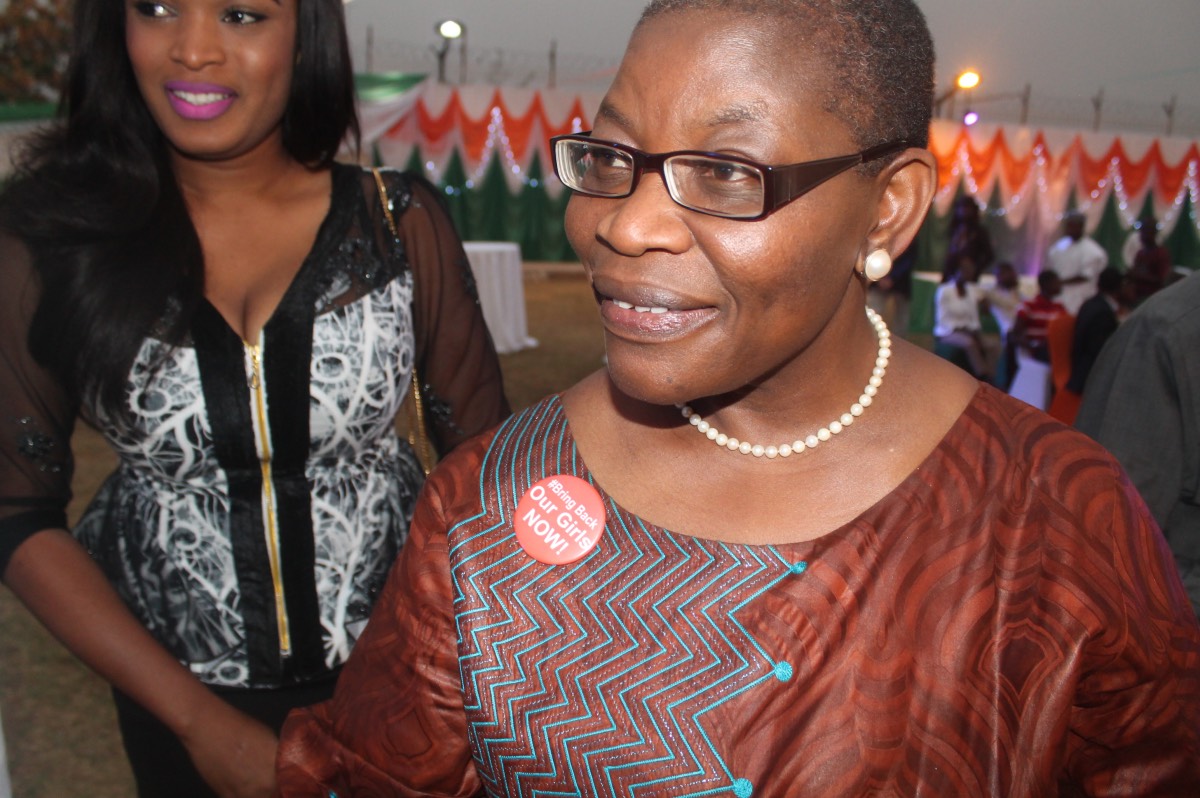

LAGOS, Nigeria — The demolition of homes in Makoko has renewed national debate over how Nigeria’s major cities are governed, after Obiageli Ezekwesili, a former Minister of Education, released an open memorandum questioning the place of low-income communities in Lagos’ development plans.
In the memorandum, addressed to President Bola Tinubu and Governor Babajide Sanwo-Olu of Lagos State, Ms. Ezekwesili described the Makoko demolitions as a defining issue of citizenship and dignity in Nigeria’s commercial capital, arguing that the dispute went beyond housing enforcement into questions of inclusive governance.
She rejected the suggestion that poverty diminishes civic belonging, saying Makoko residents are citizens whose livelihoods and labour form part of Lagos’ economic and social structure.
She said the demolitions had disrupted family life, schooling and income, and called attention to what she described as the human costs of urban policy.

A central point raised in the memorandum was what Ms. Ezekwesili described as inconsistencies between official assurances and actions on the ground.
She said community leaders were initially told that demolitions would be limited to areas near high-tension power lines within legally acceptable safety margins.
Reports that the exercise went beyond those boundaries, she said, raised concerns about governance and accountability.
Ms. Ezekwesili warned that when state actions exceed agreed limits without clear public explanation, trust can be damaged and the distinction between lawful urban management and arbitrary use of power can become blurred.
She also highlighted what she described as the humanitarian consequences of the demolitions, saying thousands of people had been left without shelter, while children were pulled from school and families exposed to disease, hunger and insecurity.
The former minister urged Lagos authorities to pursue community-focused approaches to urban renewal rather than forced displacement.
She advocated development models that prioritise upgrading informal settlements in place, providing secure tenure, improving sanitation, and integrating such communities into the formal city.
Ezekwesili said that cities should be measured not by their skyline projects but by how they treat their most vulnerable residents, and argued that Lagos’ ambitions as a global city depended on its ability to balance growth with inclusion.
Her intervention has helped shift the public discussion beyond Makoko as a local dispute, reframing it as part of a wider national conversation about the kind of cities Nigeria is building and which populations they are designed to serve.