
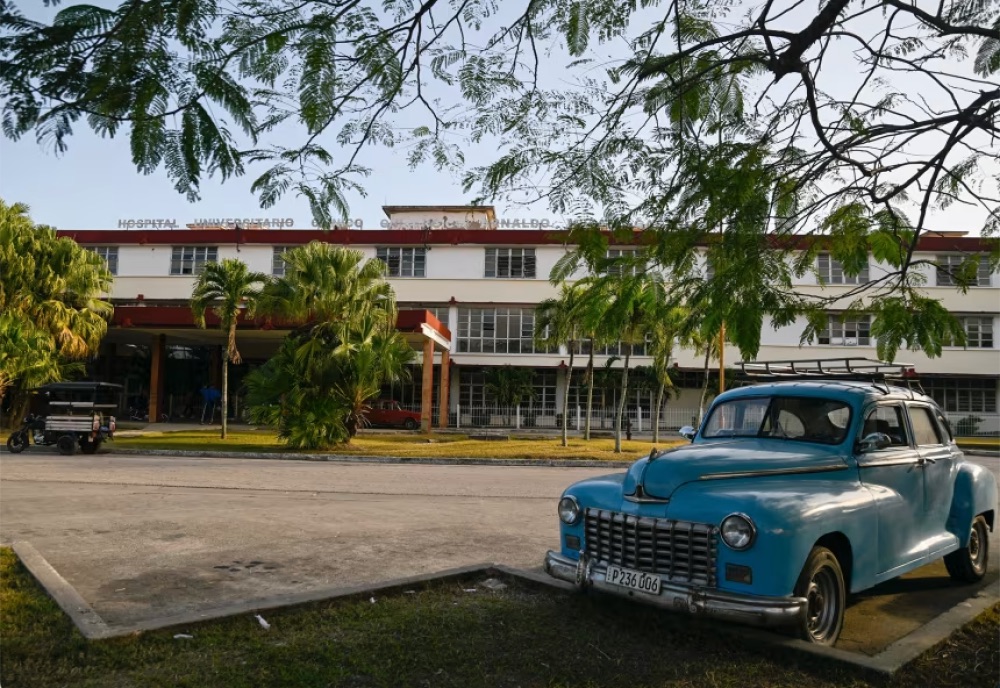

HAVANA, Cuba — Cuban authorities say security forces fatally shot four people aboard a Florida-registered speedboat on Wednesday, February 25, 2026, after the vessel entered Cuban territorial waters in what officials described as an attempted armed “infiltration” of the island.
The confrontation, which unfolded near Falcones Cay in Villa Clara province, has triggered parallel investigations in Havana and Washington and further strained already brittle relations between the two countries.
What Happened
According to Cuba’s Interior Ministry, border guard troops approached the 24-foot power boat after it crossed into Cuban waters, roughly 100 miles south of Florida.
Authorities said a passenger aboard the vessel opened fire on the Cuban patrol craft, wounding its commander. Cuban forces returned fire.
Four people on the speedboat were killed and six others were wounded, the ministry said. Survivors were taken into custody and are receiving medical treatment.
Cuban officials later alleged that those on board were Cuban residents of the United States armed with assault rifles, handguns and Molotov cocktails, and that they intended to carry out an operation with “terrorist purposes.”
An additional individual, described as having been sent from the United States to help facilitate the mission, was arrested separately and has since confessed, according to Cuban authorities. US officials have not publicly confirmed that account.
Maritime database records show the vessel, registered as FL7726SH, was manufactured in 1981.
Falcones Cay and surrounding waters are known for shallow sandbars and have historically served as routes for Cuban migrants attempting the dangerous crossing to Florida.
Who Was Involved
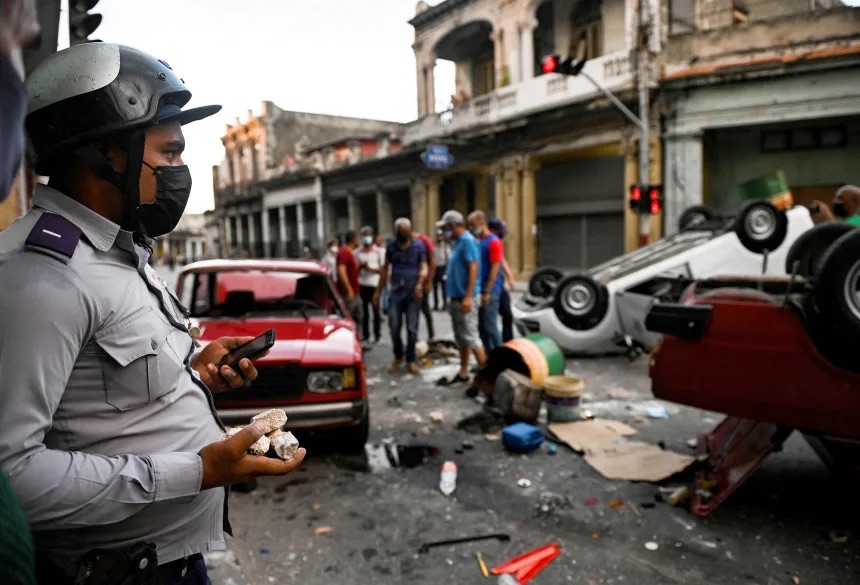
Cuban authorities identified seven of the ten passengers.
Two of the survivors had previously been wanted in Cuba on terrorism-related charges, the Interior Ministry said.
One man identified by Cuban officials as arrested had earlier reposted a document online, allegedly signed by four anti-government groups pledging “imminent” and “decisive” action.
In a separate video post earlier this month, the same individual suggested he might die if injured during an operation, noting that he was taking blood thinners.
Among those named by Cuban authorities was Conrado Galindo Sariol. His son, Norge Evelio Galindo, had been imprisoned in Cuba following the July 11, 2021 anti-government protests and was released in February 2024.
“I’m proud of what my father just did,” Norge told reporters, adding that although he did not know specifics of the plan, he believed his father would seize any opportunity to challenge the Cuban government.
Other relatives expressed shock, saying Galindo had not returned to Cuba in a decade.
Scholars caution that while some exile groups may celebrate the men as martyrs, the organisations allegedly involved appear to be fringe networks with limited mainstream political backing in the Cuban-American community.
Michael J. Bustamante, a professor of Cuban studies at the University of Miami, noted that clandestine exile militancy has a long history dating back to the 1960s and 1970s, sometimes conducted independently of US government support.
The US Response
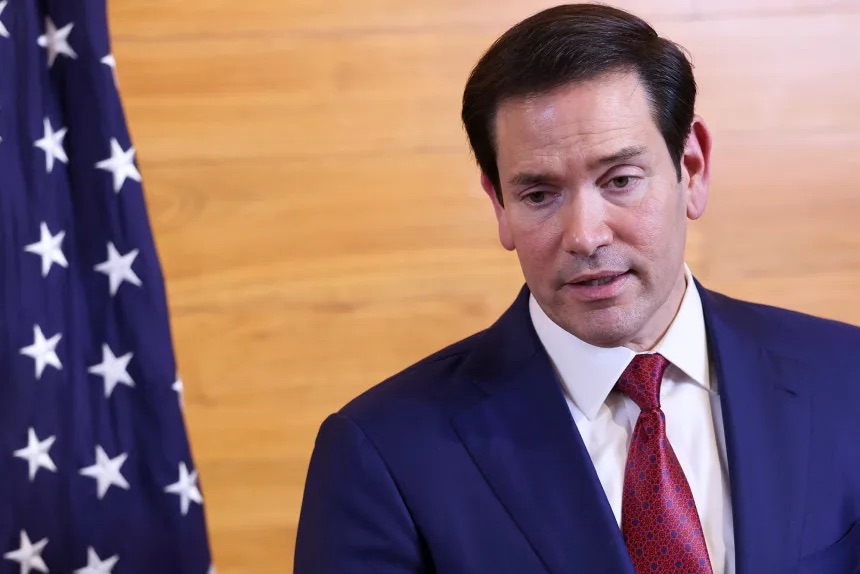
US Secretary of State Marco Rubio described the incident as “highly unusual,” confirming that the speedboat was not part of any US government operation.
“We’re going to find out exactly what happened here and then we’ll respond accordingly,” Rubio said during an official visit to Saint Kitts and Nevis.
He said the US Embassy in Havana, the Department of Homeland Security and the Coast Guard were investigating.
Florida officials, including Attorney General James Uthmeier and Republican lawmakers Carlos Giménez and Rick Scott, called for accountability and a full inquiry into the use of lethal force against individuals aboard a US-registered vessel.
A Fraught Political Moment
The shooting comes amid rising tensions between Havana and Washington.
The administration of President Donald Trump has tightened economic pressure on Cuba, including blocking oil deliveries linked to Venezuela, Havana’s key supplier. The United Nations has warned that Cuba’s economy is facing one of its most severe crises in decades.
Earlier this month, Trump extended a Clinton-era emergency measure enacted after Cuba’s 1996 downing of aircraft belonging to Brothers to the Rescue, a Cuban-American humanitarian group. That measure allows US authorities to board vessels suspected of heading toward Cuba.
The fatal interception occurred one day after the 30th anniversary of that 1996 shootdown, which killed four people and remains a defining flashpoint in US–Cuba relations.
José Basulto, leader of Brothers to the Rescue and a survivor of the 1996 incident, said he did not know the men allegedly involved in Wednesday’s confrontation.
A History of Maritime Confrontations
Cuban authorities say they intercepted 13 US speedboats in 2022, accusing their crews of human trafficking operations involving migrants attempting to reach Florida.
While Havana maintains that Wednesday’s vessel was armed and preparing an attack, independent verification of the sequence of events remains limited.
US officials have stressed the need to establish the facts before drawing conclusions.
What is clear is that the shooting has reopened historical wounds and intensified scrutiny of maritime security, exile activism and cross-border enforcement in one of the Western Hemisphere’s most politically sensitive corridors.
As investigations proceed on both sides of the Florida Straits, the episode underscores how quickly incidents at sea can escalate into diplomatic crises between two governments with a long history of confrontation.