
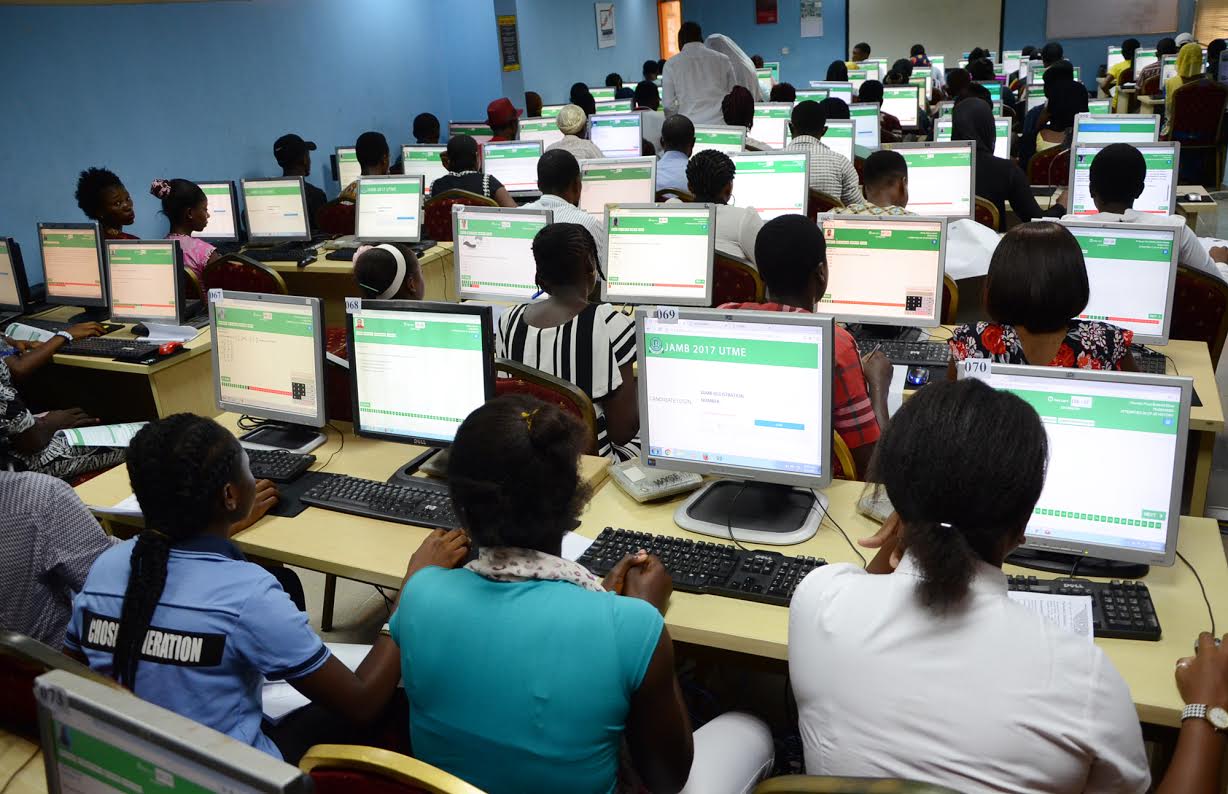

ABUJA, Nigeria — The House of Representatives has directed the West African Examination Council (WAEC) to suspend its planned introduction of computer-based testing for the 2026 Senior Secondary School Certificate Examination, citing widespread infrastructural gaps that could disadvantage millions of students.
The directive was issued on Thursday, November 13, 2025, after lawmakers unanimously adopted a motion of urgent public importance moved by Kelechi Wogu during plenary, which was presided over by Speaker Tajudeen Abbas.
The motion was titled: “Need for Intervention to Avert the Pending Massive Failure of Candidates Intending to Write the 2026 WAEC Examination Using Computer-Based Testing (CBT), Capable of Causing Depression and Deaths of Students.”
Wogu told the chamber that while the shift to digital assessment aligns with global education standards, the reality in Nigerian schools — particularly in rural areas — does not yet support a full CBT rollout.
He noted that WAEC’s examinations determine eligibility for higher education, with most universities, polytechnics, and colleges requiring at least five credits including English and Mathematics.
He warned that the council’s infrastructure readiness remains questionable, citing technical failures experienced during the 2025 result release, which left many candidates distressed.
The lawmaker contrasted WAEC’s examinations with those conducted by the Joint Admissions and Matriculation Board, emphasising that WAEC candidates must sit for no fewer than nine subjects, covering practical, theory, and objective components.
According to Wogu, accelerating the transition could result in large-scale failure, frustration, depression, and even contribute to social vices among young people.
“This is not an exam you can rush,” he argued, urging WAEC to allow schools and state governments more time to prepare.
He recommended a minimum three-year preparation window, proposing that the policy be postponed until the 2029–2030 academic session to ensure adequate provision of facilities and trained personnel.
Lawmakers agreed, resolving that the transition should be delayed while the House engages stakeholders.
The chamber mandated its committees on basic examination bodies, digital and information technology, basic education and services, and labour and productivity to consult with the federal ministry of education, WAEC, school proprietors, ICT experts, and teachers’ unions.
The committees are to report back within four weeks.
WAEC, backed by the federal government, had announced plans to implement CBT for the May/June 2026 examination, following partial adoption of the system for private candidates in 2024.