

LONDON, United Kingdom — Israel has warned it will intensify military operations against Iran following continued missile exchanges, as Donald Trump said the United States would delay planned strikes on Iranian energy infrastructure.
Israel’s defence minister said the decision to escalate attacks was in response to repeated waves of Iranian missile fire.
Iranian authorities reported fresh strikes overnight in multiple cities, while the Iranian Red Crescent said the death toll in the country had reached nearly 2,000.
US Pauses Energy Site Strikes
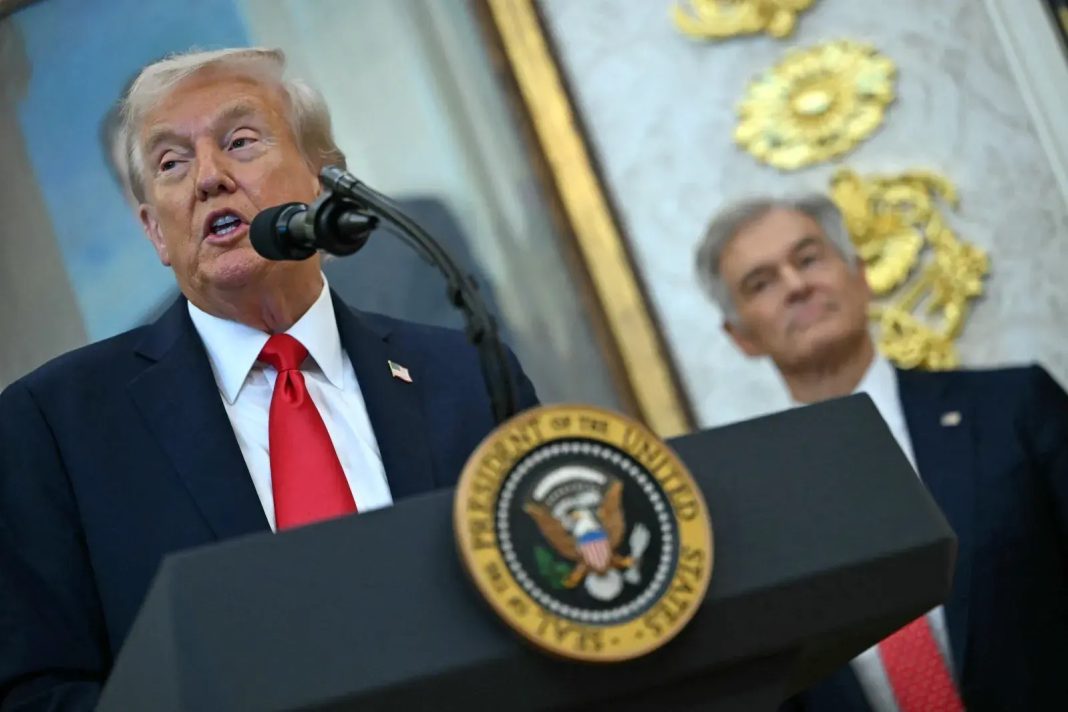
Mr Trump said Washington would hold off on targeting Iranian energy facilities for 10 days, extending a previous deadline as diplomatic efforts continue.
“As per Iranian Government request, please let this statement serve to represent that I am pausing the period of Energy Plant destruction by 10 Days to Monday, April 6, 2026, at 8 P.M., Eastern Time,” Mr Trump said in a social media post.
“Talks are ongoing and, despite erroneous statements to the contrary by the Fake News Media, and others, they are going very well.”
He later said, “I gave them a 10-day period, they asked for seven,” and added, “In a certain sense, we have already won.”
Ongoing Strikes and Retaliation
Israeli strikes were reported in several locations, including areas around Isfahan, which houses a major airbase and other military installations.
Israel also said it had targeted senior Iranian military figures, including Alireza Tangsiri, a commander in Iran’s Revolutionary Guards.
Iran has denied claims that it is seeking a deal and has continued retaliatory missile attacks across the region.
Explosions were reported in Tel Aviv, Modi’in and Jerusalem as air defence systems intercepted incoming projectiles.
Tensions Around Strategic Waterway
The conflict has also affected shipping through the Strait of Hormuz, a key global energy route.
Iranian Revolutionary Guards were reported to have turned away three vessels attempting to pass through the strait.
Mr Trump said earlier that Iran had allowed several oil tankers to transit the route, describing the move as a gesture during ongoing negotiations.
Diplomatic Efforts and Disputes
The United States has presented a framework for a potential agreement through intermediaries, while Iran has criticised the proposal.
Iran’s foreign minister, Abbas Araghchi, accused Washington of inconsistency in its approach.
“The US backed Israel’s Gaza blockade … yet condemns Iran for defending itself in the Strait of Hormuz. Double standard: Israel’s crimes are OK while Iran’s defense against aggressors is condemned,” he wrote on social media.
Iranian officials have called for an end to attacks by the United States and Israel, as well as respect for Iran’s control over the Strait of Hormuz.
Global Impact and Escalation Risks
The conflict has disrupted global energy markets and triggered protests in countries affected by rising fuel prices.
In the Philippines, demonstrations were reported after authorities declared a state of emergency linked to the energy crisis.
The fighting, now approaching a month, has involved multiple countries across the region.
Thousands of United States troops have been deployed, raising concerns about further escalation, including the possibility of ground operations targeting key Iranian facilities.
Iran has warned that any such move would be a serious mistake, as the conflict continues with no immediate resolution in sight.