
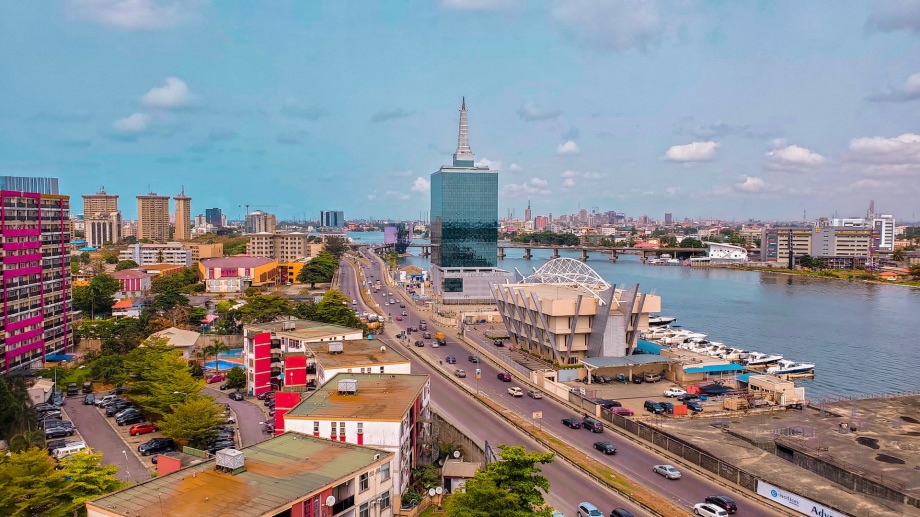

LAGOS, Nigeria — Lagos has emerged as one of Africa’s most expensive rental markets, ranking fourth among major cities on the continent as surging housing costs place increasing financial strain on urban residents.
The ranking, contained in a report titled “Average Rent of Two-Bedroom Apartments Across Africa’s Major Cities” by Fortren & Company, places Lagos behind Abidjan, Cape Town and Accra, reflecting a broader rise in rental costs across Africa’s leading urban centres.
Other cities listed among the top 10 include Douala, Nairobi, Kigali, Dar es Salaam, Cairo and Casablanca, underscoring a continent-wide surge in housing demand.
Rising Costs in Prime Neighbourhoods
According to the report, a luxury two-bedroom apartment in Lagos’ prime districts now averages about $19,379 annually, roughly ₦26.8 million.
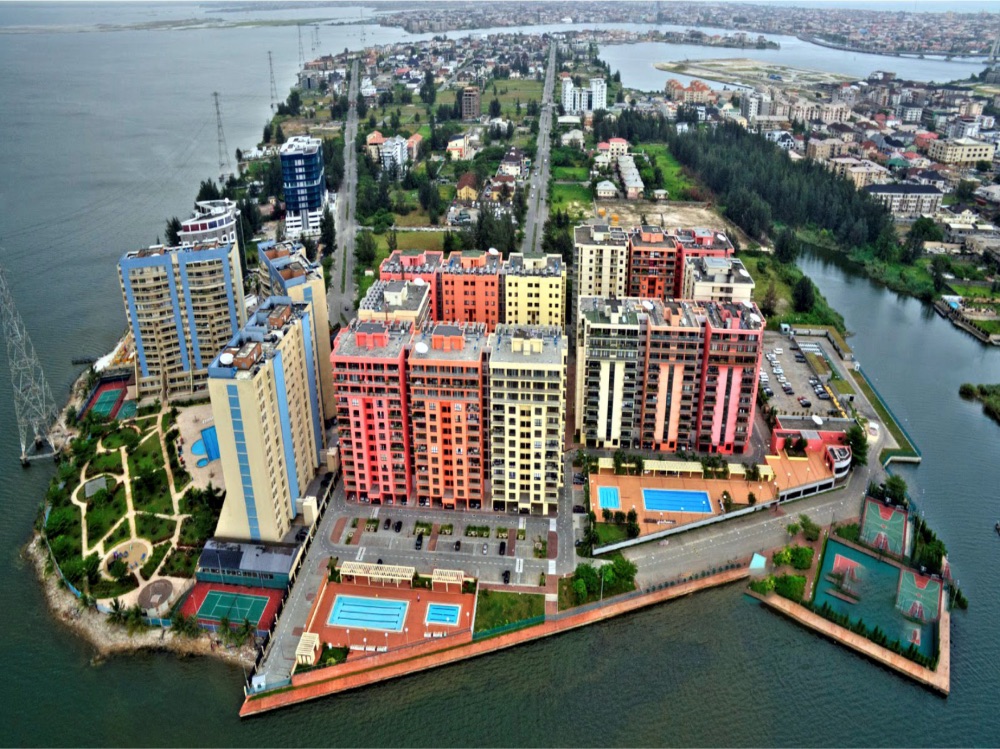
High-end areas such as Ikoyi, Banana Island and Victoria Island continue to command premium rents, driven by limited land availability and sustained demand from affluent and expatriate tenants.
Some ultra-luxury apartments in Ikoyi can reach as high as $130,000 per year, according to Martin Uche, research director at Fortren & Company.
Affordability Crisis Deepens
Despite its ranking, analysts say Lagos is facing a worsening affordability crisis, with rental prices rising sharply in recent years.
Chudi Ubosi, a real estate expert, said rents have surged between 50 and 200 percent over the past two years, pushing the income-to-rent ratio to nearly 70 percent.
That figure far exceeds the United Nations recommended affordability benchmark of 30 percent.
The widening gap between income levels and housing costs is placing severe pressure on households, particularly in a city where wages have not kept pace with inflation.
Demand Outpaces Supply
The surge in rental demand is being driven in part by barriers to homeownership. High borrowing costs, inflation and rising prices of building materials have made property ownership increasingly out of reach for many Nigerians.
As a result, more residents are turning to renting, intensifying competition for available units and enabling landlords to raise prices.
Analysts say this dynamic has created what they describe as a rental boom, characterised by steep increases and declining affordability.
The pressure is increasingly pushing residents out of central urban areas into the outskirts of Lagos, where housing remains relatively cheaper but demand is rising rapidly.
In some suburban locations, two-bedroom apartments now cost between ₦1.5 million and ₦2.5 million annually, reflecting the spillover effect from the city’s high-end rental market.
Structural Challenges in Rental Market
The report highlights several structural issues contributing to rising costs, including limited land supply, currency depreciation, speculative investment and high construction costs.
It also points to the prevalence of dollar-denominated rents in luxury segments, which concentrates pricing at levels accessible only to a narrow segment of the population.
Another major challenge is the widespread requirement for advance rent payments. In Nigeria and several other African countries, landlords often demand one to two years’ rent upfront, placing additional financial strain on tenants.
Mr Uche said such practices reflect low trust levels in the rental market, with landlords seeking to secure income and reduce risk.
A Continental Trend
The report notes that similar pressures are evident in other African cities. In Cape Town, rents have risen by more than 68 percent since 2014, driven by migration and the expansion of short-term rental markets linked to tourism.
In Accra, increasing demand from multinational companies, diplomats and expatriates has pushed rents higher, particularly in prime residential districts where supply remains limited.
Experts warn that without targeted policy measures to increase housing supply and improve access to financing, Nigeria’s rental crisis is likely to deepen.
For now, Lagos stands as a stark example of a rapidly expanding city where demand for housing continues to outstrip supply, leaving many residents struggling to afford a place to live.