
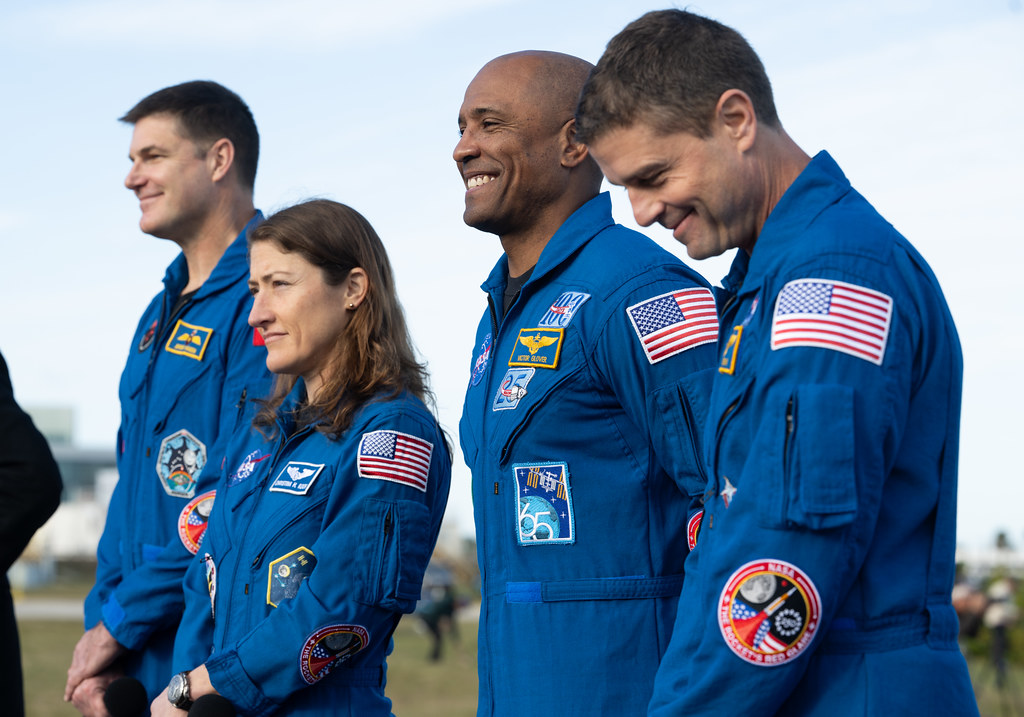

CAPE CANAVERAL, United States — Four astronauts aboard Artemis II have begun a mission that will take humans farther from Earth than ever before, marking the first crewed journey to the vicinity of the Moon in more than 50 years.
The spacecraft lifted off on Wednesday evening, April 1, 2026, from Kennedy Space Center in Florida, embarking on a 10-day flight that will test systems for future lunar exploration.
The crew includes three NASA astronauts — Reid Wiseman, Victor Glover and Christina Koch — alongside Jeremy Hansen of the Canadian Space Agency.
The Artemis II astronauts placed a micro SD card carrying the names of 5.6 million people (who submitted them online between last September and March 27) inside Rise, their zero-gravity indicator, earlier today
🌎🌕🙂 pic.twitter.com/i9vQyROm6B
— Rich Par (@AstroPnoy) March 30, 2026
The mission is expected to travel beyond the distance reached during the Apollo era, pushing human spaceflight deeper into space than any previous mission.
Following launch, the astronauts carried out initial system checks and prepared for rest aboard the Orion spacecraft.
Before going to sleep, Koch checked with mission control about the spacecraft’s toilet system, which had earlier presented an issue. Mission control confirmed it was functioning normally.
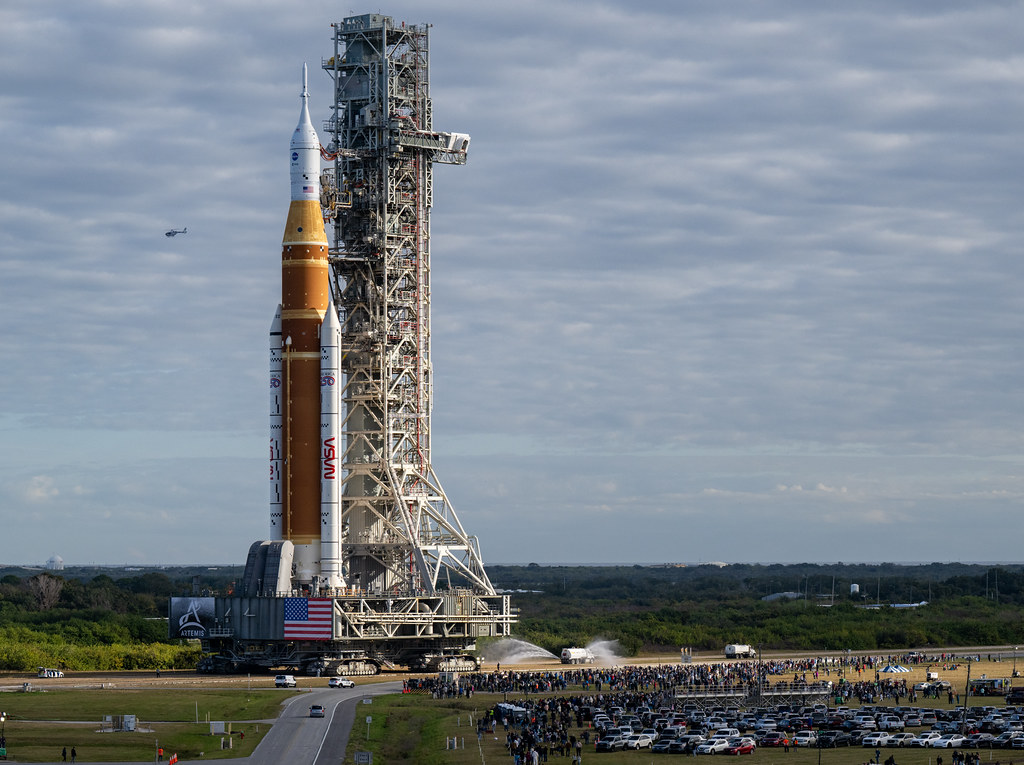
“Thanks for an awesome first day, we are climbing into our sleeping bags,” she said.
The crew is scheduled to rest in two intervals of approximately four hours each before resuming operations.
On the second day, the astronauts are expected to perform a translunar injection burn, a critical manoeuvre that will propel the spacecraft out of Earth’s orbit and onto a path toward the Moon.
The burn will mark the final major engine firing of the mission and begin a four-day journey to lunar proximity.
Crew members will also begin daily exercise routines designed to maintain muscle and bone strength in microgravity.
The spacecraft is expected to reach the Moon around the sixth day of the mission, when it will conduct a flyby of the far side at a distance of about 4,112 miles above the lunar surface.
After the flyby, the crew will begin the return journey to Earth, conducting additional tests before a planned splashdown off the coast of California on the tenth day.
The mission represents a major step in NASA’s efforts to return astronauts to deep space and eventually to the lunar surface.
By travelling farther than any human mission before it, Artemis II is expected to expand the boundaries of human space exploration and provide critical data for future missions beyond the Moon.