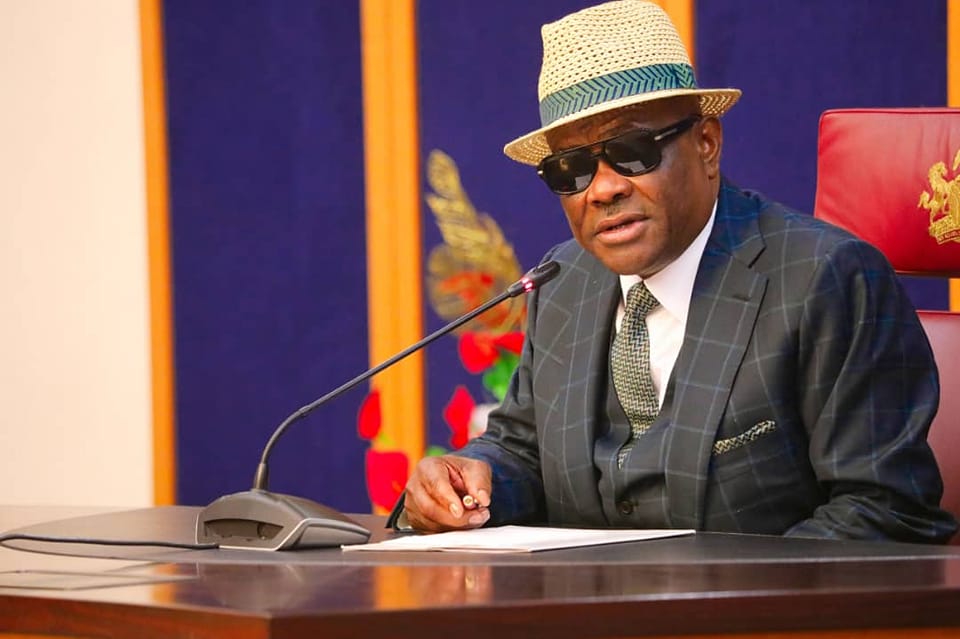

ABUJA, Nigeria – Lere Olayinka, a media aide to Nyesom Wike, minister of the federal capital territory, has dismissed the Peoples Democratic Party’s national convention in Ibadan as inconsequential, describing the gathering as a “social party” and accusing its organisers of seeking only entertainment rather than political purpose.
His remarks came hours after the PDP announced that it had expelled Wike and ten other members at the convention held over the weekend, citing activities considered harmful to the party.
Among those removed were Samuel Anyanwu, the suspended national secretary, and Ayo Fayose, former governor of Ekiti.
In a statement issued on Saturday, November 15, 2025, Olayinka derided the event and those presiding over it, saying they were merely looking to begin festive celebrations ahead of schedule.
“They went to Ibadan to start dirty December in November,” he said.
He added that the pronouncements made at the convention were of no consequence to the faction aligned with Wike.
“When people decided to start their own dirty December in November, one can’t but ignore whatever comes out of their mouths. They are free to say anything,” he said.
The comments follow months of legal and political tension between the faction loyal to Wike and the group that convened the Ibadan meeting.
The Wike-led bloc had sought to halt the convention through a series of court applications, arguing that the meeting violated internal procedures and existing legal orders.
The PDP, however, secured a high court judgement in Oyo permitting the convention to go ahead.
Saturday’s expulsions marked a significant escalation in the party’s internal crisis, widening the rift between its competing leadership structures.
The decision to remove Wike and other senior figures signalled an attempt by the convention organisers to reassert control ahead of broader efforts to reorganise the party’s national leadership.
While the PDP leadership in Ibadan maintained that the expulsions were necessary to restore discipline, the Wike camp has insisted that the actions carry no legitimacy.
Olayinka reiterated that stance, indicating that neither the minister nor his allies recognised the convention’s decisions.
The dispute adds to the instability that has plagued the PDP in recent years, complicating its attempts to present a united voice in national politics.
As the party confronts the aftermath of the convention, both factions appear determined to push forward with competing visions of its future, leaving questions about whether reconciliation remains possible.