
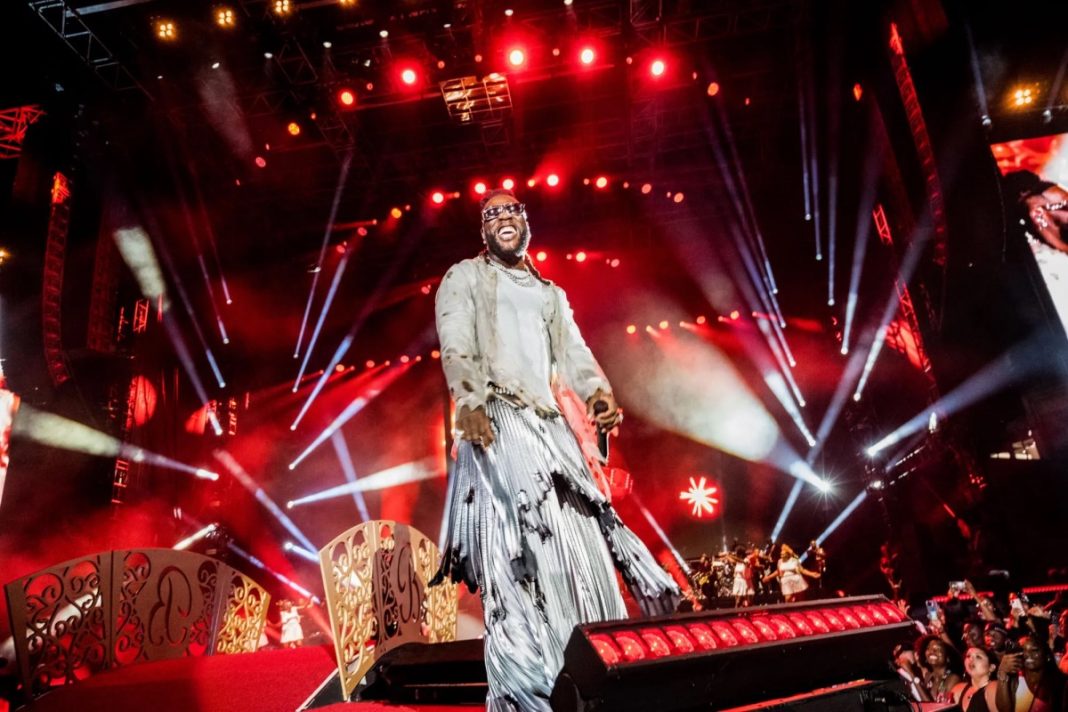

There was a time, not too long ago, when seeing a Nigerian artist sell out a venue in London or New York was a headline-grabbing anomaly. It was a moment for national chest-beating, a rare validation that our sound had crossed the Atlantic.
Today, it’s just another Tuesday.
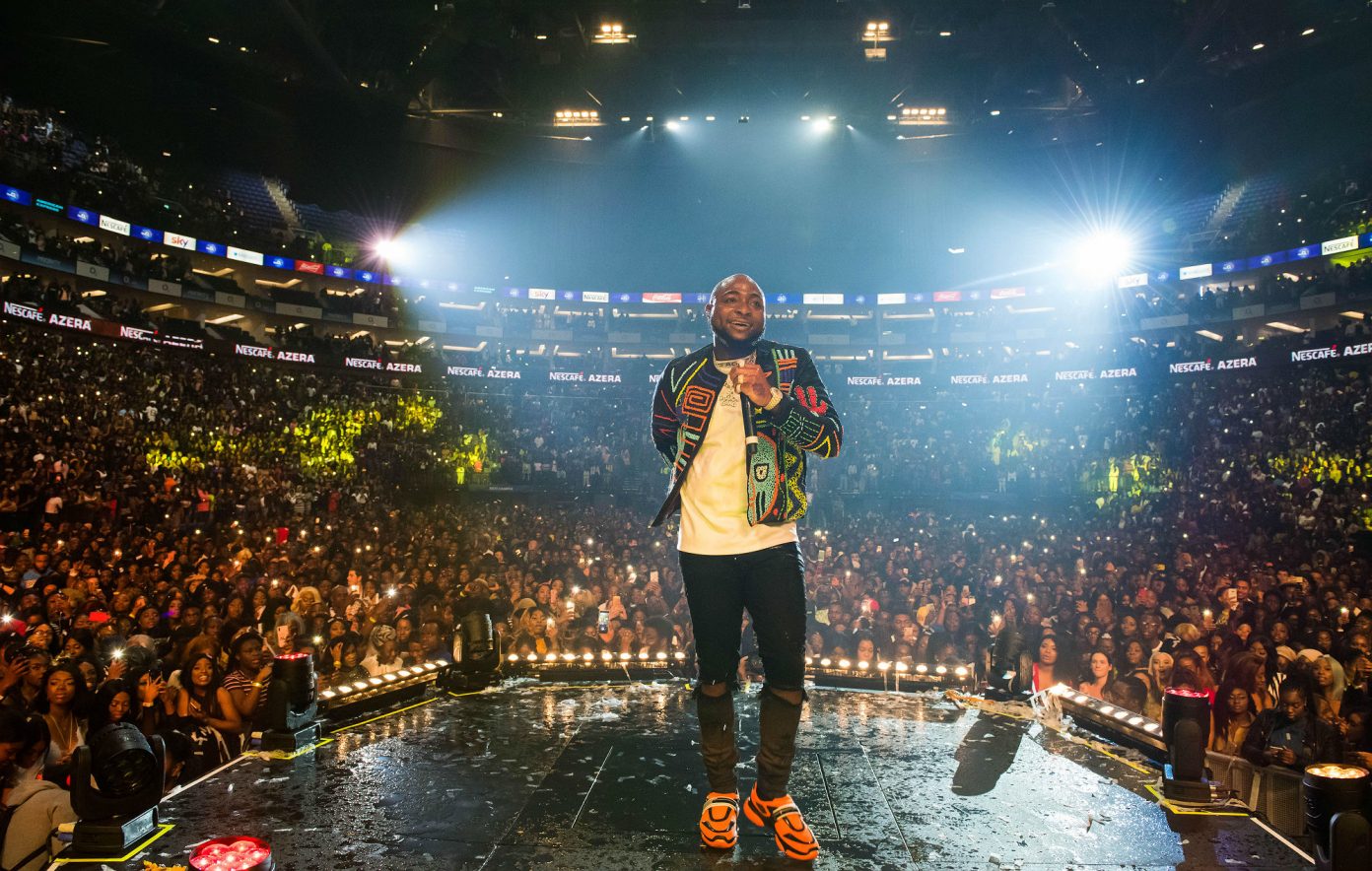
The normalisation of Afrobeats’ global dominance is arguably the greatest cultural export success story of the 21st century. We have moved past the “breakout” phase. We are now firmly in the “imperial” phase. The “Big Three” (and we all know who they are) have effectively become the “Big Titans.” We have Grammy winners, we have Billboard toppers, and we have sold out the O2 Arena so many times that it’s starting to feel like a Lagos extension.
But as the confetti settles from another massive “Detty December” and the industry gears up for the new year, a quiet anxiety is beginning to hum beneath the basslines. The question isn’t whether Afrobeats has arrived – that debate is dead. The question is: exactly how long can we stay at the top, and is the machinery behind the music built to last?
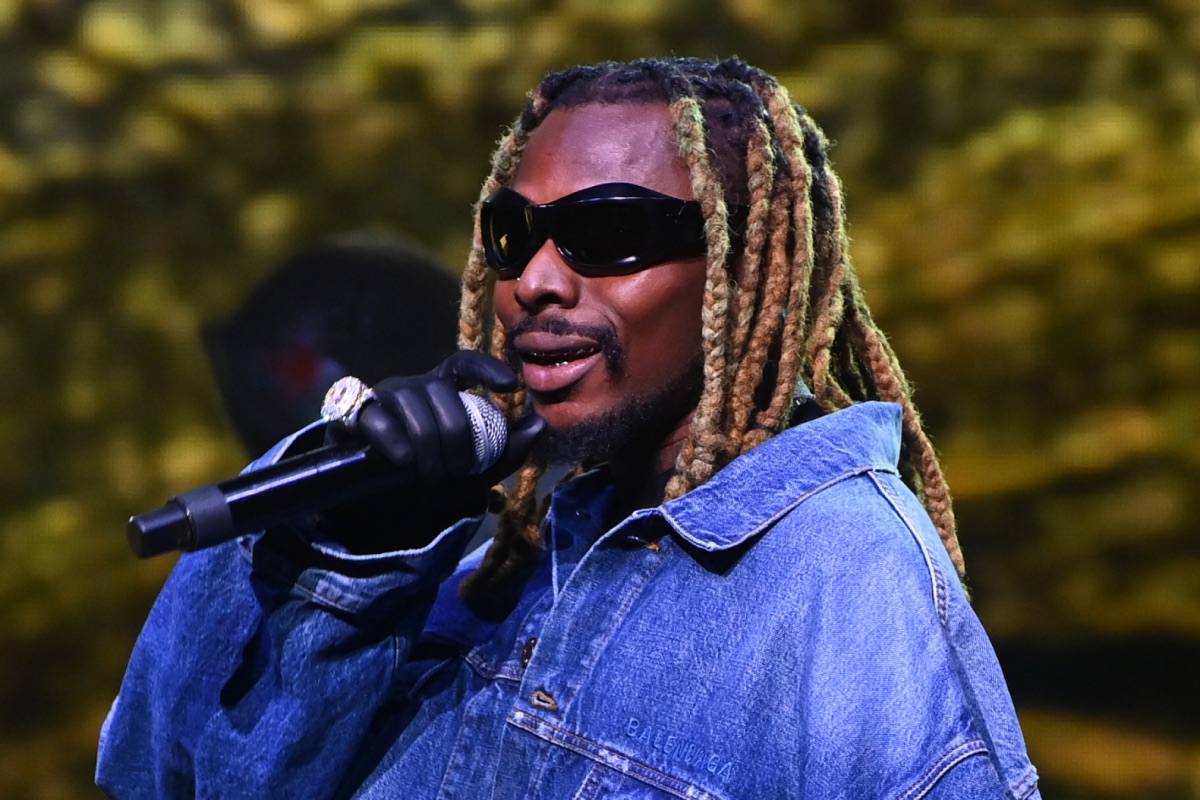
The “TikTokification” of the Sound
If you speak to producers in studios from Surulere to Lekki, they’ll tell you the same thing: the brief has changed.
Five years ago, the goal was to make a great album. Today, the goal is often to create a “moment.” The influence of social media algorithms has fundamentally altered the DNA of the music. We are seeing songs get shorter. Intros are disappearing because the data says listeners skip if they aren’t hooked in the first three seconds.
There is a danger here. We are prioritising the 15-second viral snippet over the artistry of songwriting. We’re churning out content designed to trigger a dopamine hit on a smartphone screen rather than music designed to live in the soul.
It’s a strategy that works – until it doesn’t. When you build a culture on trends, you become a slave to them. And trends, by definition, are disposable. The resilience of Highlife, Juju, and the early Afrobeats pioneers came from a depth of storytelling and instrumentation. If we strip that away in favour of algorithm-friendly loops, we risk becoming a fast-fashion version of ourselves: bright, cheap, and easily discarded when the world moves on to the next shiny thing from Latin America or K-Pop.
The High-Stakes Talent Hunt
This pressure to find the “next big thing” instantly has turned the A&R (Artists and Repertoire) process into a chaotic, high-pressure environment.
Major international labels are now on the ground in Nigeria with chequebooks that would make a bank manager blush. They are desperate to find the next Rema or the next Tems before their competitors do.
In many ways, the modern music business has started to resemble the inner workings of a big-time online casino. Label executives are placing massive wagers on unproven talent, throwing millions of dollars in advance fees and marketing budgets at teenagers who have one viral freestyle on Instagram. Sometimes, they hit the jackpot, and the returns are astronomical. But more often than not, they’re betting on a spin that doesn’t pay out, leaving the artist in debt and the label looking for the next tax write-off. Any sister site website will tell you that betting big on single bets is a losing strategy in the long term, but it’s the strategy we’re seeing in practice all the same.
It’s a volatile way to build an industry. It treats human talent like chips on a roulette table – expendable assets used to chase a quick win rather than investments to be nurtured over a decade.
The Infrastructure Gap
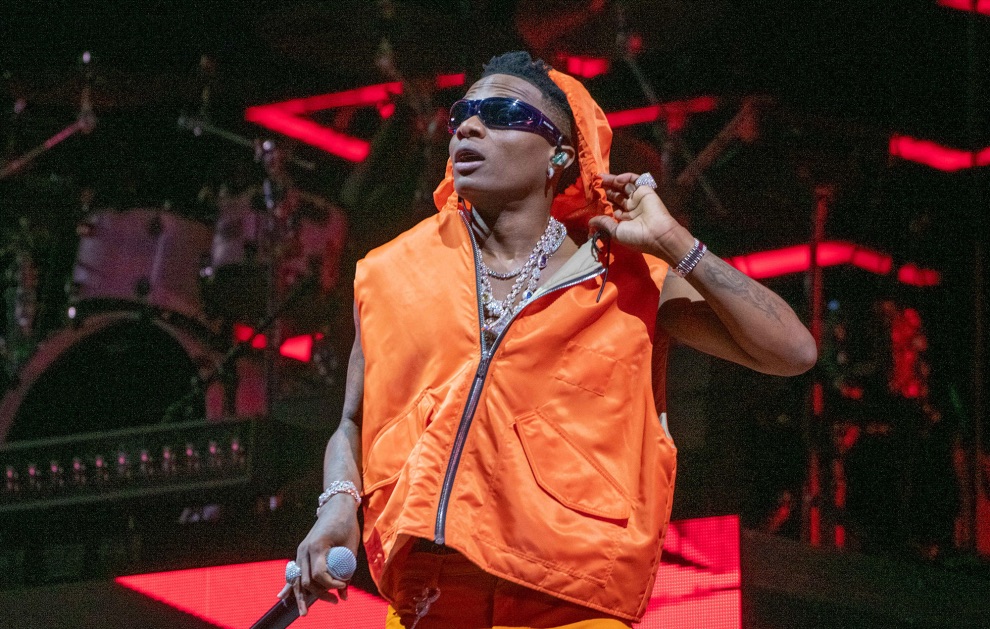
While the world looks at the glamour of the music videos, those of us on the ground know the reality of the infrastructure.
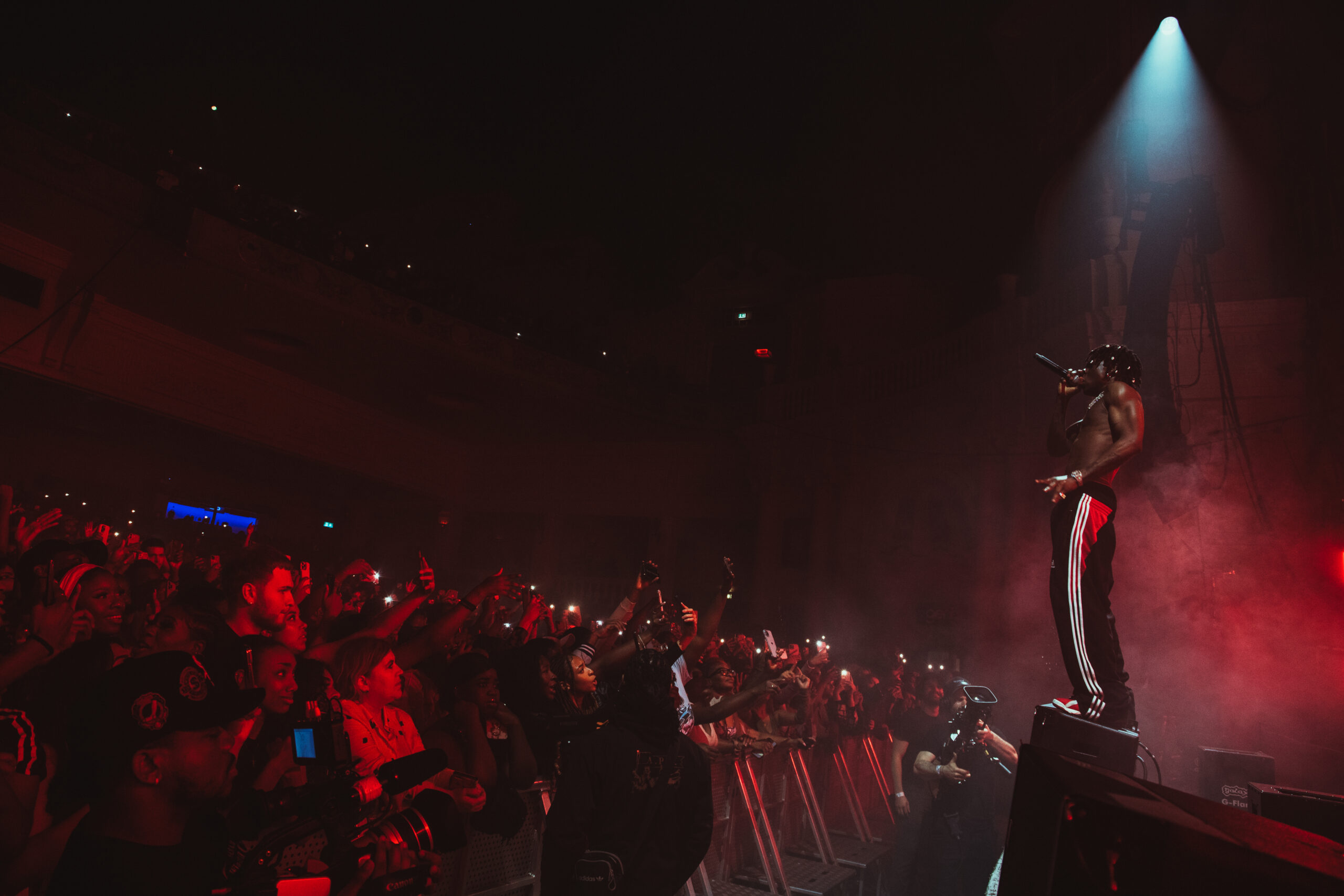
We still lack world-class venues. It is an irony that our biggest stars can sell out 20,000 seats in Amsterdam but struggle to find a venue in Lagos that can handle a production of that magnitude without logistical nightmares.
Furthermore, the royalty collection systems in Nigeria are still playing catch-up. We have artists who are famous but broke because the structures aren’t in place to ensure they get paid when their music is played on the radio or in clubs. We’re feeding the world’s appetite for our culture, but are we actually capturing the value, or are we just exporting the raw materials while the “refining” (the publishing and distribution profits) happens in Los Angeles and London?
The Nollywood Parallel
It’s not just music, of course. We are seeing a similar trajectory in film. The streaming wars between Amazon Prime, Netflix, and Showmax have poured capital into Nollywood. The production values have skyrocketed. The Black Book and similar blockbusters proved we can do action and glossy thrillers.
But the storytelling challenge remains. Are we telling Nigerian stories, or are we telling Western stories with Nigerian faces to satisfy a global algorithm? There is a fine line between “global appeal” and “losing your identity.” The magic of our creative sector has always been its raw, unfiltered Nigerian-ness. If we polish it too much to suit a suburban audience in Ohio, we risk sanding off the very edges that made it interesting in the first place.
The Burden on the Youth
Perhaps the most pressing issue is the psychological weight we are placing on the next generation.
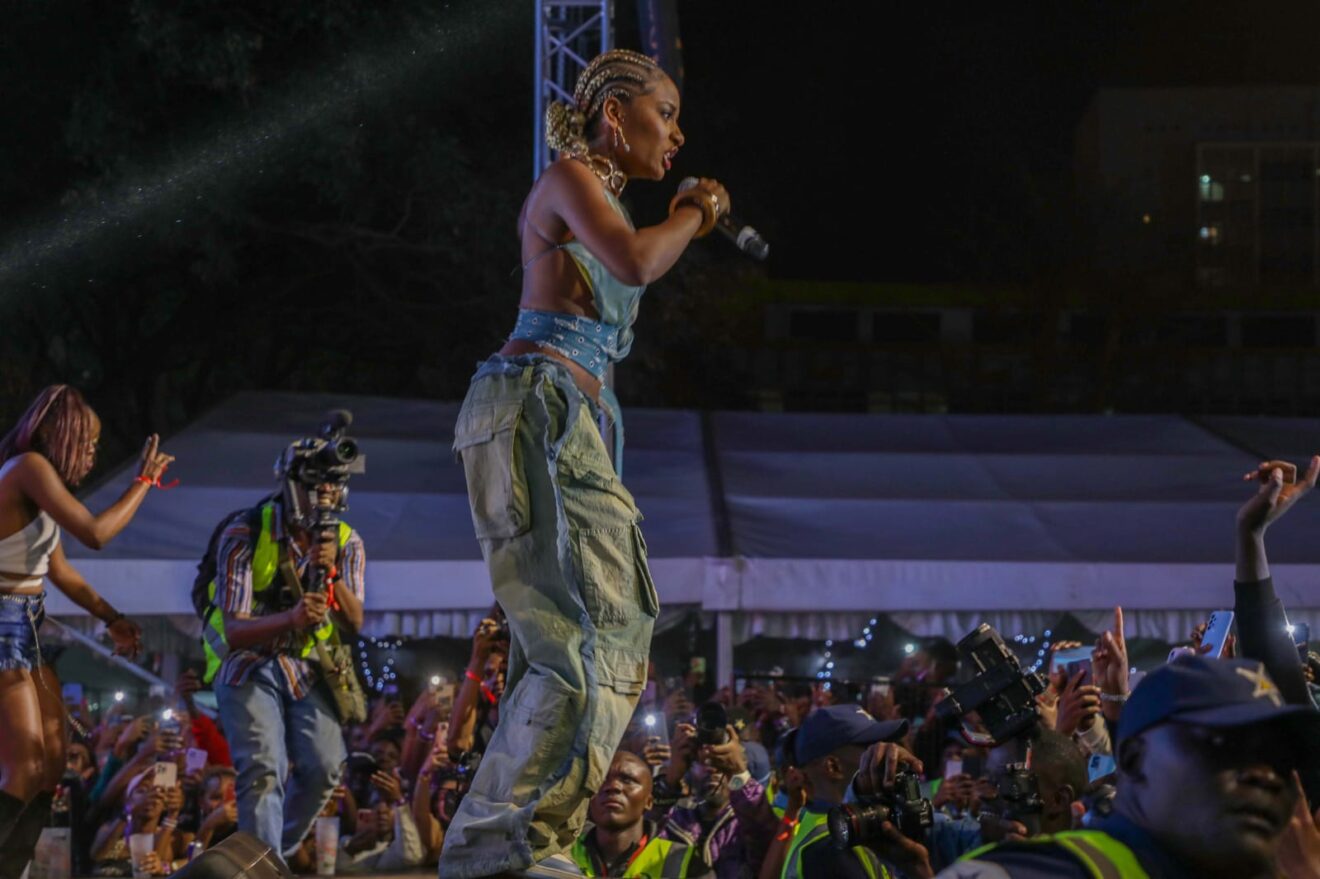
Imagine being a 21-year-old artist in 2026. The bar isn’t just “get a hit song in Lagos.” The bar is “win a Grammy and collaborate with Drake.” The expectations are crushing.
We are seeing burnout rates skyrocket. We’re seeing young stars struggle with the immense pressure of being cultural ambassadors for a nation of 200 million people before they’ve even figured out who they are as individuals.
The Need to Stay Positive
Despite the challenges, it’s impossible not to be optimistic. The talent pool in Nigeria is not just deep; it’s an ocean. Every day, a new voice emerges from the underground that stops you in your tracks.
The creativity is undeniable. The hustle is unmatched.
But as we move deeper into this decade, we need to shift our focus from “domination” to “sustainability.” We need to build the venues. We need to fix the copyright laws. We need to mentor the young artists rather than just exploiting their viral moments.
The world is listening. We have the stage. Now we need to make sure we have something to say that will last longer than a 15-second scroll.