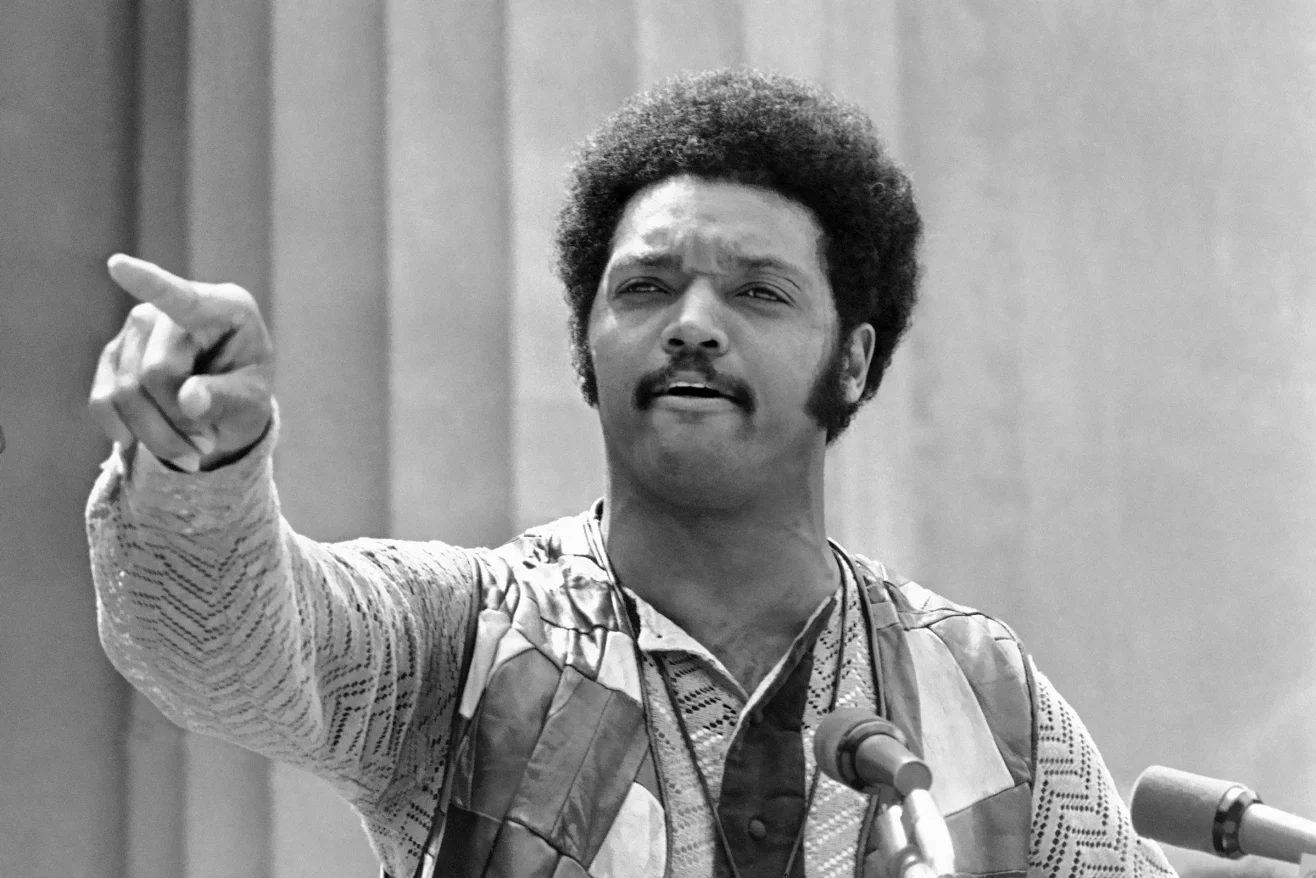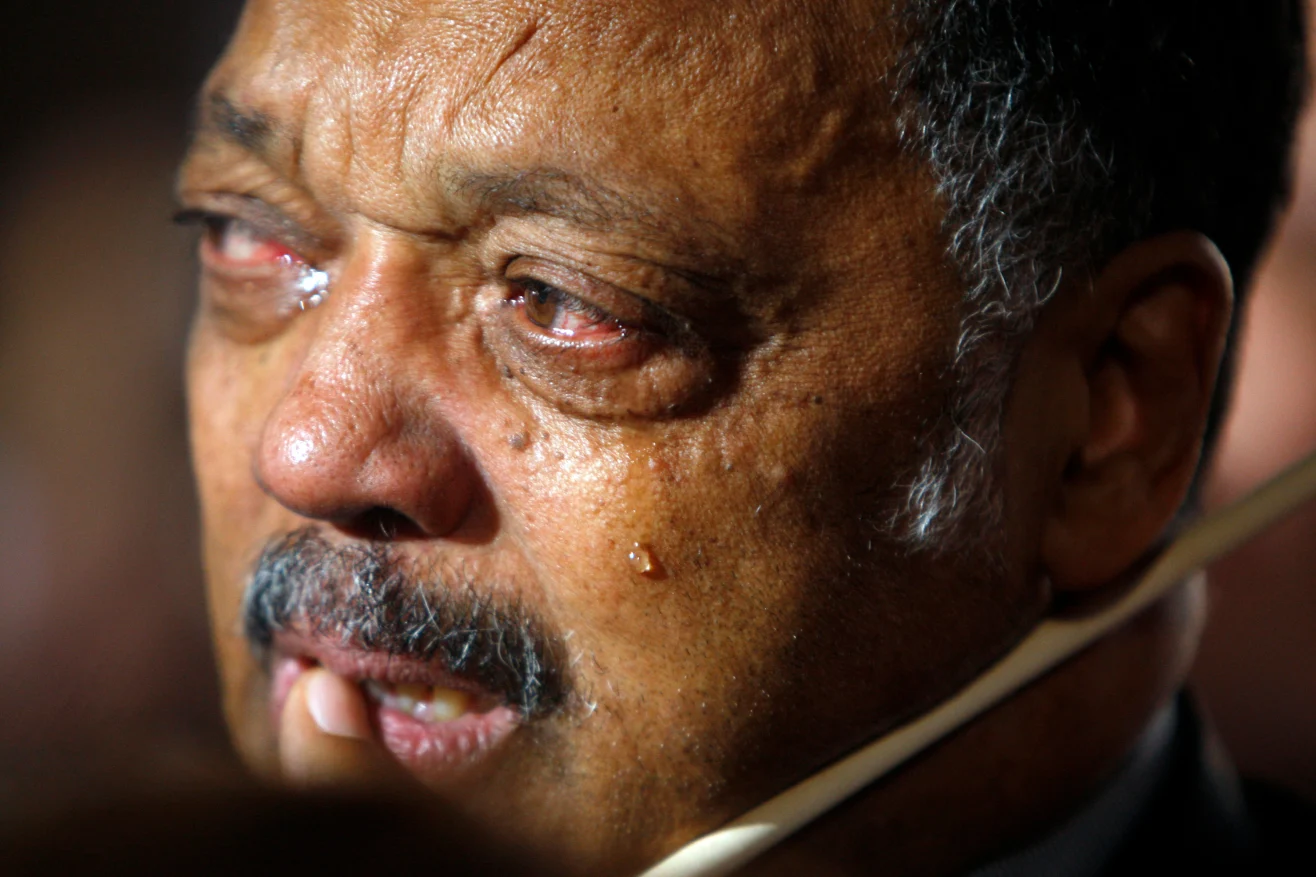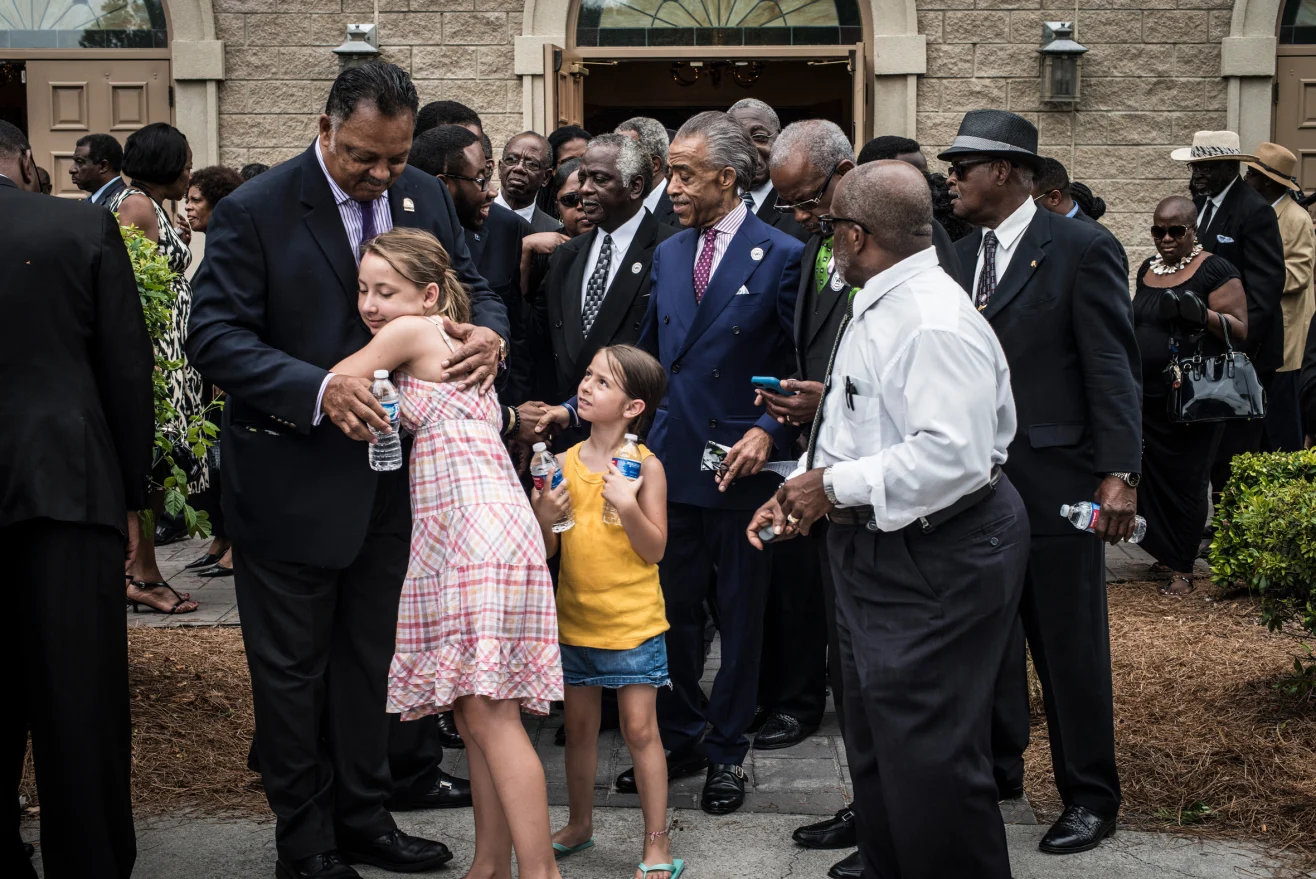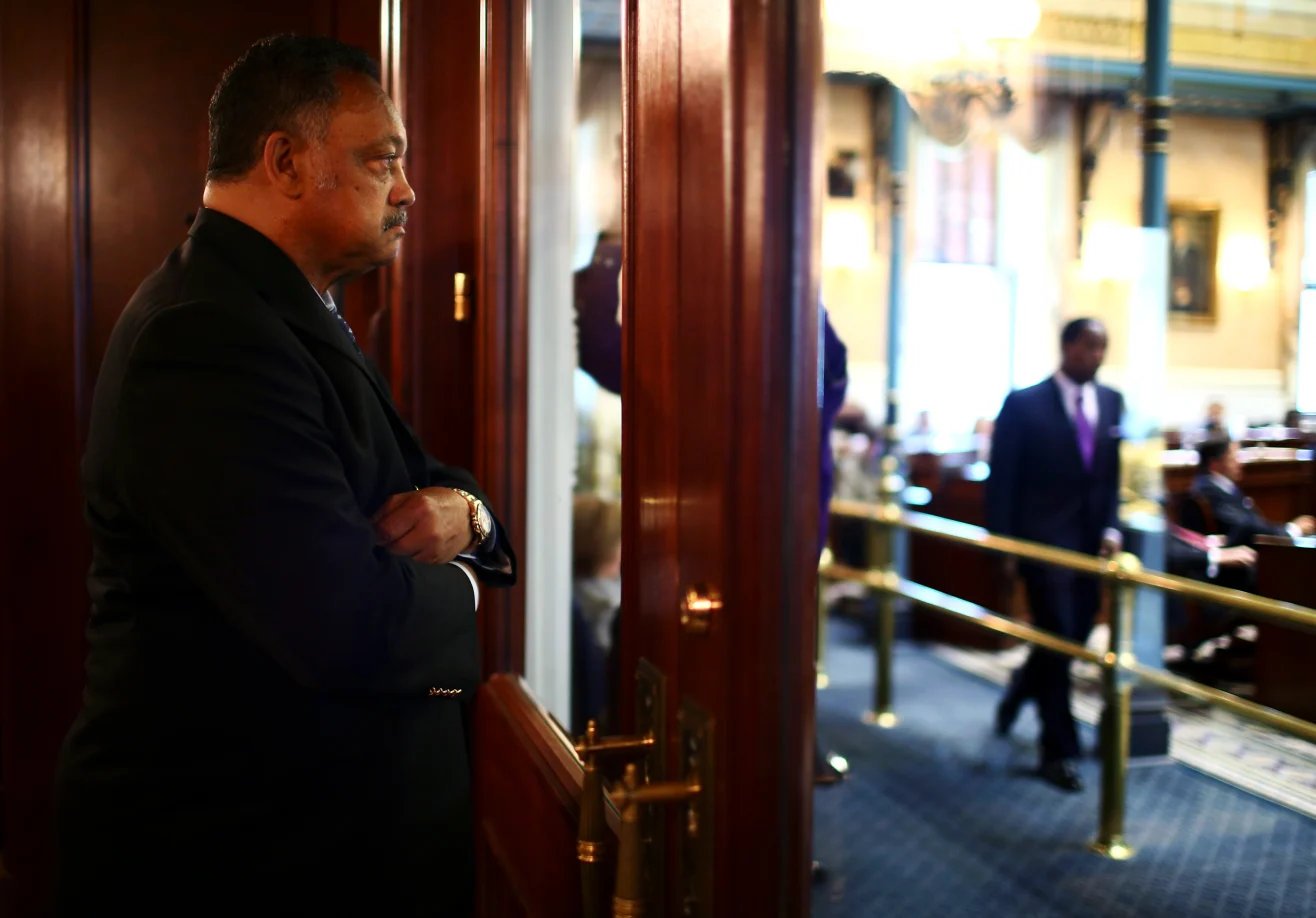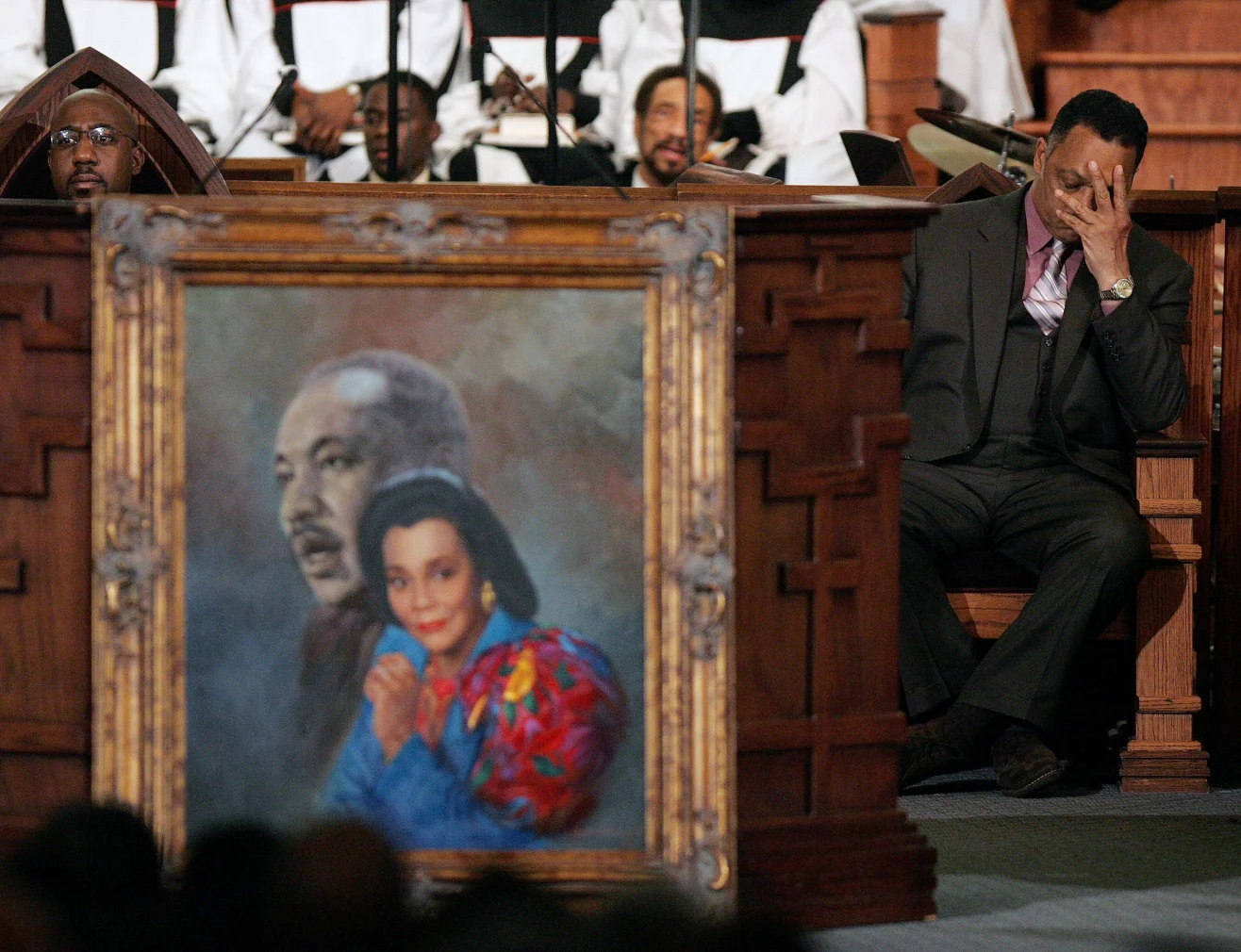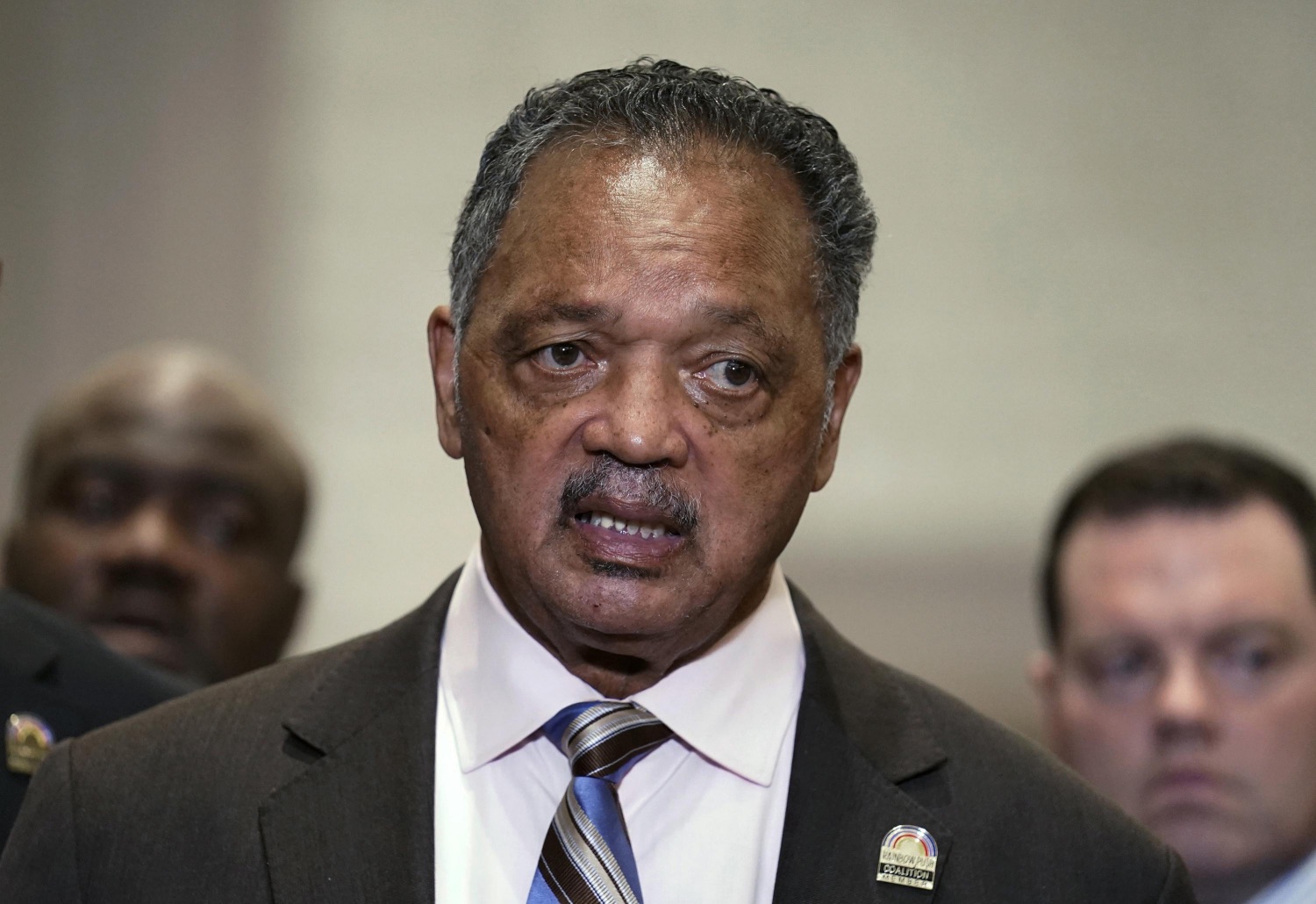

CHICAGO, United States — The Rev Jesse Jackson, a civil rights campaigner who became a national political figure and mounted two bids for the Democratic presidential nomination, has died, his family said on Monday, February 16, 2026. He was 84.
“Our father was a servant leader – not only to our family, but to the oppressed, the voiceless, and the overlooked around the world,” the Jackson family said in a statement.
“We shared him with the world, and in return, the world became part of our extended family. His unwavering belief in justice, equality, and love uplifted millions, and we ask you to honour his memory by continuing the fight for the values he lived by.”
No cause of death was given.
Jackson had progressive supranuclear palsy for more than a decade, and had originally been diagnosed with Parkinson’s disease, according to the account. He was also twice hospitalised with Covid in recent years.
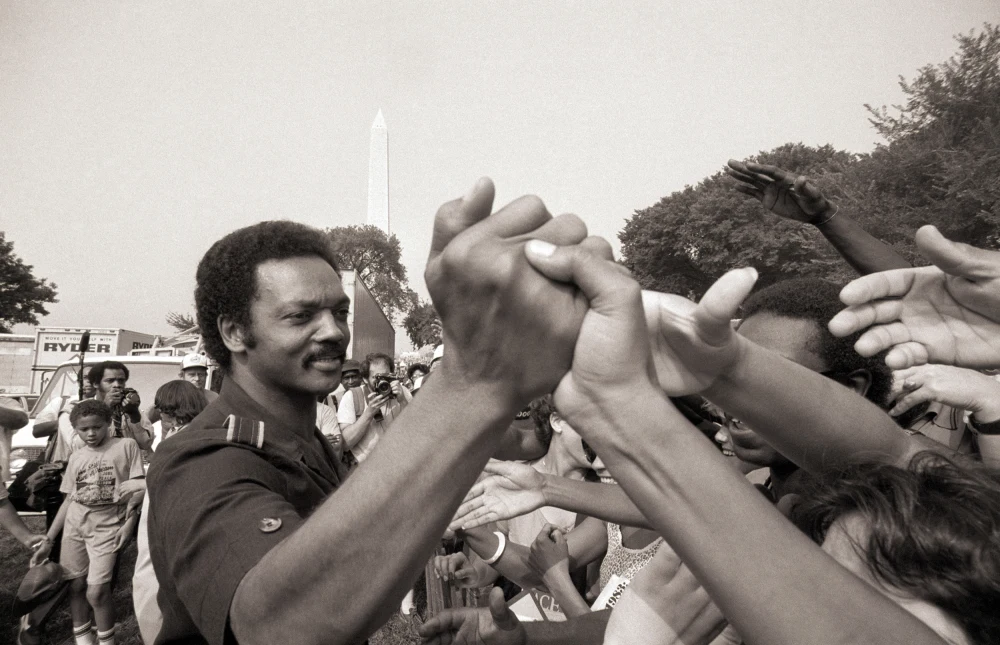
Civil Rights Organising and Work With Dr King
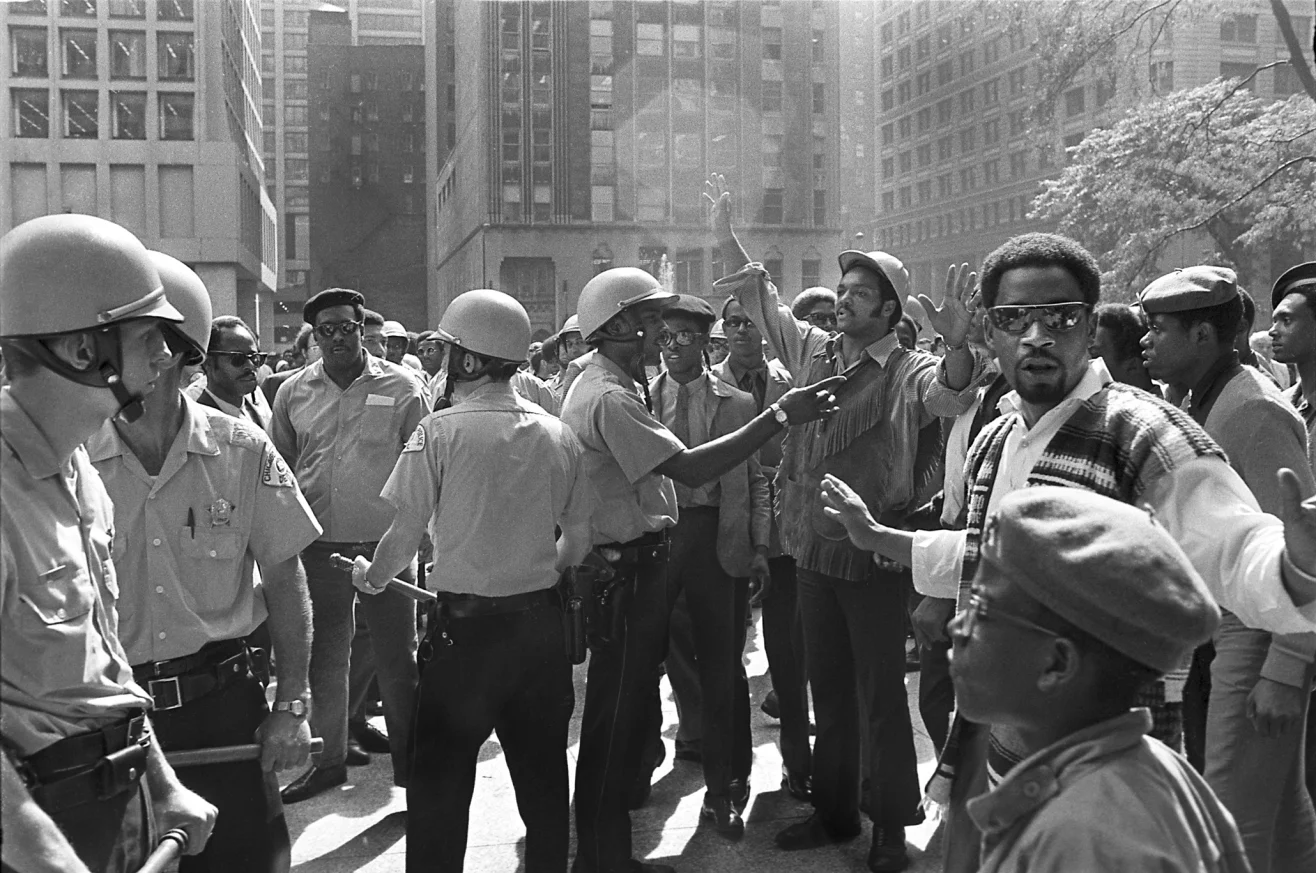
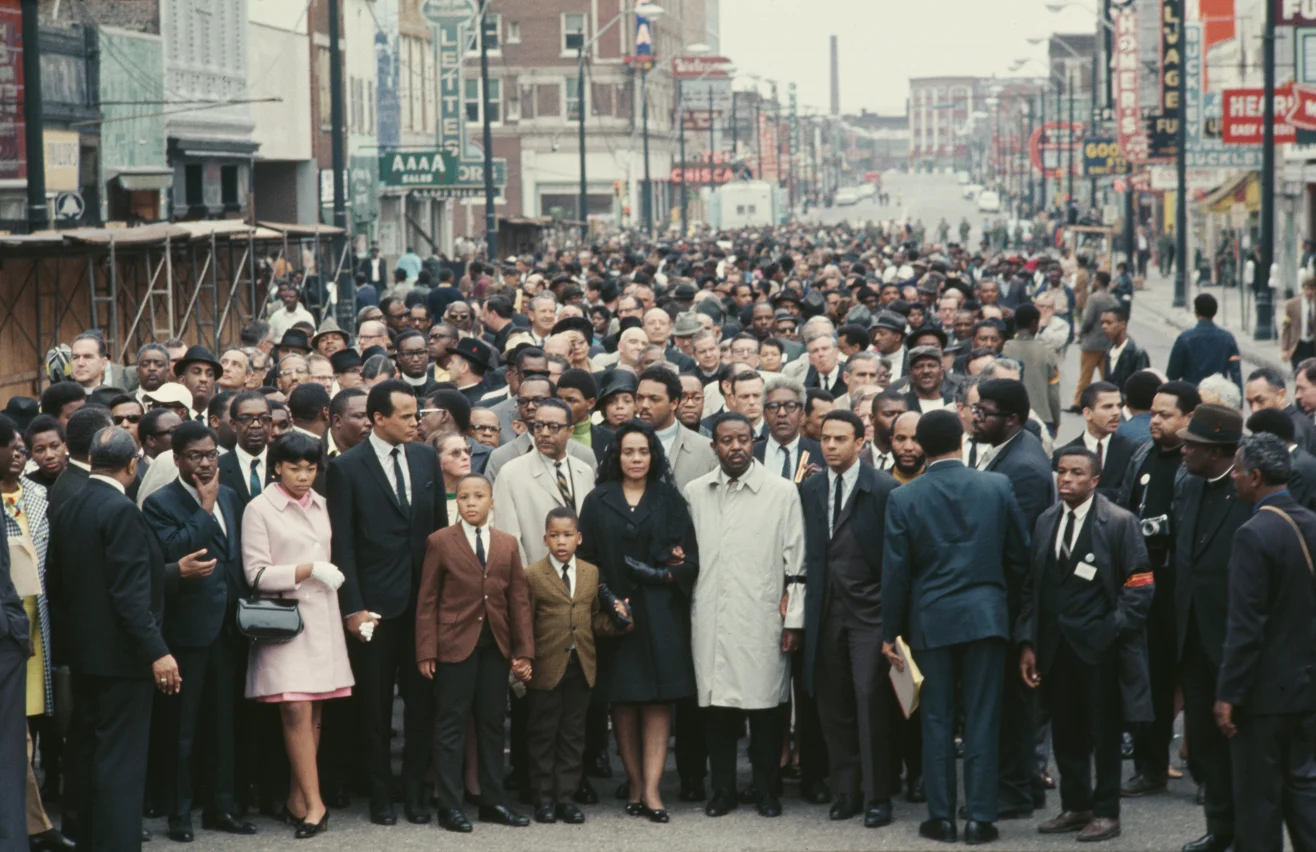
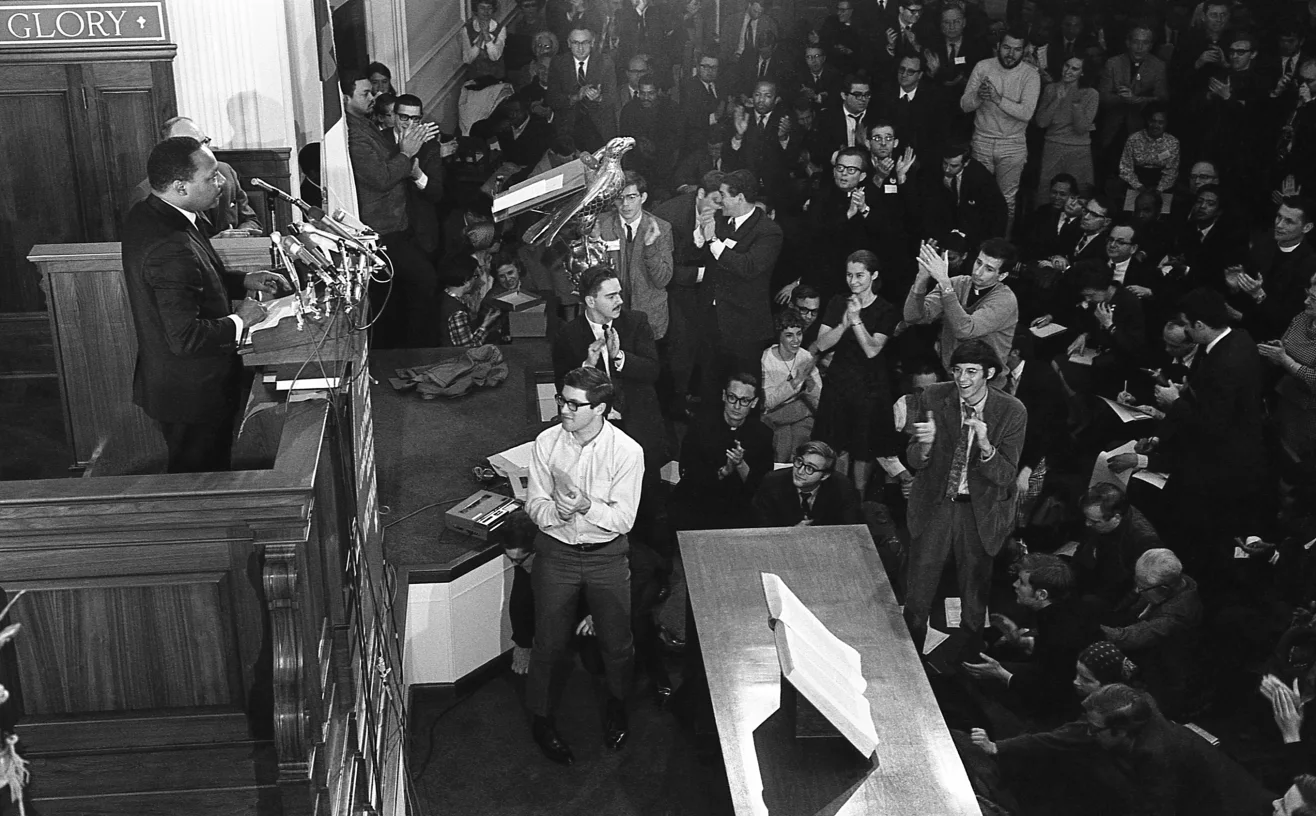
A prominent presence in civil rights activism and Democratic politics since the 1960s, Jackson was once close to Dr Martin Luther King Jr, the account said.
Jackson enrolled at the Chicago Theological Seminary in 1964 while continuing civil rights work. After watching news footage of Bloody Sunday in Selma, Alabama, he travelled there with classmates to join the movement.
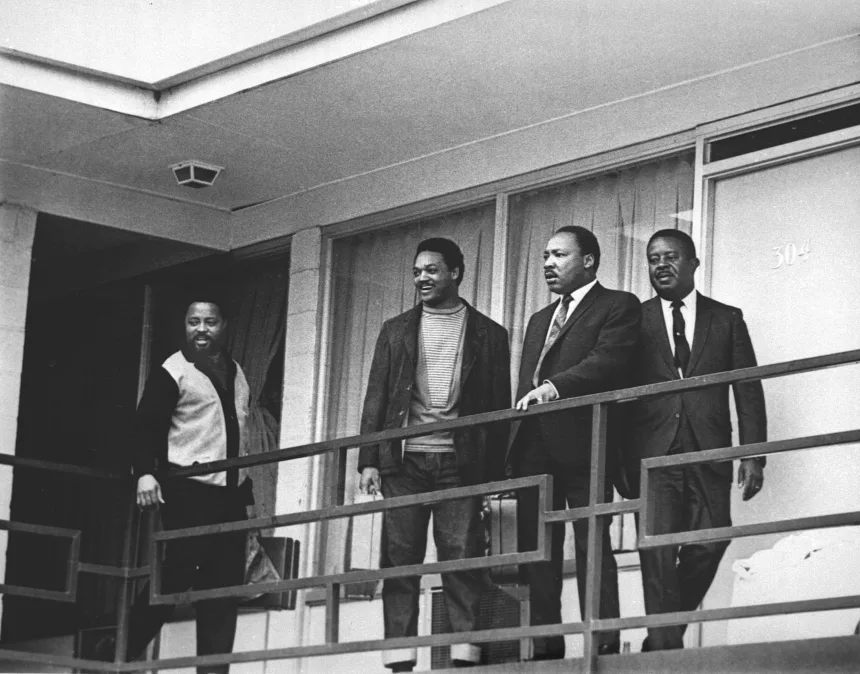
King later offered Jackson a position with the Southern Christian Leadership Conference, the organisation King co-founded, after Jackson’s leadership in Selma, the account said.
Jackson later focused on the SCLC’s Operation Breadbasket, described as an economic justice programme that called on ministers to pressure companies to employ more Black people through negotiations and boycotts.
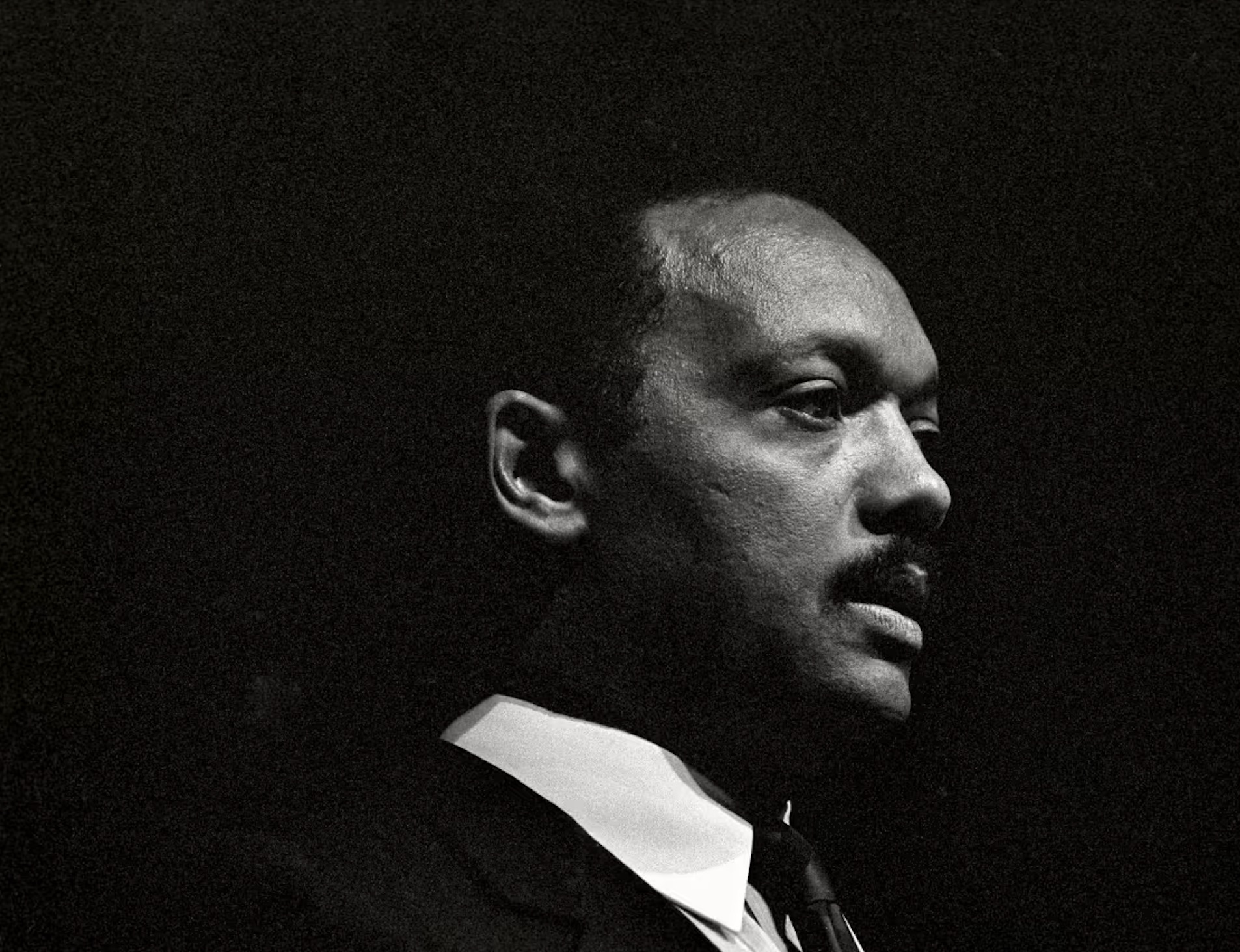
In 1967, he became the programme’s national director, and he was ordained a minister a year later.
“We knew he was going to do a good job,” King said at an Operation Breadbasket meeting in 1968, “but he’s done better than a good job.”
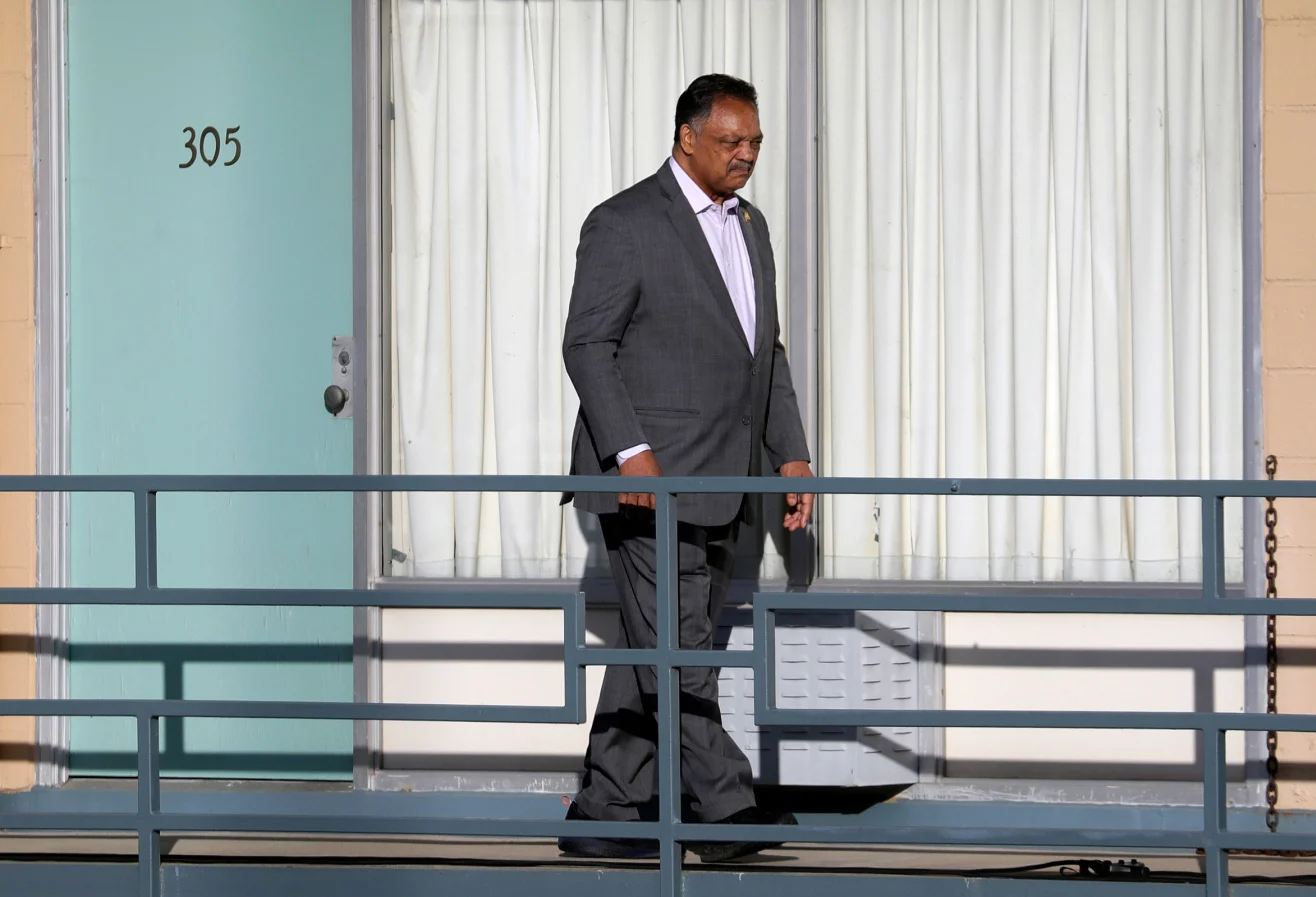
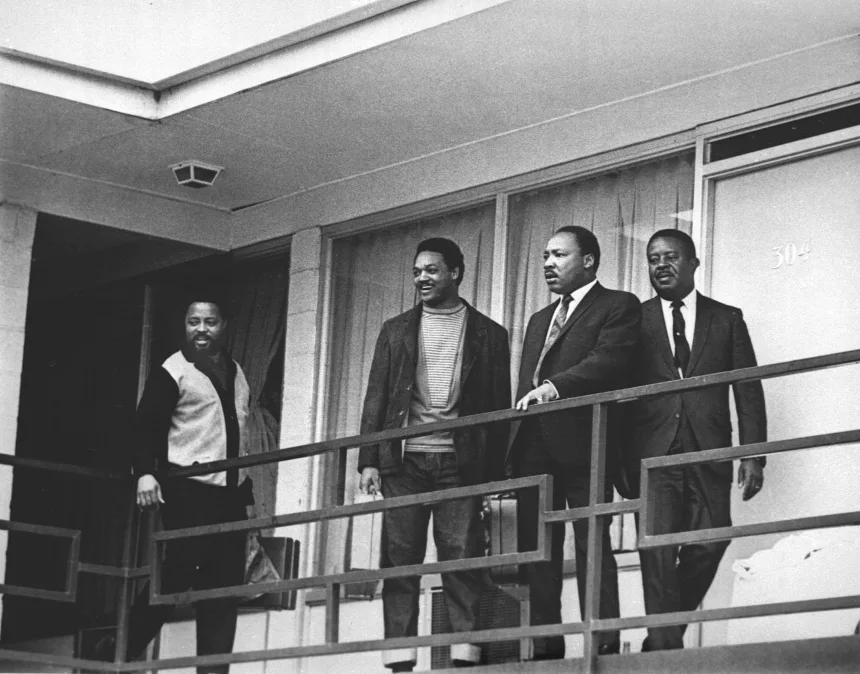
On April 4, 1968, Jackson witnessed King’s assassination from below the balcony at the Lorraine Motel in Memphis, Tennessee, the account said.
“Every time I think about it, it’s like pulling a scab off a sore,” Jackson told the Guardian in 2018. “It’s a hurtful, painful thought: that a man of love is killed by hate; that a man of peace should be killed by violence; a man who cared is killed by the careless.”
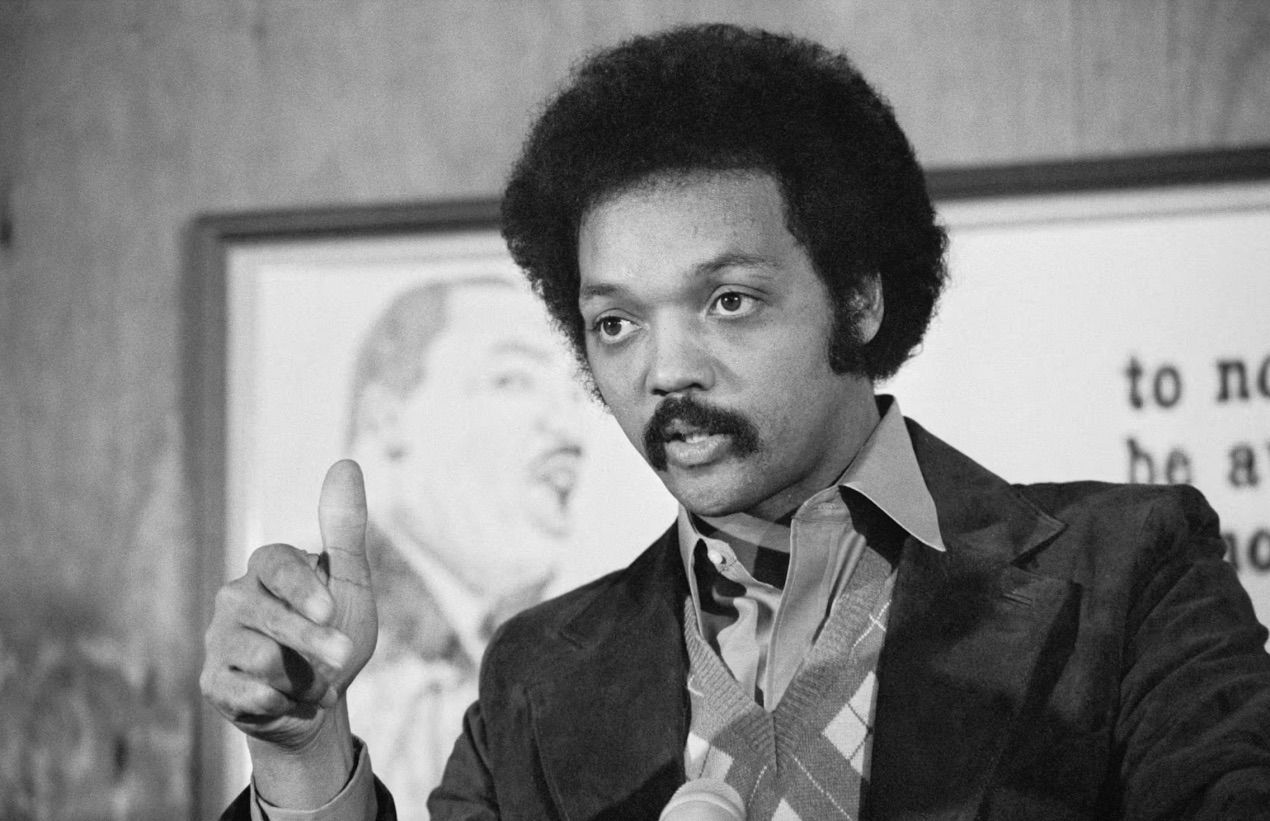
Early Life, Education and the Greenville Library Protest
Jackson was born on October 8, 1941, in Greenville, South Carolina, and became involved in politics while growing up in the segregated South, the account said.
He was elected class president at Sterling High School, an all-Black school, and participated in athletics. In 1959, he received a football scholarship to the University of Illinois.
During a winter break in his first year at the university, the account said, he returned to Greenville and tried to obtain a book from the whites-only public library, but was turned away.
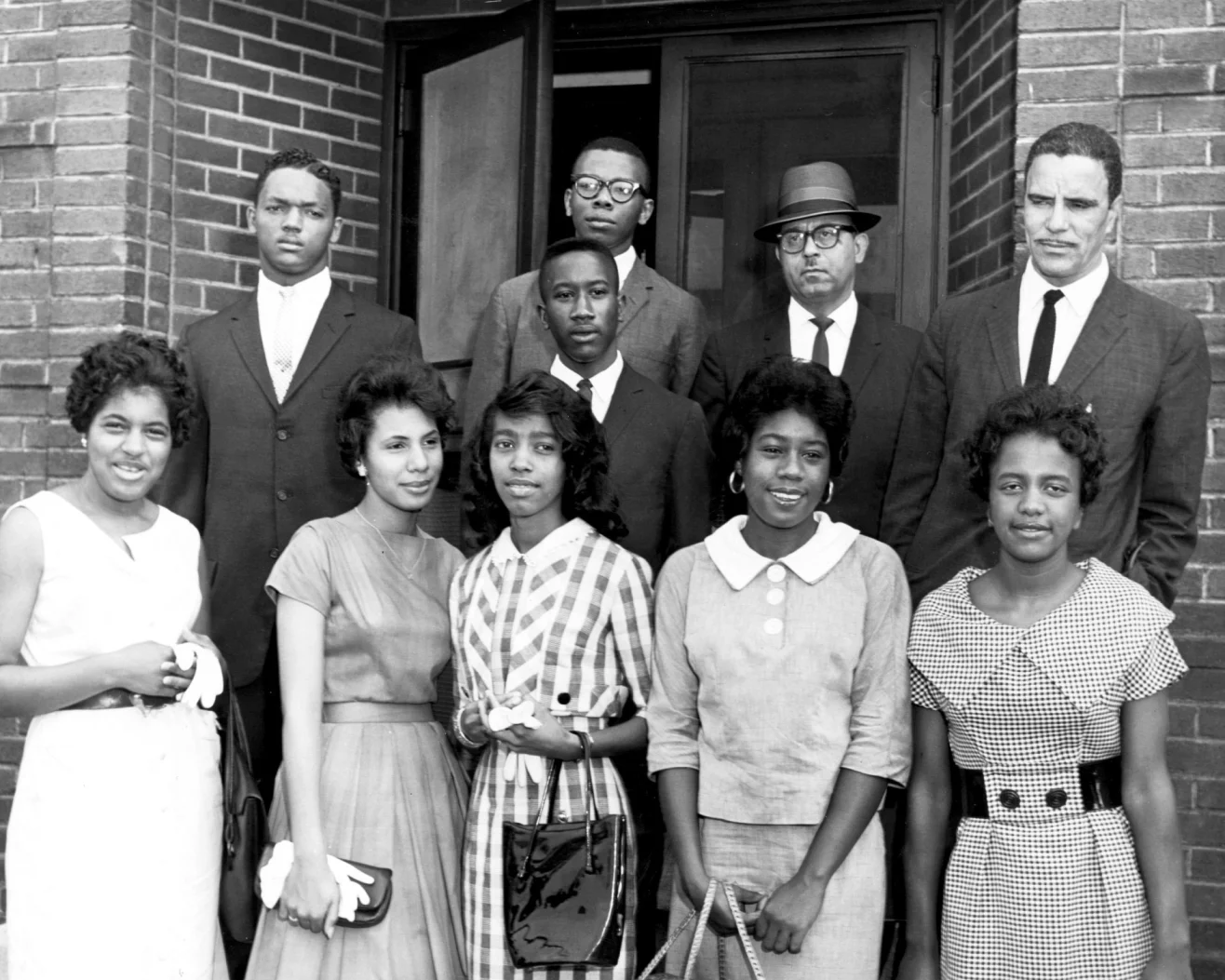
On July 16, 1960, Jackson and seven Black high school students entered the Greenville library in a peaceful protest, browsing and reading books, before being arrested for disorderly conduct and later released on a $30 bond.
A judge later ruled that they had the right to use the publicly funded library, and the Greenville library system was integrated in September 1960, according to the account.

Jackson did not return to the University of Illinois after his first year and transferred to North Carolina Agricultural and Technical College in Greensboro, where he played football as a quarterback, served as a national officer for the fraternity Omega Psi Phi and was elected student body president, the account said. While earning a sociology degree, he participated in sit-ins at Greensboro restaurants.
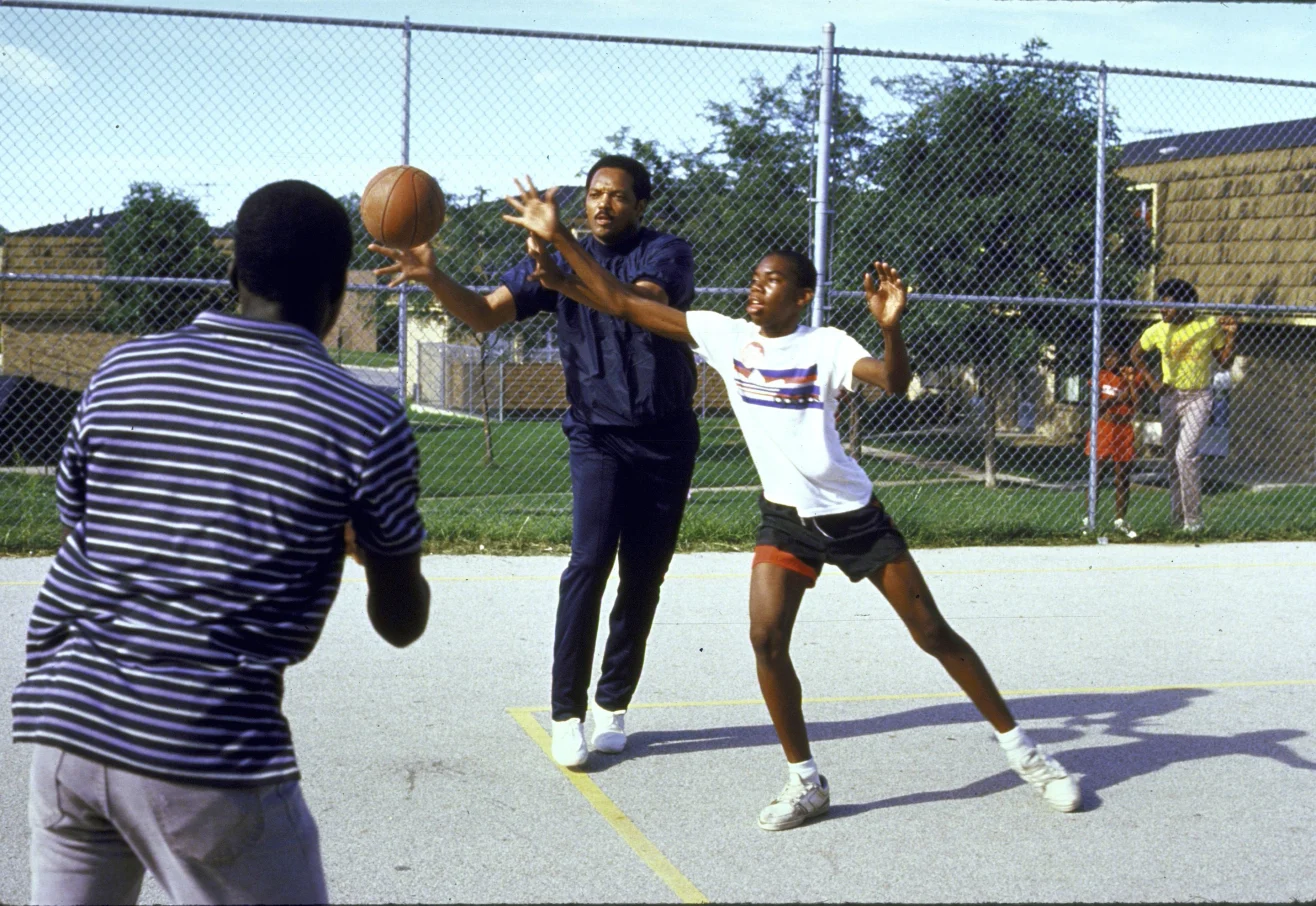
“My leadership skills came from the athletic arena,” Jackson told The Washington Post in 1984.
“In many ways, they were developed from playing quarterback. Assessing defenses; motivating your own team. When the game starts, you use what you’ve got – and don’t cry about what you don’t have. You run to your strength. You also practice to win.”
National Politics and the Rainbow Coalition
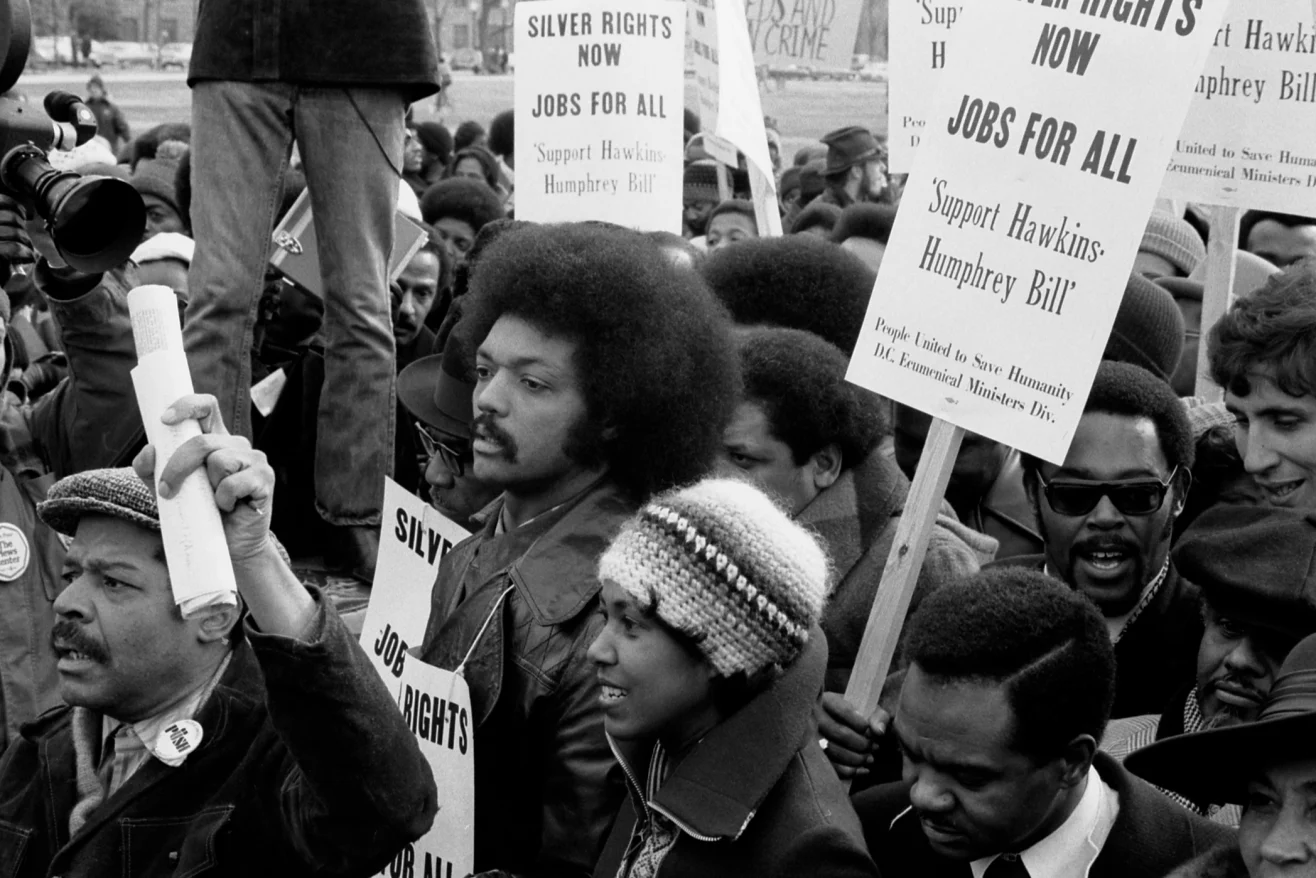
After continuing with the SCLC until 1971, Jackson formed People United to Save Humanity, known as Push, the account said.
The organisation hosted reading programmes for Black youth, helped them find jobs and urged corporations to hire more Black managers and executives.
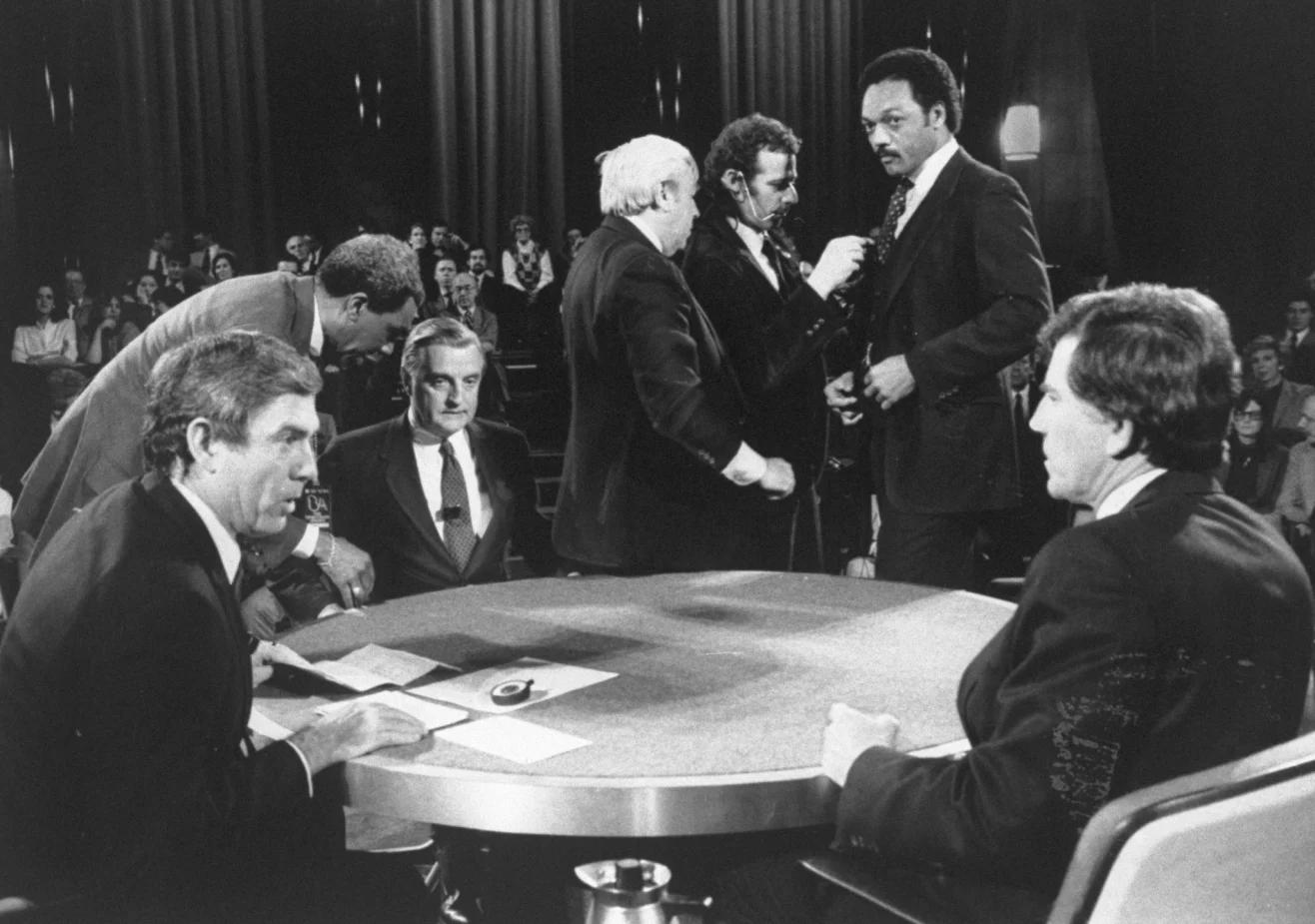
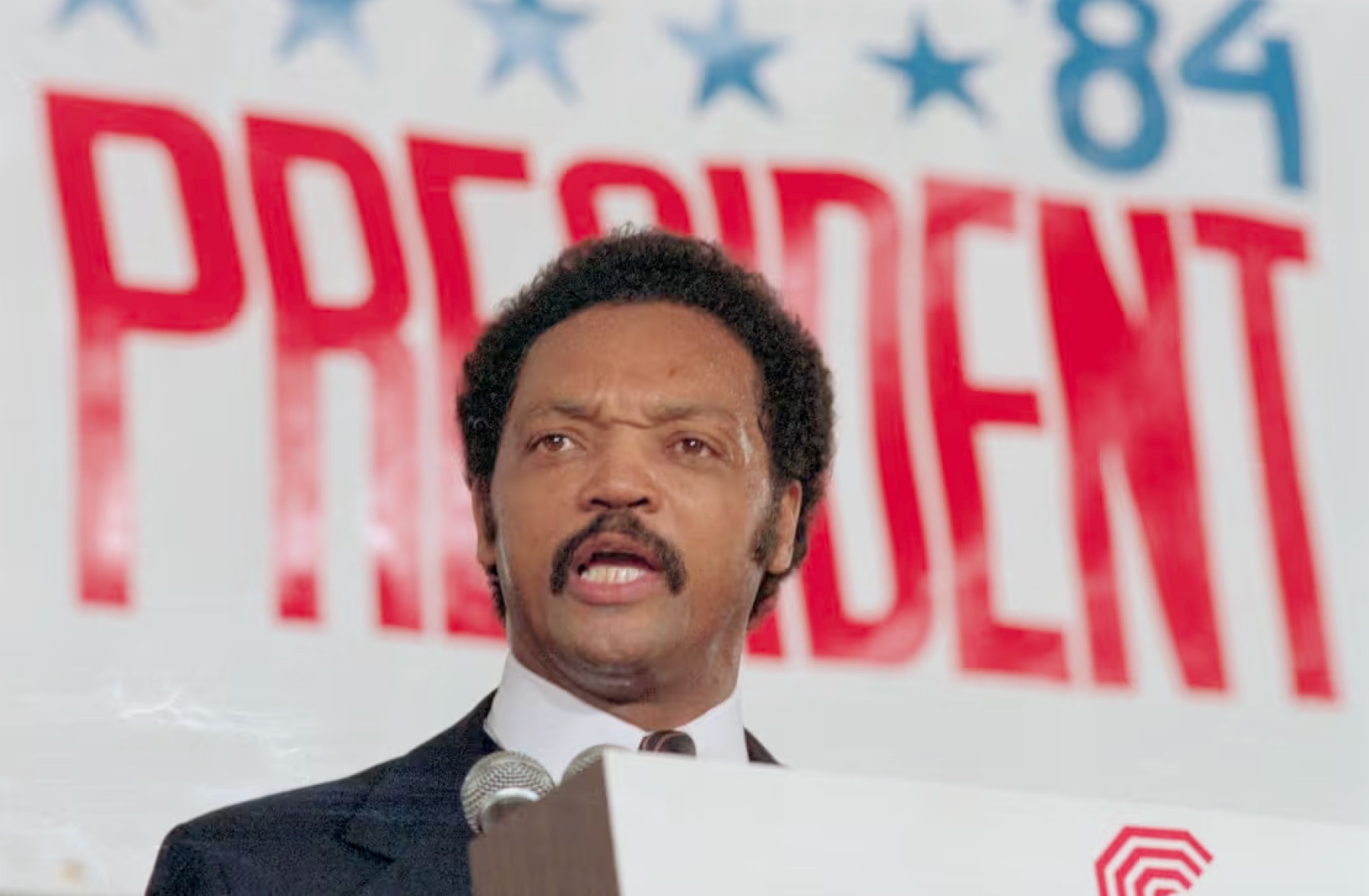
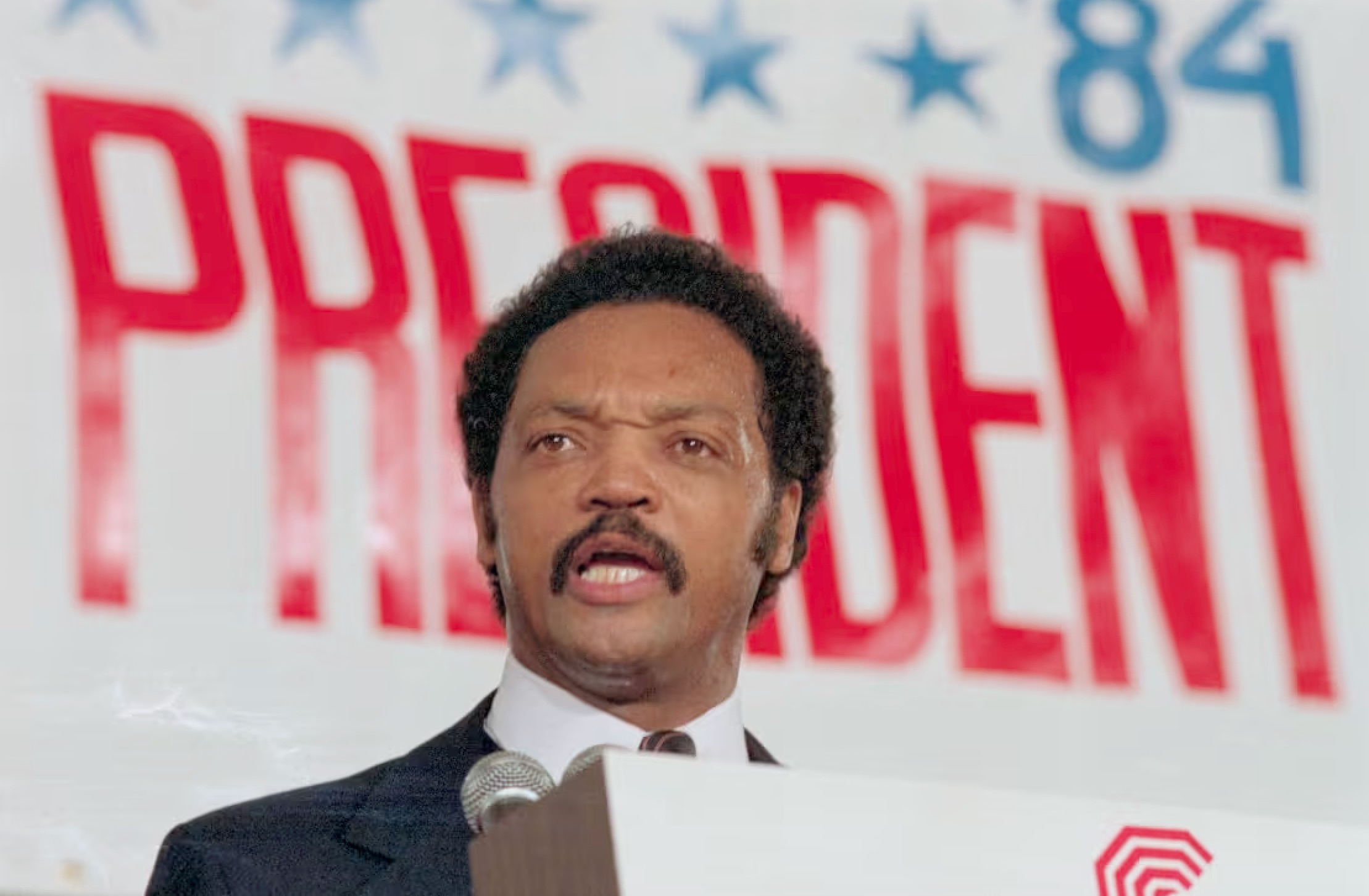
In 1984, Jackson ran for president as a Democrat, becoming the second Black person to launch a nationwide campaign after Shirley Chisholm, according to the account.
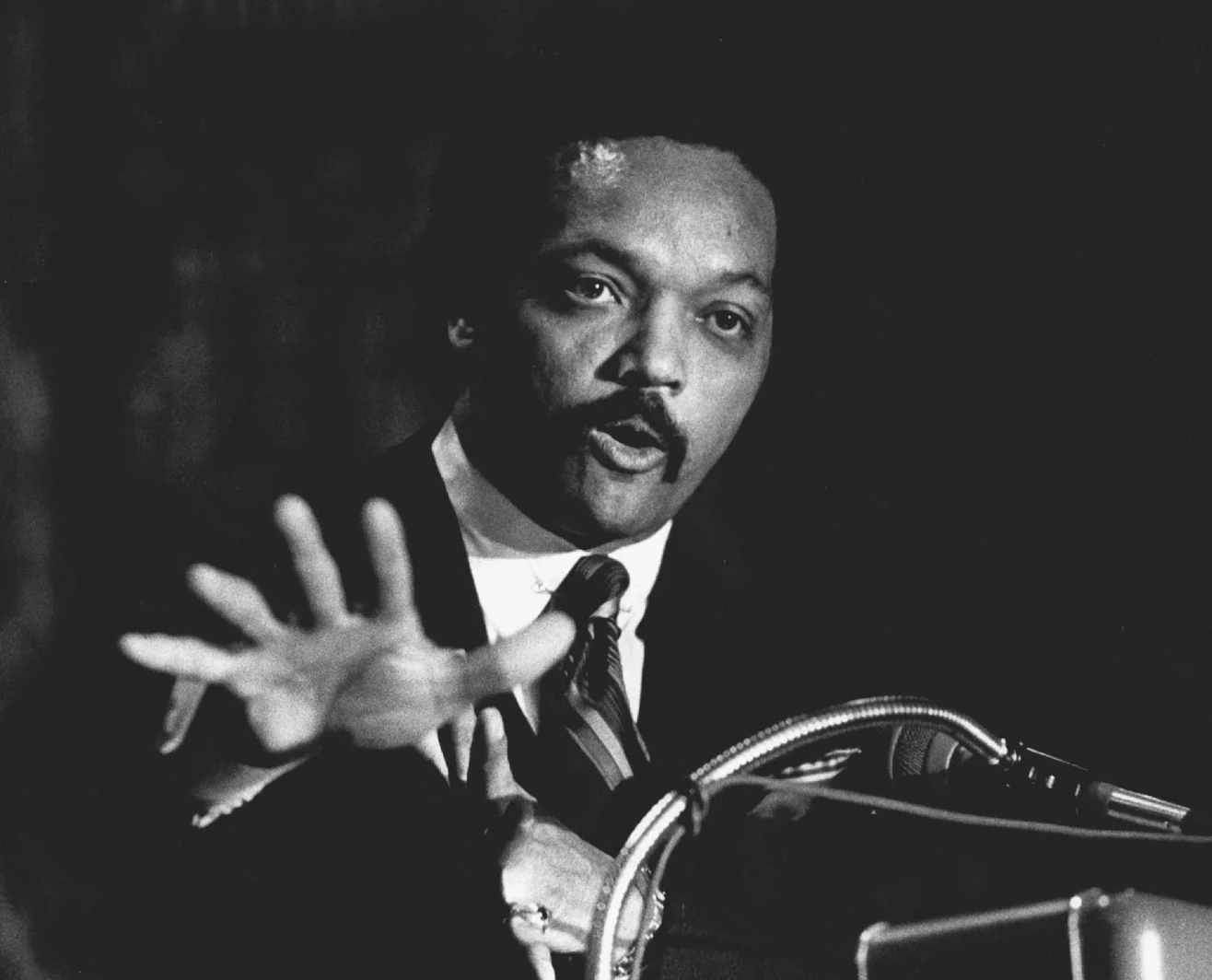
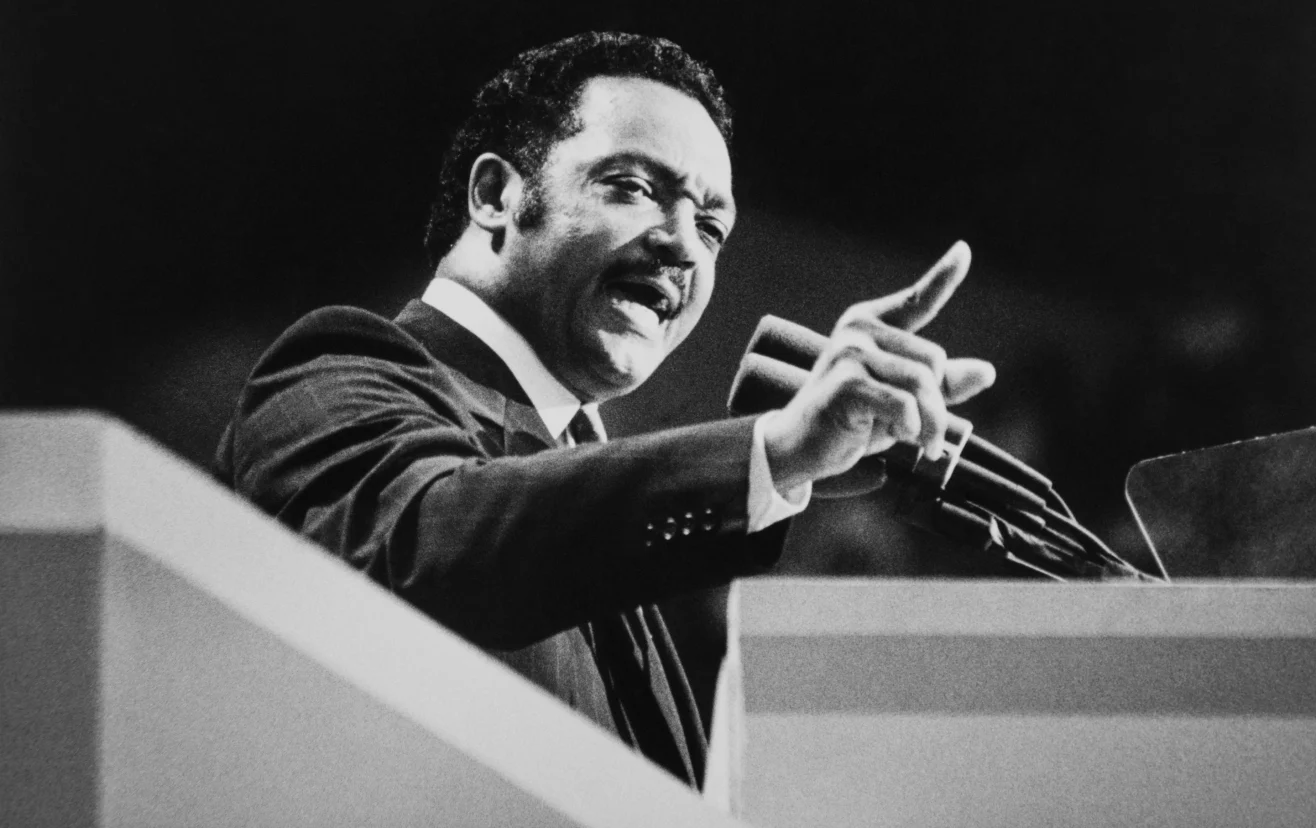
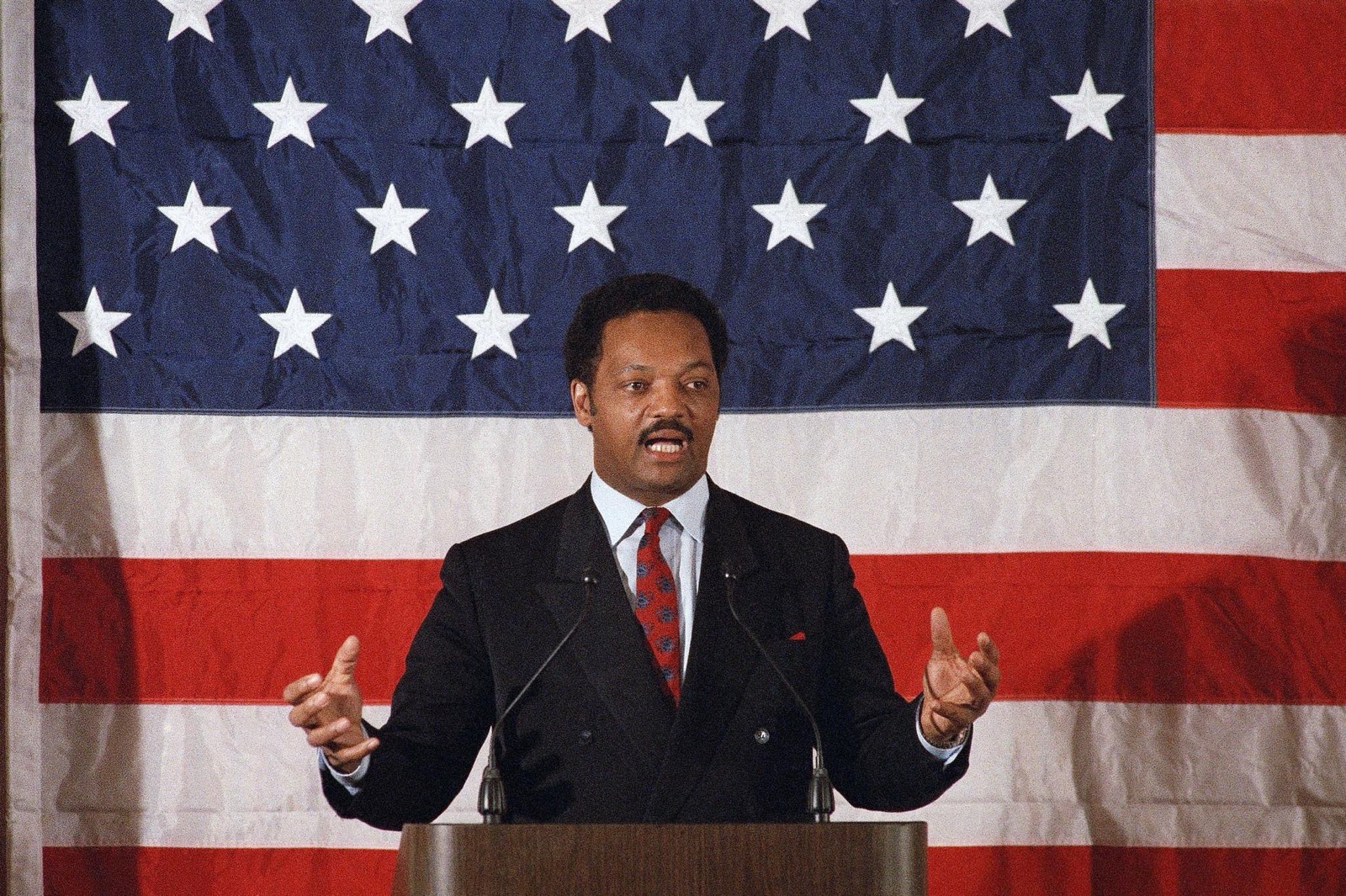
Speaking at the Democratic national convention that year in San Francisco, he said, “Tonight we come together bound by our faith in a mighty God, with genuine respect and love for our country, and inheriting the legacy of a great party, the Democratic party, which is the best hope for redirecting our nation on a more humane, just, and peaceful course.”
He went on to tell delegates, “This is not a perfect party. We’re not a perfect people. Yet, we are called to a perfect mission. Our mission to feed the hungry, to clothe the naked, to house the homeless, to teach the illiterate, to provide jobs for the jobless, and
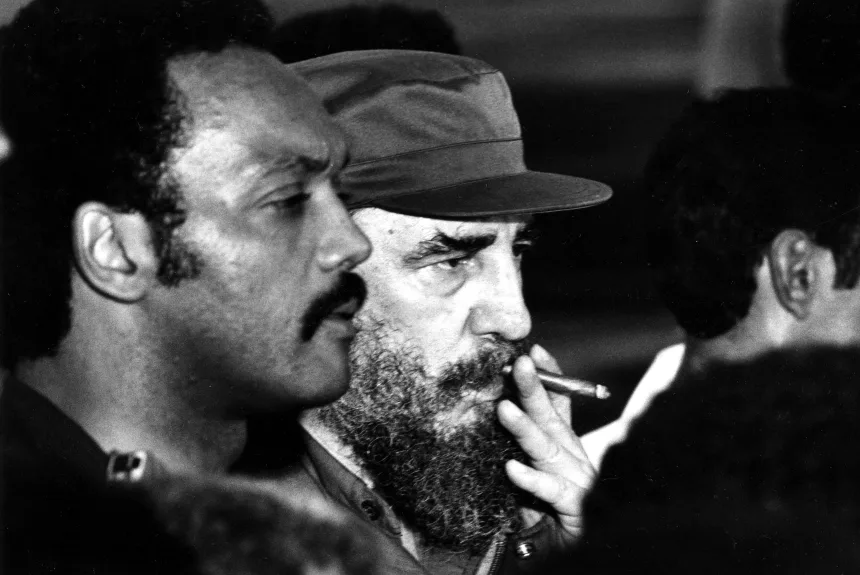
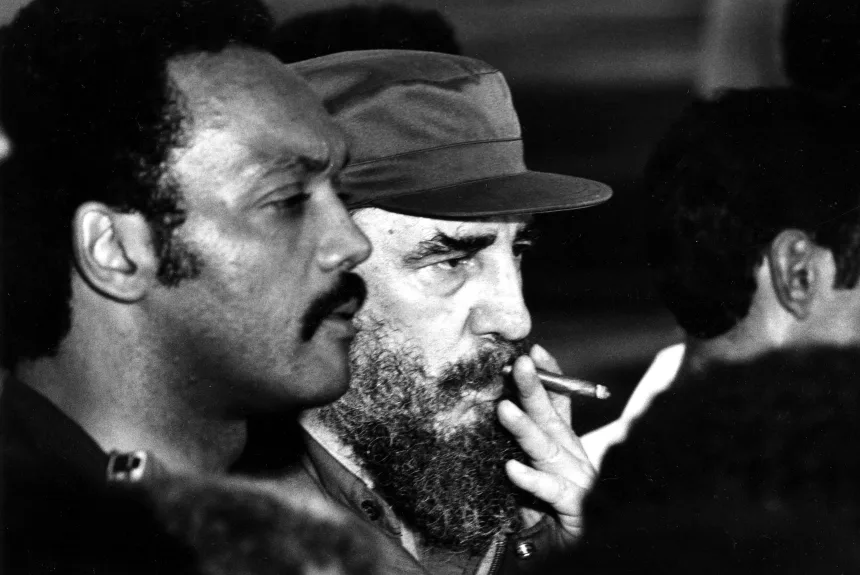
Beyond electoral politics, Mr. Jackson played a role in several high-profile international negotiations. In 1984, he helped secure the release of 48 Cuban and Cuban-American prisoners from Cuba and the freedom of a United States Navy pilot held in Syria.
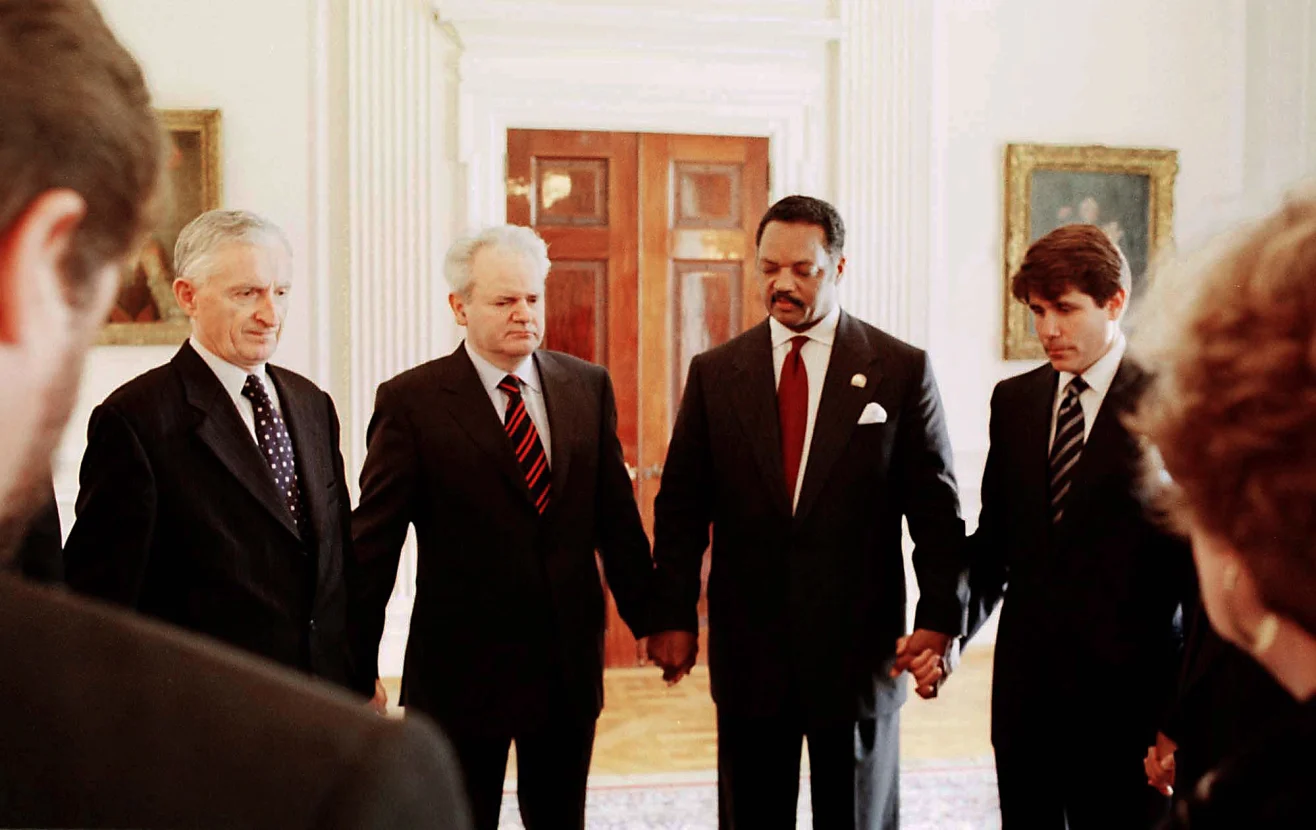
In 1999, he negotiated the release of three American soldiers detained in what was then Yugoslavia.
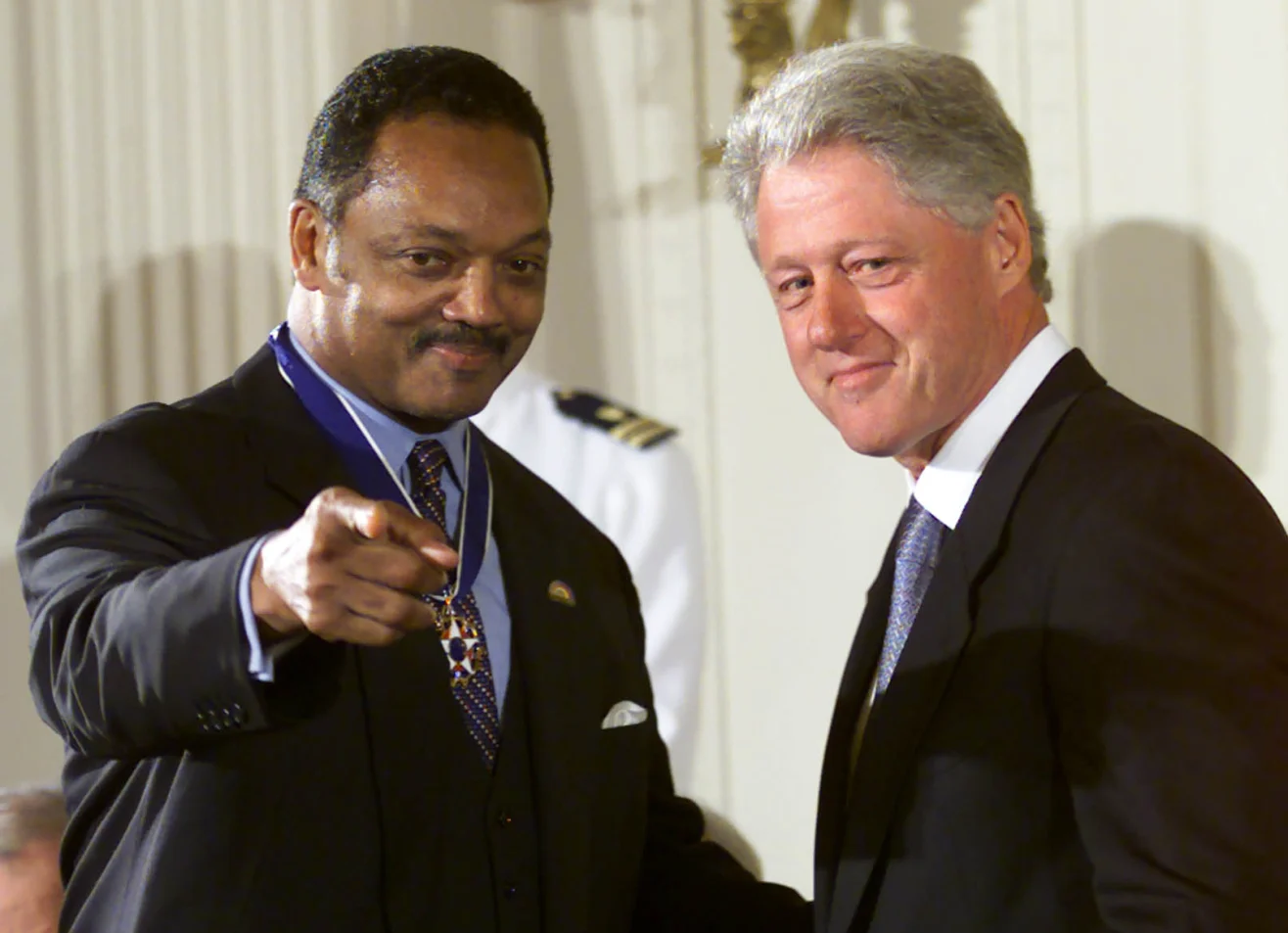
In 2000, he was awarded the Presidential Medal of Freedom, the country’s highest civilian honour.
Presidential Campaigns and Party Influence
Mr. Jackson sought the Democratic presidential nomination in 1984 and again in 1988, campaigns that drew widespread attention for their ability to mobilise Black voters and attract support across racial lines.
His runs challenged long-held assumptions about the electability of Black candidates at the national level.
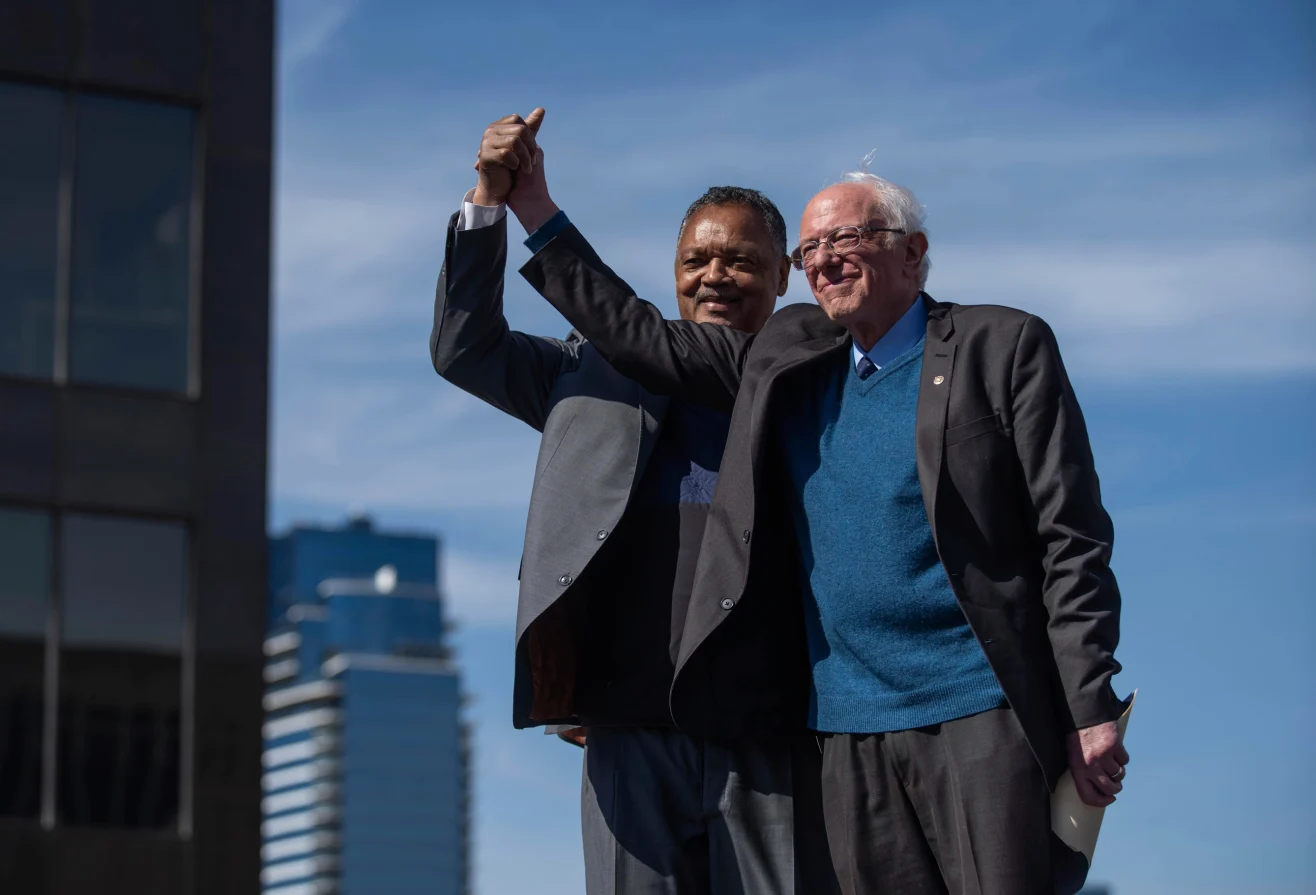
During those campaigns, he helped press for changes in Democratic Party rules, including reforms to the delegate allocation system that moved away from winner-take-all contests. Those changes later shaped subsequent presidential primaries.
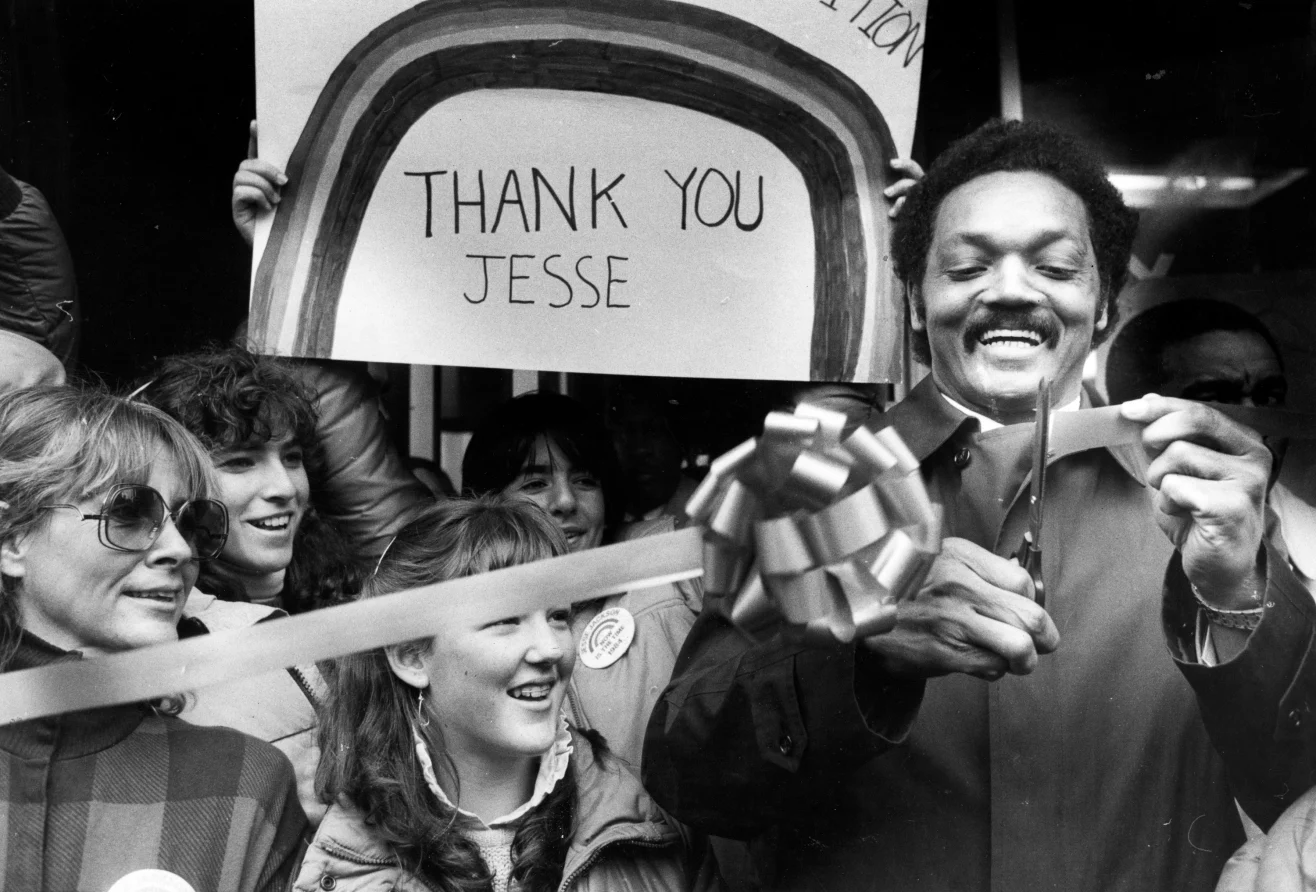
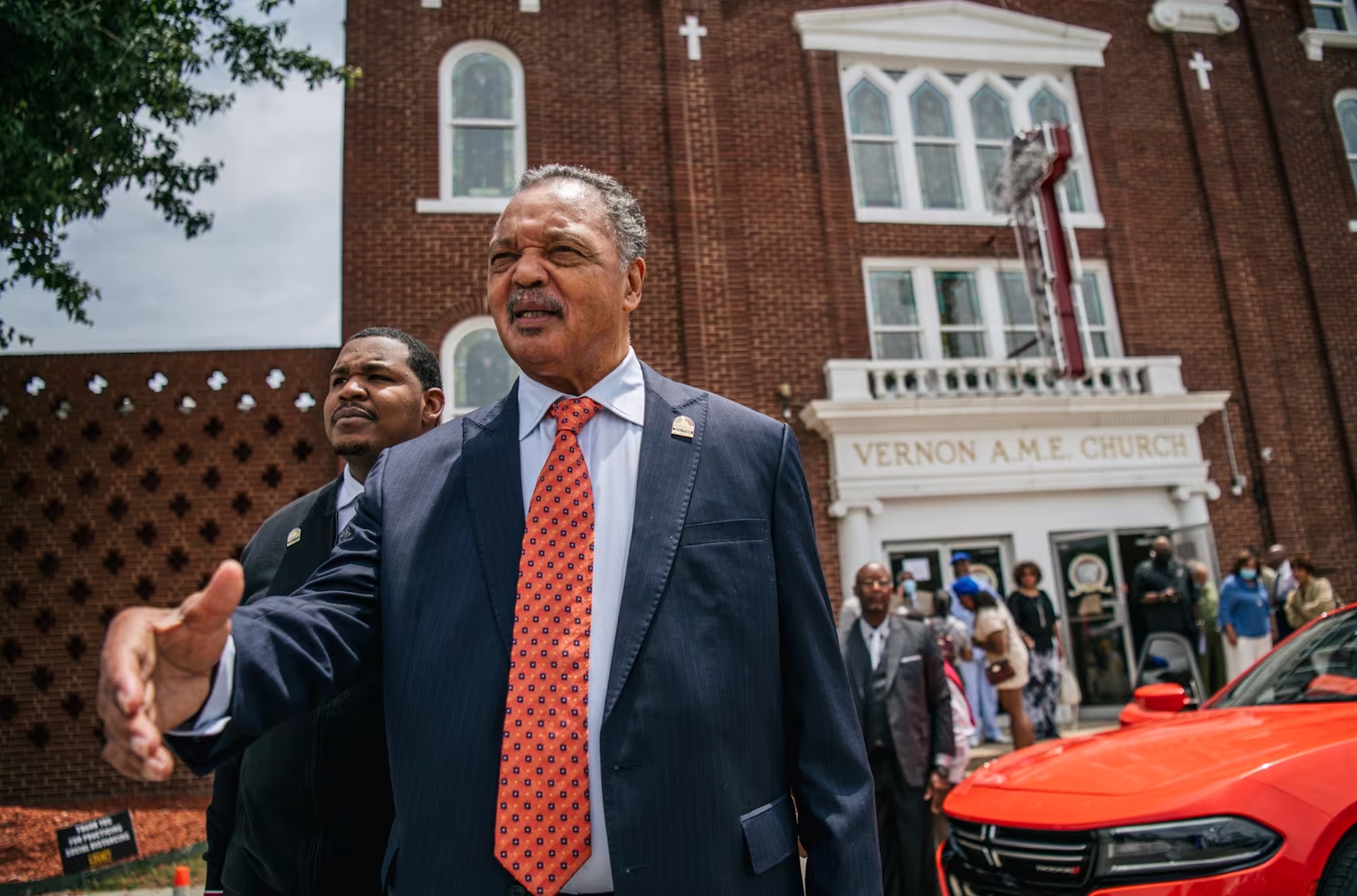
He also advanced a multiracial political alliance through what he called the Rainbow Coalition, an effort to unite voters across racial, ethnic and social lines within the Democratic Party.
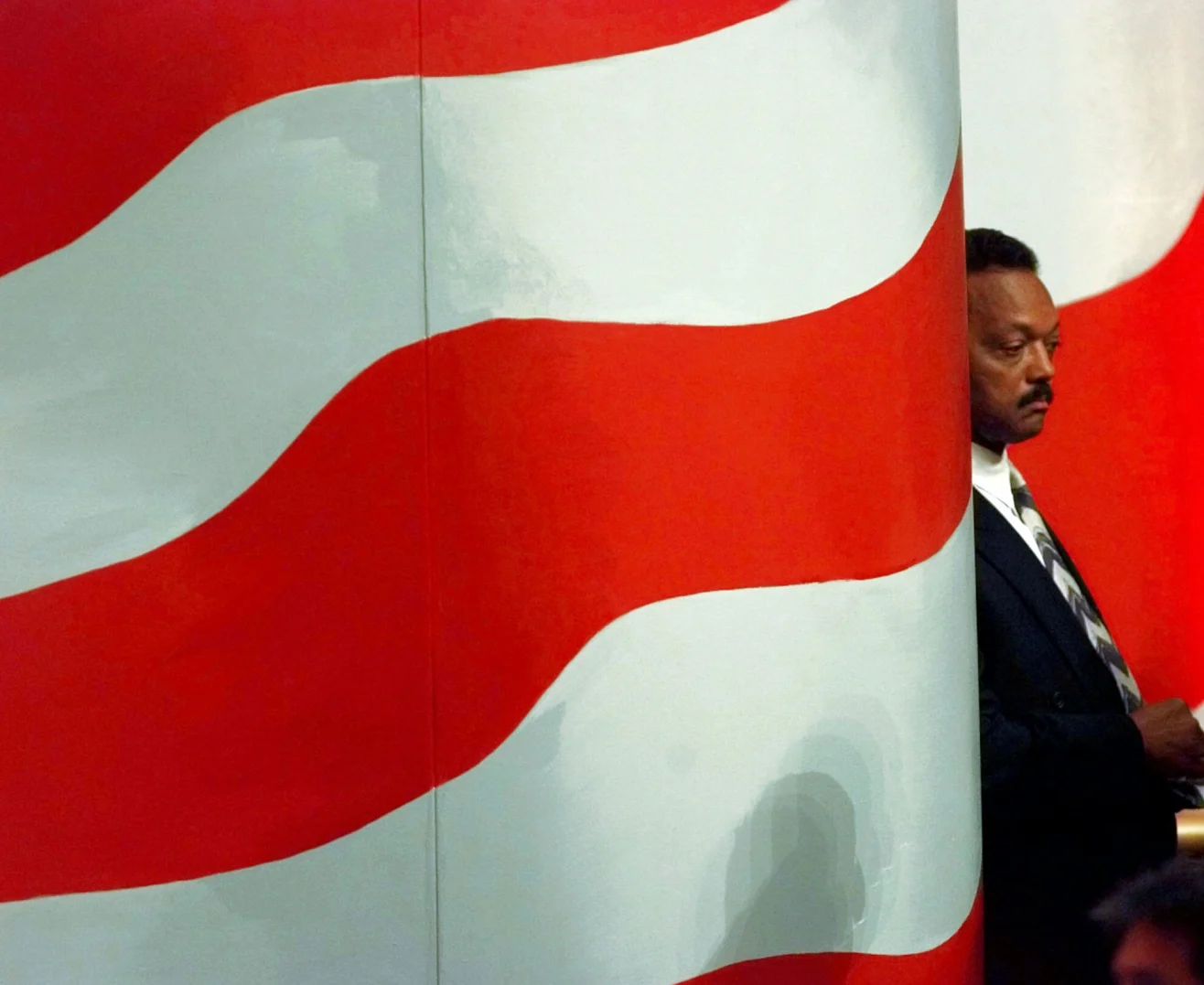
“Our flag is red, white and blue, but our nation is a rainbow – red, yellow, brown, Black and White – and we’re all precious in God’s sight,” Mr. Jackson once said.
Later Years and Continued Advocacy
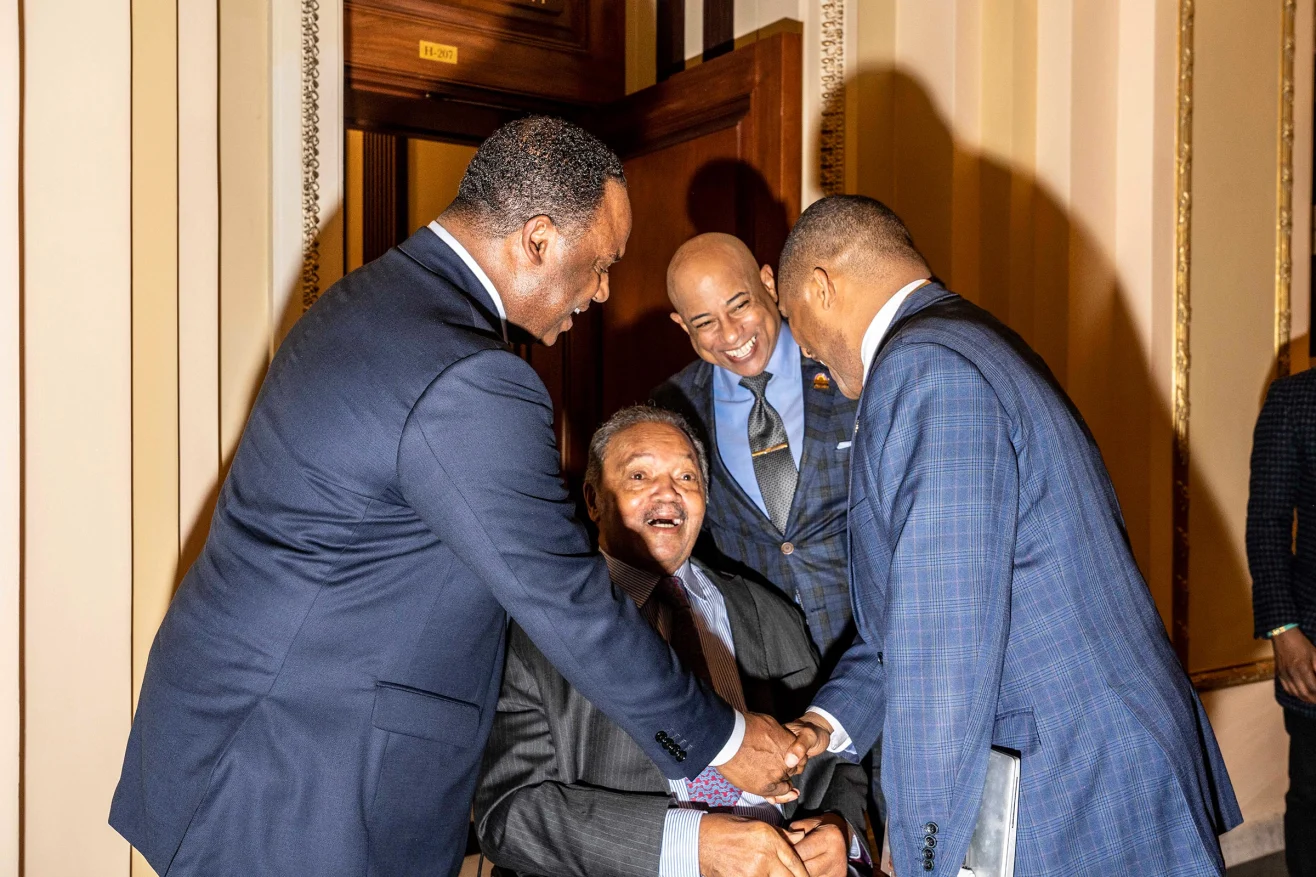
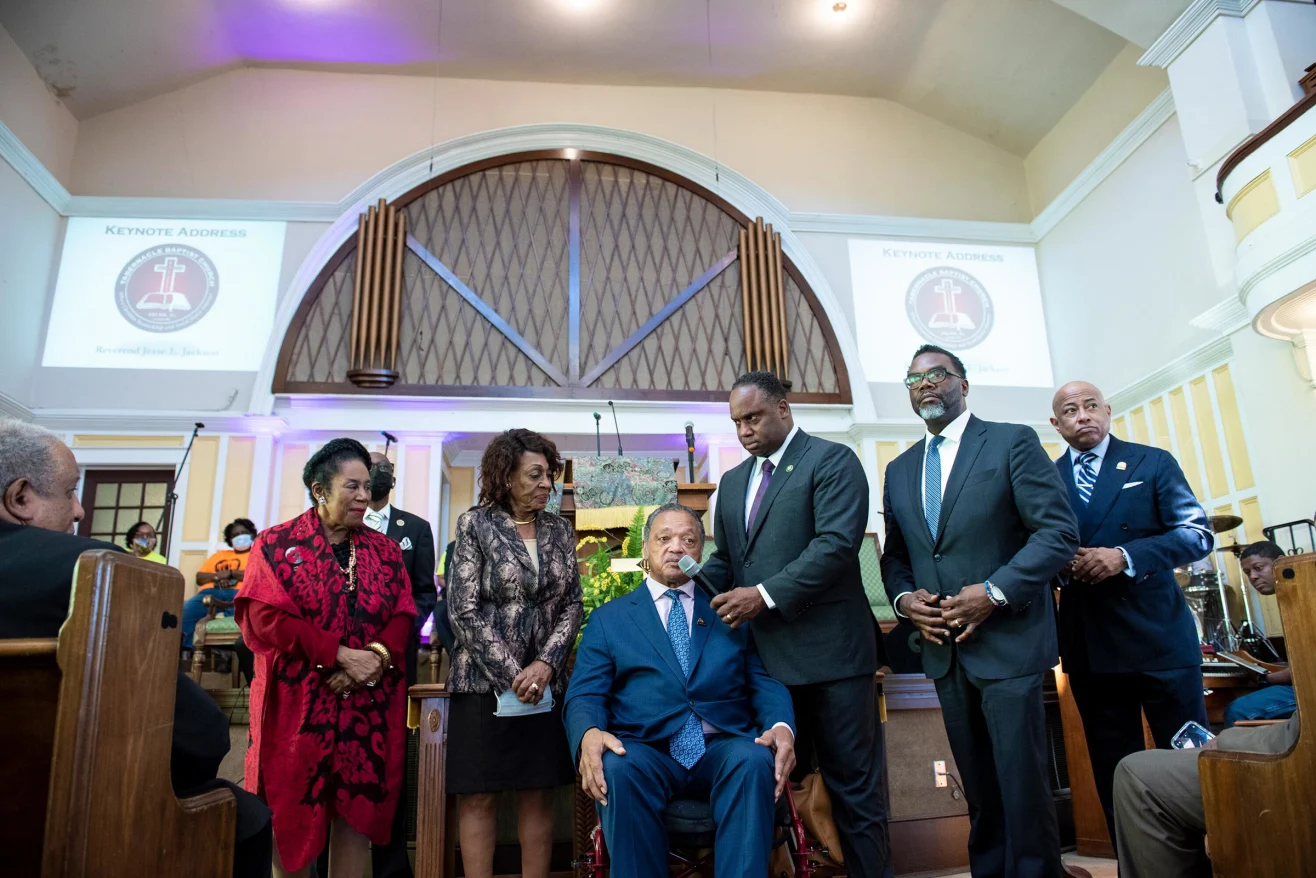
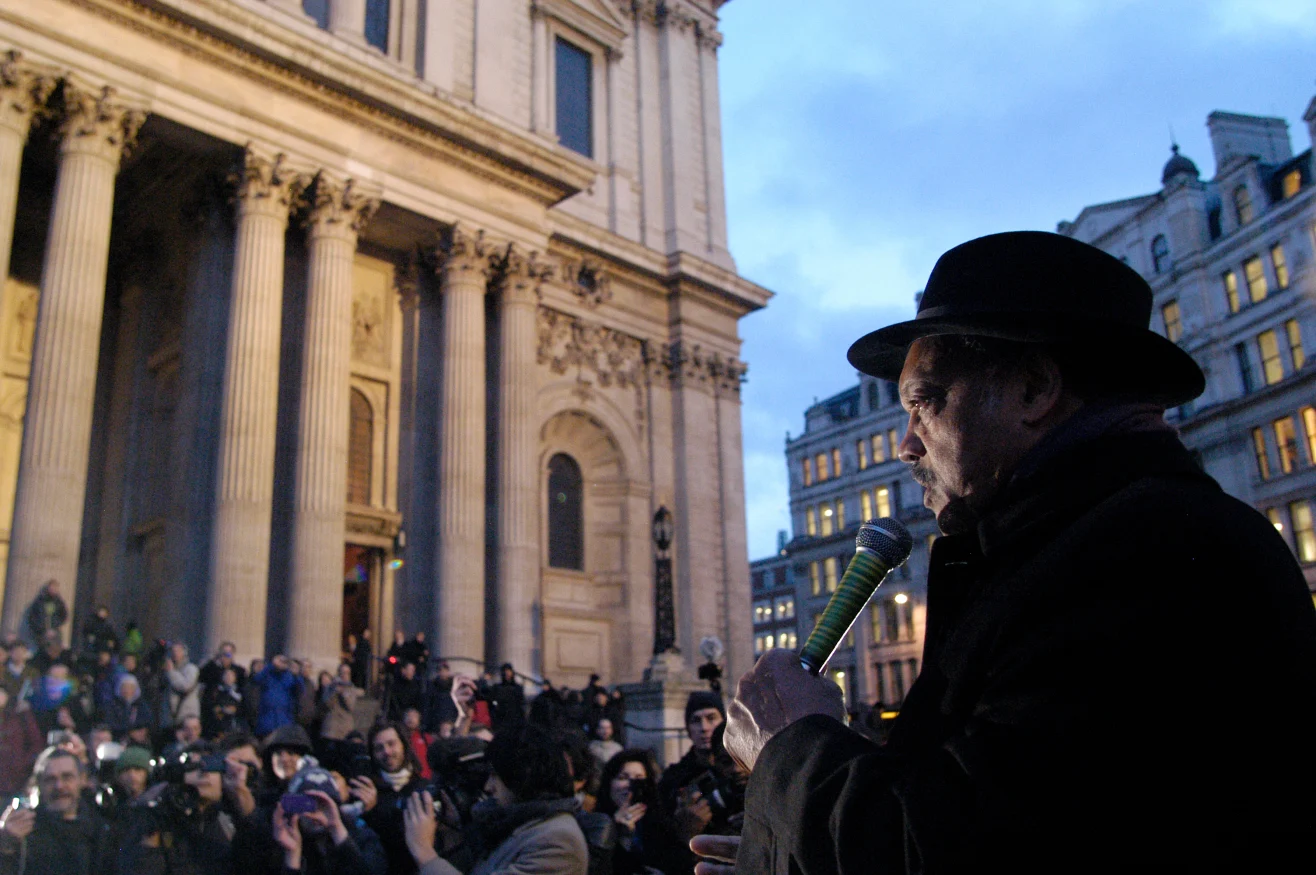
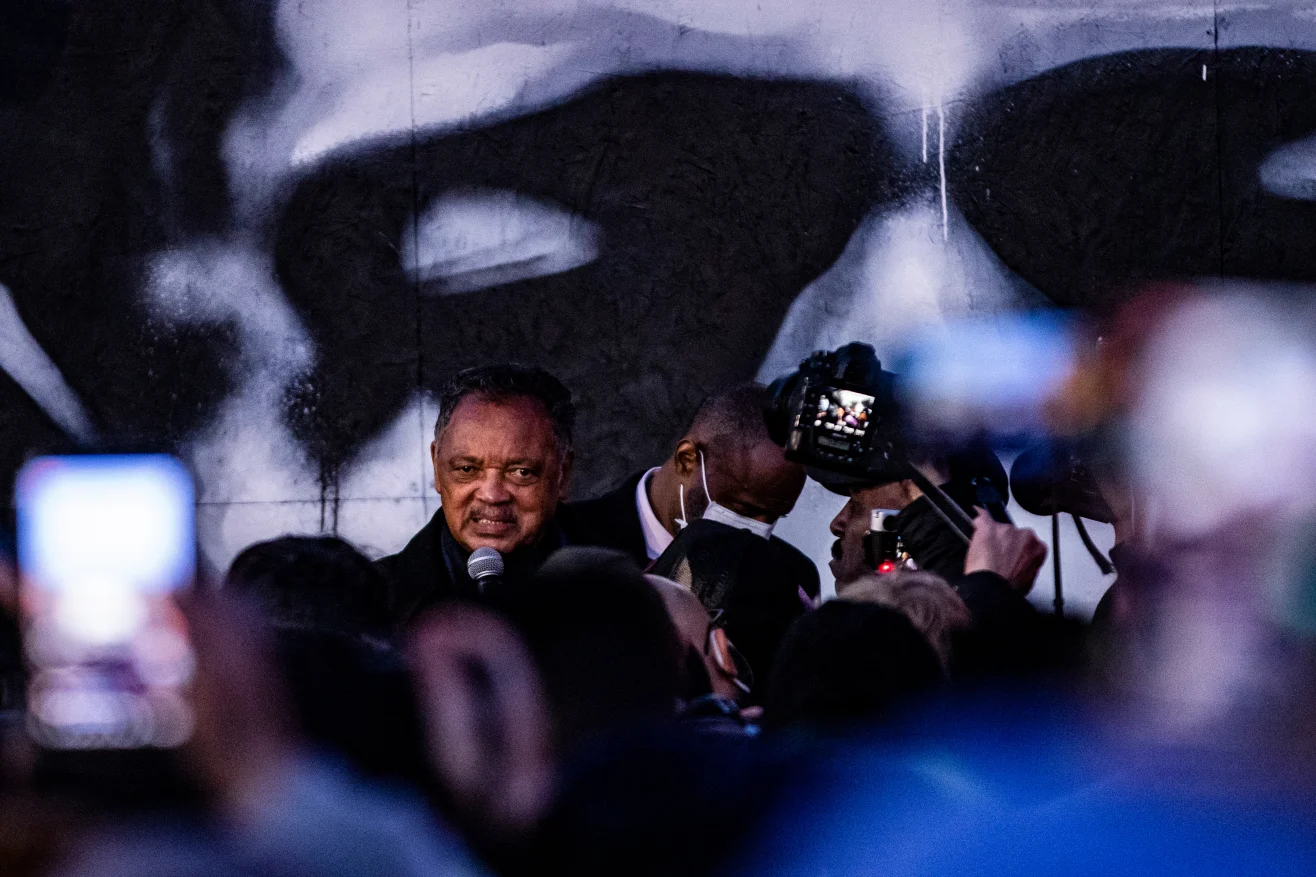
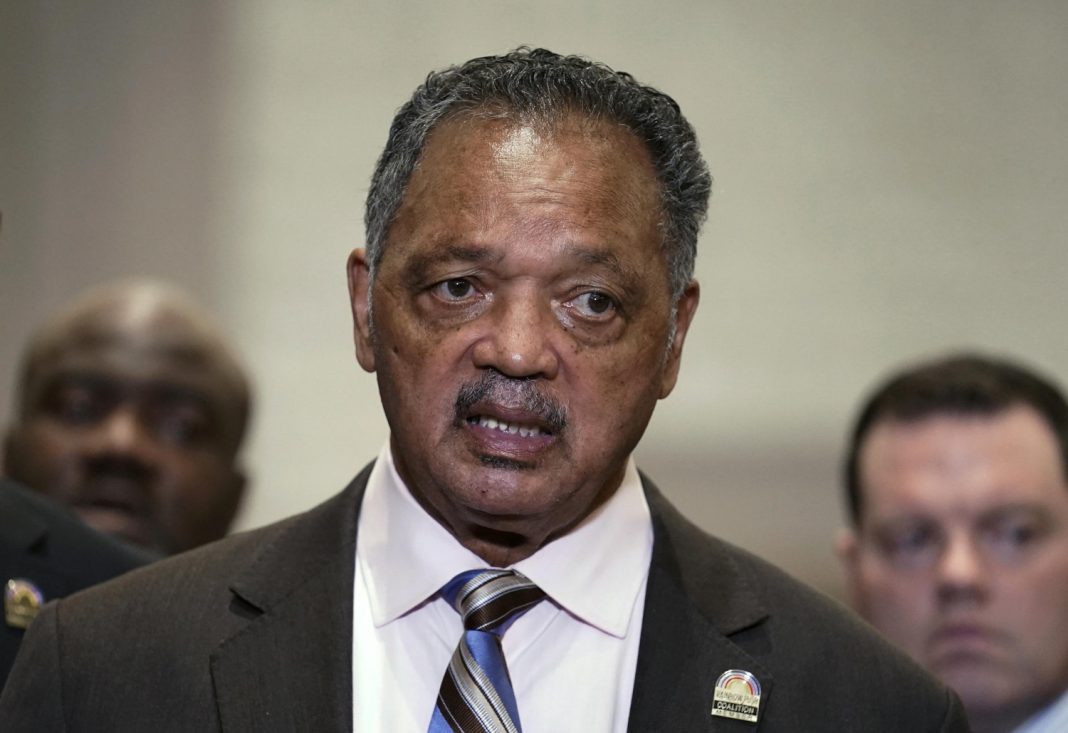
Rev. Jackson remained active in public life into his later years, participating in protests and advocating for voting rights and criminal justice reform.
In 2017, he announced that he had been diagnosed with Parkinson’s disease, a condition his family later said was progressive supranuclear palsy.
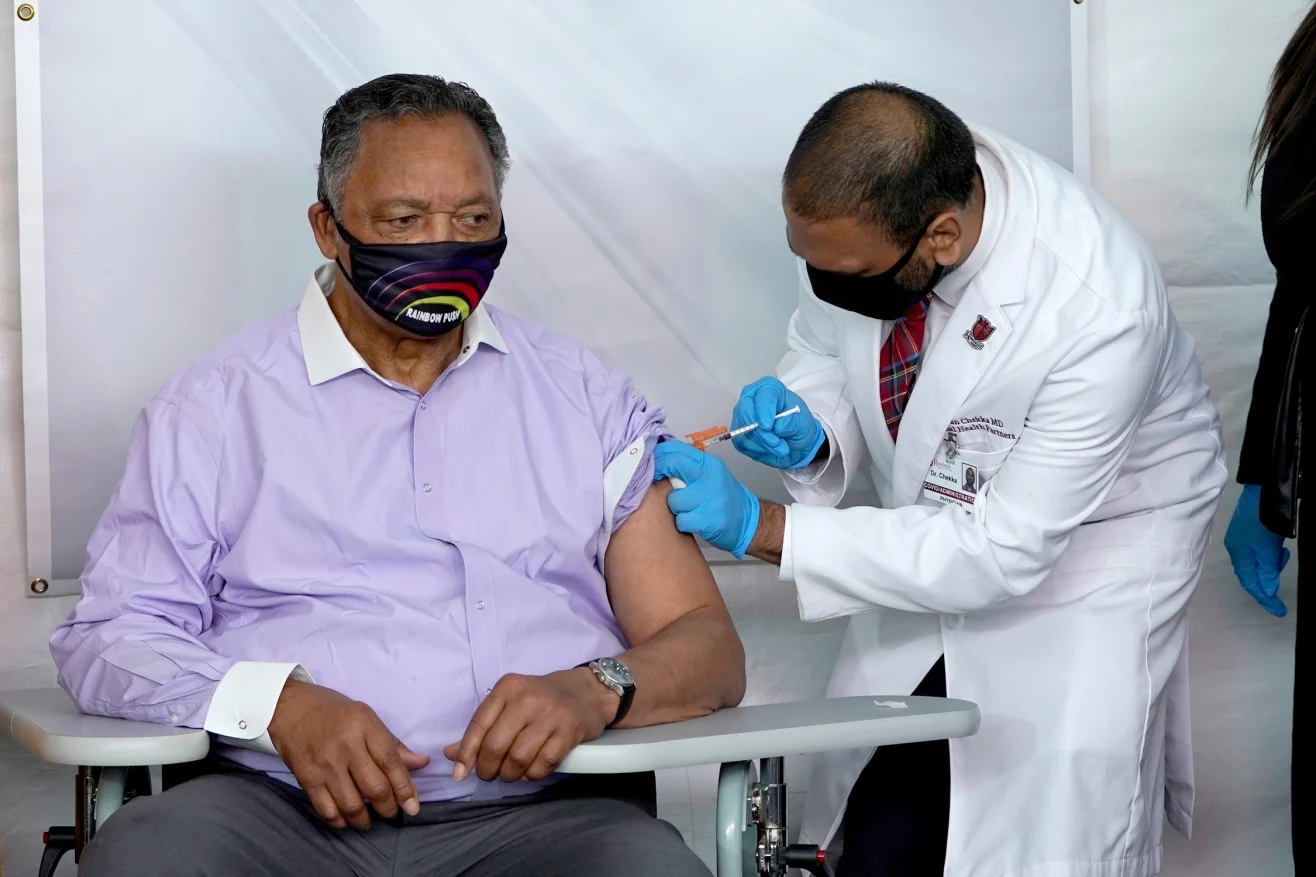
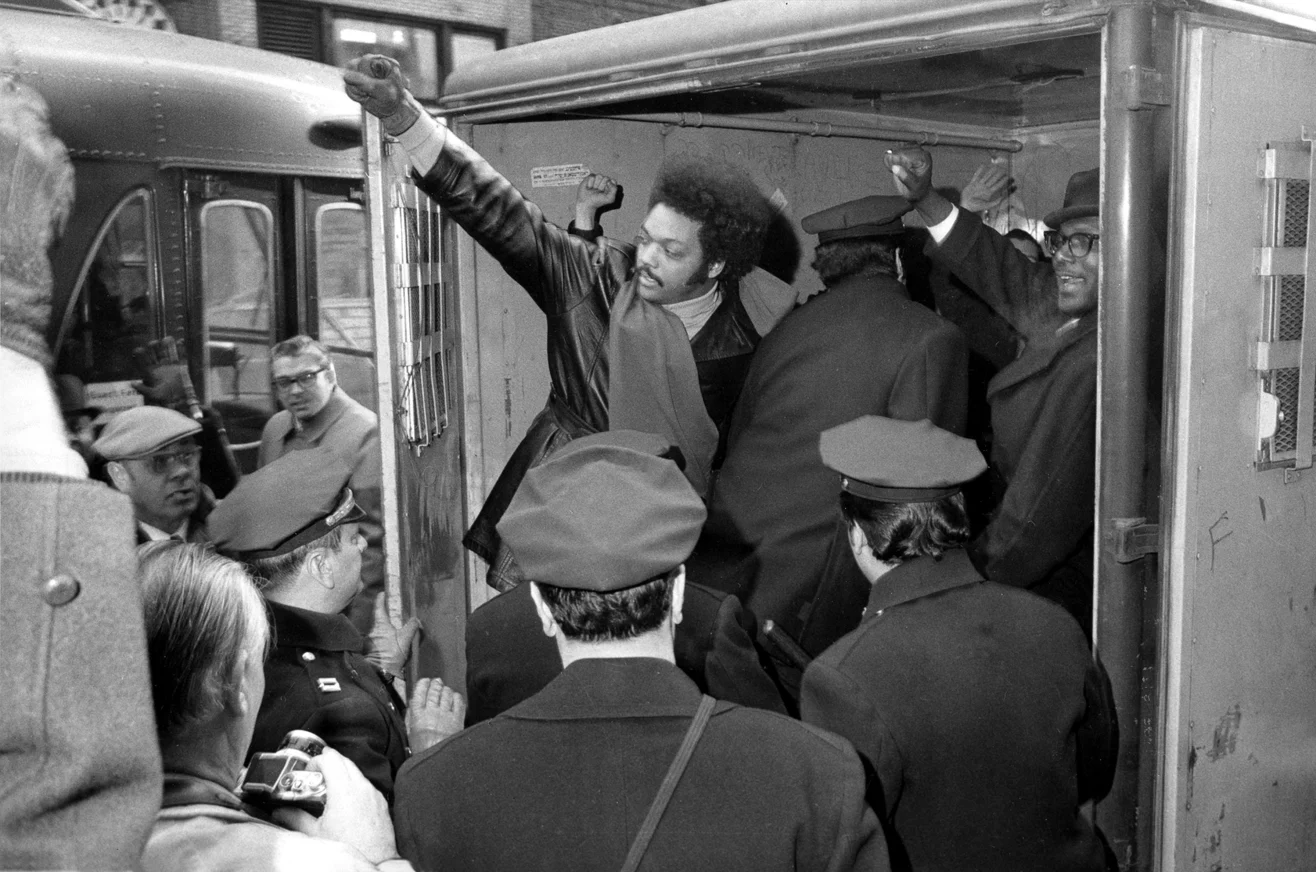
He and his wife were hospitalised with Covid-19 in 2021. That same year, he was hospitalised after a fall during a protest at Howard University in Washington and was arrested while urging Congress to protect voting rights.
In 2023, Mr. Jackson announced plans to step down as president of the Rainbow PUSH Coalition, more than half a century after founding the organisation.
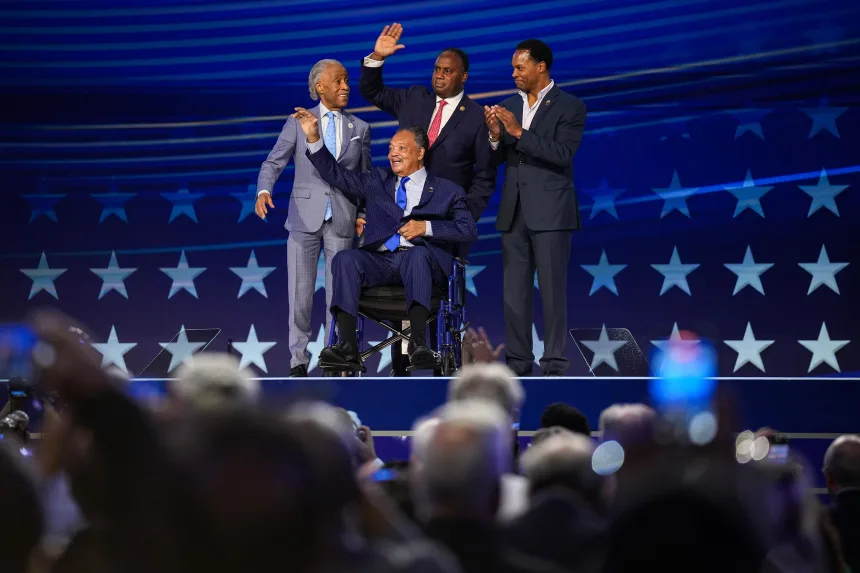
He was honoured in 2024 at the Democratic National Convention, where he appeared on stage as Kamala Harris became the first Black woman to lead a major-party presidential ticket.
Family and Survivors
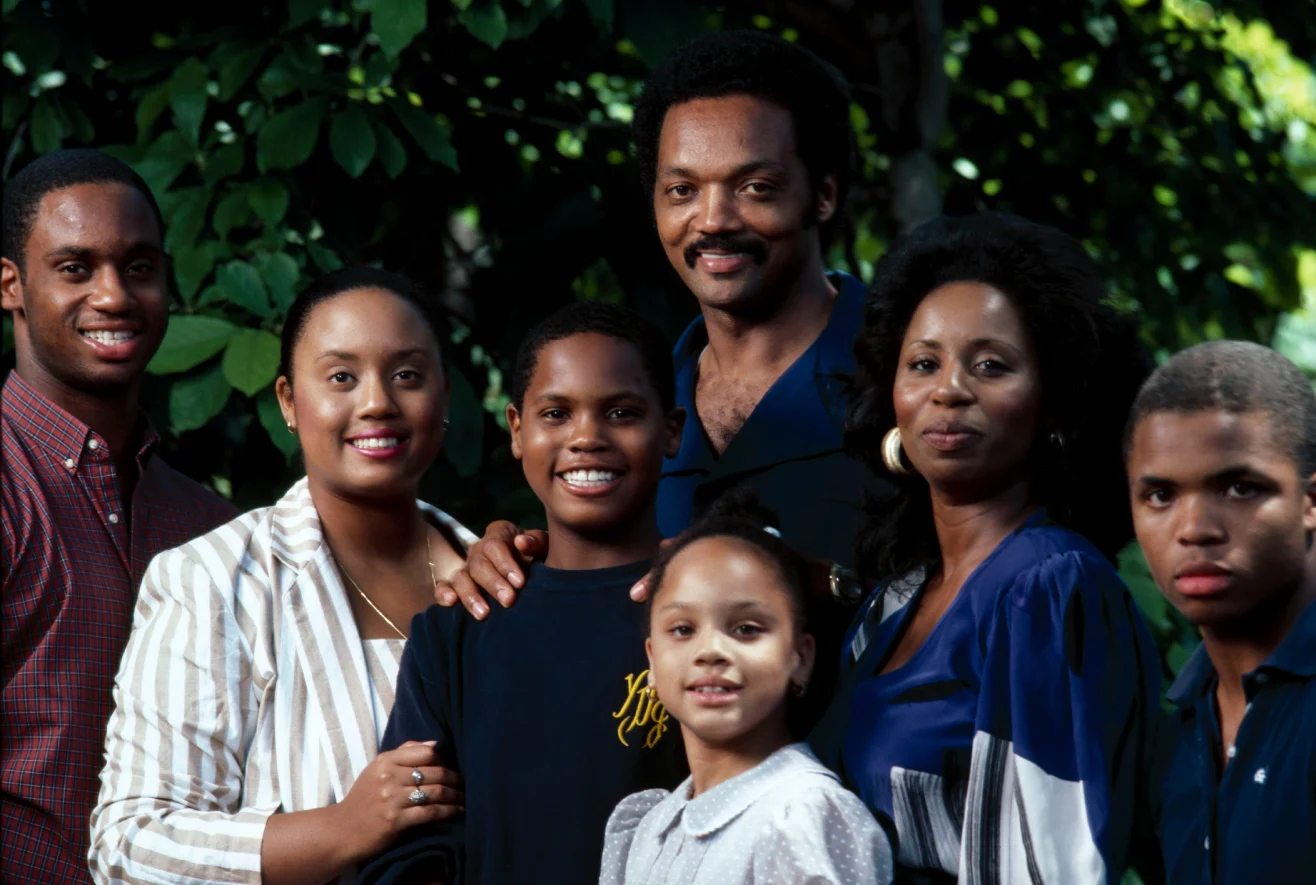
Jesse Jackson married Jacqueline Lavinia Brown in 1962. They had five children: Santita, Jesse Jr., Jonathan, Yusef and Jacqueline. He is also survived by a sixth child, Ashley.
He is survived by his wife and all six children, his family said.