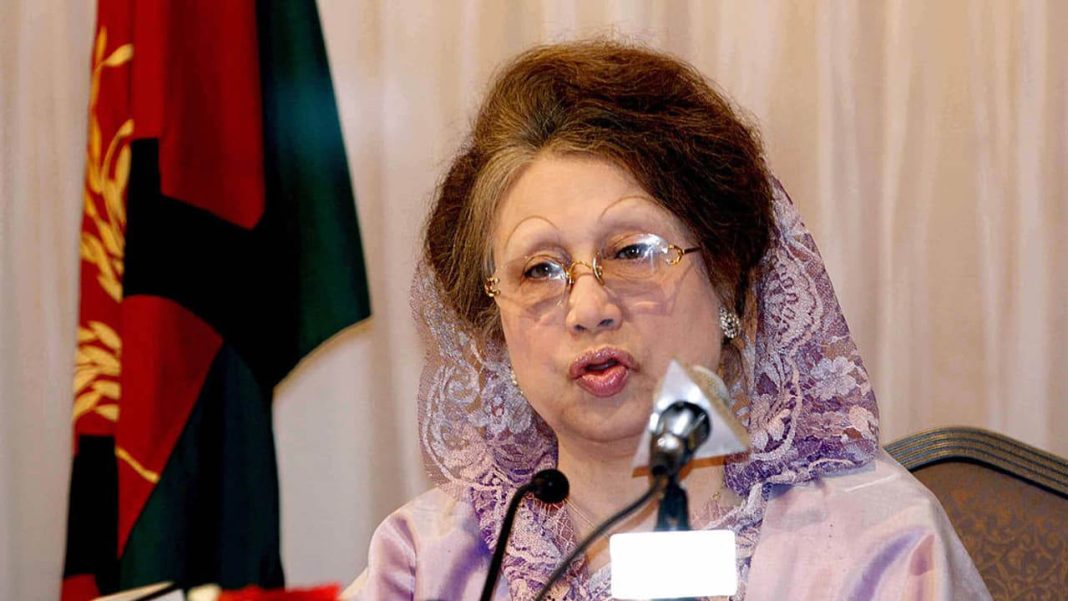

DHAKA, Bangladesh — Vast crowds converged on the Bangladeshi capital on Wednesday to honour former Prime Minister Khaleda Zia, as mourners lined the streets to bid farewell to the country’s first woman to hold the office.
Zia died on Tuesday, December 30, 2025, at the age of 80 after a prolonged illness, according to her party.
People travelled from across the nation to Dhaka, many carrying flags bearing her image and raising their hands in prayer as a motorcade transported her body through the city.
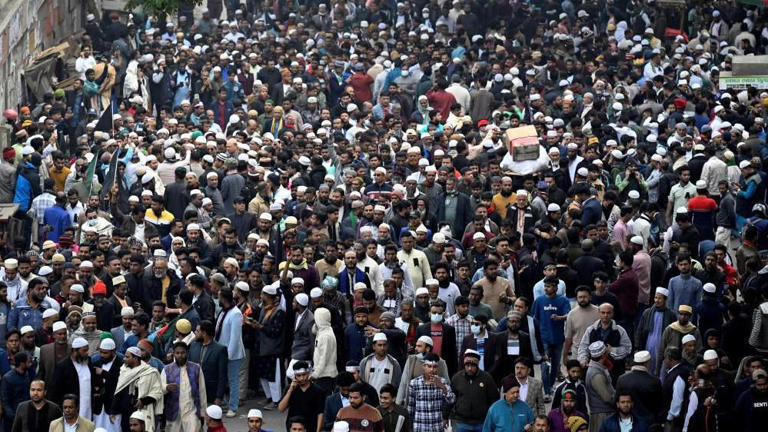
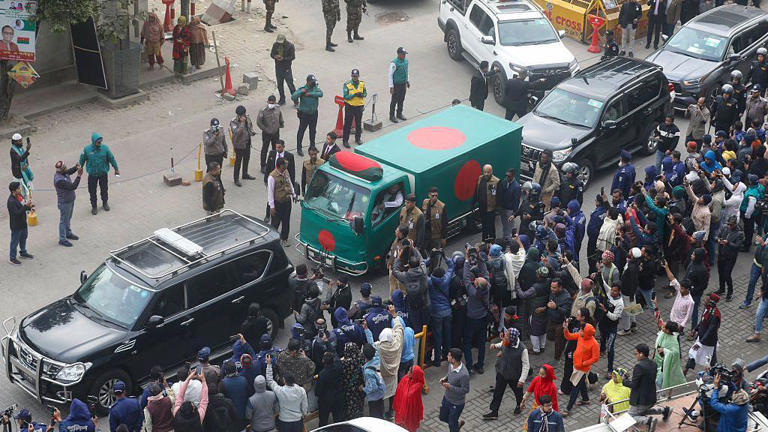
Her coffin, draped in the national flag, moved in a procession near the parliament complex under tight security, with flags flying at half-mast across parts of the capital.
Hundreds of thousands were reported to have gathered along the route, as authorities deployed a large security contingent to manage the crowds.
“I have come this far just to say goodbye,” said Setara Sultana, an activist of the Bangladesh Nationalist Party (BNP), speaking to the BBC.
“I know I won’t be able to see her face, but at least I could see the [vehicle] carrying her for the last rites.”
Sharmina Siraj, a mother of two, said the former leader had shaped opportunities for girls’ education. Calling Zia “an inspiration,” she said stipends introduced during Zia’s time in office had made a “huge impact” on her daughters, speaking to Agence France-Presse.
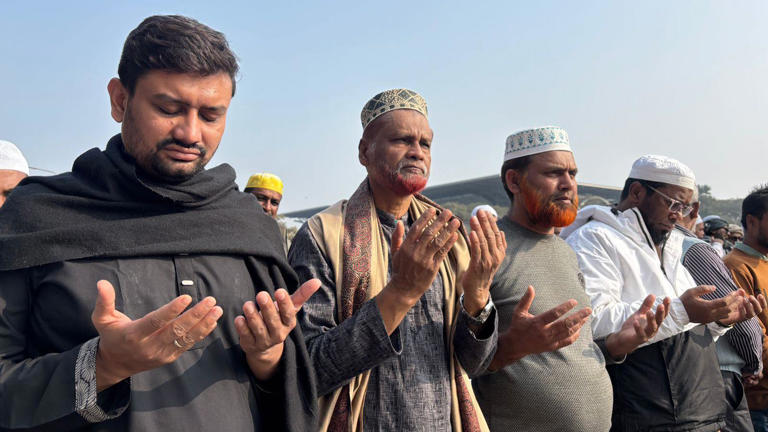
Senior political figures from across South Asia attended the funeral ceremonies, including India’s external affairs minister S. Jaishankar, Pakistan’s National Assembly speaker Sardar Ayaz Sadiq, and Bhutan’s foreign minister Lyonpo D. N. Dhungyel.
Earlier on Wednesday, Zia’s body was taken to the residence of her son Tarique Rahman, who was seen reciting the Qur’an.
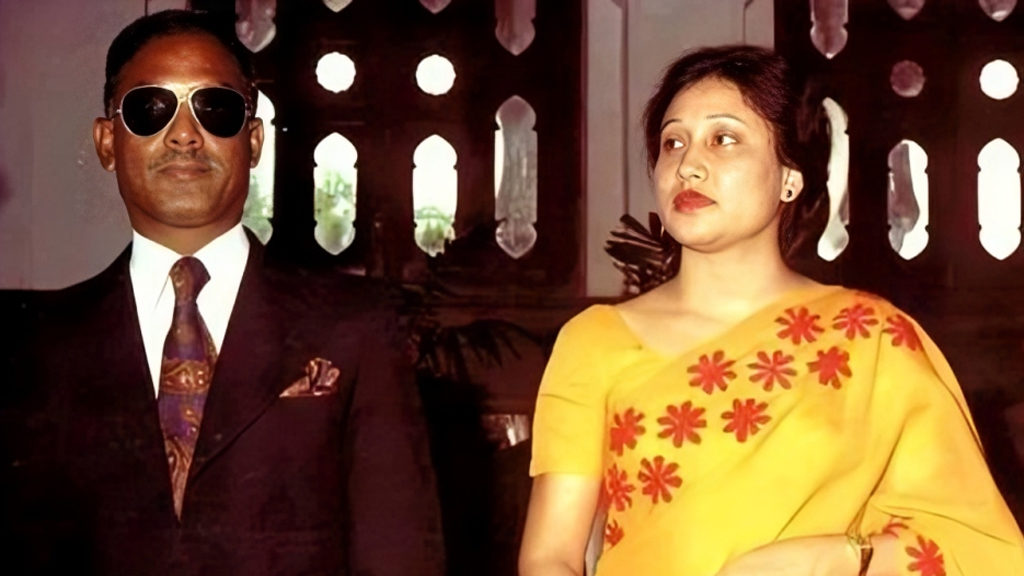
She will be buried next to her husband, former president Ziaur Rahman, who was assassinated in 1981, a moment that propelled her into national political leadership.
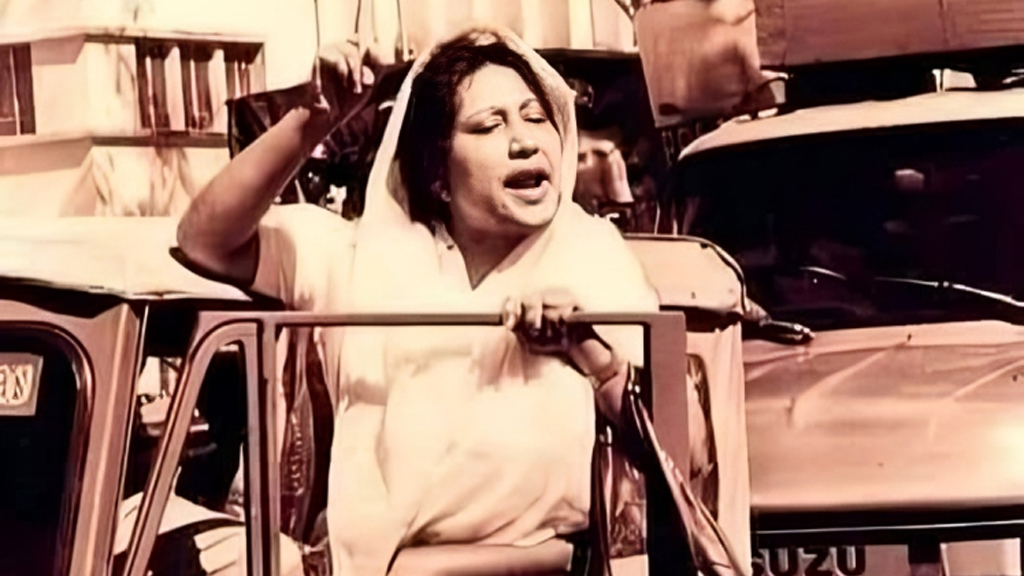
Zia went on to head the BNP, guiding it into competitive politics after years of military rule.
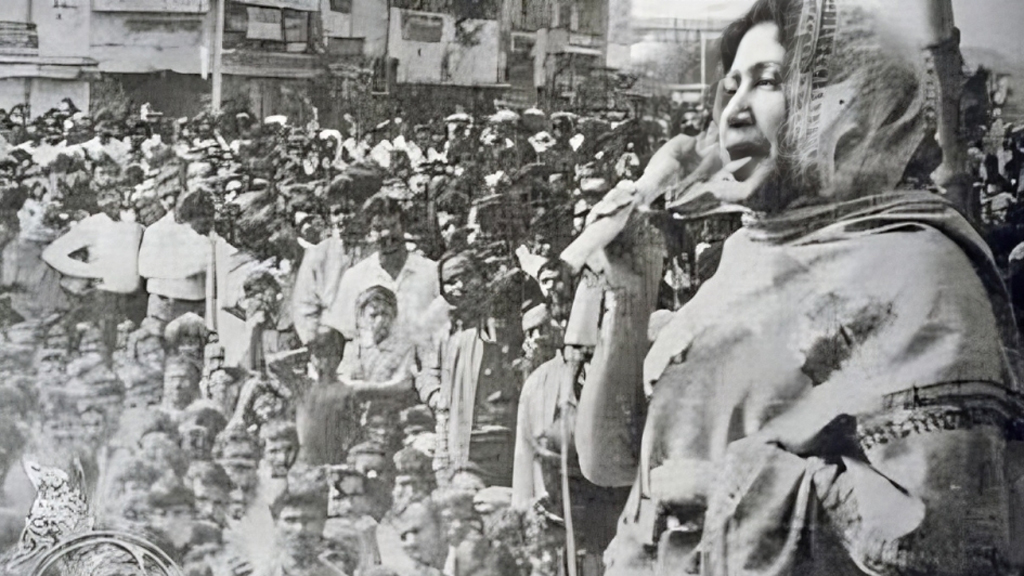
She was known for refusing to participate in an election under General Hussain Muhammad Ershad in the 1980s, a stance that earned her the reputation of being an “uncompromising leader.”
Her political life included periods in prison and under house arrest, and for decades she was locked in a fierce rivalry with Sheikh Hasina.
During the past 16 years under Hasina’s Awami League government, Zia became a central figure for opposition supporters who regarded her as a symbol of resistance.
Despite ill health, the BNP said she had planned to contest parliamentary seats in the general election scheduled for February, the first since last year’s popular uprising that removed Hasina from power.
According to the party, she had been listed as a candidate in three constituencies.
The BNP has said it hopes to return to government, and if successful, her son Rahman, 60, is expected by party members to assume leadership. Rahman returned to Bangladesh last week after 17 years in self-imposed exile in London.
“The country mourns the loss of a guiding presence that shaped its democratic aspirations,” Rahman said following her death.