
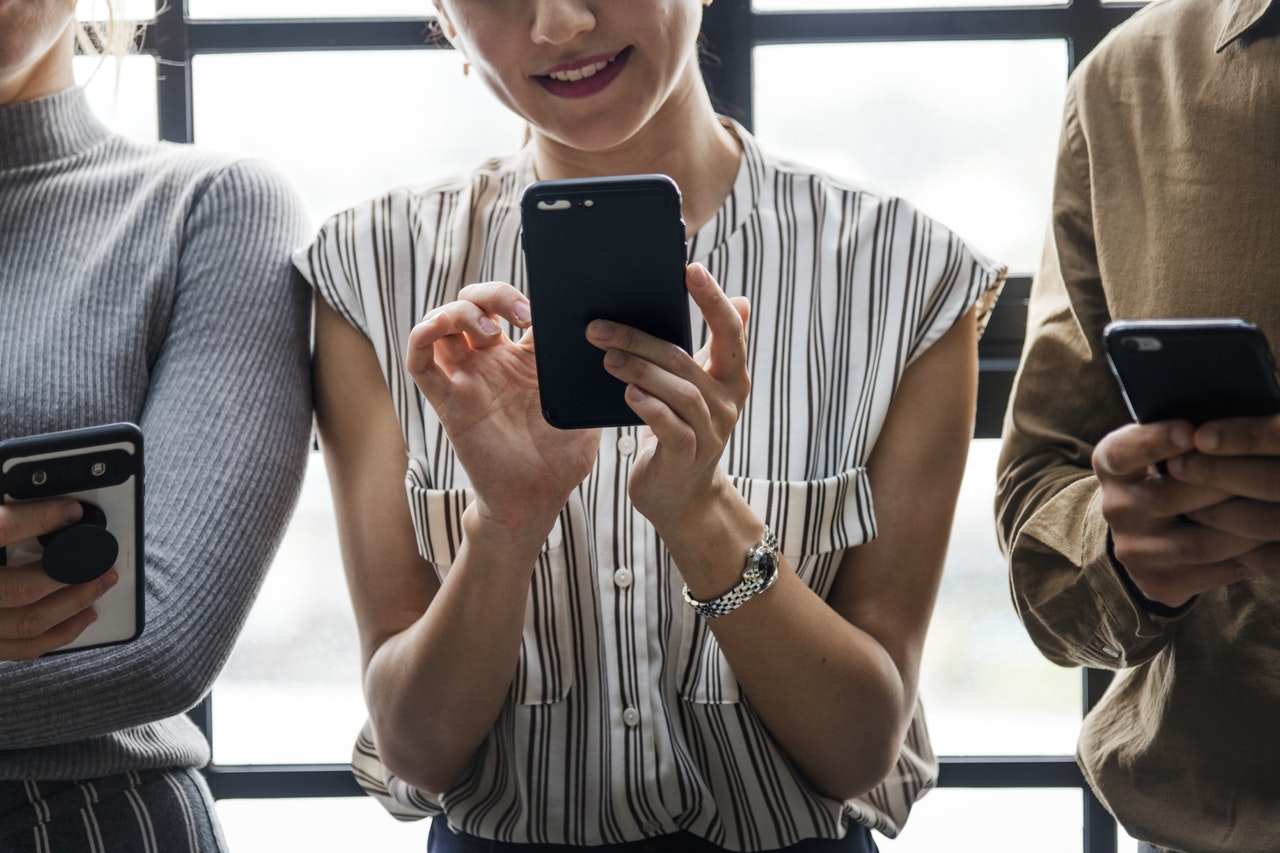

Social media is often discussed as a cultural force, but it is also a biological and psychological one. What happens on a screen does not stay on a screen. It can alter mood, shift sleep timing, intensify stress, shape body image, and influence how the brain responds to reward. The evidence is not simple: some people benefit from online connection, and not every study proves direct causation. Still, large reviews, government advisories, and peer-reviewed studies increasingly suggest that heavy or problematic use is associated with measurable harms, especially in young people.
The former U.S. Surgeon General, Dr Vivek Murthy, warned that social media may pose “a profound risk of harm” to the mental health and well-being of children and adolescents, while the American Psychological Association has urged families and platforms to treat adolescent use with greater caution.
1. It can quietly raise anxiety levels
One of the most consistent findings in the literature is the link between heavier or more problematic social media use and higher levels of anxiety symptoms. A 2024 systematic review and meta-analysis found important evidence of an association between social media use, poor mental health, and sleep problems. Earlier reviews focusing on adolescents likewise found a general correlation between social media use and anxiety, depression, and psychological distress.
Part of the reason is structural. Social platforms reward vigilance. They keep users checking, comparing, anticipating reactions, and monitoring social cues. For people already vulnerable to worry, that can create a feedback loop in which ordinary uncertainty becomes chronic unease. The APA notes that adolescents with certain sensitivities, including those prone to social comparison, may be especially vulnerable.
2. It can worsen low mood and depressive symptoms
The concern here is not that every minute online causes depression, but that patterns of use matter. Reviews of the evidence have repeatedly found associations between high or problematic social media use and depressive symptoms, particularly among adolescents and young adults. A 2020 review in Cureus summarised systematic reviews showing a general correlation between social media use and depression in adolescents. The Surgeon General’s advisory also identified depression as one of the major areas of concern in the youth evidence base.
Passive scrolling appears especially problematic. When use centres on watching others rather than interacting meaningfully, it may intensify feelings of exclusion, inadequacy, or stagnation. That matters because the brain does not always distinguish well between curated digital success and one’s own lived reality.
3. It can delay sleep and reduce sleep quality
Sleep may be the clearest place where screen habits become physiological. Bedtime social media use is associated with trouble falling asleep, staying asleep, and feeling rested the next day. A 2023 study in Sleep Health found that several bedtime screen behaviours, including social media use and chatting, were associated with sleep disturbance in adolescents. Cross-sectional research has also linked social media use and social media stress with longer sleep latency and greater daytime sleepiness.
This is one reason sleep researchers increasingly focus not only on total screen time, but also on timing. A device used near bedtime can push sleep later and make the body less ready for rest, even when the total number of hours online seems moderate.
4. It can interfere with the body’s melatonin rhythm
There is also a biological mechanism behind the sleep problem. Bright light from screens, particularly short-wavelength blue light, can suppress melatonin and delay the circadian signal that tells the body it is time to sleep. Reviews of the blue-light literature note that evening exposure from electronic media can disrupt sleep timing and quality, while studies cited in those reviews show melatonin suppression after pre-bed exposure to digital devices.
This does not mean blue light is the whole story. Emotional arousal matters too. Social media combines light exposure with novelty, conversation, anticipation, and sometimes stress. That combination can be especially disruptive for adolescents, whose sleep schedules are already biologically vulnerable to delay.
5. It can make concentration feel harder
Although attention is influenced by many factors, the architecture of social media is designed around rapid shifts, novelty, and intermittent rewards. Over time, that can train the brain to expect constant stimulation. Reviews of youth social media use increasingly discuss associations with attention problems and difficulties sustaining focus, especially where use is compulsive or fragmented across the day.
That does not mean social media alone causes attention disorders. But it may make deep concentration harder by normalising interruption. The practical result is familiar to many users: difficulty reading long material, increased urge to check the phone, and a sense that the mind has become jumpier than it used to be.
6. It can reinforce compulsive reward-seeking
Notifications, likes, comments, and unpredictable rewards activate the brain’s reinforcement systems. This helps explain why some people do not simply use social media, but feel pulled back to it repeatedly. A 2024 review in Addictive Behaviors on problematic social media use in childhood and adolescence highlights how platform design, developmental vulnerability, and reinforcement patterns can contribute to problematic use.
This matters for mental health because compulsive checking can make it harder to tolerate boredom, uncertainty, or emotional discomfort. Instead of resting, reflecting, or recovering, the user keeps returning for another small hit of stimulation. That can erode self-regulation over time.
7. It can intensify body dissatisfaction
Social media does not merely show bodies, it curates ideals. A 2021 study on adolescents found that appearance-related social media use was positively associated with body dissatisfaction in both girls and boys, with thin-ideal and muscular-ideal internalisation helping explain the effect. A 2022 JAMA Network Open study likewise linked smartphone use, body image distortion, and unhealthy weight-loss behaviours in adolescents.
This is not only about vanity. Body dissatisfaction is associated with low self-esteem, disordered eating risk, and emotional distress. The problem is amplified by filters, editing tools, and algorithmic repetition, which can make abnormal appearance standards feel ordinary.
8. It can leave people feeling more alone, not less
One of the great paradoxes of social media is that connection and loneliness can increase at the same time. The evidence here is more mixed than for sleep or anxiety. Some studies find small associations, and the size of the effect depends on age, type of use, and whether interaction is supportive or passive. Even so, reviews note that problematic or emotionally unsatisfying use can coincide with loneliness and emotional distress.
In practice, this often happens when digital interaction displaces embodied relationship. A person may be surrounded by updates yet starved of genuine closeness. The result is social saturation without emotional nourishment.
9. It can prolong stress after a stressful event
The relationship between social media and stress is complex. Not every study finds that short sessions raise cortisol or heart rate. One 2024 PLOS One study, for example, did not find a physiological stress response from brief bouts of social media or YouTube use. But earlier work found that Facebook use after an acute stressor was associated with more sustained cortisol levels during recovery, suggesting that social media may in some circumstances interfere with the body’s ability to come down after stress. A 2022 review on social media, stress, and coping concluded that social media can function both as a stressor and as a coping tool depending on context.
That nuance matters. The strongest claim supported by the evidence is not that social media always raises stress hormones, but that it can prolong stress, amplify stress, or make recovery from stress less efficient in some users and situations.
10. It can contribute to eye strain and headaches
The body pays a price for long hours on screens. Reviews of excessive screen time consistently identify digital eye strain, headaches, dry eyes, blurred vision, and visual fatigue as common physical complaints. A recent review on prolonged screen time and postural health likewise reported eye strain and computer vision syndrome among frequent device users.
Social media may not be the only source of screen exposure, but it is one of the most repetitive and difficult to self-limit. The endless scroll is not just mentally absorbing. It also keeps the eyes fixed at a near distance for prolonged periods, often without enough blinking or visual breaks.
11. It can worsen posture and musculoskeletal pain
The physical posture of social media use is rarely neutral. Long periods spent looking down at a phone or hunching over a device are associated with neck, shoulder, and back pain. Recent reviews on screen-related physical health effects have found consistent links with musculoskeletal discomfort, including cervical and lumbar pain.
This matters because the harm accumulates gradually. Users often notice mental fatigue first, but the body keeps the score in tight shoulders, aching wrists, headaches, and persistent neck strain. The phrase “text neck” may sound casual, but the underlying mechanics are real.
12. It can push the body towards a more sedentary life
Time spent scrolling is often time not spent moving. Reviews of internet and screen use in children and adolescents have linked higher use with obesity risk, lower physical activity, and wider psychosocial problems. The concern is not only energy balance. Sedentary routines can affect sleep, mood, posture, and cardiometabolic health all at once.
This is one reason the effects of social media often cluster. Poor sleep can worsen mood. Low mood can increase passive scrolling. Scrolling can reduce movement. Reduced movement can worsen sleep and stress. What looks like a digital habit can become a full-body pattern.
In Conclusion
The hidden effects of social media are not limited to one domain. They cross from mood into biology, from sleep into posture, from body image into anxiety. The research does not support panic, but it does support caution, especially around heavy, compulsive, bedtime, or appearance-driven use. The most honest summary is this: social media can be useful, but it is not psychologically or physically neutral.
For readers, the practical question is not whether to abandon it altogether, but whether their current pattern of use is serving their health. If it is harming sleep, concentration, mood, or self-image, that is not a minor inconvenience. It is a health signal worth taking seriously.