

Losing weight is rarely just about discipline. It is about awareness. Many people follow their diet faithfully, only to feel frustrated when the scale refuses to move. The problem is often not effort, but hidden calories and misunderstood “healthy” everyday food choices.
Modern nutrition science shows that certain foods disrupt appetite regulation, spike blood sugar, or deliver far more calories than expected. Research published in The New England Journal of Medicine has consistently linked sugar-sweetened beverages, refined carbohydrates, and ultra-processed foods with long-term weight gain. Meanwhile, studies in The American Journal of Clinical Nutrition highlight how low-fibre, high-calorie foods fail to trigger fullness, leading to overeating.
Here are 18 common foods and drinks that may be quietly working against your progress.
1. Cream-Based Foods
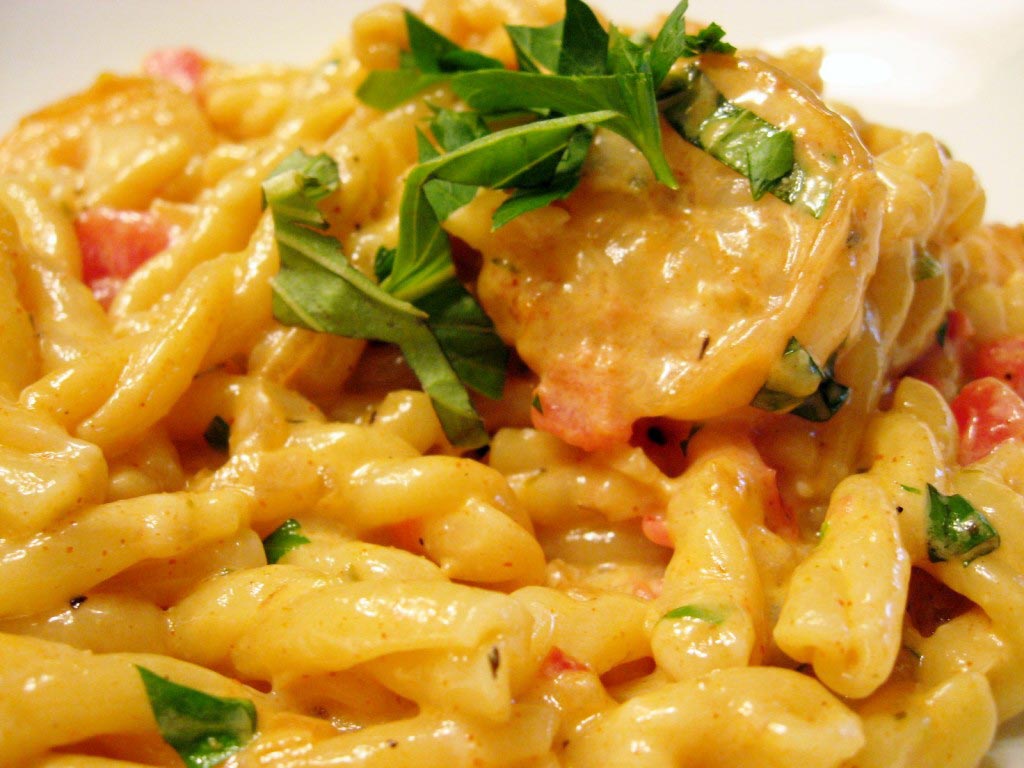
Cream is one of the most calorie-dense ingredients in everyday cooking. Just a small amount can significantly increase the energy content of a meal without improving satiety. Nutrition data shows that high-fat dairy products deliver more than twice the calories per gram compared to protein or carbohydrates. Swapping cream for Greek yoghurt or lighter alternatives can dramatically reduce intake without sacrificing texture.

2. Sugary Soft Drinks
Sugar-sweetened beverages are among the strongest contributors to weight gain. A landmark review in The Lancet found that liquid calories do not trigger the same fullness signals as solid food, leading people to consume more overall. These drinks rapidly spike blood glucose and insulin, often followed by cravings shortly after.
3. Fruit Juices
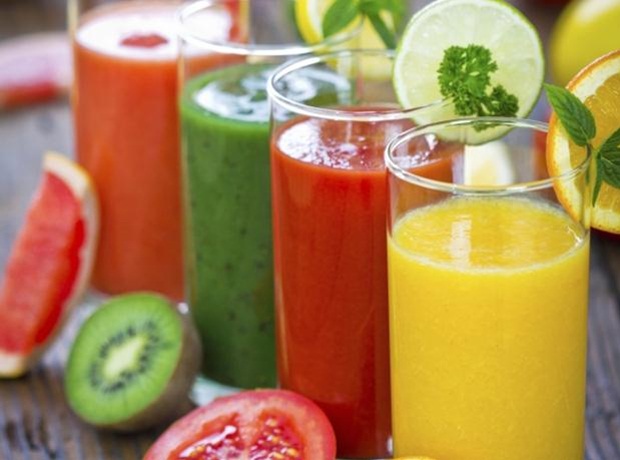
Fruit juice carries a health halo, but metabolically it behaves much like sugar. Without the fibre found in whole fruit, juice is absorbed quickly, increasing hunger rather than reducing it. Harvard researchers have linked regular fruit juice consumption with higher risk of weight gain and type 2 diabetes.
4. Cheese
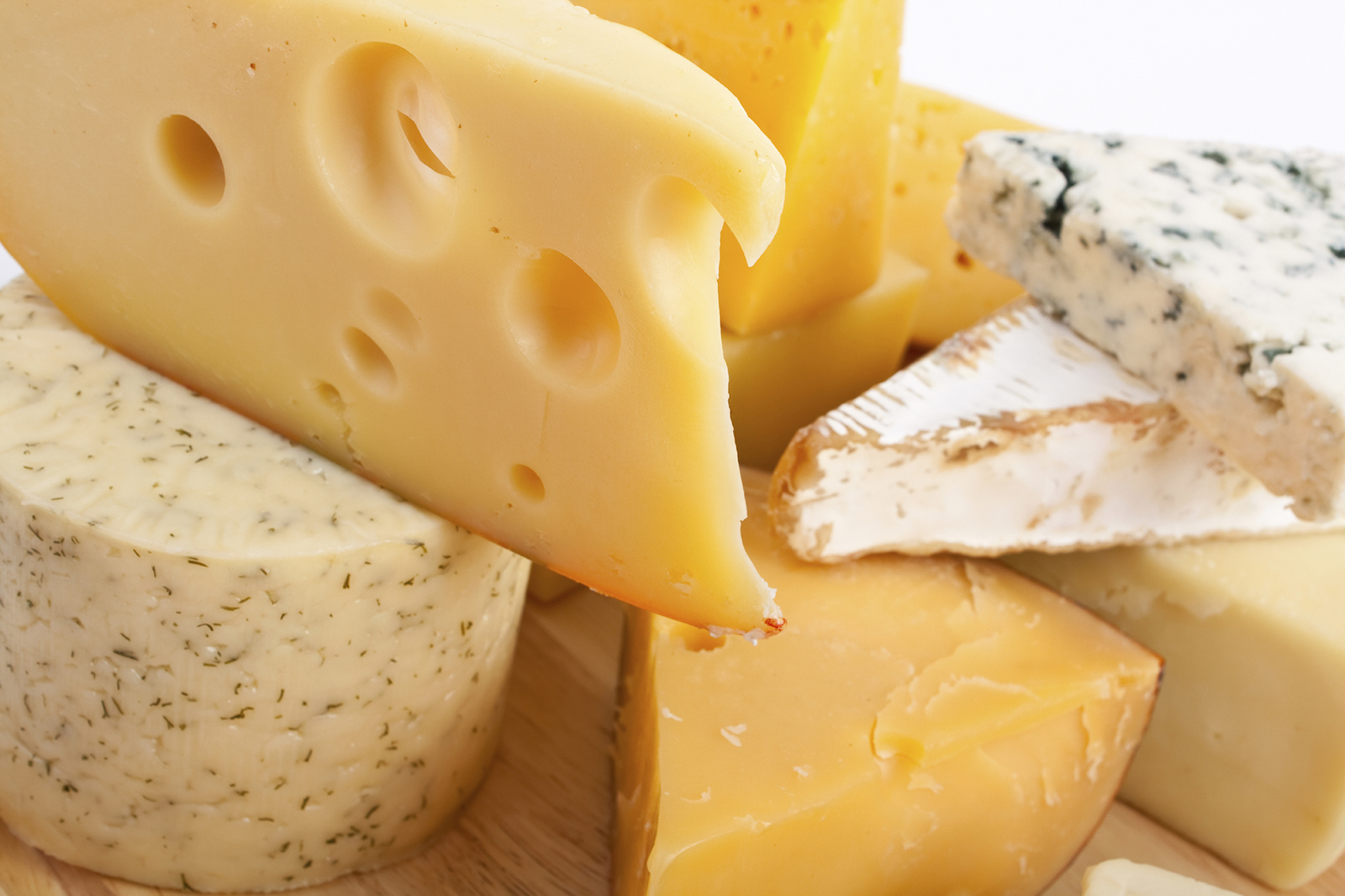
Cheese is rich in protein and calcium, but it is also energy-dense. Studies show that calorie-dense foods are easier to overconsume because they deliver large amounts of energy in small portions. A few slices can double the calorie load of an otherwise balanced meal.
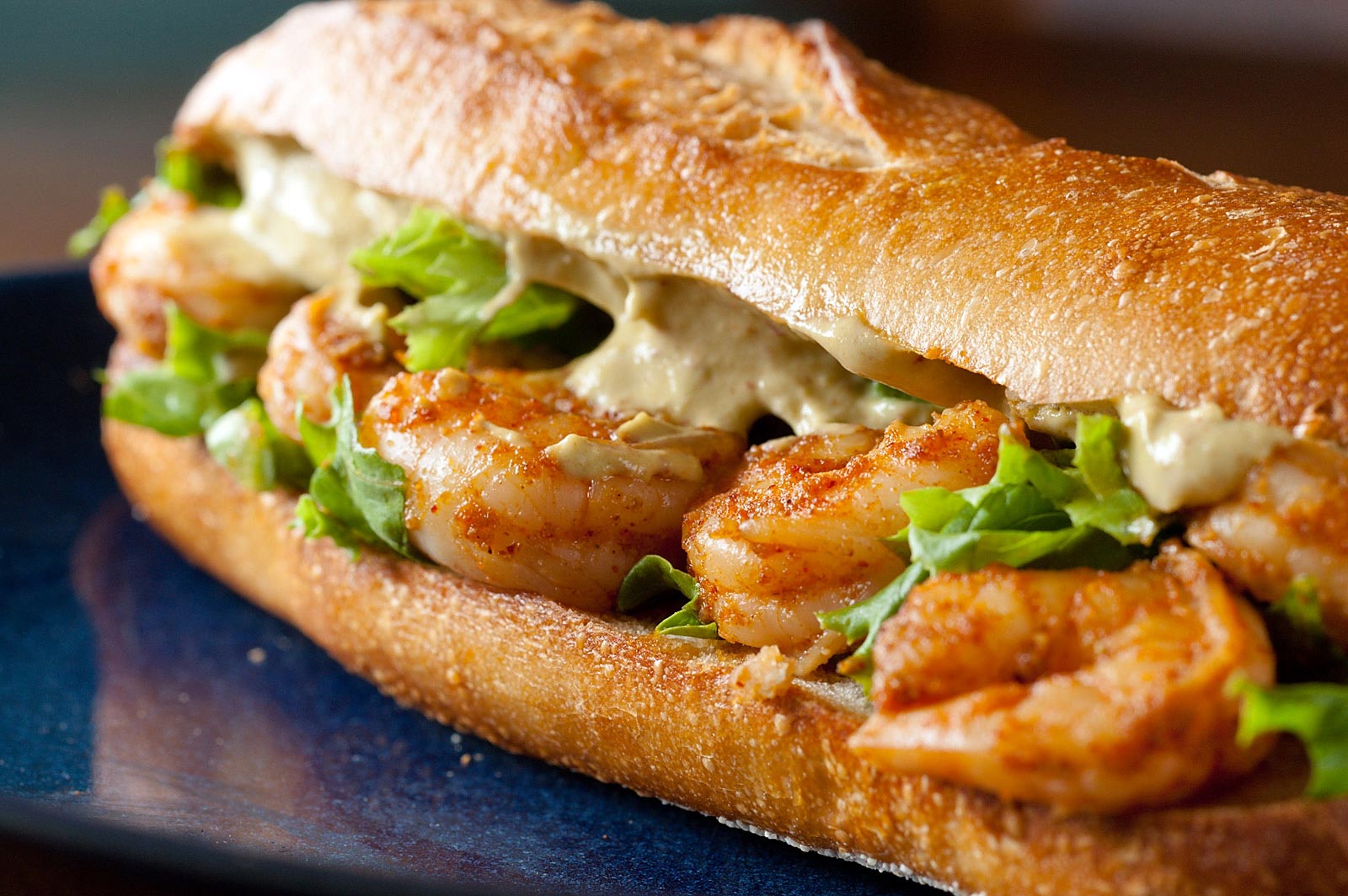
5. Condiments and Dressings
Salad dressings, mayonnaise, and sauces often contain hidden sugars and oils. Research in Appetite highlights that “invisible calories” from condiments can significantly increase total daily intake because people rarely account for them.
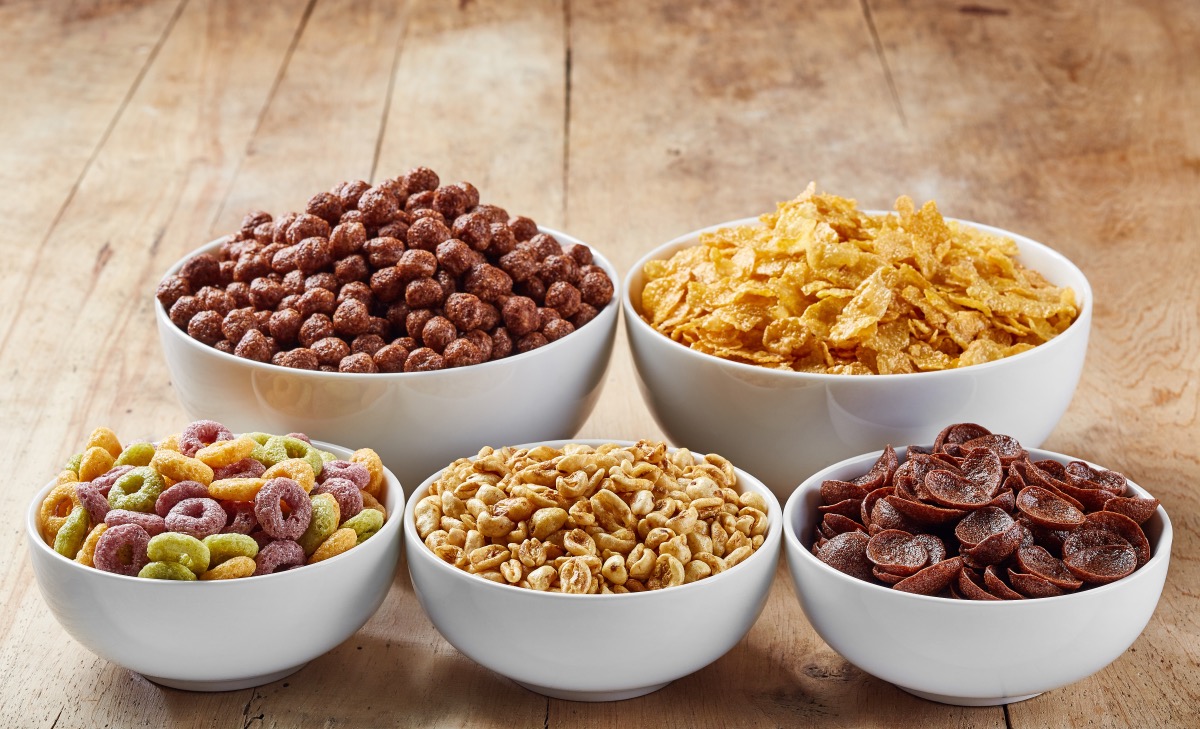
6. Breakfast Cereals
Many packaged cereals are highly processed and loaded with sugar. Even those marketed as “healthy” can cause rapid spikes in blood sugar, followed by crashes that increase hunger. Whole grains like oats, by contrast, are associated with improved satiety and better weight control.
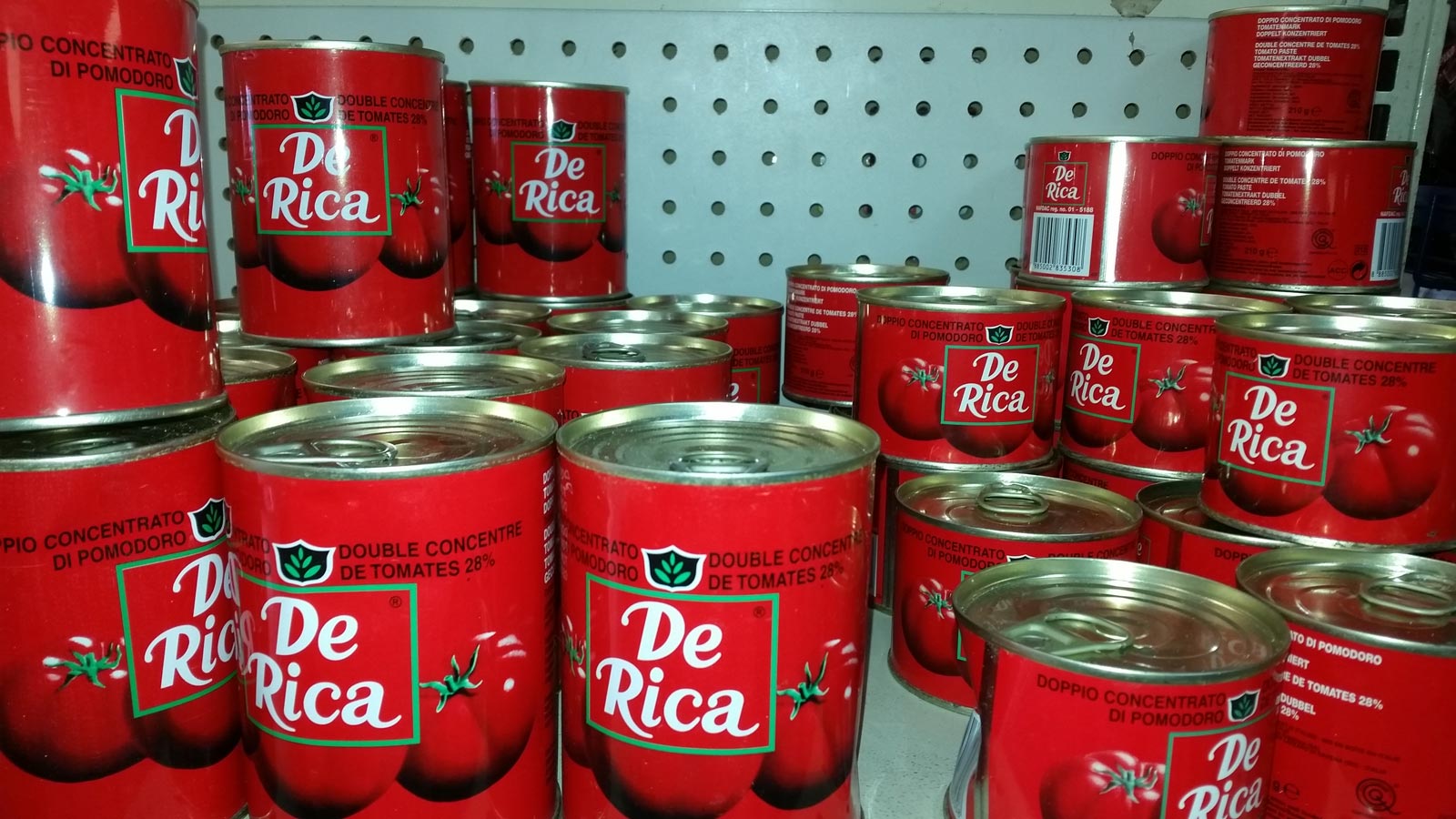
7. Jarred Cooking Sauces
Convenience sauces often contain added sugar, refined oils, and preservatives. Studies on ultra-processed foods, including research from National Institutes of Health, show that diets high in processed foods lead to higher calorie intake and weight gain compared to whole-food diets.
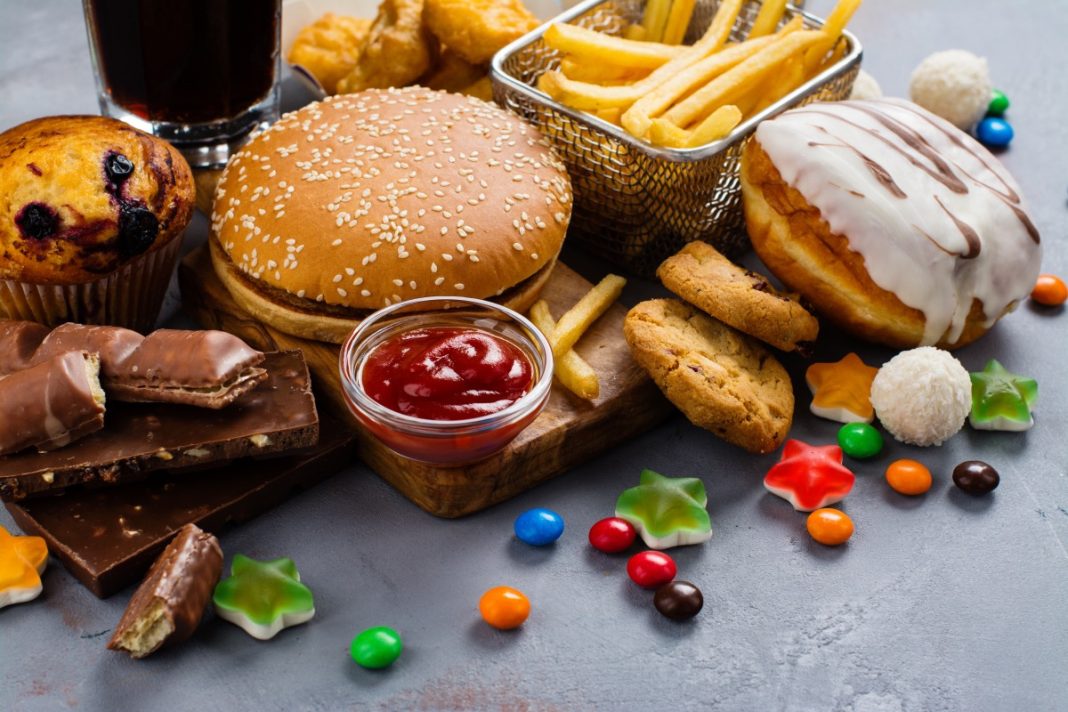
\Assortment of unhealthy products that’s bad for figure, skin, heart and teeth. Fast carbohydrates food. Space for text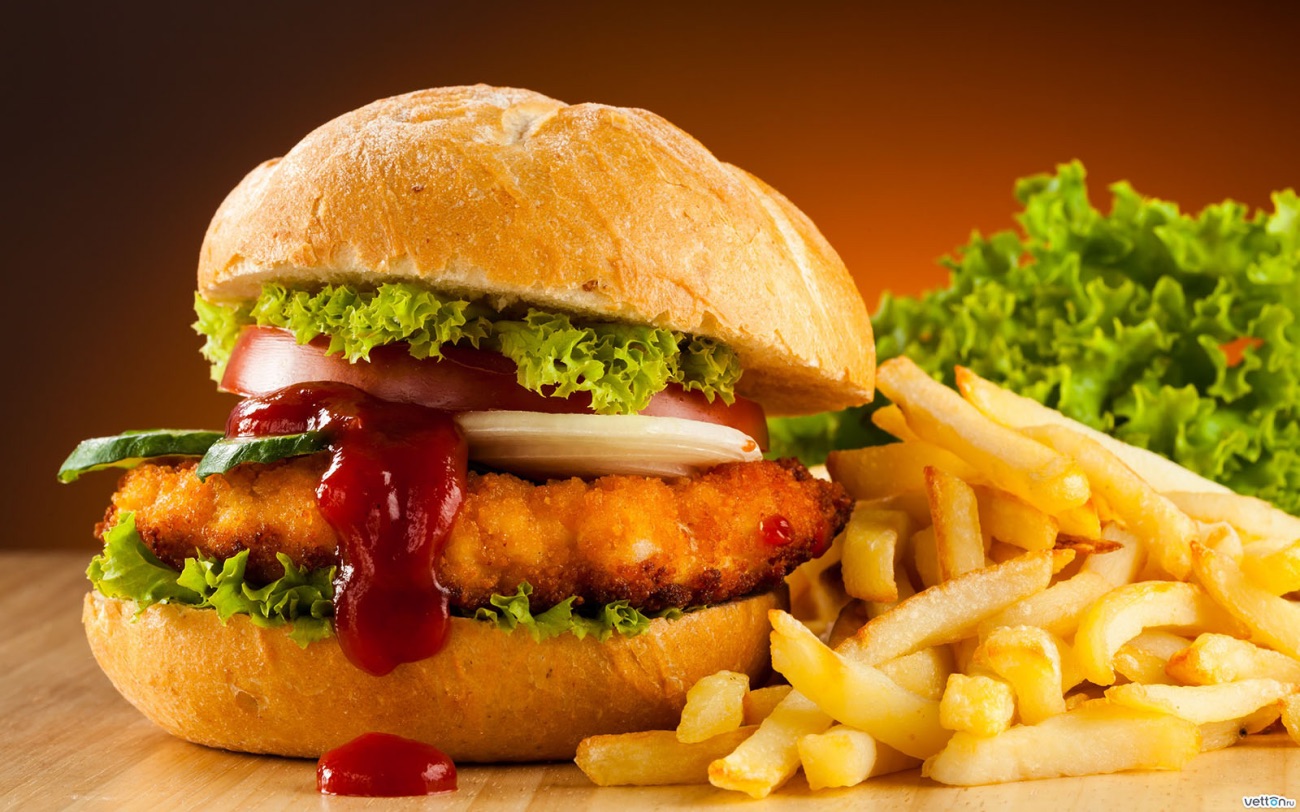
8. Fast Food
Fast food is engineered for taste, not satiety. It combines refined carbohydrates, unhealthy fats, and salt in ways that override natural hunger signals. Research consistently shows that frequent fast-food consumption is associated with obesity and metabolic disorders.
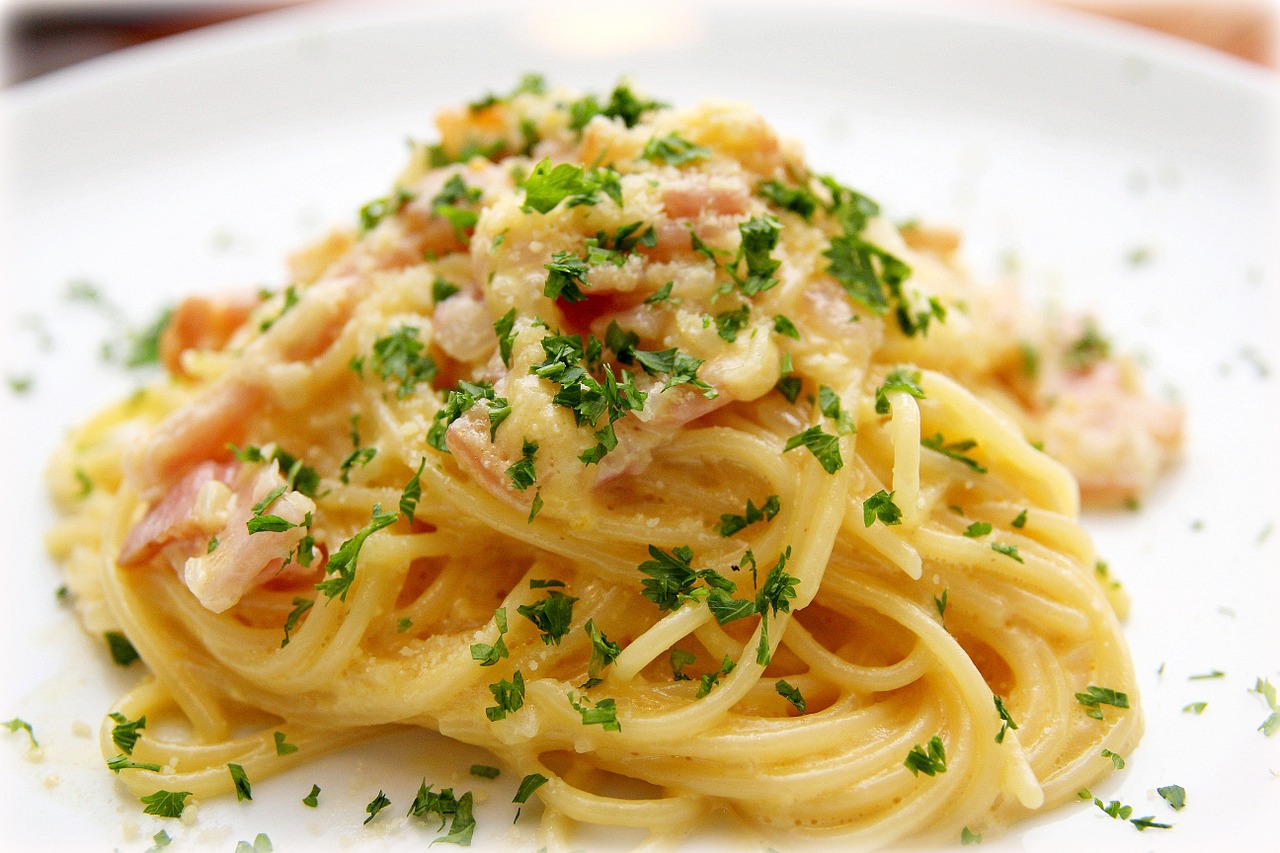
9. Refined Pasta
White pasta is rapidly digested, causing spikes in blood sugar. Without sufficient fibre or protein, it does not keep you full for long. Whole-grain alternatives slow digestion and help regulate appetite more effectively.
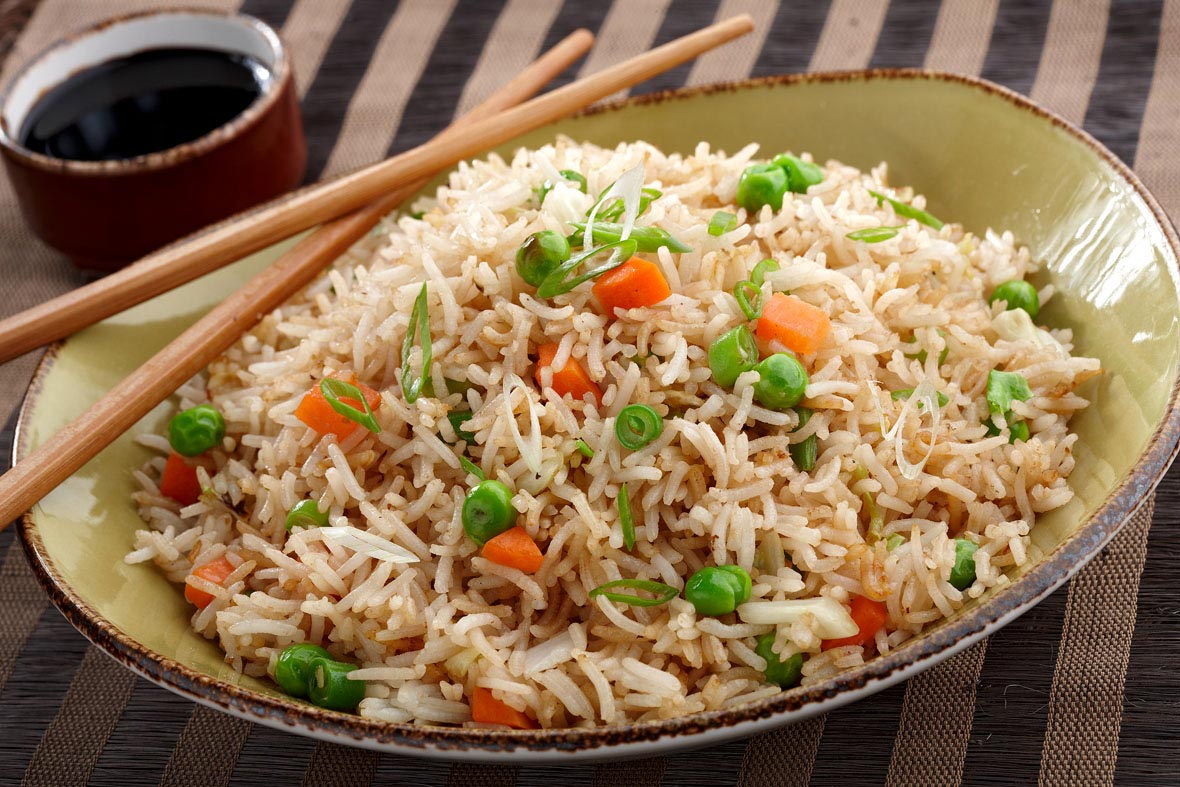
10. White Rice
Like refined pasta, white rice has a high glycaemic index. Studies have linked high consumption of refined grains to increased hunger and greater risk of weight gain. Brown rice and other whole grains offer more fibre and better metabolic control.

11. Alcohol
Alcohol provides “empty calories” and impairs judgment around food choices. Research in The American Journal of Clinical Nutrition shows that alcohol consumption can increase appetite and reduce fat burning, making weight loss more difficult.
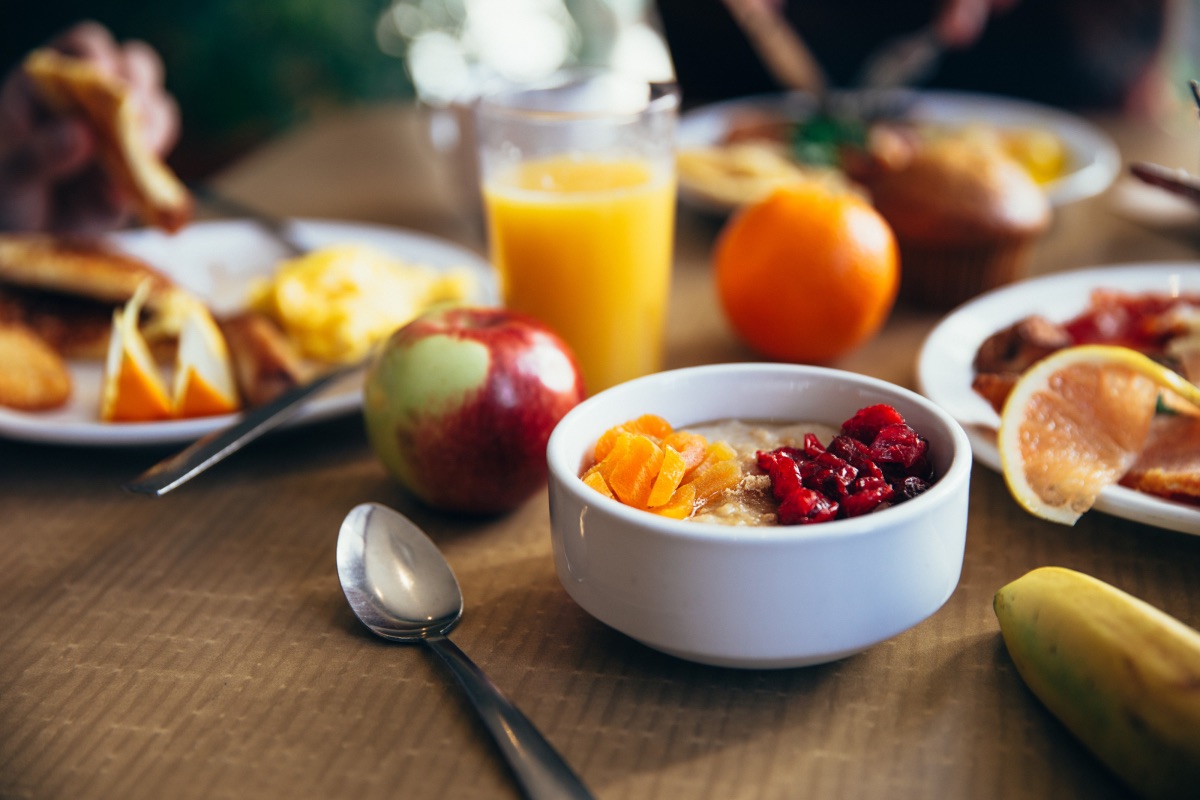
12. High-Sugar Fruits in Excess
Fruits are healthy, but portion size matters. Tropical fruits such as mango and pineapple are higher in natural sugars and calories. Nutrition experts emphasise balance, as even healthy foods can contribute to excess calorie intake when consumed in large quantities.
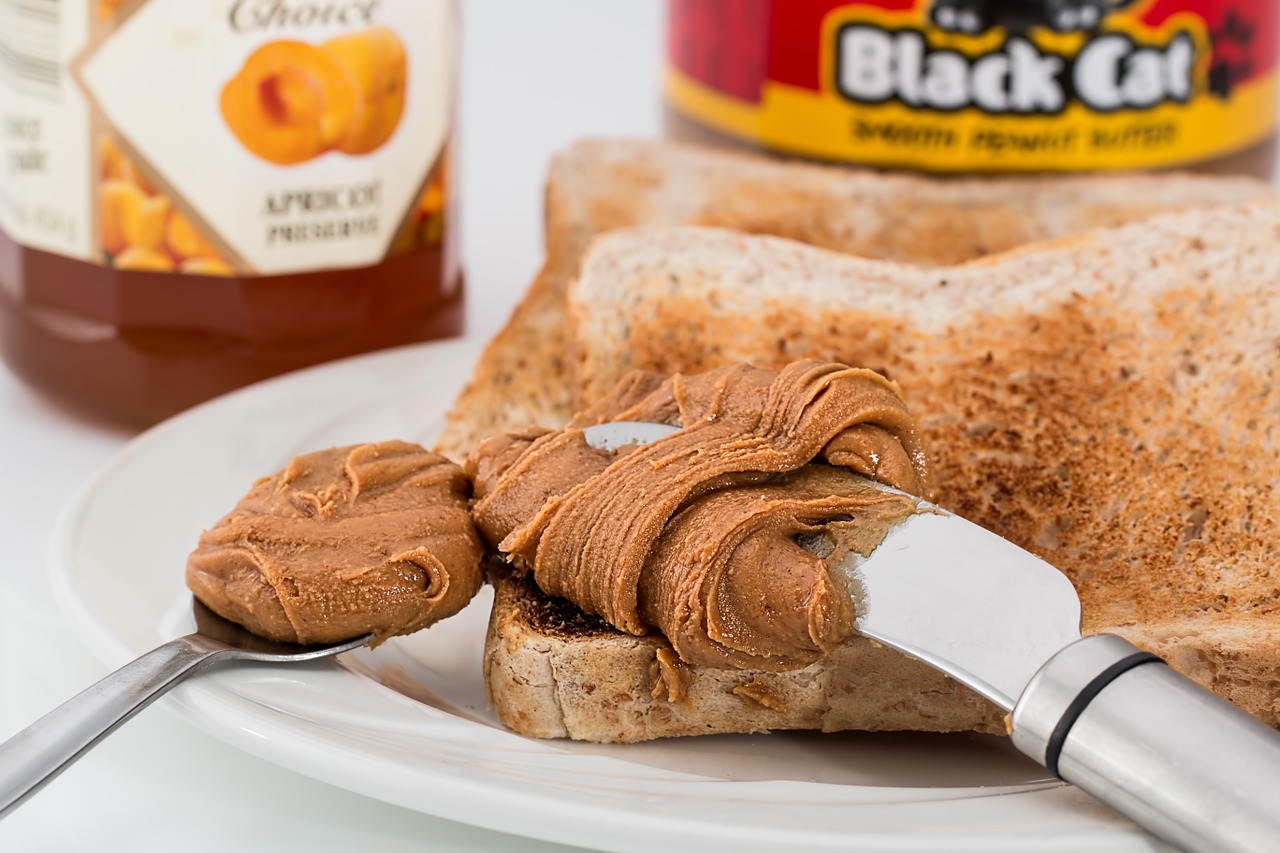
13. Peanut Butter
Nuts are nutritious, but peanut butter is easy to overeat. Studies show that energy-dense foods are often consumed beyond satiety because they are palatable and convenient. Just a few extra spoonfuls can add hundreds of unnoticed calories.
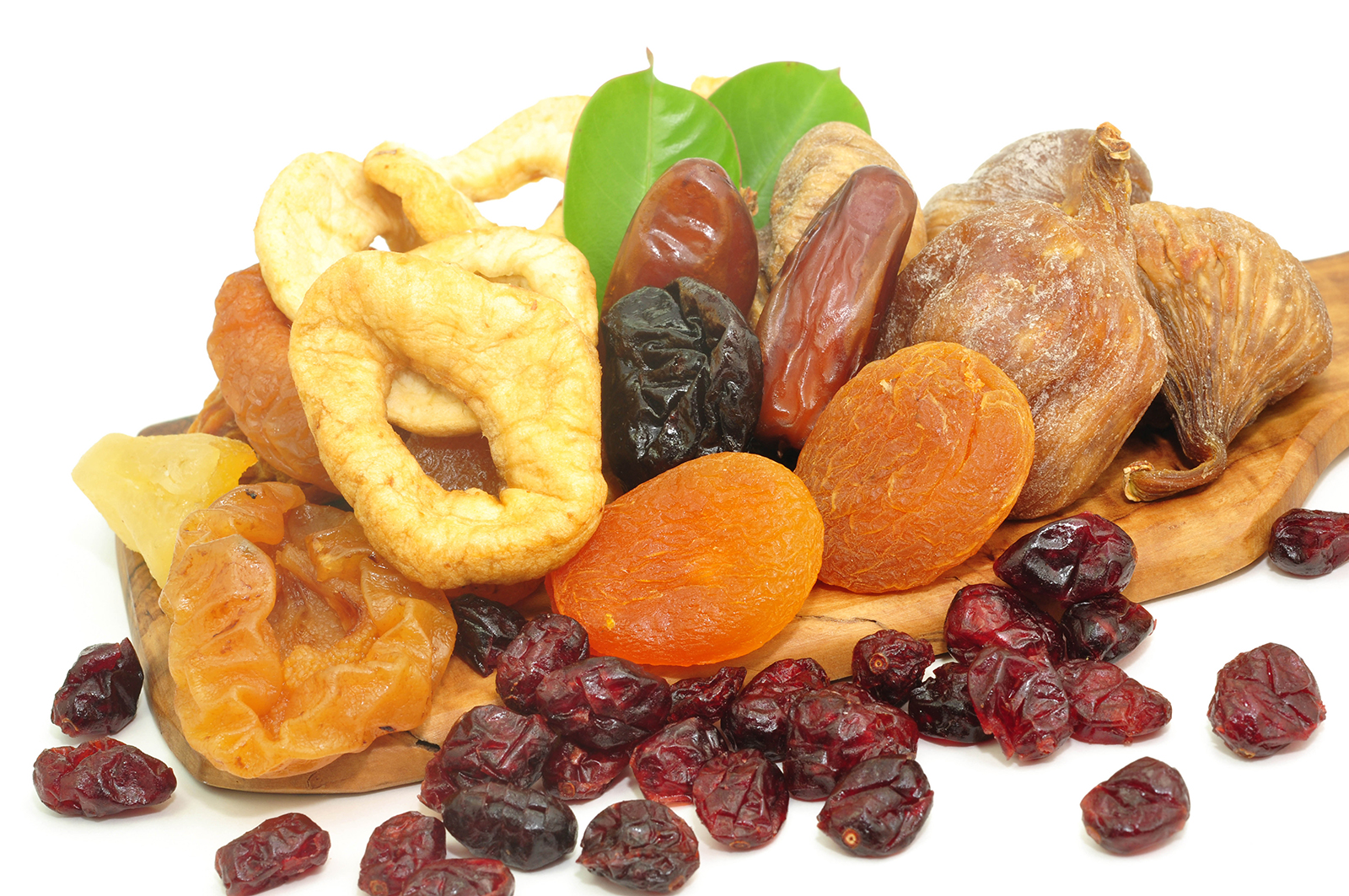
14. Dried Fruit
Drying fruit concentrates sugar and calories into a much smaller volume. Research in nutrition science shows that reduced volume can lead to overconsumption, as the brain relies partly on portion size to regulate intake.

15. Snack Bars
Many protein and granola bars are essentially processed snacks with added sugar. A report in BMJ on ultra-processed foods highlights how these products are often marketed as healthy despite their high energy density and low satiety value.
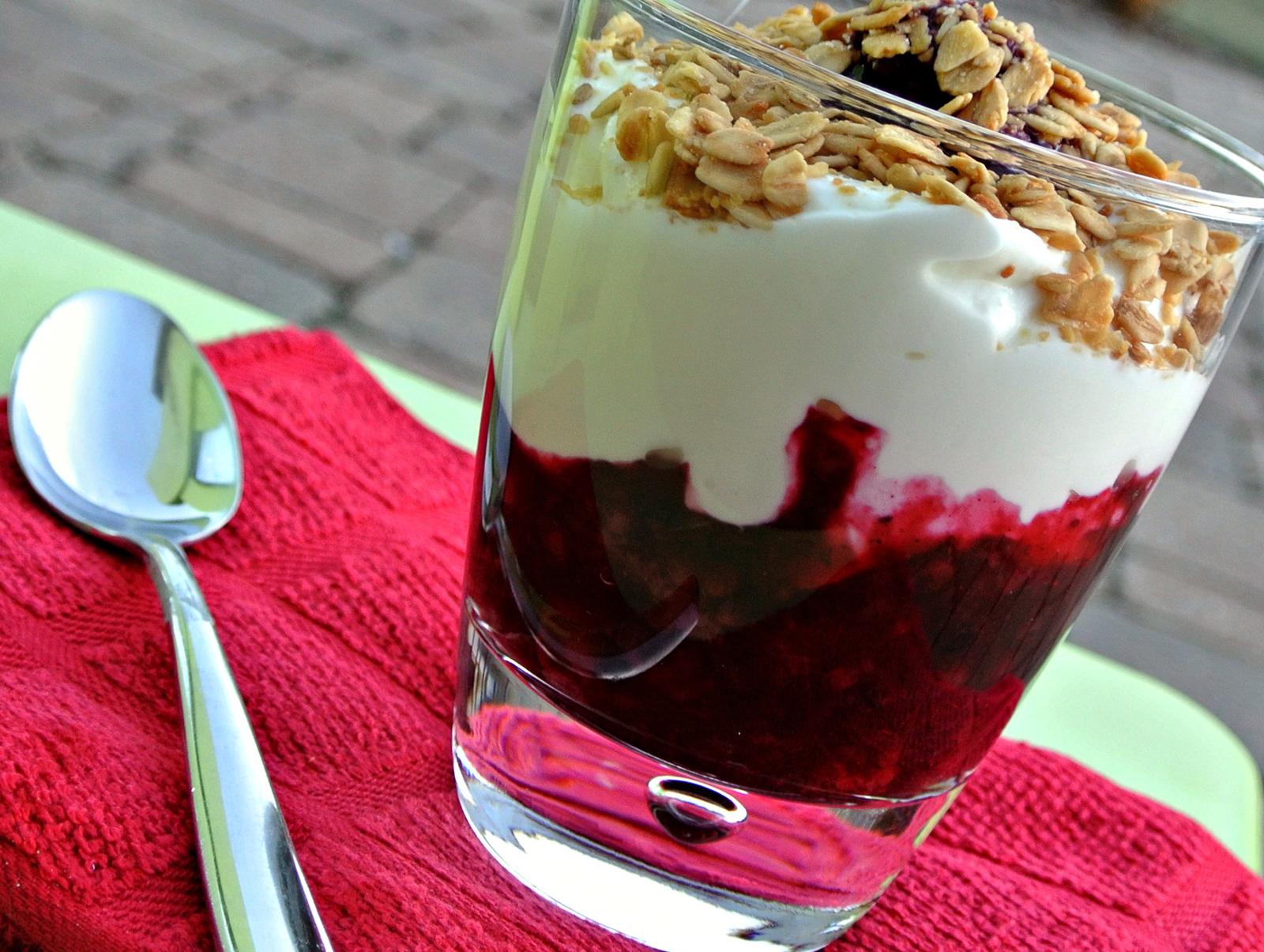
16. Flavoured Yoghurt
Yoghurt can be a healthy choice, but flavoured varieties often contain significant added sugar. Studies show that added sugars increase total calorie intake without improving fullness, making them a hidden obstacle in weight loss.
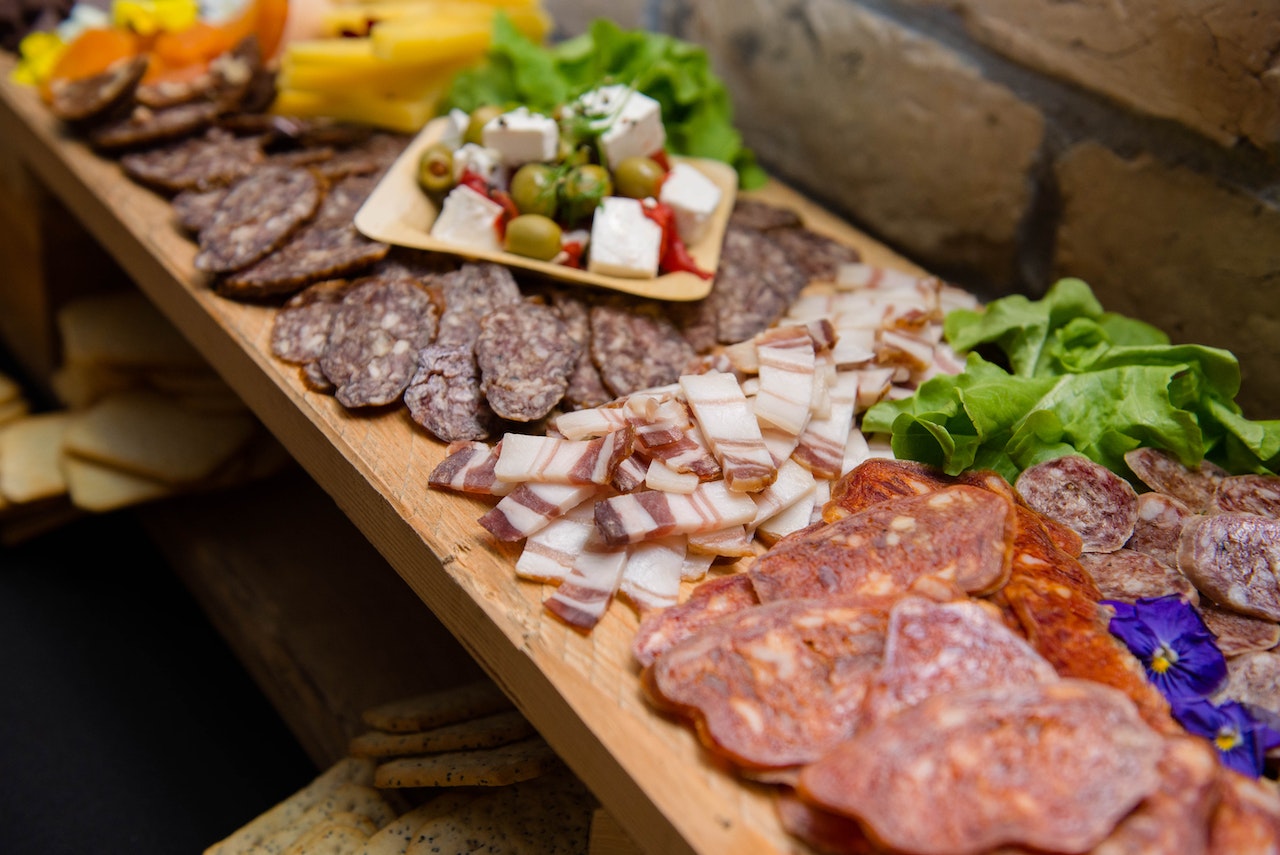
17. Processed Meats
Processed meats often contain added fat, salt, and preservatives. Research links high consumption of processed meat with not only weight gain but also increased risk of chronic diseases. Lean, unprocessed protein sources are a far better option.
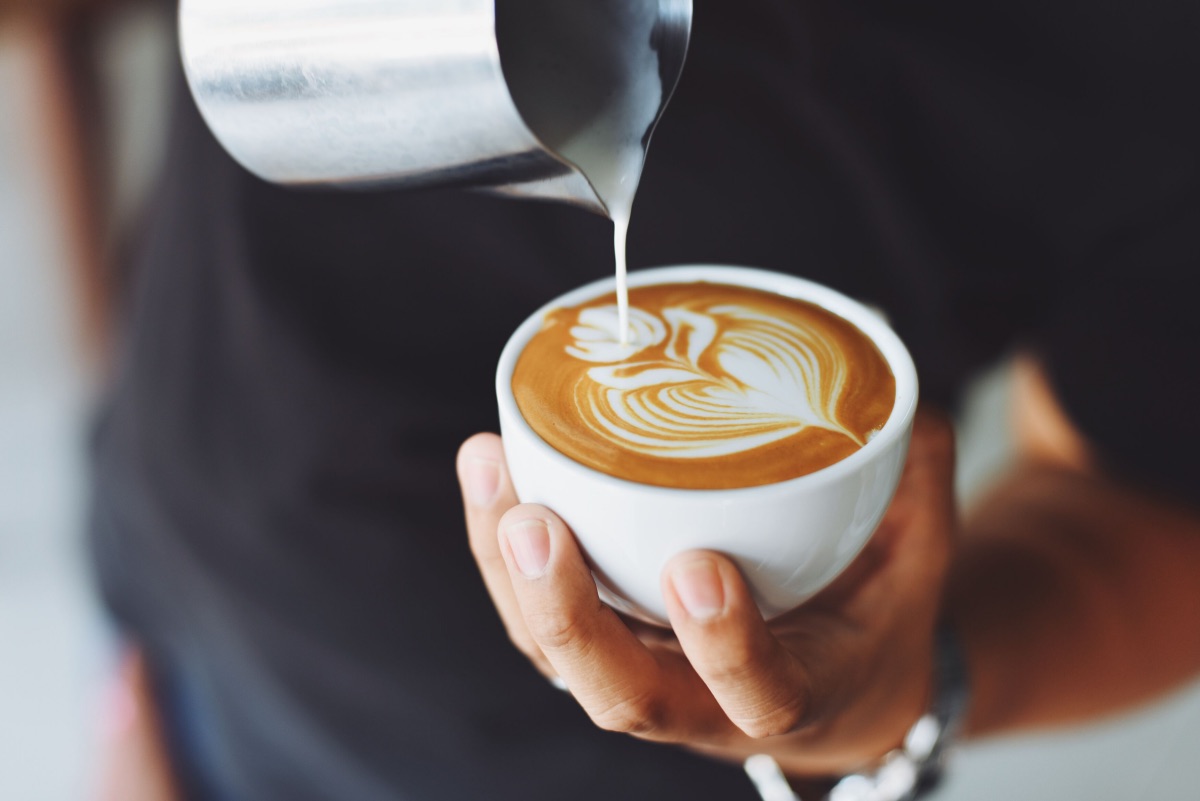
18. Fancy Coffee Drinks
Lattes, frappuccinos, and flavoured coffees can contain more calories than a full meal. Liquid calories are particularly problematic because they are consumed quickly and do not reduce hunger later. Studies consistently show that beverages contribute less to satiety than solid foods.
In Conclusion
Weight loss is not just about eating less. It is about eating smarter. Many of the foods that derail progress are not obviously unhealthy. They are familiar, convenient, and often marketed as harmless or even beneficial.
The science is clear: foods that are highly processed, energy-dense, and low in fibre tend to increase calorie intake and reduce satiety. By becoming more aware of these hidden traps and making small, intentional substitutions, it becomes far easier to achieve sustainable results.
In the end, success is not about perfection. It is about clarity.