
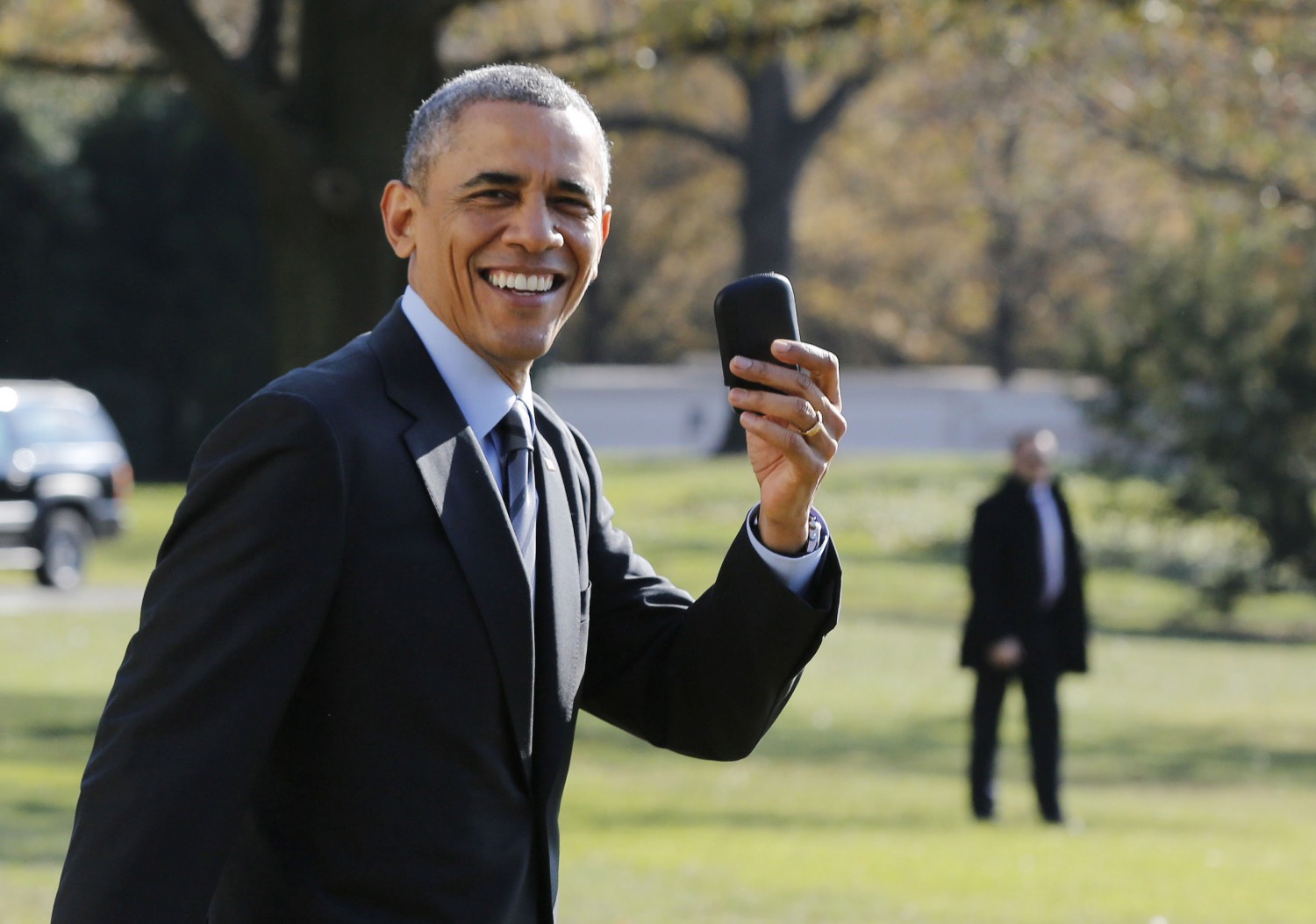

BlackBerry was not just a company. It was a culture. Executives, presidents, and professionals carried its devices as symbols of power, efficiency, and control. The iconic physical keyboard, secure messaging, and reliable email made it indispensable.
Then, almost quietly, it faded.
The arrival of the iPhone did not merely introduce a new device. It redefined what a phone could be. And BlackBerry, despite its dominance, struggled to respond.
Its story is not just about technology. It is about leadership, adaptation, timing, and human psychology. For anyone building a career, a business, or a life, there are lessons here that go far beyond the tech industry.
1. Dominance Can Blind You to Disruption
At its peak, BlackBerry controlled a significant share of the global smartphone market. It had loyal users, strong enterprise relationships, and a product that worked exceptionally well for its time.
But dominance can create a dangerous illusion: that what works now will continue to work tomorrow.
BlackBerry did not ignore innovation because it lacked intelligence. It underestimated the nature of the shift. It saw the iPhone as a niche product, not a paradigm change.
This is a common human error. When something has worked for a long time, we unconsciously defend it. We refine it. We protect it. But we do not question it deeply enough.
True growth requires the humility to ask: what if the rules have changed?
2. Innovation Is Not About Improvement, It Is About Reinvention
BlackBerry focused on improving what it already did well, secure email, battery efficiency, and physical keyboards.
Meanwhile, the iPhone reimagined the entire experience.
It replaced buttons with touch. It transformed the phone into a platform for applications. It shifted the focus from function to experience.
This highlights a critical distinction: improvement sustains relevance, but reinvention creates the future.
Many individuals and organisations fall into the trap of incremental progress when what is required is radical rethinking. They become better at the wrong game.
The real question is not, how do I do this better, but is this still what I should be doing at all?
3. Customer Behaviour Changes Faster Than Loyalty
BlackBerry had deeply loyal customers. Corporate clients depended on it. Governments trusted it. Professionals swore by it.
But loyalty has limits when expectations change.
Consumers did not abandon BlackBerry out of betrayal. They simply moved towards something that better met their evolving needs, intuitive design, multimedia capability, and a growing ecosystem of apps.
This reflects a broader truth: people do not stay where they are respected; they stay where they are served.
In life and work, it is not enough to rely on past relationships, past achievements, or past relevance. Value must be continuously redefined in the present.
4. Timing Matters More Than Strength
BlackBerry was not weak. It was late.
It attempted to respond with touchscreen devices and new operating systems, but by then, the market had already shifted. Competitors had built ecosystems. Developers had moved on. Consumer habits had changed.
Strength without timing often looks like struggle.
There are moments when decisive action is required, not prolonged evaluation. The cost of delay is not just lost opportunity, it is diminished relevance.
For individuals, this translates into a simple but uncomfortable truth: knowing what to do is not enough. Doing it at the right time is what separates movement from stagnation.
5. Reinvention Is Always Possible, But Not Automatic
BlackBerry did not disappear entirely. It pivoted into software, security, and enterprise services. In many ways, it survived by becoming something different.
But the scale and influence it once commanded were not fully recovered.
Reinvention is possible, but it is not guaranteed. It requires awareness, humility, and the willingness to let go of identity.
For many, the hardest part is not learning something new. It is releasing what once defined them.
This is where the story becomes deeply personal.
Whether in career, business, or life stages, there are moments when the question is not, how do I improve who I am, but who must I become next?
A Final Reflection
The story of BlackBerry is often told as a cautionary tale of failure. But it is more accurately a study in transition.
It reminds us that relevance is not a destination. It is a moving target.
The world changes. Industries evolve. Expectations rise. And each of us, in our own way, faces moments where we must decide whether to adapt, to reinvent, or to remain as we are.
The deeper lesson is this: decline is rarely sudden. It is usually the result of small, unchallenged assumptions over time.
But so is growth.
Just as stagnation compounds quietly, so does renewal.
And for those willing to reflect, to adjust, and to move with intention, the future is not something to fear, but something to step into, deliberately, wisely, and on time.