


EDMONTON, Canada — Voters in Alberta have overwhelmingly rejected a proposal that could have led to the oil-rich province separating from Canada.
The referendum, held on Monday, October 19, 2026, showed approximately 76 per cent supporting continued membership of Canada, compared with nearly 24 per cent who favoured beginning a process towards independence.
With more than 1.4 million ballots counted, the Canadian public broadcaster CBC News projected that the proposal had been defeated.
The vote was not a direct decision on independence. Albertans were asked whether their provincial government should initiate the constitutional procedures necessary to organise a future binding referendum on separation.
The result prevents that process from proceeding under the proposal put to voters.
Official results are expected to be announced on October 29 after the provincial election authority completes its verification of the ballots.
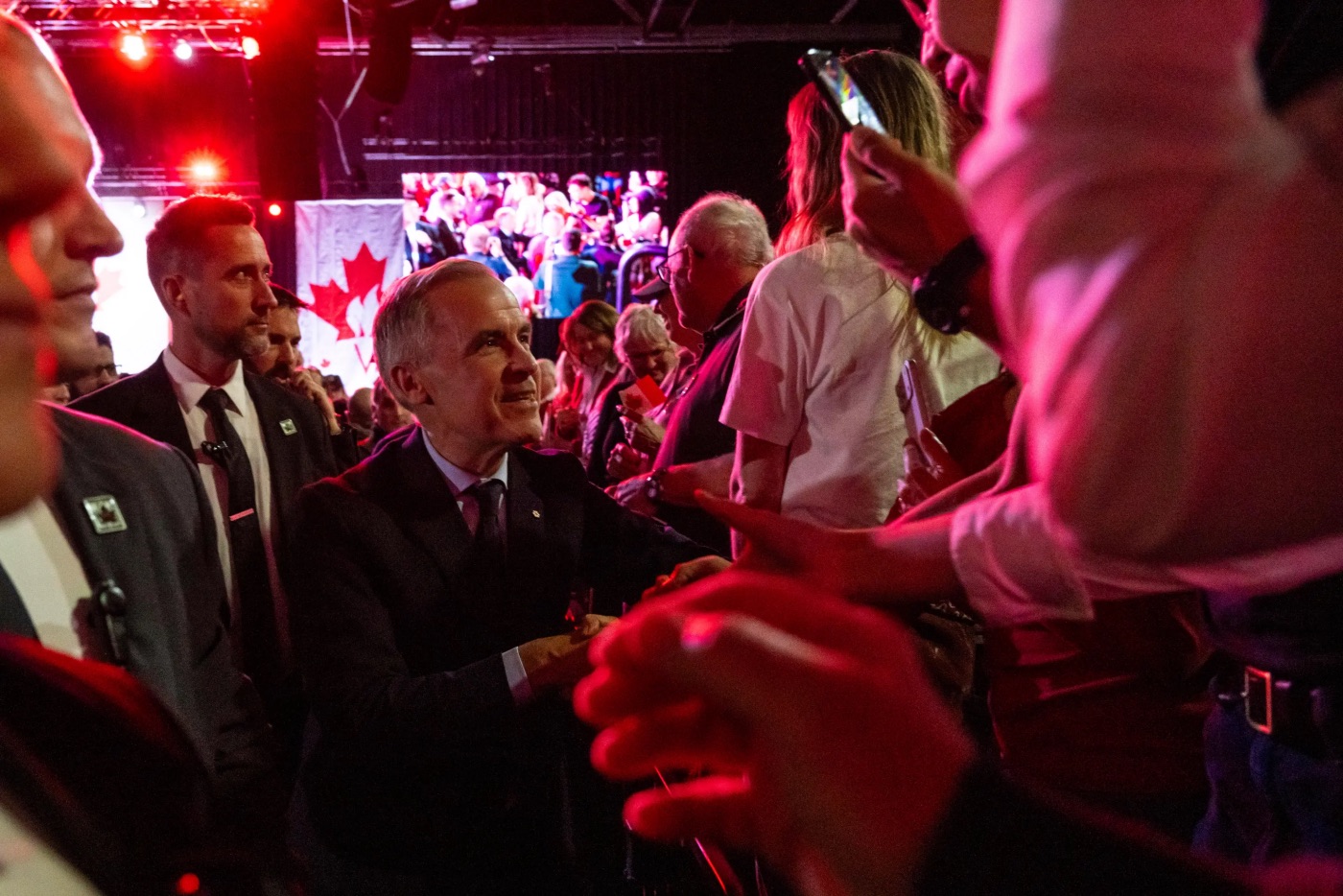
Canadian Prime Minister Welcomes the Result
Prime Minister Mark Carney welcomed the outcome, describing it as an endorsement of national unity.
“Albertans made a clear choice. They chose unity, to build together, and to take care of each other,” Carney said in an official statement.
“Above all, Albertans chose Canada.”
Carney, who grew up in Alberta, had travelled to the province during the final days of campaigning to encourage voters to reject the separation proposal.
He warned that pursuing independence would create prolonged uncertainty and divisions within the country.
The prime minister has also sought to address longstanding disagreements between Alberta and the federal government over energy development, economic policy, and the province’s relationship with Ottawa.
His government has supported major energy infrastructure proposals intended to strengthen Canada’s position in international markets.
The referendum took place against the background of a trade dispute with the United States and President Donald Trump’s repeated suggestions that Canada should become America’s 51st state.
Carney had argued that preserving Canada’s unity was particularly important during a period of strained relations with Washington.

Alberta Premier Says Province Chose Unity
Alberta Premier Danielle Smith also welcomed the early results.
In a post on X, Smith said she was pleased that the preliminary count showed substantial support for remaining within Canada.
“Albertans have voted for a stronger Alberta in a united Canada,” she wrote.
Thank you, Alberta!
I’m very pleased to see the initial results from Elections Alberta show widespread support for remaining in Canada. Albertans have voted for a stronger Alberta in a united Canada.
Thank you to all Albertans who took time to vote on these critically important referendum questions.
Tomorrow evening, October 20, I will address Albertans live at 6:45 p.m. to discuss the results of all referendum questions for which results are available, and where our province goes from here.
— Danielle Smith (@ABDanielleSmith) October 20, 2026
Smith, who leads the governing United Conservative Party, had called the referendum following growing pressure from independence campaigners.
Although she opposed separation, Smith maintained that Albertans should have an opportunity to express their views on the province’s constitutional future.
The government announced the referendum in May after separatist activists organised petitions demanding a vote.
The ballot contained 10 questions, including proposals concerning immigration, constitutional powers, and provincial services.
Election officials prioritised counting the separation question, with results for the other proposals being compiled separately.
More than 1.35 million residents had participated through advance voting or special ballots before polling day, according to Elections Alberta.
Voting at more than 100 polling stations was extended after some locations opened late, delaying the release of initial results.

Separatists Promise to Continue Campaign
Despite the defeat, supporters of Alberta independence said they would continue advocating for a different relationship with the Canadian federal government.
Keith Wilson, a leader of the separatist movement, said the number of voters supporting a future independence referendum demonstrated continuing dissatisfaction with Ottawa.
He told the Associated Press that the preliminary results indicated that a substantial minority of Albertans believed the province deserved better treatment from the federal government.
Jeff Rath, a lawyer and prominent member of the Alberta Prosperity Project, also said the movement would continue its activities.
“We’re not going anywhere,” Rath said.
Alberta separatists have argued that federal regulations and environmental policies restrict development of the province’s oil and gas industry.
They also contend that Alberta contributes disproportionately to federal finances and has insufficient influence over national political decisions.
The province, which has a population of approximately five million, contains most of Canada’s proven oil reserves.
Its conservative political traditions have frequently placed it at odds with federal Liberal governments and political preferences in eastern Canada.
Opponents of independence have challenged the economic arguments advanced by separatists, warning that separation could create uncertainty over trade, public finances, and government services.
First Nations leaders have also opposed the proposal, pointing to treaties with the Canadian government that predate Alberta’s establishment as a province.

Vote Follows Decades of Canadian Separatist Debates
The referendum was the first province-wide vote in Alberta to consider a constitutional route towards independence.
Canada previously confronted major separatist campaigns in Quebec, where voters rejected independence in referendums in 1980 and 1995.
The second Quebec referendum was decided by a narrow margin, with supporters of remaining in Canada securing slightly more than half the votes.
In Alberta, the margin reported in the preliminary results was substantially wider.
Thomas Lukaszuk, a former Alberta deputy premier who led the Forever Canadian campaign against separation, welcomed the result.
“We are a solid country that’s united from coast to coast to coast,” Lukaszuk told supporters, according to the Associated Press.
The referendum result leaves Alberta within Canada’s federal system, while independence campaigners have said they intend to continue pressing their demands.
Elections Alberta will publish the final figures after completing the official count.