
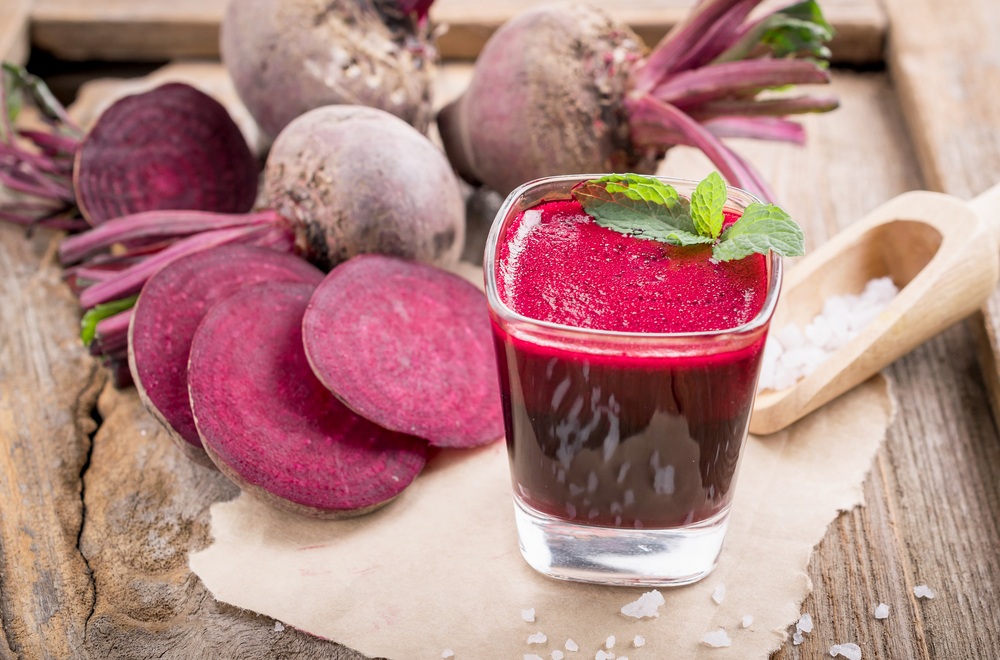

Across kitchens and markets worldwide, the deep crimson hue of beetroot signals more than visual appeal. Scientifically known as Beta vulgaris, this root vegetable has emerged as a powerful contributor to human health, backed by a growing body of nutritional and clinical research. Long used in traditional diets, beetroot is now recognised for its ability to support cardiovascular function, cognitive performance, and metabolic health. Its potency lies in a unique combination of nitrates, antioxidants, and essential nutrients that work in concert to revitalise the body from within.
1. A Natural Enhancer of Blood Flow and Circulation
2. A Powerful Support for Brain Function
Improved blood flow does not stop at the heart. The brain also benefits significantly. Enhanced cerebral circulation has been linked to better cognitive performance, particularly in older adults. Studies using neuroimaging have demonstrated increased blood flow to regions of the brain associated with executive function after nitrate-rich meals, including beetroot.
3. A Natural Performance Booster for Physical Endurance
Athletes and fitness experts have embraced beetroot for its performance-enhancing properties. By improving oxygen efficiency in muscles, beetroot allows the body to perform physical tasks with less fatigue. Clinical trials have shown that individuals consuming beetroot juice can sustain exercise for longer periods, particularly in endurance sports.
4. A Rich Source of Antioxidants That Protect Cells
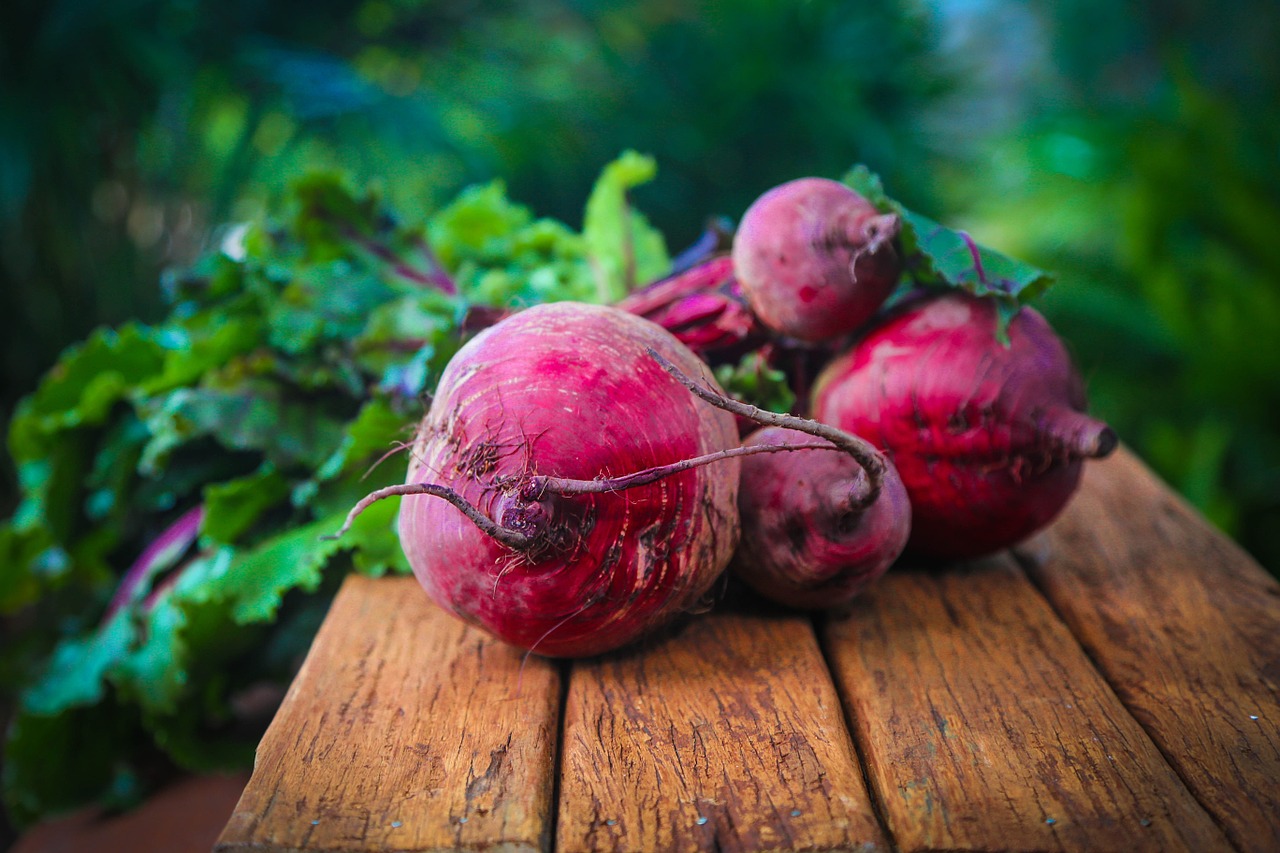
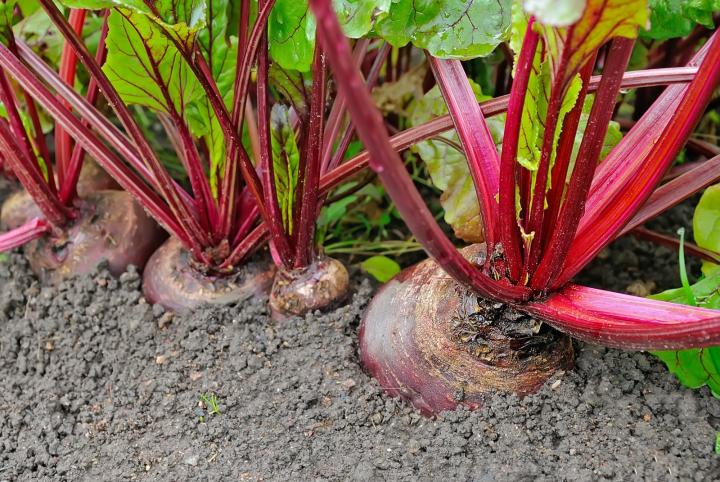
Beetroot contains betalains, pigments responsible for its deep red colour. These compounds are potent antioxidants that help neutralise free radicals and reduce oxidative stress. This protective effect plays a crucial role in slowing cellular ageing and reducing the risk of chronic diseases.
5. A Natural Aid for Detoxification and Liver Health
The liver relies on nutrients that support detoxification pathways, and beetroot delivers several of them. Compounds in beetroot help stimulate liver function and support the breakdown and elimination of toxins. Research suggests that beetroot may assist in protecting the liver from oxidative damage and inflammation.
6. A Builder of Healthy Blood and Iron Balance
Beetroot has long been associated with blood health, not merely because of its colour but due to its iron content and ability to support red blood cell production. It also contains folate, which is essential for DNA synthesis and proper cell formation. This makes it particularly beneficial for individuals at risk of anaemia.
7. A Regulator of Blood Sugar Levels
Despite its natural sweetness, beetroot has a relatively low glycaemic load. Its fibre content slows glucose absorption, helping to stabilise blood sugar levels. Emerging studies suggest that beetroot compounds may also improve insulin sensitivity, offering support for metabolic health.
8. A Contributor to Digestive Health
Beetroot is a good source of dietary fibre, which supports healthy digestion and gut function. Fibre promotes regular bowel movements and nourishes beneficial gut bacteria, contributing to overall gastrointestinal health.
9. A Potential Ally in Reducing Inflammation
Chronic inflammation is a common factor in many modern diseases. Beetroot’s betalains and other phytonutrients exhibit anti-inflammatory properties that may help reduce inflammatory markers in the body. This makes it a valuable addition to diets aimed at long-term wellness.
10. A Versatile and Sustainable Nutritional Staple
Beyond its health benefits, beetroot is easy to cultivate and highly versatile in the kitchen. It can be consumed raw, roasted, juiced, or incorporated into a wide range of dishes. Its accessibility and adaptability make it an ideal ingredient for both traditional and modern diets.
Why Beetroot Matters Today
Beetroot’s significance lies not in fleeting trends but in its proven physiological impact. It exemplifies how simple, natural foods can deliver profound benefits when understood and used correctly. As research continues to explore its properties, beetroot stands as a reminder that some of the most effective tools for health are not engineered in laboratories, but grown in the earth.
In an age of increasing health complexity, the answer may be as straightforward as returning to nutrient-rich, functional foods. Beetroot, with its deep colour and deeper benefits, offers precisely that.