
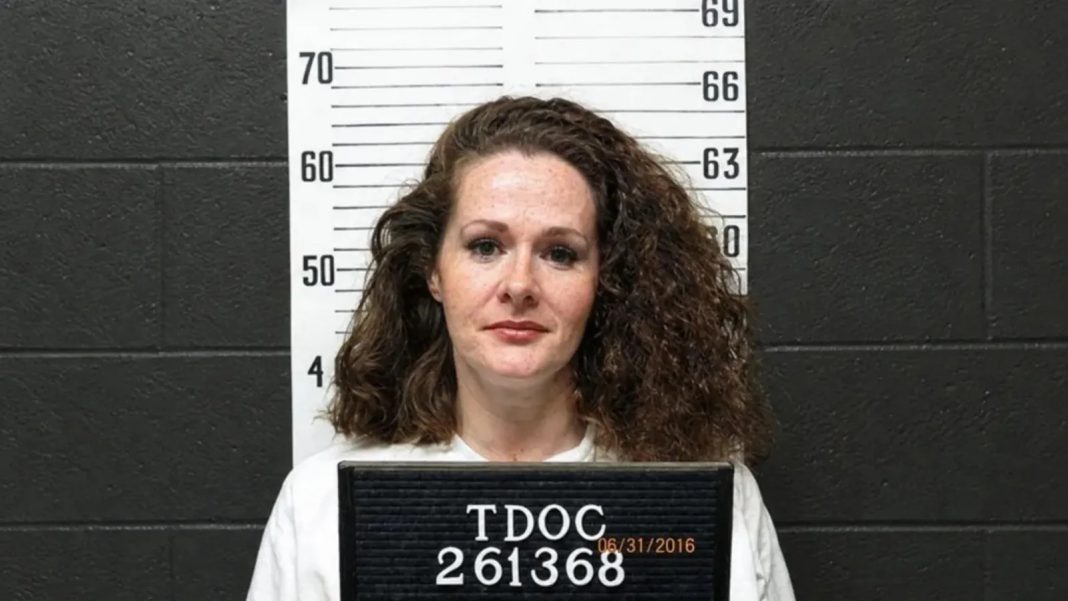

NASHVILLE, United States — Christa Gail Pike laughed, smiled, and sang with her spiritual adviser while still conscious during Tennessee’s failed attempt to execute her by lethal injection, according to a journalist who witnessed the extraordinary procedure.
William Puckett, an anchor and senior reporter with WVLT, described Pike’s behaviour inside the execution chamber after she survived two administrations of pentobarbital and was eventually taken from Riverbend Maximum Security Institution by ambulance.
Pike, 50, remained in critical condition and was receiving life-saving medical care at a Nashville hospital on Thursday, according to her lawyers.
Puckett told the Daily Mail that Pike, while conscious after the execution process had begun, gave “a joyous laugh and chuckle”.
He also said she sang a traditional Buddhist meditation before later appearing to lose consciousness and beginning to snore.
The account was reported on Friday by The Mirror and adds to descriptions from other media witnesses of an execution that continued for more than an hour without causing Pike’s death.
Pike Was Conscious as Procedure Began
The execution attempt took place on Wednesday, September 30, 2026, after hours of legal proceedings that culminated in the United States Supreme Court lifting a stay issued earlier that day by a federal appeals court.
Pike had been sentenced to death for the 1995 killing of Colleen Slemmer, a 19-year-old classmate at a Job Corps programme in Knoxville.
The curtains to the execution chamber opened at 7:27 p.m., according to The Associated Press.
Pike was strapped to a gurney with an intravenous line inserted in her arm. Her spiritual adviser stood close to her head, spoke with her, and stroked her forehead.
The two sang together.
Pike also smiled and looked around the chamber before telling officials that her arm hurt and asking whether the sensation was expected.
Puckett separately described seeing Pike laugh during the procedure.
About 10 minutes after the curtains opened, Pike sighed.
A small object was placed on a ledge separating the death chamber from the adjoining control room several minutes later, apparently coinciding with a stage of Tennessee’s execution protocol following administration of the drug.
Officials closed the curtains at 7:46 p.m.
They reopened them three minutes later.

Second Dose Fails to Kill Pike
Tennessee’s protocol provides for a second administration of pentobarbital when a prisoner has not died after the first.
After the curtains reopened, Pike remained alive.
Witnesses said she gradually appeared to become less conscious and began making sounds resembling snoring. Her head moved slightly from the gurney at about 7:56 p.m., and she continued breathing.
Officials again closed the curtains shortly after 8 p.m.
For about 40 minutes afterwards, witnesses could still hear Pike breathing in a regular pattern that sounded like snoring.
Puckett described it as sounding as though Pike was having “the best sleep of her life”.
Her lawyer, Randy Spivey, who was inside the prison, said he demanded at about 8:22 p.m. that the execution be stopped and that Pike receive emergency medical treatment.
He said he was informed shortly before 9 p.m. that an ambulance was being sent.
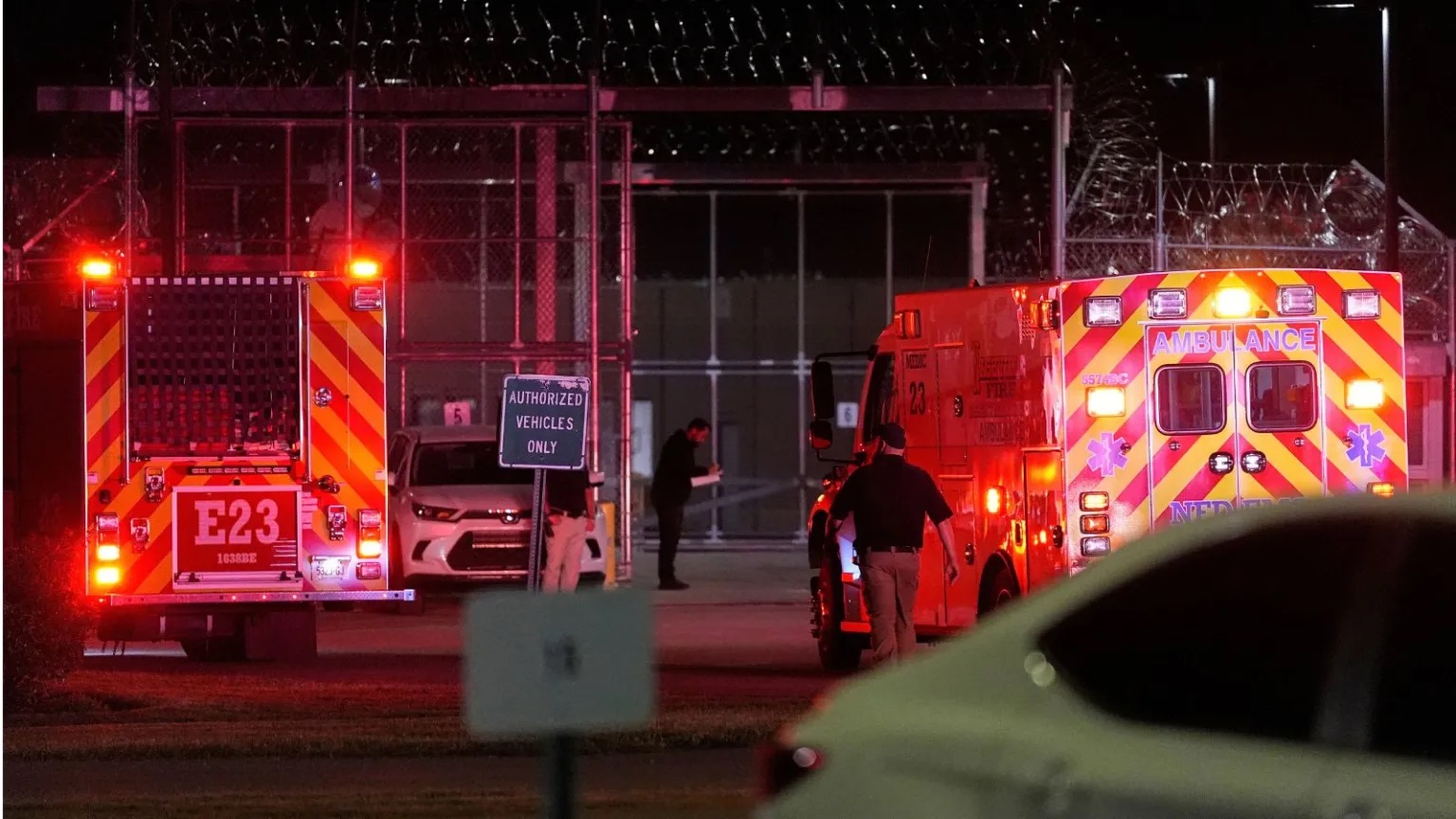
Media witnesses were ordered to leave the area at 8:53 p.m. Emergency vehicles arrived outside the prison shortly after 9 p.m.
Pike was then taken to a hospital.
Lawyers Describe Problems With IV Access
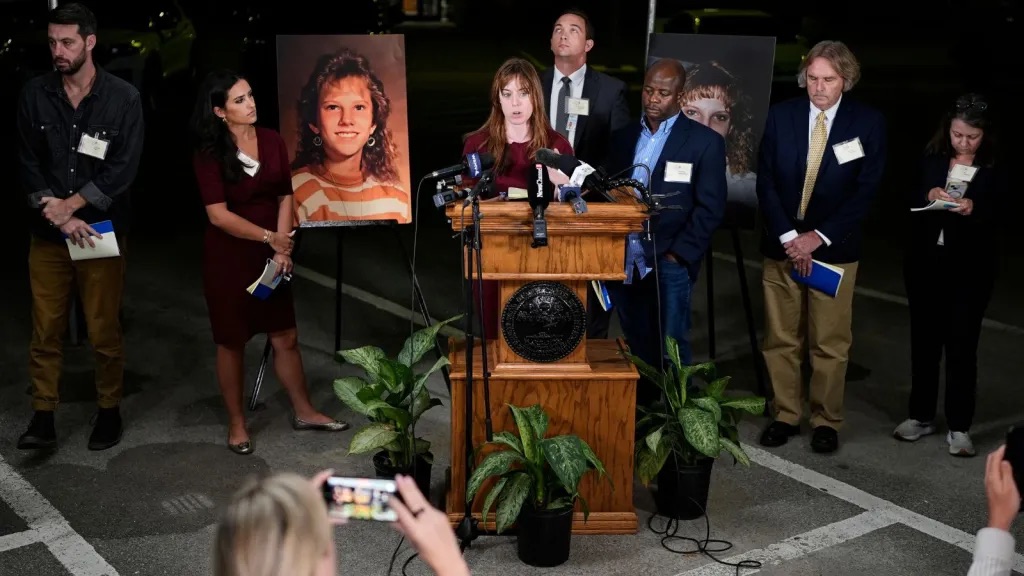
Pike’s lawyers have said execution personnel spent roughly an hour trying to establish intravenous access before the lethal-injection procedure began.
Spivey said he counted at least seven needles being used as officials attempted to gain access to veins in Pike’s left arm.
Pike has a blood disorder and had previously raised concerns through her lawyers about complications with intravenous access.
Her attorneys said she tried to assist the execution team by suggesting locations where needles might be inserted.
After the second administration of pentobarbital, her lawyers said, her right arm became purple and blisters appeared around injection sites.
Spivey said Pike complained that her arm hurt and felt as though it was going to explode.
Her attorneys have suggested that some of the drug may have entered tissue surrounding the vein rather than travelling properly through her bloodstream. Tennessee authorities have not established what caused the execution to fail.
The Tennessee Department of Correction has said officials followed the state’s approved execution protocol.
“The lethal injection chemical in the protocol has consistently been effective, and the protocol does not allow for additional procedures beyond what was carried out this evening,” the department said.

Pike Remains Critically Ill
On Thursday, Spivey said Pike was alive and receiving treatment but that her lawyers did not know her prognosis.
“What we have been told is that she is in critical condition, receiving life-saving care,” he said.
Pike’s lawyers described the failed execution as “chemical torture” and again called on Tennessee Governor Bill Lee to commute her death sentence to life imprisonment.
Lee, who had rejected Pike’s clemency request before the execution, ordered an independent review of what happened and suspended Tennessee’s remaining scheduled execution for 2026.
“There is no one that wanted what happened last night to happen,” Lee told reporters. “It’s a tragedy, and it’s deeply disturbing to me that that has happened in this state.”
The failed procedure was Tennessee’s second unsuccessful execution attempt this year.
In May, officials abandoned the execution of Tony Carruthers after they were unable to establish the intravenous access required by state protocol.

First Tennessee Execution of a Woman in Two Centuries Had Been Planned
Pike was 18 when Slemmer was killed in January 1995.
Prosecutors said Pike, her boyfriend Tadaryl Shipp, and another young woman took Slemmer to a wooded area near their Knoxville training centre, where Slemmer was attacked and killed.
Pike and Shipp were convicted of first-degree murder. Shipp, who was 17 at the time of the killing, received a life sentence.
Pike was sentenced to death.
She would have become the first woman executed by Tennessee in more than 200 years if Wednesday’s lethal injection had succeeded.
Instead, witnesses watched an execution procedure in which Pike remained responsive after it began, continued breathing after two administrations of pentobarbital, and ultimately left the prison in an ambulance rather than a hearse.
Her lawyers said Thursday that she remained alive, but critically ill, as questions continued over what went wrong inside the execution chamber.