
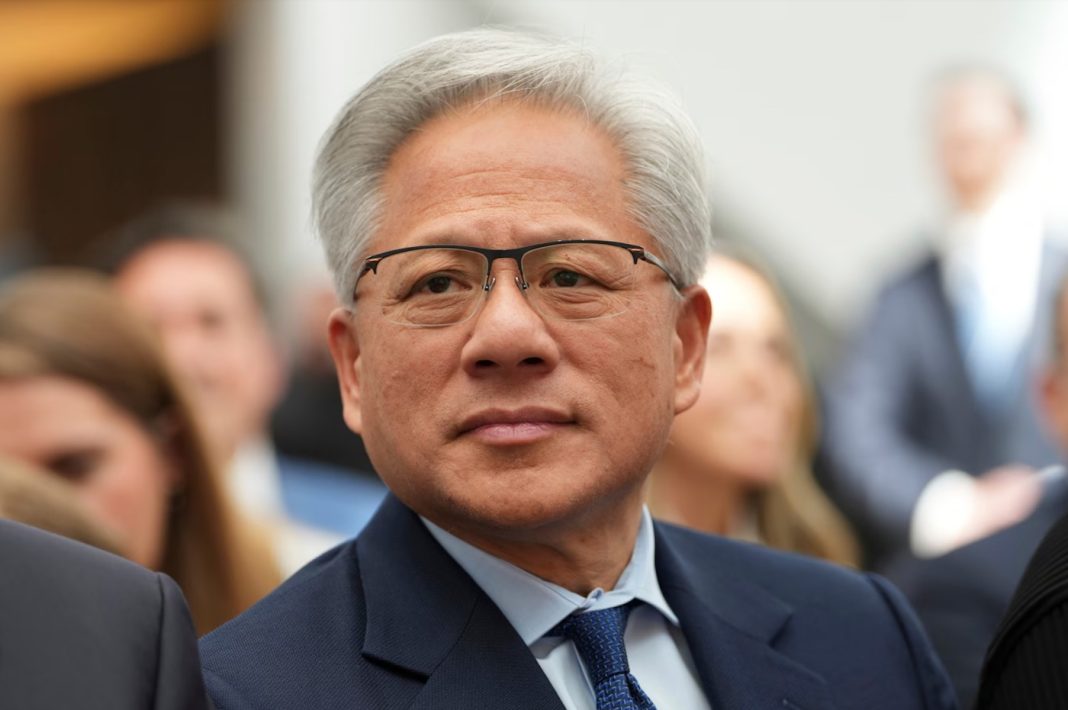

SANTA CLARA, United States — Jensen Huang returned to the helm of Nvidia on Monday, November 23, 2026, just 11 days after resigning amid allegations involving Chinese intelligence.
The reinstatement came six days after the company’s board publicly indicated that it did not intend to bring him back.
For Huang, 63, who co-founded Nvidia in 1993 and had become an influential adviser to President Donald Trump on artificial intelligence, the reversal capped a period of corporate and political upheaval involving Washington, Beijing, and a technology company valued at nearly $4 trillion.
The events leading to his departure, however, stretch back more than two years.
A chronology reveals how intelligence briefings, diplomatic engagements, media investigations, and mounting congressional scrutiny preceded his resignation and subsequent reinstatement.
June 2024 – May 2025: The First Public Sightings
On June 7, 2024, Huang was photographed alongside Alice Huang at Computex, a major technology exhibition in Taipei, Taiwan.
The Chinese businesswoman, an executive associated with Singapore-based technology company Megaspeed, is not related to him.
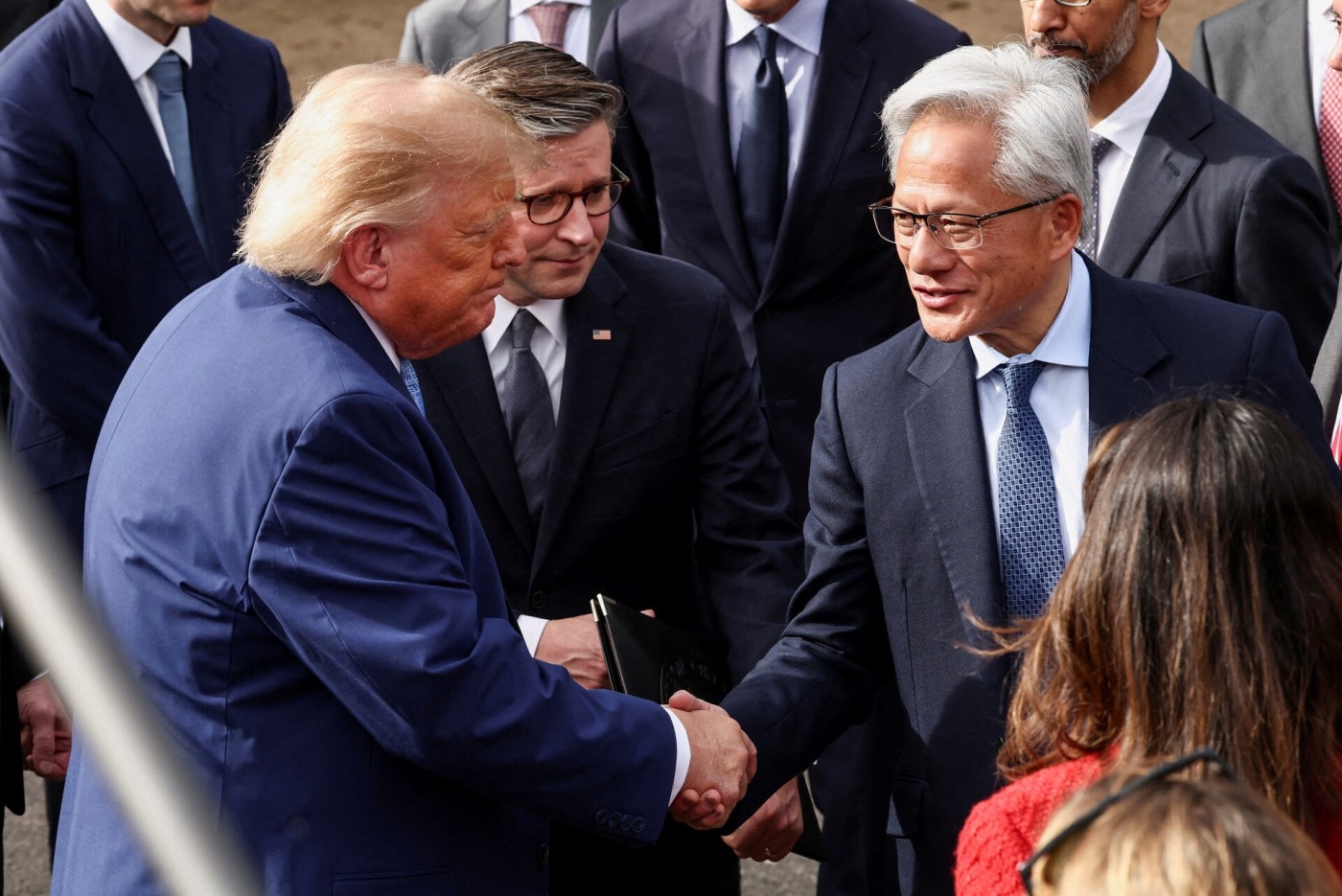
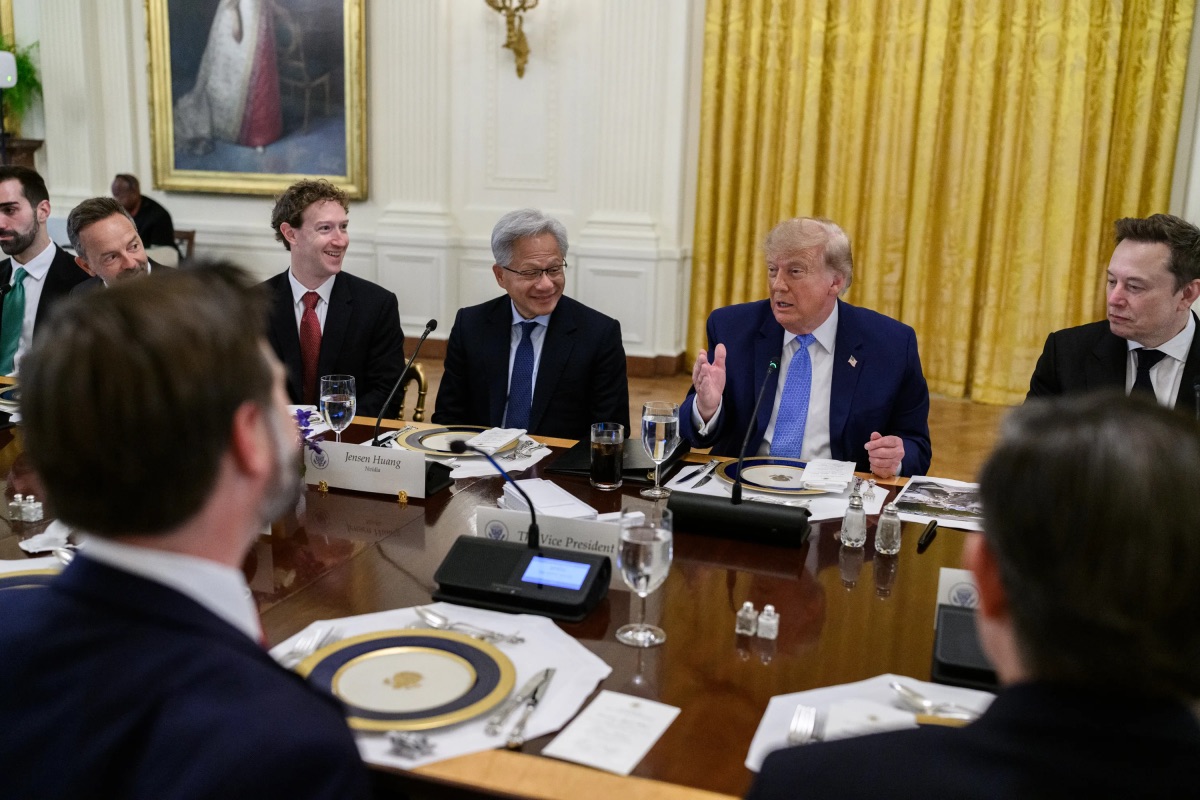
On January 31, 2025, the Nvidia chief met Trump at the White House for the first time.
Nearly four months later, on May 22, Taiwanese broadcaster TVBS recorded the two executives departing a Taipei restaurant together.
Autumn 2025: Intelligence Warnings Reach Trump
American intelligence officials informed Trump of a suspected affair involving the Nvidia chief and a woman believed to have links to Chinese intelligence.
A United States official and other sources told ABC News that the president took no action following the briefing.
On December 8, Trump announced that Nvidia would be permitted to export its H200 artificial intelligence chips to China under an arrangement entitling the United States to 25 per cent of the sales.
March – May 2026: A Presidential Appointment and Another Intelligence Warning
Trump appointed Huang to his newly established President’s Council of Advisors on Science and Technology on March 25.
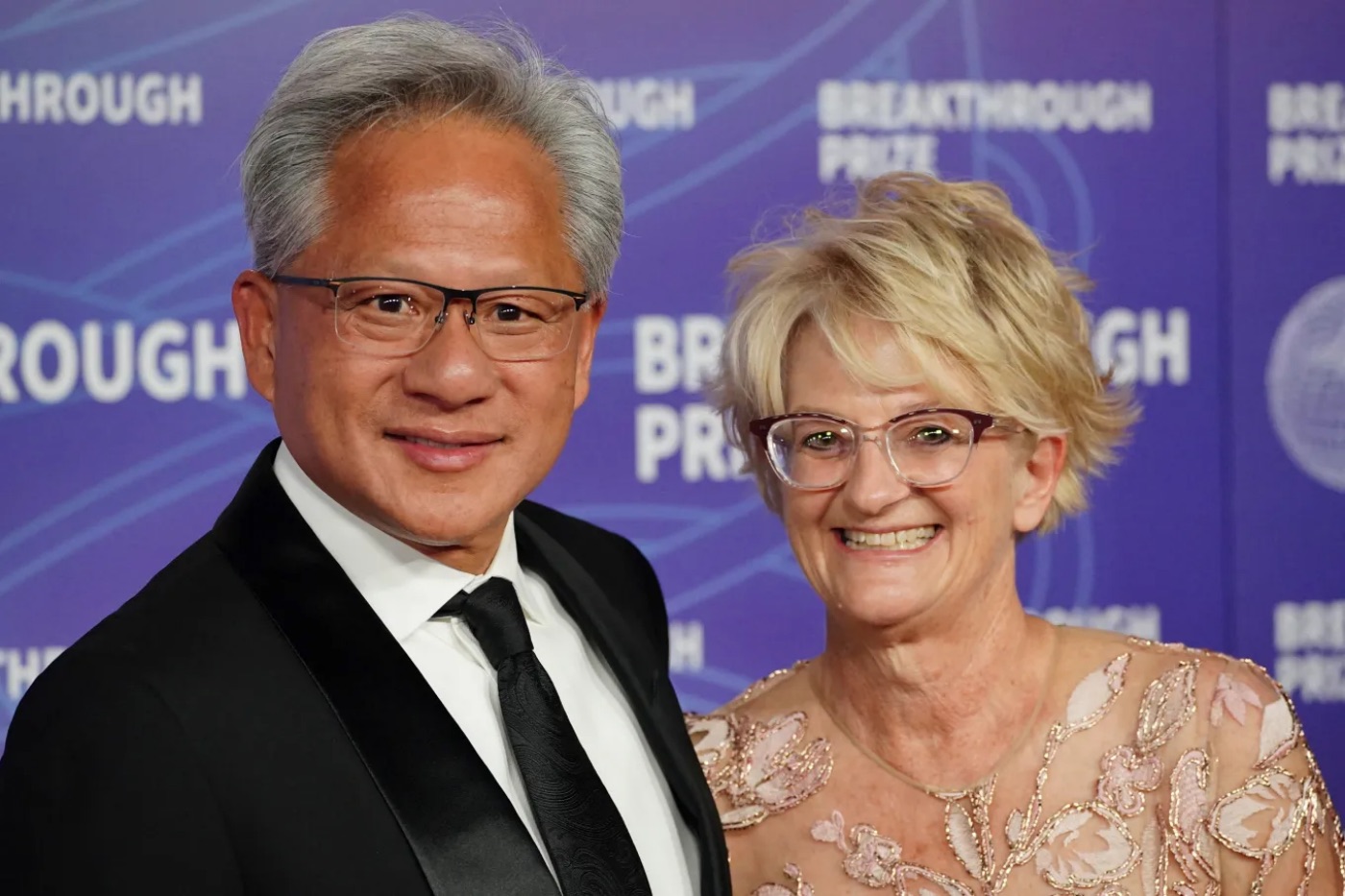
On April 28, the Nvidia executive and his wife, Lori Huang, attended a White House state dinner honouring Britain’s King Charles III.
During the spring, intelligence concerns about the executive’s relationship were detailed in a classified memorandum prepared for senior administration officials.
On May 12, Secretary of State Marco Rubio briefed Trump aboard Air Force One about the suspected Chinese intelligence connection, according to American officials and sources familiar with the matter.
It was the second known occasion on which Trump received such a warning.
Huang subsequently joined the presidential delegation travelling to China, despite not appearing on its original list of participating business executives.
September – October 2026: Presidential Honours and Public Disclosures
On September 24, Huang and his wife attended another White House state dinner, this time held in honour of Chinese President Xi Jinping.
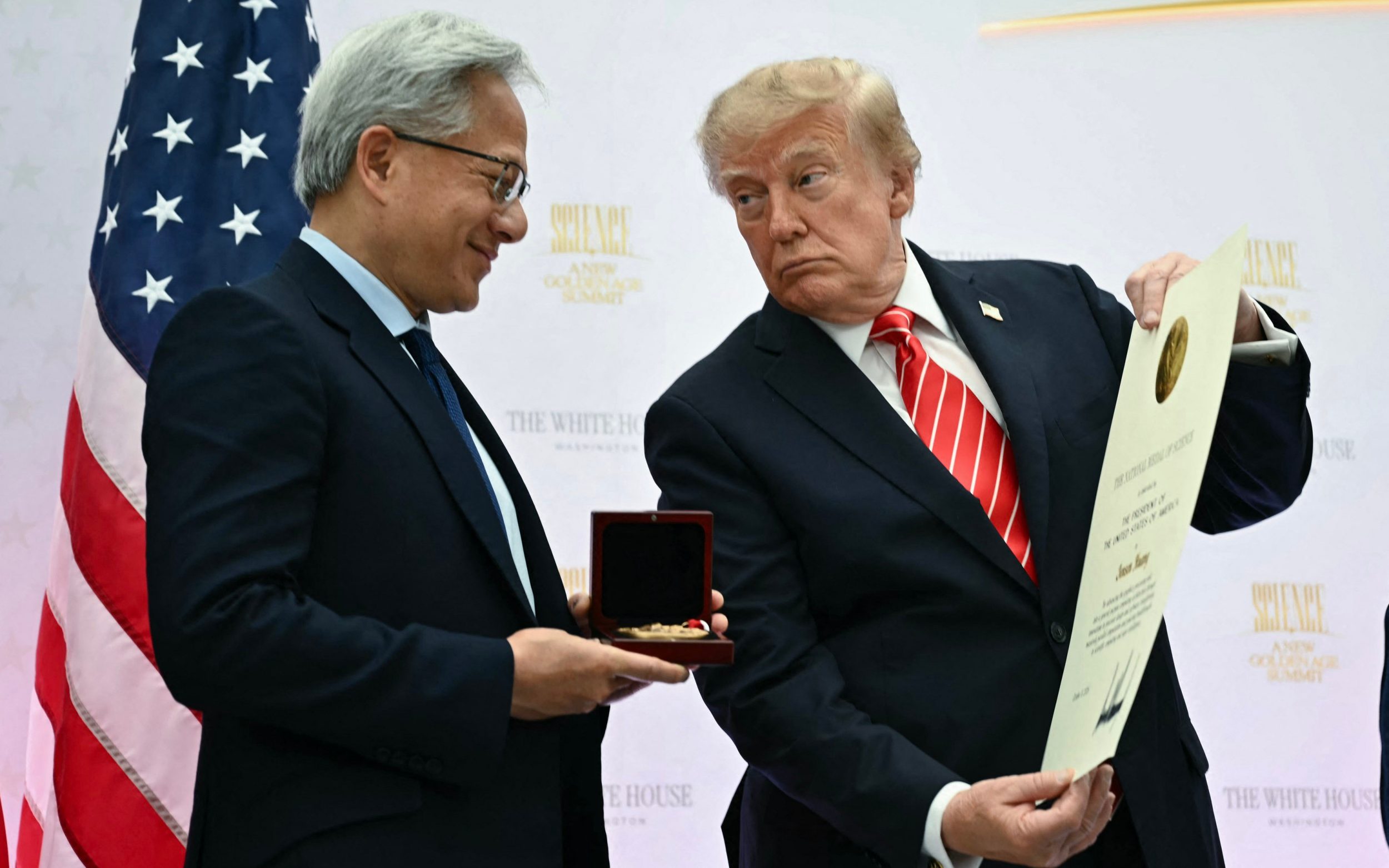
Two weeks later, on October 8, Trump presented the Nvidia chief with a national medal recognising his contributions to science, technology, and innovation.
The allegations entered the public domain towards the end of the month.
On October 29, The New York Times published a report examining the relationship between the two executives.
On October 31, The Wall Street Journal reported that intelligence officials in the United States, Singapore, and Taiwan suspected the Chinese businesswoman of involvement in intelligence activities on Beijing’s behalf.
November 8: An Admission of Infidelity
Huang addressed Nvidia employees in an internal memorandum, admitting that he had betrayed his wife and apologising to his family.
“I was unfaithful to my wife,” he wrote.
He also acknowledged that his conduct had fallen below the standards expected of him as the company’s leader.
Nvidia’s directors announced an independent inquiry into the foreign intelligence allegations.
At the time, the board said it had no grounds to conclude that national security or confidential company information had been compromised.
November 9 – 11: Beijing Responds and Congress Intervenes
The Chinese government rejected the espionage allegations on November 9.
Chinese Foreign Ministry spokesman Guo Jiakun dismissed the claims as “completely groundless and pure slander.”
Trump also told reporters that he had spoken with Huang, who, according to the president, had been unaware of the woman’s alleged intelligence connections.
On November 10, Representative Brian Mast, the Republican chairman of the House Foreign Affairs Committee, told ABC News that he was prepared to issue a subpoena if Huang did not agree to appear before lawmakers.
The following day, The New York Times reported allegations that Huang had been involved in another extramarital relationship, this time with an Nvidia executive under his supervision.
Separately, The Wall Street Journal reported that Nvidia’s directors were preparing to remove him.
November 12: The Resignation
Nvidia announced Huang’s resignation four days after his admission of infidelity.
The board appointed Colette Kress, the company’s executive vice president and chief financial officer, to lead Nvidia temporarily.
The directors began looking for a permanent successor.
November 16 – 17: A Congressional Hearing and a Rebuff From the Board
Congressional lawmakers announced that Huang had agreed to appear for a private, transcribed interview on December 1.
The questioning would involve three congressional committees responsible for foreign affairs, intelligence, and matters concerning the Chinese Communist Party.
On November 17, Huang issued a statement expressing his willingness to resume his leadership of Nvidia should the directors invite him back.
The response from the company was unequivocal.
During an earnings call, Nvidia board chairman Harvey C. Jones said the board “does not intend to reinstate” Huang.
November 20 – 22: Trump Calls for Huang’s Return
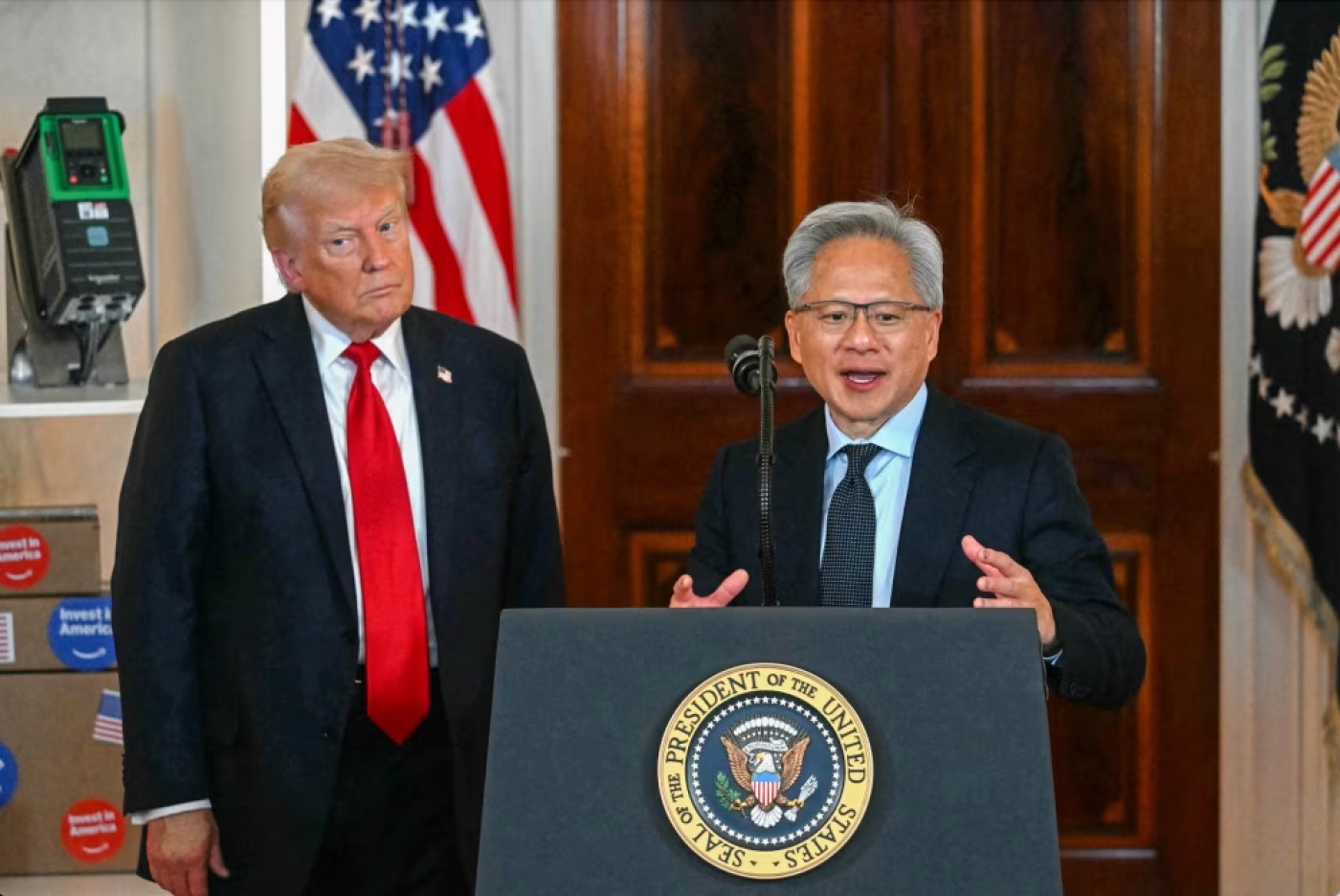
Trump publicly backed the former Nvidia chief during a White House news conference on November 20.
The president disclosed that he had discussed Huang with Xi during their meetings in China.
Two days later, Trump renewed his appeal in a Truth Social post.
“I hope the Board of Nvidia rehires Jensen Huang. It would be the best thing for the Company, and also, for the U.S.A.”

November 23: Back in Power
Less than a week after ruling out his return, Nvidia’s directors reversed their position.
The company announced that Huang would immediately resume his responsibilities as president and chief executive, as well as his membership of the board.
Jones expressed confidence in Huang’s ability to lead the company and said his reinstatement served the interests of shareholders, employees, business partners, and customers.
Huang welcomed the decision, pledging to approach his renewed responsibilities with humility and commitment.
His return to corporate leadership comes eight days before his scheduled appearance before congressional investigators examining the allegations that preceded his resignation.