
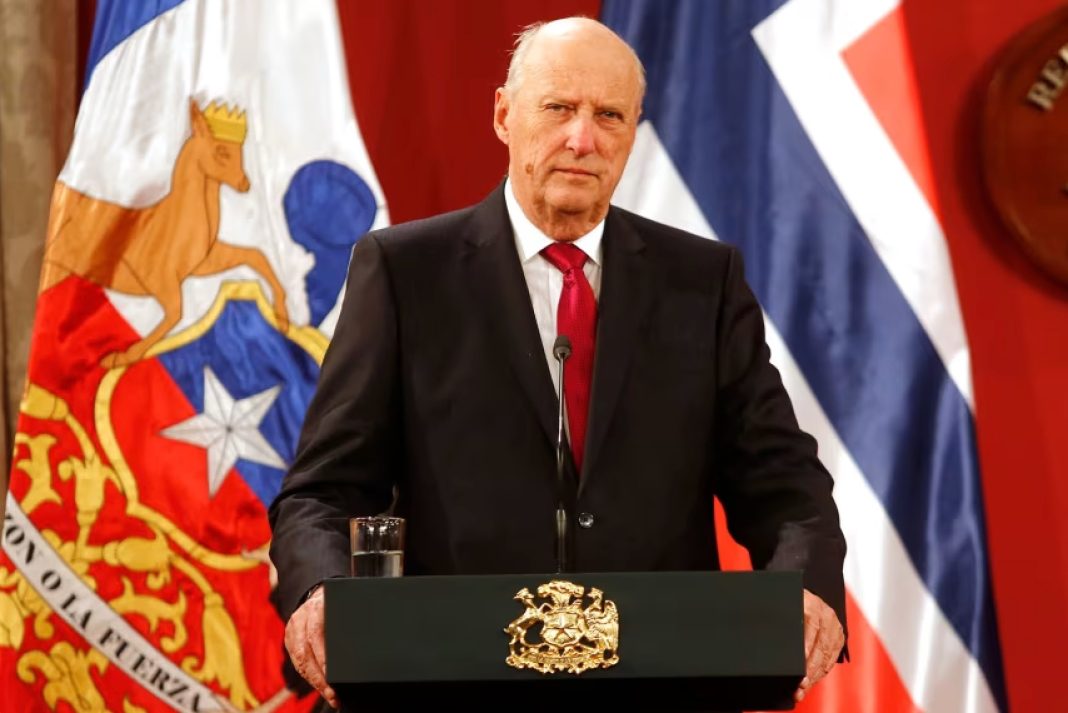

OSLO, Norway — King Harald V of Norway died on Friday after 35 years on the throne. He was 89.
The Royal House announced that the king died shortly after 6:35 a.m. on Friday, August 28, 2026.
His son, Haakon, succeeded him as monarch, while Princess Ingrid Alexandra, Harald’s granddaughter, became heir to the throne.
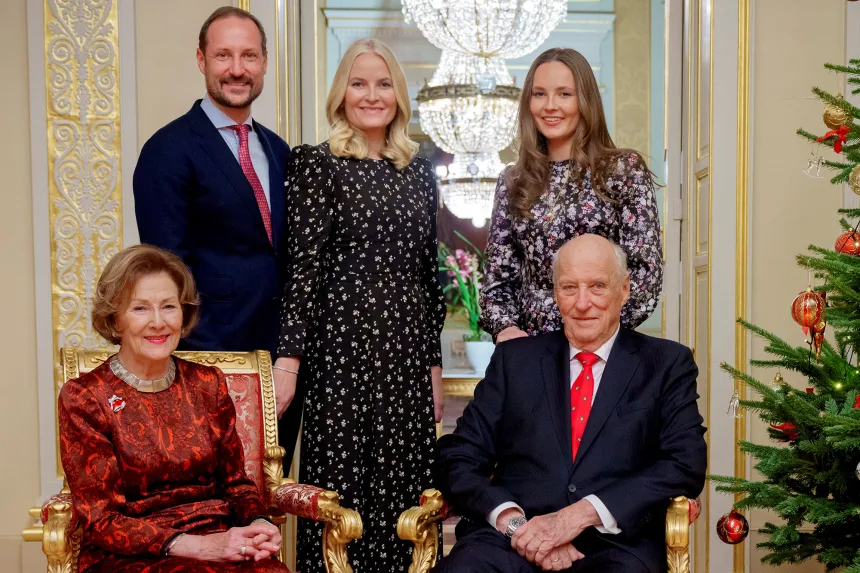
Harald is survived by Queen Sonja, his wife of 57 years; their two children, Haakon and Princess Märtha Louise; and five grandchildren.
Norwegian Prime Minister Jonas Gahr Støre said “a whole nation is in mourning,” adding that Norwegians were “left with a deep sense of gratitude for a long life in the service of Norway.”
The king had been admitted to hospital in mid-August after developing an accumulation of fluid linked to a blood disorder. His condition worsened after he contracted a bacterial infection.
A Childhood Shaped by War
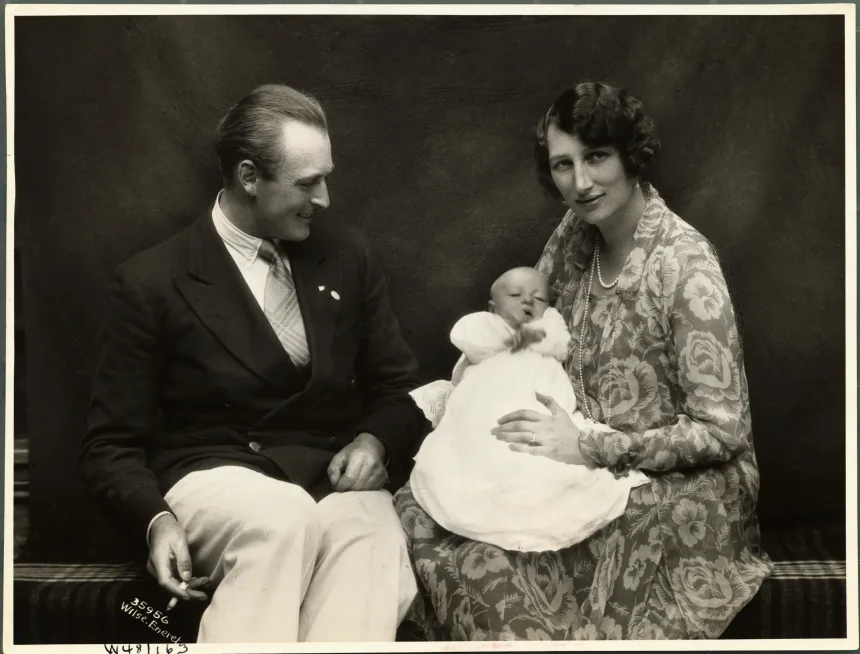
Harald was born on Feb. 21, 1937, the youngest of three children of Crown Prince Olav and Crown Princess Märtha.
As their only son, he became heir under constitutional rules then limiting succession to male members of the royal family.
He was three when German forces invaded Norway during World War II.
The royal family and members of the Norwegian government fled to Sweden, but Harald soon travelled with his mother and sisters to Washington.
His father and grandfather, King Haakon VII, remained in London during the occupation. Harald returned to Oslo with the royal family on June 7, 1945, after Germany’s surrender.
Thousands of people gathered in the capital to welcome them home.
Harald later attended a state school, part of an effort to strengthen the monarchy’s connection to ordinary Norwegians.
He completed secondary school at Oslo Cathedral School, undertook compulsory military service and trained at the Norwegian Cavalry Officers’ Training School.
He subsequently studied economics, history and social science at the University of Oxford in Britain.
An Olympic Sailor
Sailing remained central to Harald’s public and private life. Raised at the royal estate of Skaugum beside the Oslofjord, he inherited his interest in the sport from his father.
The Royal House estimated that Harald competed in more than 1,000 regattas and sailing events during his lifetime. He first joined a competitive crew in 1946, when he was 10.
As crown prince, Harald represented Norway at three Summer Olympic Games.
He carried the Norwegian flag at the opening ceremony in Tokyo in 1964 and also competed in Mexico City in 1968 and Munich in 1972.
His long association with sailing helped establish his public image as an active monarch with close ties to Norway’s coastal traditions.
Marriage and Succession
Harald’s marriage to Sonja Haraldsen followed a nine-year relationship. His father, King Olav V, was initially reluctant to approve the marriage because Haraldsen was not of royal birth.
Permission was eventually granted after consultation with Parliament. The couple married before 800 guests at Oslo Cathedral on Aug. 29, 1968, during three days of public celebrations.
Their daughter, Märtha Louise, was born in 1971, followed by Haakon in 1973.
Norway amended its succession rules in 1990 to allow the eldest child, regardless of sex, to inherit the throne, but the change did not apply retroactively to Harald’s children.
Haakon therefore remained the immediate heir.
Märtha Louise withdrew from official royal duties in 2022 but retained her title. Harald thanked her at the time for carrying out her work “with care, warmth and great commitment.”
The transition to Haakon’s reign comes as the royal family faces heightened public attention.
His wife, Queen Consort Mette-Marit, has experienced health problems, and disclosures about her previous contact with Jeffrey Epstein drew international scrutiny this year.
Her son from an earlier relationship was later convicted of rape and domestic violence and sentenced to four years in prison.
A Ceremonial Reign
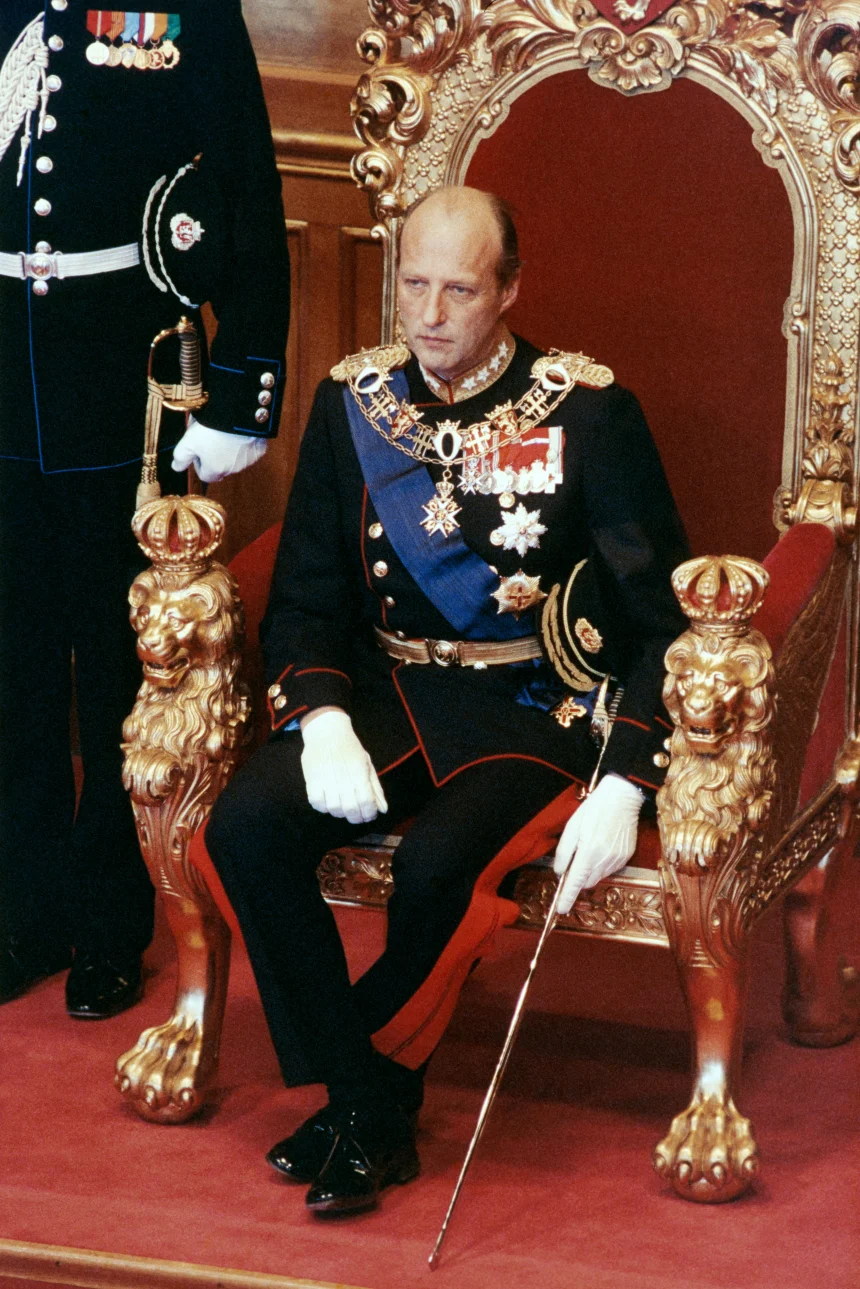
Harald became king in January 1991, after the death of Olav. He was 53.
He and Sonja held a consecration ceremony at Nidaros Cathedral in Trondheim on June 23 that year.
The service incorporated traditions dating to the Middle Ages and was followed by tours of southern and northern Norway.
Harald was the first Norwegian-born prince in 567 years. Norway had been governed at different times by Denmark and Sweden before achieving independence in 1905.
Voters chose to retain the monarchy, and Harald’s Danish-born grandfather became King Haakon VII.
Like his father and grandfather, Harald adopted a royal motto pledging total service to Norway.
He and Sonja travelled extensively during his reign, visiting nearly all the country’s counties and municipalities, according to the Norwegian broadcaster NRK.
Although Norway’s monarch has largely ceremonial responsibilities, Harald formally opened Parliament, presided over weekly meetings of the Council of State and approved legislation and government decisions before they took effect.
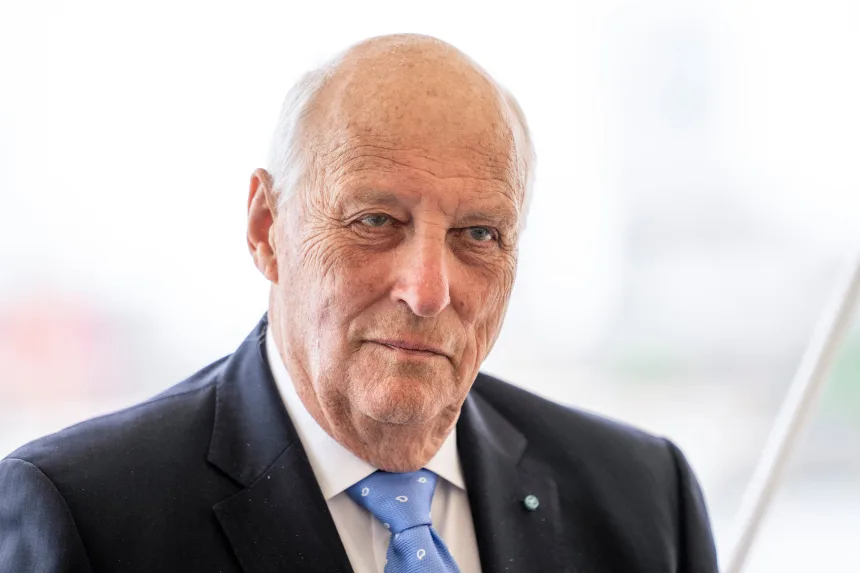
Health Problems in Later Years
Harald underwent heart procedures in 2005 and 2020, with the second operation replacing a previously implanted valve. Haakon served as regent during both periods.
The king had surgery in 2021 to repair a tendon above his right knee and was later seen using crutches. He was treated for a respiratory infection in 2023 but still completed 275 official engagements that year.
During a private visit to the Malaysian island of Langkawi in 2024, Harald was admitted to hospital with an infection and a low heart rate. Doctors fitted him with a pacemaker.
Despite his health problems, Harald resisted suggestions that he might abdicate. After Queen Margrethe II of Denmark stepped down in 2024, he said his oath as king “lasts for life.”