
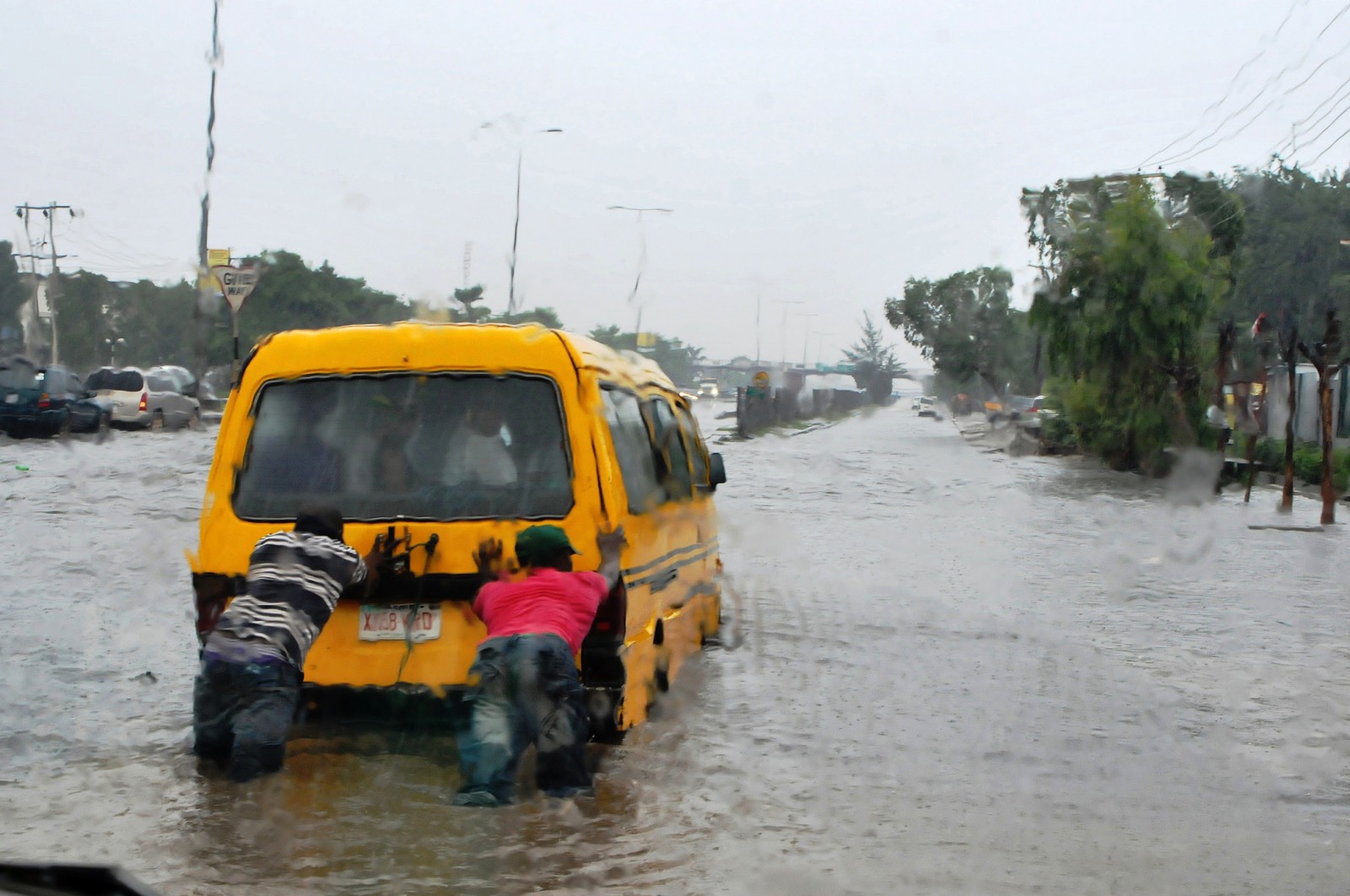

LAGOS, Nigeria — The Lagos State Government has directed residents of low-lying and flood-prone communities to move immediately to higher ground following a federal warning of possible flooding across 15 Nigerian states.
The directive, announced on Monday, September 21, 2026, follows a seven-day flood advisory issued by the Nigerian Hydrological Services Agency (NIHSA), covering September 19 to 25.
The Commissioner for the Environment and Water Resources, Tokunbo Wahab, identified Eti-Osa, Lagos Island, Oke-Ira Nla in Ajah, Kirikiri Sea Port, Ilaje Waterfront Jetty, and Jetty Terminal B among the areas facing potential flooding.
Residents in these communities were urged to relocate temporarily rather than wait for floodwaters to rise.
Communities Along Ogun River Placed on Alert
The state government also identified Isheri North, Kara, Itowolo, Ajegunle, Majidun, Ogolonto, parts of Agboyi, and settlements downstream of Isheri Olofin as areas requiring heightened vigilance.
Wahab warned that rainfall upstream and rising water levels along the Ogun River and connected waterways could increase the flood risk in downstream communities.
Residents living near rivers, lagoons, wetlands, and drainage channels were advised to monitor official forecasts and prepare to leave their homes where necessary.
The commissioner said Lagos was experiencing the second phase of its rainy season, when increased rainfall, higher river levels, and tidal conditions could contribute to flooding.
“We are urging Lagosians, particularly those living in flood-prone and low-lying areas, not to take this warning lightly. When the signs point to danger, the safest decision is to move early. No property is worth risking a life,” Wahab said in a statement issued by the state government.
He advised affected residents to remain on higher ground until the peak of the current rainy season had passed.
Schools, Hospitals, and Markets Face Flood Risk
The NIHSA advisory, identified as NFA-2026-2022, warned that rising river levels could cause flooding in vulnerable communities and disrupt activities at schools, healthcare facilities, markets, farms, and places of worship.
Wahab directed local government authorities, emergency management agencies, and community leaders to activate early-warning and emergency response arrangements.
He also called for the movement of livestock and valuable possessions to safer locations where necessary.
The commissioner said Lagos authorities had increased surveillance of vulnerable communities and would continue monitoring rainfall, river levels, and other hydrological conditions in collaboration with federal agencies.
Drainage maintenance and clearing operations would also continue across the state, he said.
Residents were advised against dumping refuse into drainage channels and waterways, which could obstruct the flow of floodwater.
Wahab further warned against walking or driving through flooded roads, bridges, and fast-moving water.
The government urged residents to follow official flood updates and comply with evacuation advisories as conditions develop.