


ABUJA, Nigeria — Laboratory tests have established that the Ebola virus detected in Nigeria’s only confirmed patient is closely related to the virus responsible for Kenya’s first recorded case, the Federal Government has announced.
Health officials cautioned that the genetic similarity does not establish how the Nigerian patient became infected or whether the two patients had any direct contact.
Coordinating Minister of Health and Social Welfare Muhammad Ali Pate disclosed the findings during a news conference in Abuja on Friday, October 23, 2026.
Nigeria has recorded one confirmed Ebola infection, involving a woman who recently travelled through Uganda before arriving in Abuja.
Pate said laboratory investigations were continuing to determine the possible source of her infection.
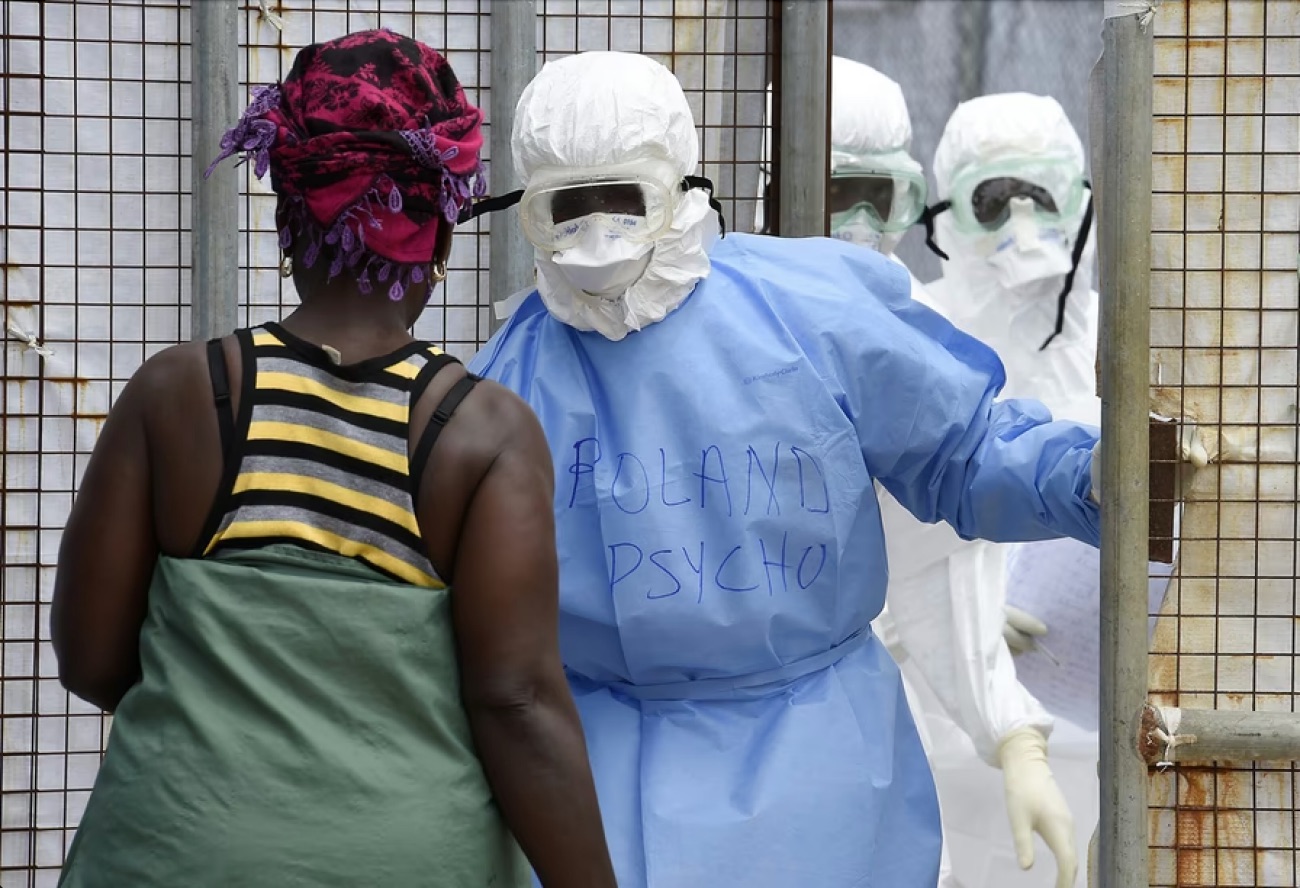
Genetic Analysis Identifies Similarity
The findings emerged from genomic sequencing conducted by the Nigeria Centre for Disease Control and Prevention (NCDC) in collaboration with researchers at the Institute of Genomics and Global Health at Redeemer’s University in Ede, Osun State.
The research team was led by virologist Christian Happi.
Pate said the genetic sequences of the viruses found in the Nigerian and Kenyan patients differed by only one mutation.
The minister nevertheless stressed that the finding could not independently establish a direct connection between the infections.
“There is no evidence of travel of that index case in Kenya that links it to Nigeria,” Pate said.
He said further investigations would be necessary to determine whether the genetic findings could help establish the virus’s route of transmission.
In an official statement, the Federal Government confirmed that the genetic resemblance did not, by itself, establish an epidemiological link between the patients.
Nigeria Monitors Contacts of Infected Patient
Pate said Nigeria had not recorded another confirmed Ebola infection.
Health authorities have identified people who may have been exposed to the patient and are monitoring them for symptoms.
Some contacts have tested negative, while other laboratory results remain outstanding.
According to the World Health Organization, the Nigerian patient developed symptoms four days after arriving in the country.
She subsequently sought medical attention at a private healthcare facility in Abuja, where laboratory investigations confirmed infection with the Bundibugyo virus, one of the viruses that cause Ebola disease.
The patient remains in isolation and is receiving medical care.
The WHO reported that 44 contacts had been identified during the initial investigation.
Nigerian authorities have activated an emergency response coordinated by the NCDC and the Federal Ministry of Health and Social Welfare.
The response includes contact tracing, laboratory testing, surveillance, and infection prevention measures at healthcare facilities.
Pate said hospitals were being instructed to identify suspected Ebola infections promptly and notify public health authorities.
Additional training is also being arranged to help healthcare workers protect themselves while examining and treating patients.

Kenya Records Nine Ebola Cases
The genetic findings come as Kenya responds to an outbreak linked to a patient who travelled from the Democratic Republic of the Congo through Uganda.
According to the WHO, Kenya’s first confirmed patient arrived in Nairobi after receiving treatment at several hospitals in the Democratic Republic of the Congo.
The patient subsequently died.
By October 20, Kenya had recorded nine confirmed cases, including one death.
The eight additional infections were identified among people who had been in contact with the first patient.
The WHO said there was no evidence of transmission outside that cluster.
The Democratic Republic of the Congo remains the centre of the wider Bundibugyo Ebola outbreak, which has spread across several countries.
Despite the travel histories of the Nigerian and Kenyan patients, health officials have not established that the Nigerian woman acquired the infection in Uganda or had contact with Kenya’s first patient.

Government Urges Vigilance
NCDC Director-General Jide Idris said containing the infection required cooperation between health authorities, medical personnel, and the public.
He urged Nigerians to observe preventive measures, including regular handwashing and avoiding contact with the bodily fluids of infected people.
Ebola is transmitted through direct contact with infected blood and other bodily fluids, rather than through ordinary airborne transmission.
Pate advised the public to obtain information from recognised health organisations and avoid circulating unverified reports.
The government said it would continue strengthening surveillance and laboratory capacity while providing updates on the investigation.
The NCDC also announced plans to issue daily public briefings as health officials monitor the confirmed infection and investigate its possible connection to the outbreak elsewhere in Africa.