
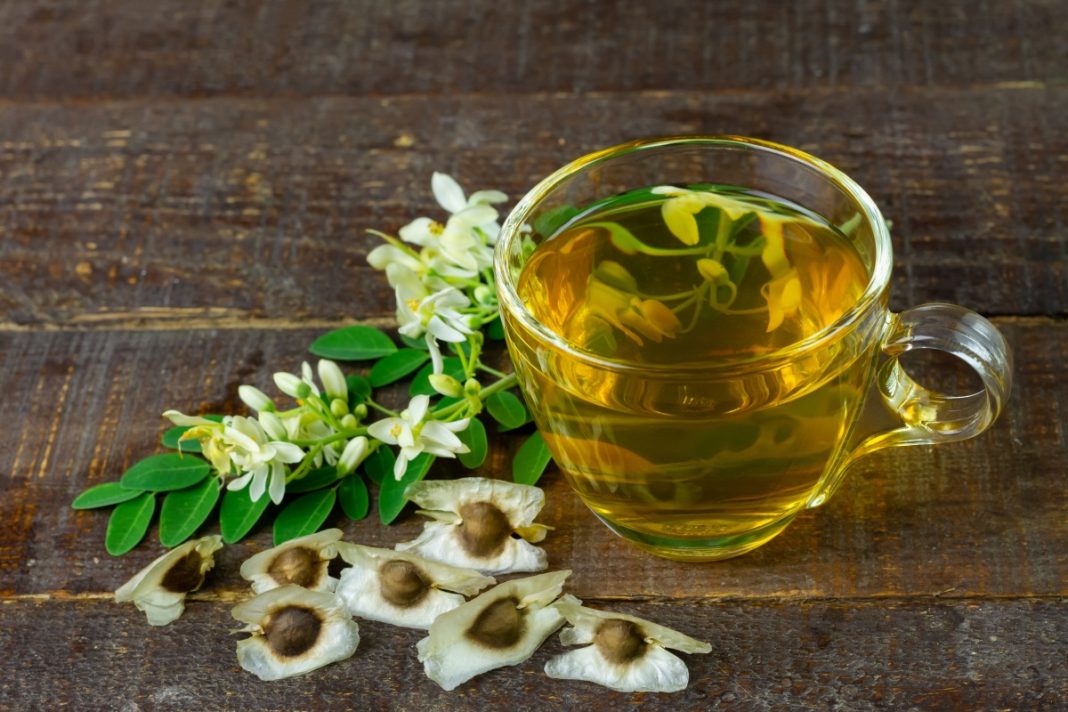

Across Africa’s landscapes, from the Sahel to the savannah, grows a hardy tree whose modest leaves conceal extraordinary power. Known scientifically as Moringa oleifera, it has long been used in traditional diets and healing practices. Today, modern science is catching up, revealing a plant rich in nutrients, bioactive compounds, and therapeutic potential. What follows is not folklore, but a growing body of evidence that positions moringa as one of the most remarkable natural resources in global nutrition.
A Nutritional Powerhouse That Rivals Conventional Superfoods
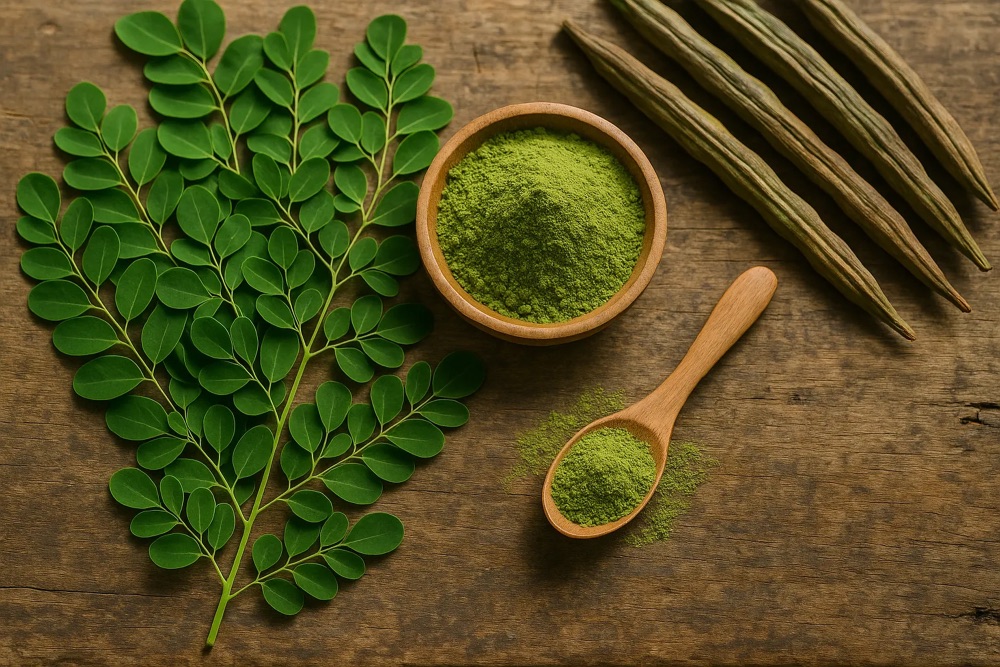
Moringa leaves are unusually dense in essential nutrients, containing significant levels of protein, vitamins, and minerals. Studies show protein content can reach up to nearly 30 percent in dried leaves, a rarity for a plant source.
Researchers and nutritionists have increasingly used moringa to address malnutrition, particularly among children and nursing mothers in low-resource settings.
Unlike many leafy greens, moringa offers a rare combination of protein, iron, calcium, and vitamin A in one source, making it uniquely valuable in both rural and urban diets.
A Natural Shield Against Oxidative Stress
One of moringa’s most powerful attributes lies in its antioxidant profile. The plant contains flavonoids, polyphenols, and ascorbic acid, compounds known to neutralise free radicals and reduce cellular damage.
Oxidative stress has been linked to ageing and chronic diseases, including cardiovascular conditions and metabolic disorders. By counteracting this process, moringa offers a protective effect at the cellular level, a finding supported by multiple pharmacological reviews.
A Potent Anti-Inflammatory Agent
Chronic inflammation underpins a wide range of illnesses, from arthritis to heart disease. Moringa contains bioactive molecules that suppress inflammatory pathways, helping to reduce systemic inflammation.
Researchers note that its anti-inflammatory activity is closely tied to its high antioxidant content, reinforcing its dual role as both protector and regulator within the body.
A Promising Ally in Blood Sugar Control
Emerging studies suggest moringa may help regulate blood glucose levels. Compounds such as isothiocyanates and certain polyphenols have been shown to improve insulin sensitivity and support glucose metabolism.
While clinical evidence in humans is still evolving, early findings indicate that moringa could complement dietary strategies for managing metabolic health, though it should not replace medical treatment.
A Heart-Health Enhancer
Cardiovascular disease remains a leading global health challenge. Moringa contributes to heart health through multiple mechanisms, including reducing oxidative stress and potentially lowering blood pressure and cholesterol.
Its anti-inflammatory properties further support vascular health, creating a multi-layered defence against heart-related conditions.
A Tool in the Fight Against Malnutrition
Few plants have demonstrated as much practical impact in combating malnutrition as moringa. Its nutrient density allows it to be incorporated into local diets as a supplement that improves overall nutritional intake.
In humanitarian and public health contexts, moringa has been used to enrich meals, especially in communities facing food insecurity, highlighting its relevance beyond individual wellness into broader societal health.
A Liver-Protective Botanical
The liver plays a central role in detoxification and metabolism, and moringa appears to offer protective benefits for this vital organ. Research indicates that its polyphenols can help restore liver enzymes and reduce oxidative damage.
This suggests potential applications in mitigating the effects of environmental toxins and metabolic strain.
A Source of Antimicrobial and Immune Support
Moringa contains compounds with antimicrobial properties that may help combat bacterial and fungal infections.
Additionally, its rich micronutrient profile supports immune function, making it valuable in maintaining resilience against common illnesses.
A Plant With Emerging Anti-Cancer Potential
Laboratory studies have identified compounds in moringa that may inhibit the growth of certain cancer cells. These effects are linked to its ability to induce oxidative stress selectively in abnormal cells, disrupting their proliferation.
While these findings are preliminary and largely based on in vitro studies, they have sparked significant interest in moringa as a potential adjunct in cancer research.

A Sustainable Solution for Modern Wellness
Beyond its biochemical benefits, moringa’s resilience makes it a sustainable crop. It thrives in arid climates, requires minimal inputs, and offers multiple uses, from food to oil and even water purification.
In an era of climate uncertainty and rising health challenges, moringa represents a convergence of nutrition, sustainability, and accessibility.
Why Moringa Matters Now
What makes moringa remarkable is not just its nutrient profile, but its context. It is indigenous to regions often overlooked in global wellness narratives, yet it offers solutions to some of the world’s most pressing health concerns, from malnutrition to chronic disease.
Science has begun to validate what African communities have long understood. Moringa is not a miracle cure, but it is a profoundly effective ally in human health. Its strength lies in its balance: a natural, accessible, and versatile plant that bridges traditional knowledge and modern research.
In a world constantly searching for the next breakthrough in wellness, the answer may have been quietly growing in Africa all along.