
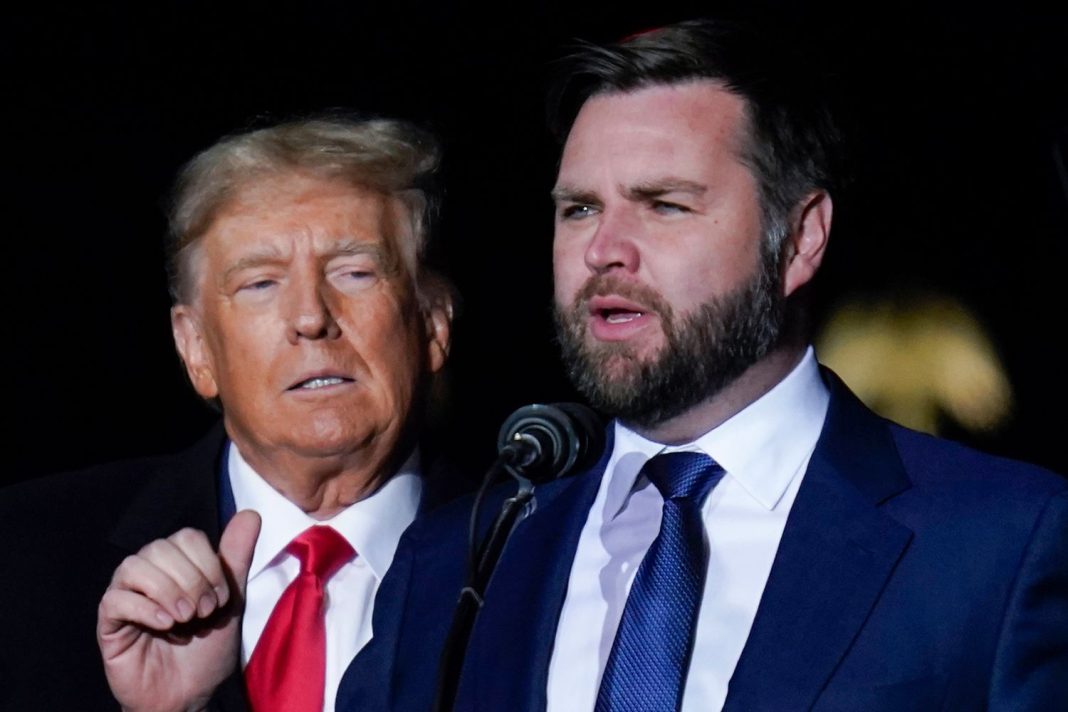

WASHINGTON, United States — President Donald Trump has directed Vice President JD Vance to abandon his immediate efforts to negotiate an end to the war with Iran.
The president said the United States no longer needed an agreement with Tehran. He instructed Vance to concentrate instead on investigating alleged corruption in Democratic-controlled American states and cities.
Trump announced the change in a Truth Social post on Thursday, November 12, 2026.
“We don’t need a deal with Iran. Those days have long since passed,” Trump wrote.
The announcement came as Vance was exploring direct negotiations with senior Iranian officials to end the eight-month conflict and reopen the Strait of Hormuz.
It also followed a public disagreement between Trump and his vice president over the political and economic consequences of the war, which Vance partly blamed for the Republican Party’s heavy defeat in last week’s midterm elections.
Trump Redirects Vance to Domestic Investigations
Trump said the vice president should now concentrate on alleged financial misconduct in Democratic-led states.
He identified Minnesota, California, and Illinois among the states he wanted Vance to examine.
The president alleged that billions of dollars were being stolen through corruption and suggested that recovering the money could help balance the federal budget.
He did not provide evidence substantiating the amounts alleged in his announcement.
Trump also claimed that Washington had gained sufficient economic and strategic leverage over Iran to make a negotiated settlement unnecessary.
He referred to Iranian financial assets and the Strait of Hormuz, the strategically important shipping passage linking the Persian Gulf to international markets.
The president’s assertion that the United States controls the waterway has not been independently established.
American naval forces have maintained a blockade of Iranian ports while attempting to secure the passage of commercial vessels through the region.
According to Reuters, Vance’s office did not immediately respond to a request for comment on the president’s announcement.

Vance Had Been Exploring Talks With Iranian Officials
Trump’s announcement came shortly after reports that Vance was considering meeting a senior Iranian security official.
The vice president had been exploring direct discussions with Mohsen Rezaei, the secretary of Iran’s Supreme National Security Council, as part of an effort to secure an agreement ending the war.
According to The Wall Street Journal, Vance had written to Rezaei in October requesting a meeting.
The proposal remained preliminary, and no date had been confirmed.
Doha, Qatar, was among the possible locations being discussed.
The newspaper reported that Trump had previously authorised Vance to explore renewed negotiations.
The proposed discussions were expected to address Iran’s nuclear programme and the reopening of the Strait of Hormuz.
Tehran has demanded an end to American restrictions on its shipping, the release of frozen Iranian assets, and relief from economic sanctions as conditions for further negotiations.
Iranian officials have also disputed reports that formal negotiations were underway.
On Tuesday, Rezaei said there were no active talks between Tehran and Washington.
He maintained that Iran was awaiting an American response to conditions presented under an earlier interim arrangement.
Trump’s latest announcement appears to have ended Vance’s immediate diplomatic initiative, although the White House has not formally declared that all negotiations with Iran are over.
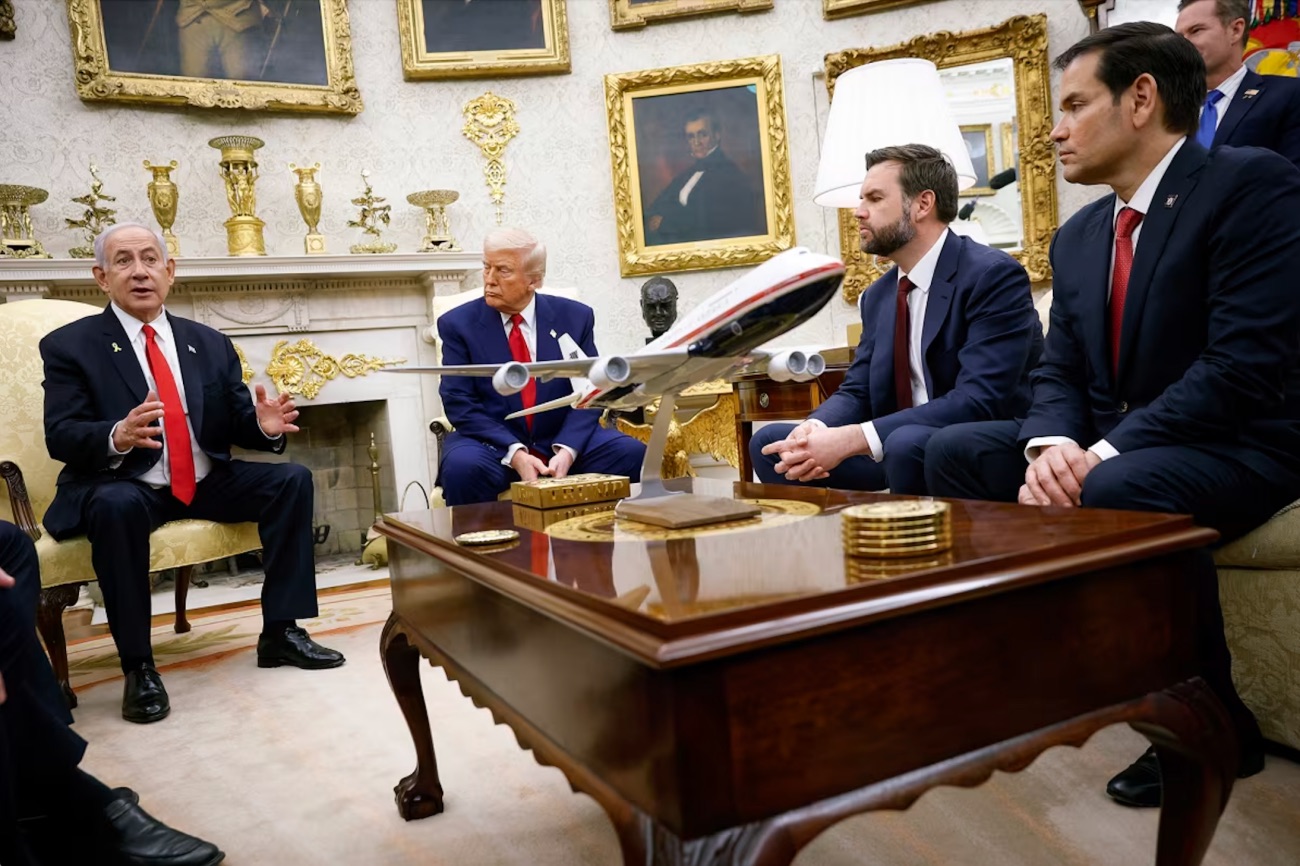
Jerusalem
Vice President Blamed Iran War for Republican Election Losses
The decision followed Vance’s public criticism of the political consequences of the Iran war.
Democrats secured major victories in the November midterm elections, gaining control of both chambers of Congress.
The conflict and its effects on fuel and food prices became prominent issues during the campaign.
Vance subsequently acknowledged that the war had contributed to Republican losses.
He also defended his earlier recommendation that the administration seek to end the military campaign, describing it as sound advice.
Trump has rejected suggestions that launching the war was a mistake.
He maintains that American military action was necessary to prevent Iran from obtaining nuclear weapons.
The president has also repeatedly described the campaign as a military success, although the conflict remains unresolved.
According to The Washington Post, Vance’s diplomatic outreach had become one of the administration’s principal efforts to secure a negotiated settlement.
The vice president was working alongside special envoy Steve Witkoff and Jared Kushner, Trump’s son-in-law, who have also participated in discussions concerning Iran.
Other senior administration officials have supported maintaining pressure on Tehran rather than making concessions to secure an agreement.
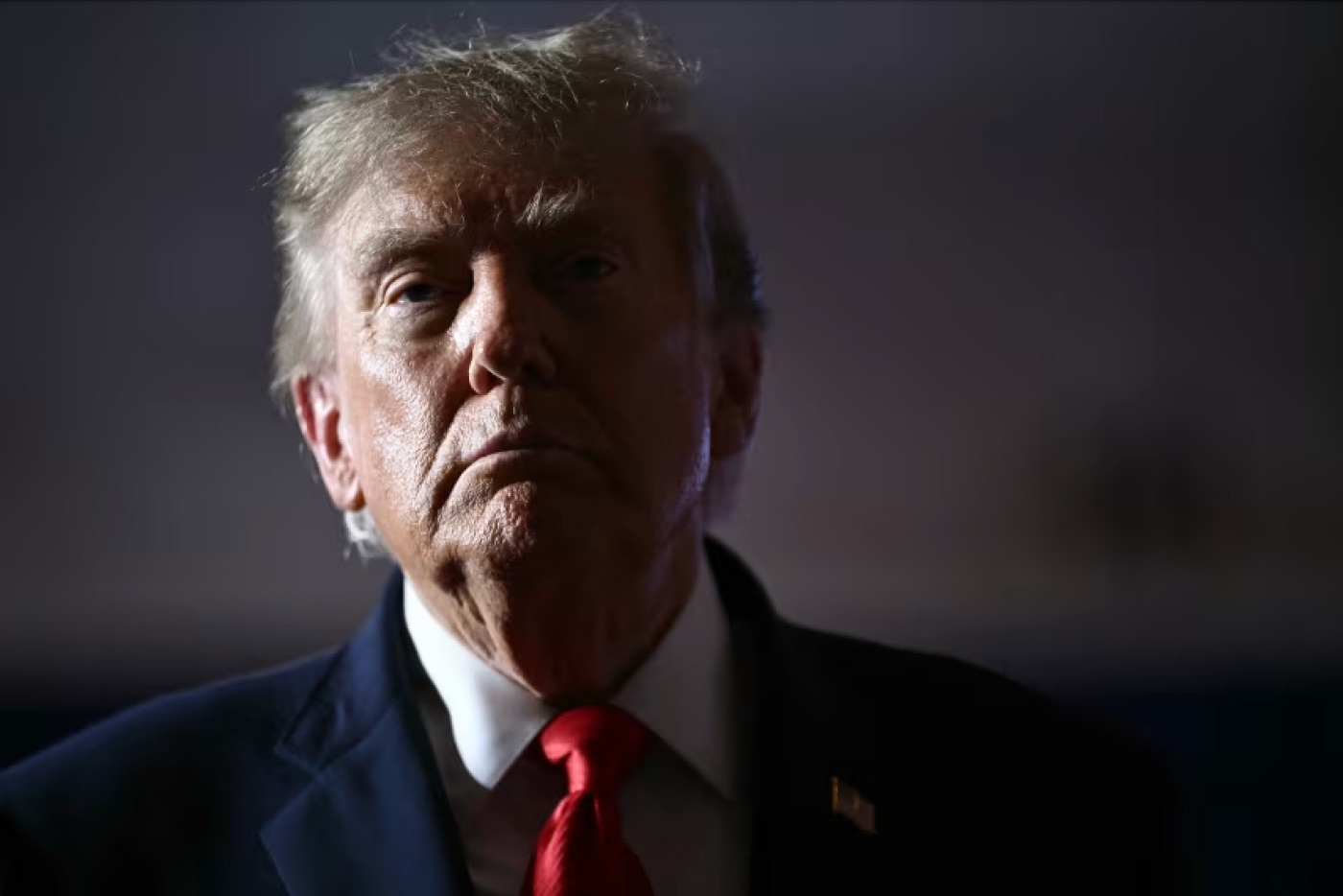
Trump’s Position Changes After Talks With Qatar
The announcement represents a change from Trump’s position earlier in the week.
On Monday, the president met Qatari Prime Minister Mohammed bin Abdulrahman Al Thani at the White House to discuss the conflict.
Qatar has served as an intermediary between Washington and Tehran.
After the meeting, Trump indicated that American military operations against Iran were largely complete and that negotiations were making progress.
He also played down the immediate possibility of further extensive American strikes.
The president nevertheless maintained that American forces were prepared to resume military action if circumstances changed.
His latest statement suggests that he now favours maintaining economic and naval pressure without immediately pursuing a formal settlement.
However, it remains unclear whether he intends to end all diplomatic contacts or merely remove Vance from the negotiations.
The White House has not announced a replacement negotiating team or provided details of any new framework for talks.
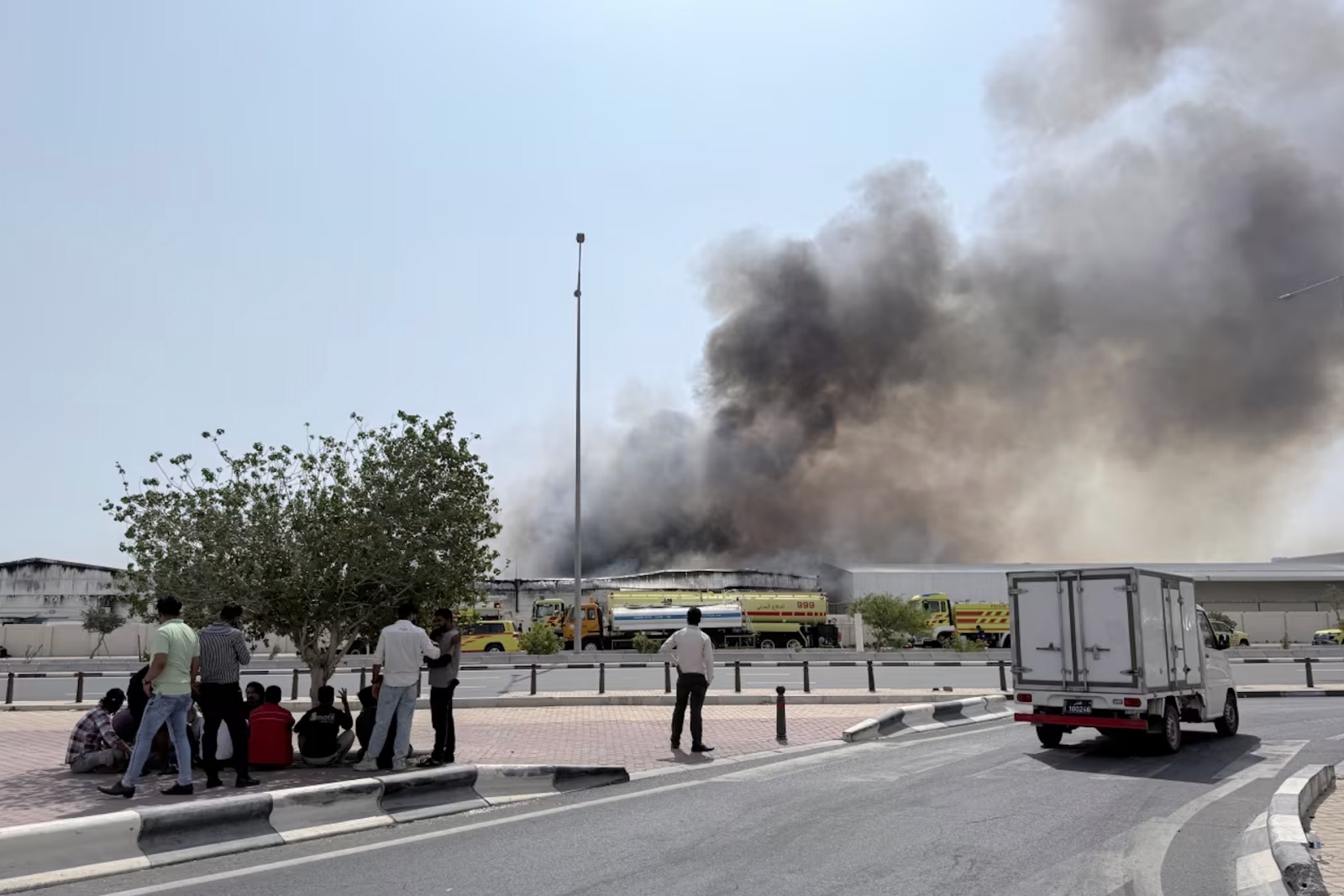
Gulf States Seek to Prevent Renewed Fighting
The change has implications for countries in the Persian Gulf that have been attempting to secure a settlement.
Qatar and other regional governments have pursued diplomatic efforts following months of fighting between Iran and American and Israeli forces.
During the early stages of the war, Iranian missiles and drones struck several Gulf countries allied with the United States.
The conflict also disrupted shipping through the Strait of Hormuz, a major route for international oil and gas exports.
Although some commercial shipping has resumed under military protection, energy prices remain elevated.
Regional governments have sought assurances that the conflict will not expand into another period of sustained military strikes.
According to The Washington Post, Gulf officials had been examining the possibility of renewed American attacks before Trump’s latest statement.
Anwar Gargash, a diplomatic adviser to the president of the United Arab Emirates, warned earlier in the week that the region could face a prolonged period without a clear resolution.
The uncertainty also extends to Iran’s nuclear programme, which remains a central issue in the dispute between Tehran and Washington.
No Clear Timetable for Ending the War
The United States has continued to enforce restrictions on Iranian maritime activity while maintaining military forces in the region.
Iran has insisted that Washington must meet its conditions before formal negotiations can resume.
Trump’s decision to redirect Vance removes a senior administration official from the immediate diplomatic effort at a time when neither side has announced an agreement.
The president has not outlined an alternative plan for formally ending hostilities.
Nor has the White House clarified whether Witkoff, Kushner, or other American representatives will continue discussions through regional intermediaries.
For now, the administration is maintaining pressure on Tehran while Trump insists that an agreement is no longer necessary.
The war remains unresolved, and neither Washington nor Tehran has announced a timetable for reaching a permanent settlement.