
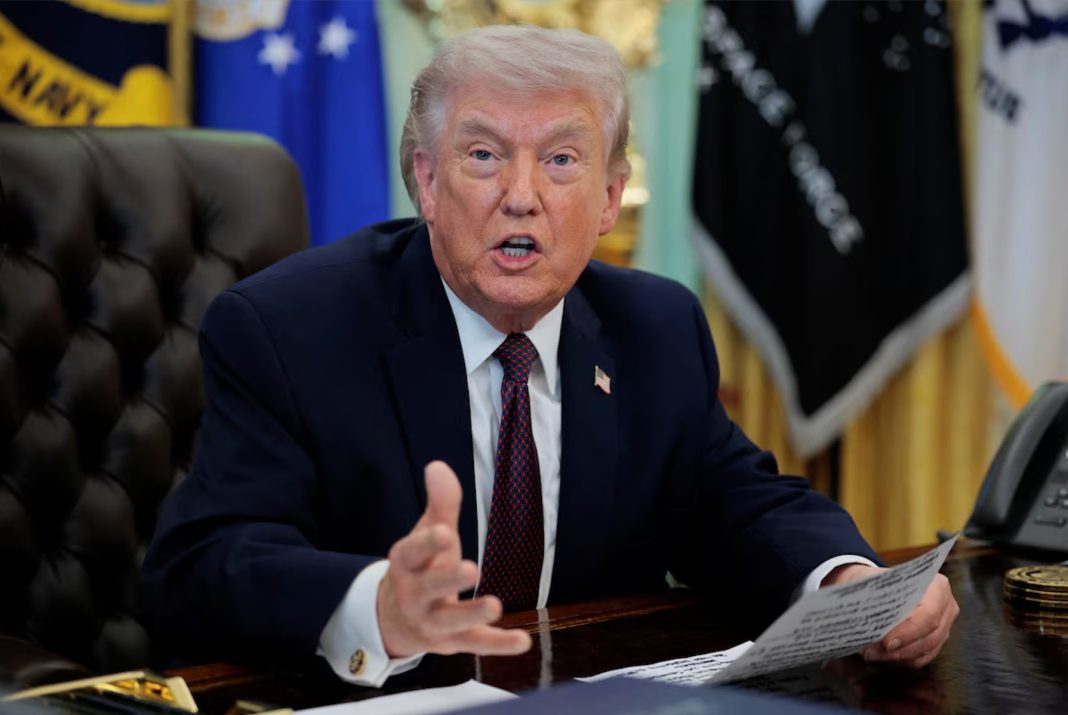

WASHINGTON, United States — Donald Trump said the United States could soon scale back its military involvement in Iran and is considering withdrawing from NATO, citing dissatisfaction with allied support during the conflict.
In remarks ahead of a scheduled national address on Wednesday, April 1, 2026, Mr Trump said U.S. forces would be “out of Iran pretty quickly,” though he suggested the military could return for limited strikes if necessary.
“I can’t tell you exactly… we’re going to be out pretty quickly,” he said, adding that after withdrawal, “we’ll come back to do spot hits” on Iranian targets as needed.
NATO Criticism and Possible Withdrawal
Mr Trump said one focus of his address would be criticism of NATO, which he accused of failing to support U.S. objectives in the conflict.
“They haven’t been friends when we needed them,” he said. “We’ve never asked them for much … it’s a one-way street.”
He added that he was “absolutely” considering withdrawing the United States from the alliance, a move that would mark a significant shift in American foreign policy.
Tensions between Washington and European allies have increased after some NATO members declined requests to help secure oil shipments through the Strait of Hormuz.
Conflict Timeline and Public Opinion
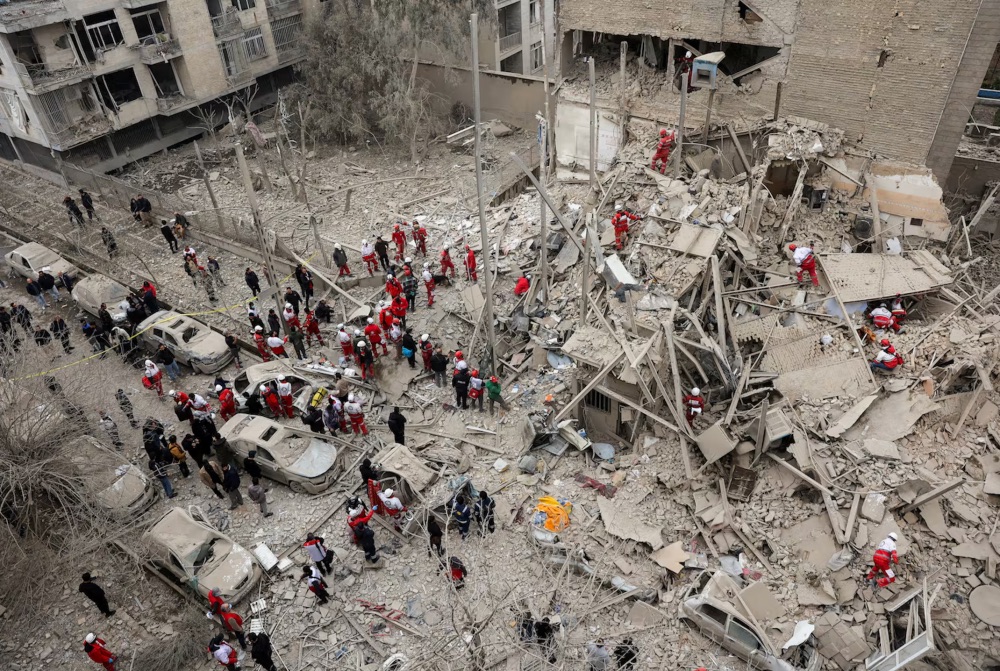
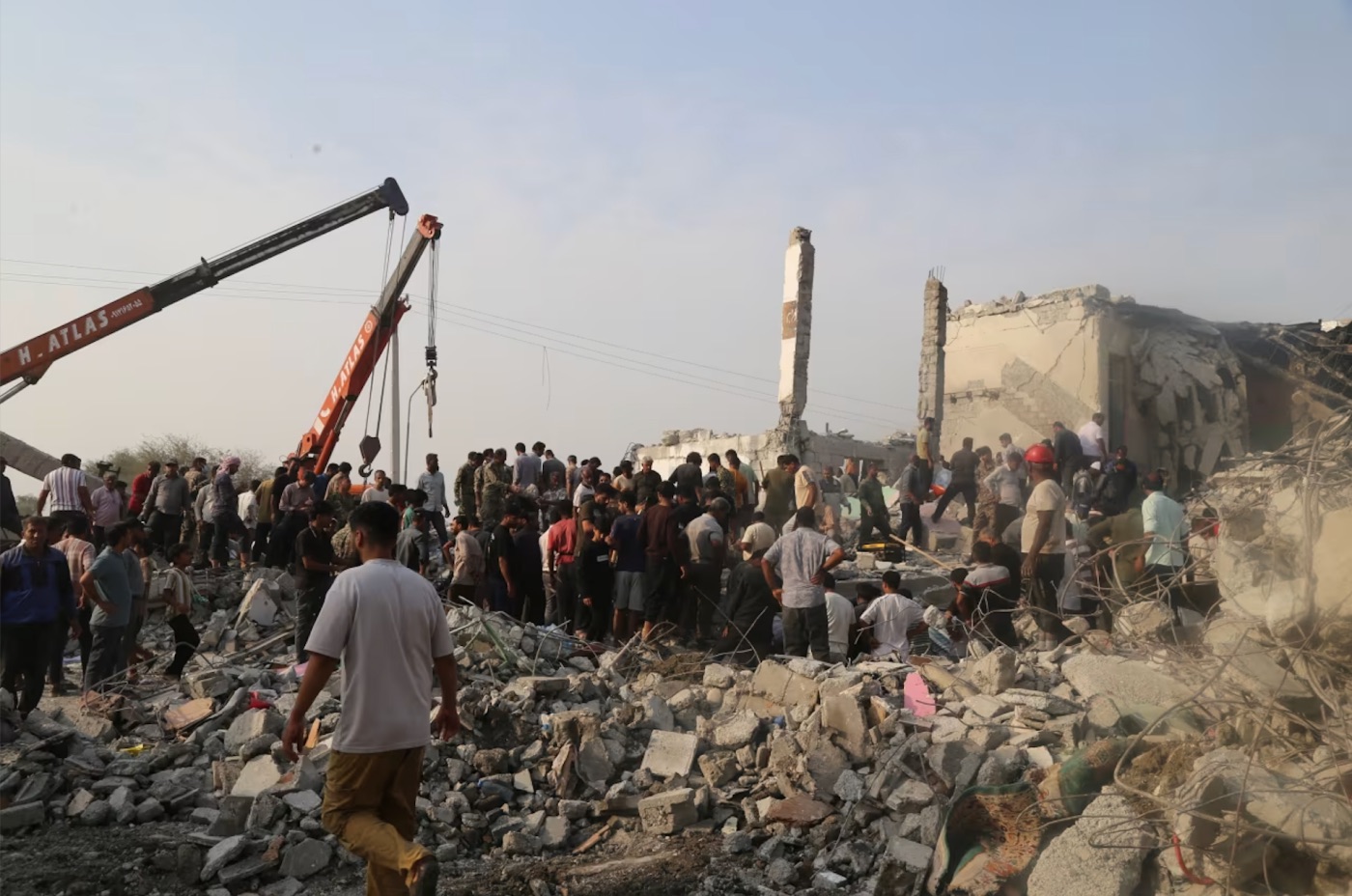
The conflict, now in its fifth week, has spread across the Middle East, contributing to rising energy prices and broader economic concerns.
Mr Trump has offered varying timelines for ending U.S. involvement, previously suggesting the campaign could conclude within weeks, but declined to provide a specific timeframe in his latest remarks.
A Reuters/Ipsos poll conducted over the weekend found that about two-thirds of Americans believe the United States should seek a rapid end to its involvement, even if that means not achieving all stated objectives.
Claims on Iran’s Capabilities
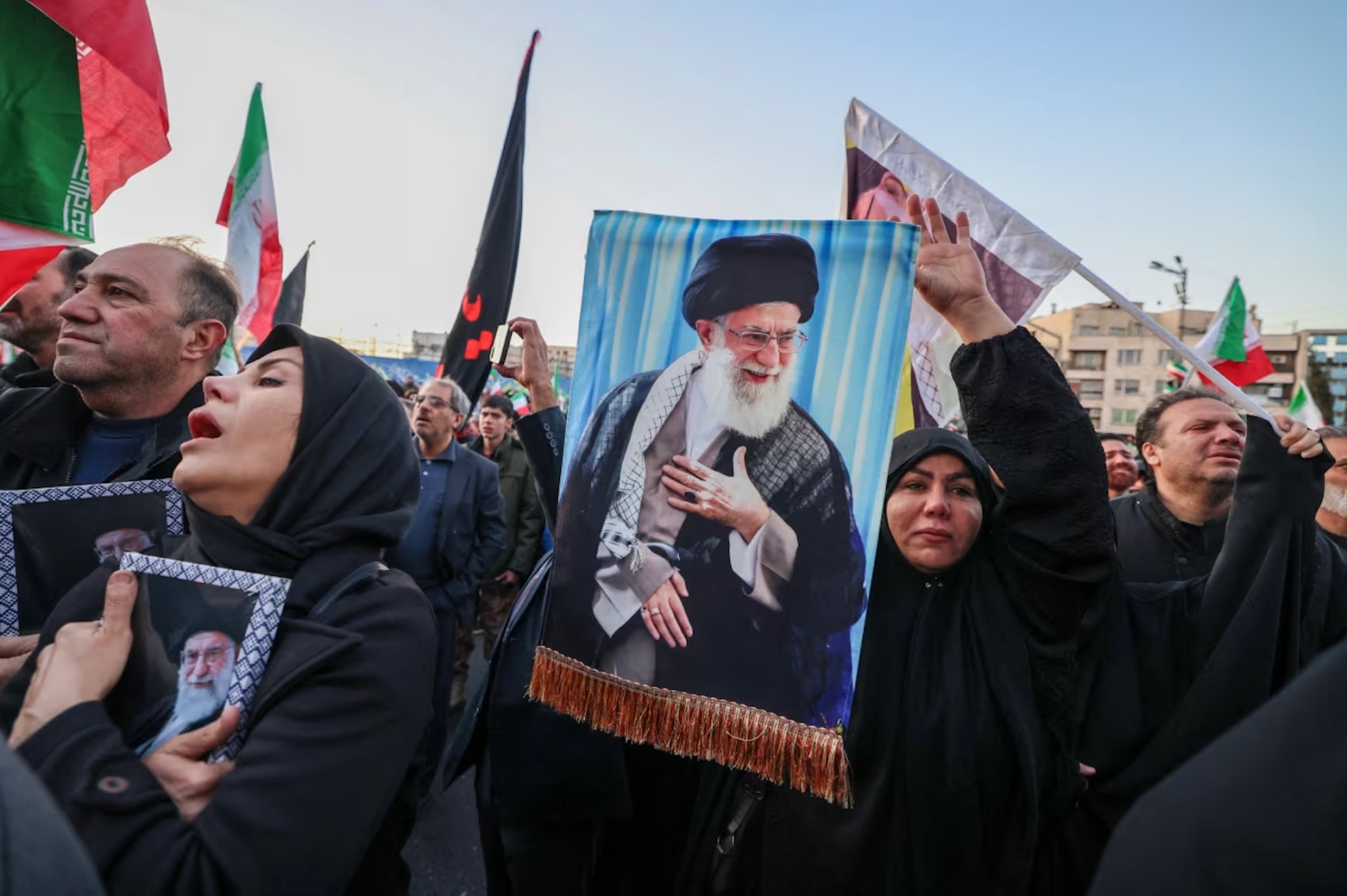
Mr Trump said changes in Iran’s leadership following the conflict had opened the possibility of a negotiated agreement.
“I didn’t need regime change, but we got it because of the casualties of war. We got it,” he said. “So we have regime change and the big thing we have is they’re not going to have a nuclear weapon.”
He added that Iran was now “incapable” of developing nuclear weapons, despite assessments by international agencies that significant quantities of enriched uranium remain.
According to International Atomic Energy Agency Director General Rafael Grossi, a substantial portion of Iran’s enriched uranium is stored deep underground at a facility in Isfahan that may not have been significantly damaged in earlier strikes.
Iran has consistently denied seeking to develop nuclear weapons, maintaining that its programme is for peaceful purposes.
Ongoing Diplomatic Efforts
The White House has said that indirect negotiations with Iran are ongoing, though Iranian officials have denied such claims.
A source familiar with the discussions said Vice President JD Vance had been in contact with intermediaries, including representatives from Pakistan, regarding potential terms for de-escalation.
Mr Trump said he believed there was “a very good chance” of reaching an agreement, adding that Iranian leaders “don’t want to be blasted anymore.”
The president’s remarks come amid continued military operations and uncertainty over the trajectory of the conflict, with his address expected to outline the administration’s next steps.