
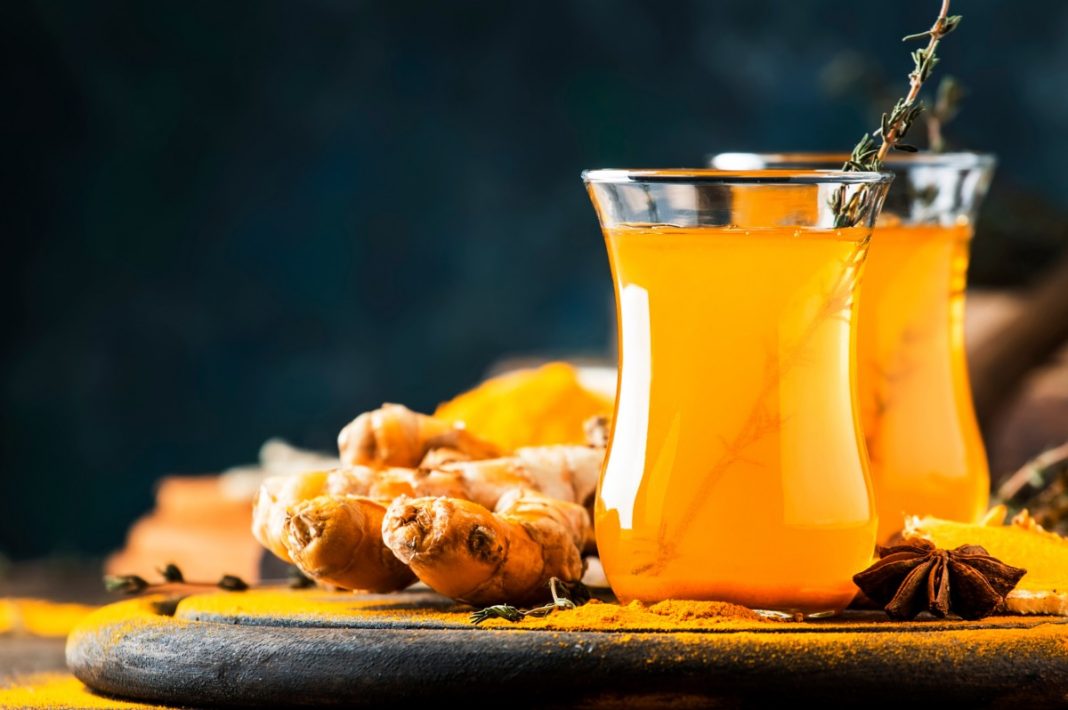

In kitchens from Lagos to Lahore, turmeric has long lent its warm hue and earthy aroma to everyday meals. Yet beyond its culinary appeal lies a growing body of scientific interest in its potential to modulate inflammation, a biological process at the heart of many chronic conditions. The active compound most often credited is curcumin, a polyphenol that has attracted attention for its antioxidant and anti-inflammatory properties. While turmeric is no miracle cure, its thoughtful integration into daily habits offers a compelling example of how traditional ingredients can align with modern understandings of health.
What follows are ten practical, evidence-informed ways to harness turmeric’s potential, grounded in both tradition and emerging research.
1. Pair Turmeric With Black Pepper for Enhanced Absorption
Curcumin, the primary bioactive compound in turmeric, is notoriously difficult for the body to absorb. Studies have shown that piperine, a compound found in black pepper, can increase curcumin absorption significantly. This pairing works by inhibiting certain metabolic pathways in the liver and gut that would otherwise break down curcumin too quickly.
In practical terms, adding a pinch of black pepper to turmeric-rich dishes is a simple way to amplify its potential benefits without altering flavour dramatically.
2. Incorporate Turmeric Into Warm, Fat-Containing Meals
Curcumin is fat-soluble, meaning it dissolves better in fats than in water. Cooking turmeric in dishes that include healthy fats such as olive oil, coconut oil, or groundnuts can improve its bioavailability.
Traditional recipes often intuitively reflect this principle. Curries, stews, and soups that combine turmeric with oils not only deepen flavour but also enhance the body’s ability to utilise its active compounds.
3. Use Turmeric Consistently Rather Than Sporadically
Research into dietary patterns consistently suggests that long-term, low-level intake of beneficial compounds may be more effective than occasional high doses. Inflammation is a chronic process, and addressing it requires sustained habits.
Incorporating turmeric into daily cooking, even in small amounts, aligns with this principle. A teaspoon added regularly to rice, vegetables, or sauces may be more impactful over time than infrequent, concentrated use.
4. Combine Turmeric With Other Anti-Inflammatory Foods
Turmeric does not act in isolation. Its effects may be complemented by other foods rich in antioxidants and anti-inflammatory compounds, such as ginger, garlic, leafy greens, and berries.
Nutritional science increasingly points to the concept of synergy, where combinations of compounds produce effects greater than the sum of their parts. A meal that integrates multiple such ingredients creates a broader, more balanced anti-inflammatory profile.
5. Add Turmeric to Morning Beverages Thoughtfully
Golden milk, a blend of turmeric, milk (or plant-based alternatives), and spices, has gained popularity in recent years. When prepared with a small amount of fat and a dash of black pepper, it becomes a convenient vehicle for curcumin intake.
Warm beverages may also support digestion, which can indirectly influence inflammatory processes. While not a cure-all, such rituals can anchor healthy habits at the start or end of the day.
6. Use Fresh Turmeric Root When Available
Fresh turmeric root contains a broader spectrum of compounds beyond curcumin, including volatile oils that may contribute to its biological effects. It also offers a more nuanced flavour profile.
Grating fresh turmeric into dishes or beverages introduces variety and may provide a slightly different nutritional profile compared to dried powder, though both forms remain valuable.
7. Balance Turmeric Intake With Overall Dietary Quality
No single ingredient can offset a diet high in ultra-processed foods, sugars, or unhealthy fats. Chronic inflammation is strongly influenced by overall dietary patterns, including fibre intake, micronutrient diversity, and calorie balance.
Turmeric’s role is best understood as part of a wider framework that emphasises whole foods, plant diversity, and moderation. Its benefits are amplified when embedded within a balanced, nutrient-rich diet.
8. Understand the Limits of Current Research
While laboratory and small clinical studies suggest promising anti-inflammatory effects of curcumin, large-scale human trials remain limited. Researchers often caution that results observed in controlled settings may not fully translate to everyday dietary use.
Maintaining a balanced perspective helps avoid overstating turmeric’s effects. It is a supportive dietary component, not a substitute for medical treatment or comprehensive lifestyle changes.
9. Minimise Overprocessing During Cooking
Excessive heat or prolonged cooking may degrade some of turmeric’s active compounds. While traditional cooking methods are generally safe, gentle heating and shorter cooking times can help preserve its properties.
Adding turmeric towards the end of cooking, when appropriate, is a simple adjustment that may retain more of its beneficial compounds without compromising taste.
10. Integrate Turmeric Into Culturally Familiar Meals
Sustainable health habits are those that fit naturally into one’s cultural and culinary context. Turmeric is already a staple in many African and Asian cuisines, making it easier to incorporate without disruption.
From jollof rice variations to vegetable stews and marinades, adapting familiar dishes ensures that turmeric use is not a fleeting trend but a lasting practice.
The Broader Context of Inflammation and Lifestyle
Inflammation is not inherently harmful; it is a protective response essential for healing. Problems arise when it becomes chronic, often driven by factors such as poor diet, stress, lack of sleep, and physical inactivity.
Addressing inflammation, therefore, requires a holistic approach. Nutritional choices, including the use of turmeric, play a role alongside regular exercise, adequate sleep, and stress management. Public health research consistently underscores that these combined factors exert the most meaningful influence on long-term wellbeing.
Conclusion: A Golden Ingredient in a Larger Story
Turmeric’s enduring appeal lies in its dual identity as both a culinary staple and a subject of scientific curiosity. Its anti-inflammatory potential, while modest on its own, becomes more meaningful when integrated into consistent, balanced dietary habits.
The lesson is not that one root can transform health, but that small, thoughtful choices accumulate over time. By embracing turmeric as part of a broader commitment to wholesome eating and sustainable living, individuals can draw on both tradition and science to support their well-being.