


OTTAWA, Canada — Canada will not change its approach to trade negotiations with the United States following the Democratic Party’s victory in the US midterm elections.
Dominic LeBlanc, Canada’s minister responsible for relations with the United States, said the election results would not alter Ottawa’s priorities.
Speaking to reporters on Wednesday, November 4, 2026, LeBlanc said his government would continue negotiating with President Donald Trump’s administration.
He also confirmed plans to speak with senior American trade officials within days.
The announcement came after Democrats won control of both chambers of Congress, ending Republican control of Washington’s legislative branch.
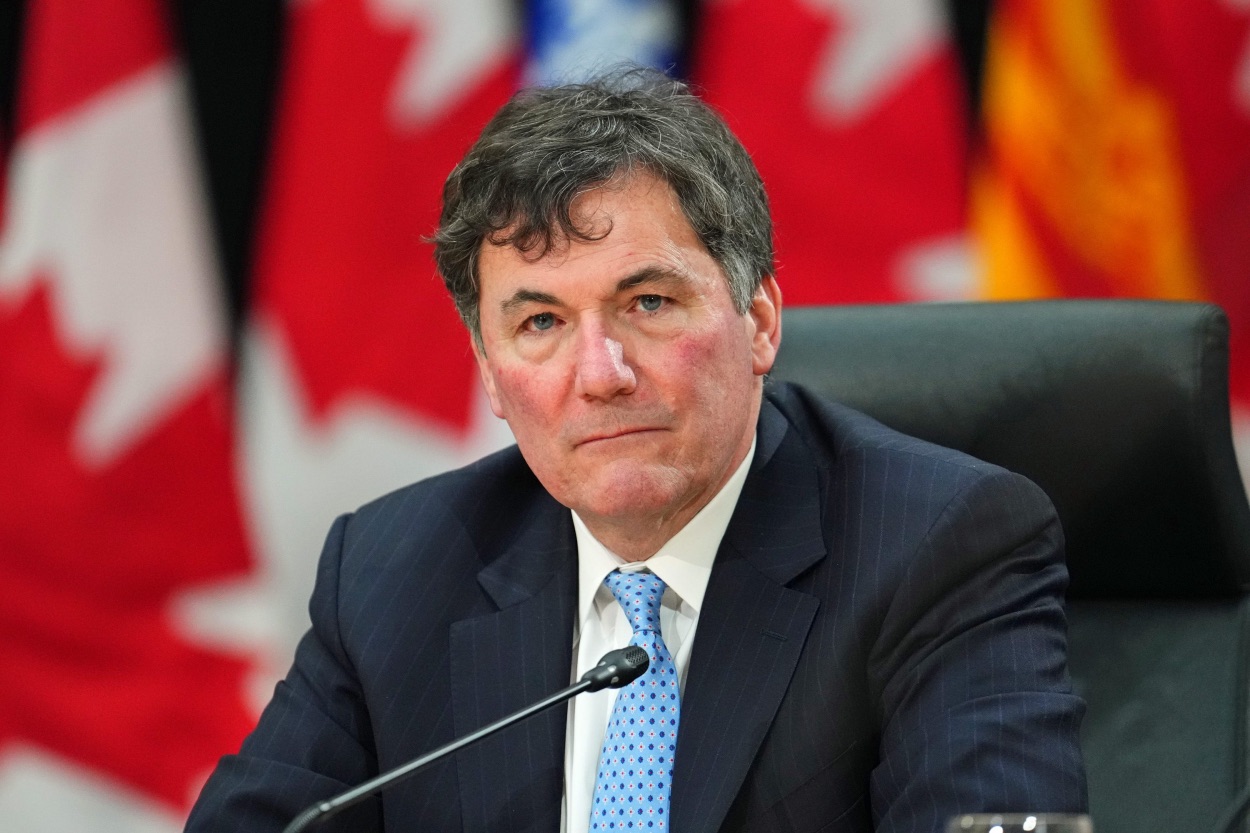
Canada Maintains Its Trade Position
LeBlanc said Canada’s trade objectives would remain unchanged despite the political developments in Washington.
“To a certain extent last night’s results are interesting, but they will not have any significant impact in terms of our government’s focus and work,” he said, according to Reuters.
He said he expected to speak with US Commerce Secretary Howard Lutnick and US Trade Representative Jamieson Greer over the coming days.
The minister described recent discussions with American officials as productive.
He also reaffirmed Canada’s intention to expand its trading relationships beyond the United States.
According to The Canadian Press, LeBlanc said the election outcome would not divert the government from its efforts to diversify Canadian trade.
Trump and Carney Report Progress Towards Agreement
The minister’s remarks follow renewed efforts by Washington and Ottawa to resolve a trade dispute that has strained relations between the neighbouring countries.
US President Donald Trump said on Tuesday that the two governments were approaching a trade agreement.
Canadian Prime Minister Mark Carney offered a more cautious assessment.
Carney said progress had been made but further negotiations were necessary before the countries could finalise an agreement.
He also indicated that Washington had withdrawn or reduced some earlier demands.
The renewed discussions follow a breakdown in formal negotiations in August.
Canada withdrew from the talks after rejecting American proposals that its government said threatened Canadian sovereignty, protections for the French language, and the country’s automobile industry.
Trump subsequently imposed tariffs of 50 per cent on approximately $20 billion worth of Canadian goods.
Canada responded with retaliatory trade measures.
According to an Associated Press report, the two governments have since discussed possible relief from American tariffs affecting Canadian steel and automobiles.
No final agreement has been announced.

Tariffs Feature in US Midterm Elections
The trade dispute became an issue in several American states during the midterm campaign.
Republican candidates in Michigan and Maine publicly expressed concerns about the economic effects of Trump’s tariffs on Canada.
Both states have close economic connections with their northern neighbour.
The Democratic victories in Congress followed months of criticism of Trump’s trade policies and rising consumer costs.
LeBlanc rejected suggestions that Canada’s retaliatory tariffs had been intended to influence American elections.
He said the measures were designed to protect Canadian workers and businesses while responding to the economic effects of US trade restrictions.
The minister maintained that Ottawa’s negotiating position was based on Canada’s national interests rather than the political fortunes of either American party.
Canada Seeks New Trading Partners
Alongside its negotiations with Washington, Carney’s government has been working to reduce Canada’s dependence on the American market.
Ottawa has pursued closer economic relations with the European Union and other international partners.
Canada and the EU recently announced plans to strengthen their commercial relationship.
Carney has also set a goal of doubling Canadian exports to markets outside the United States over the next decade.
The government argues that expanding access to other markets would provide Canadian businesses with more opportunities and reduce their exposure to changes in US trade policy.
The strategy has gained importance as the two countries attempt to negotiate a settlement over tariffs.
Although Democrats will control Congress when the new legislative session begins in January, Trump will remain president and retain significant authority over American trade policy.
LeBlanc said Canada would continue working with the current US administration to secure an agreement that protects Canadian jobs and economic interests.
The government has not announced a deadline for concluding the negotiations.