


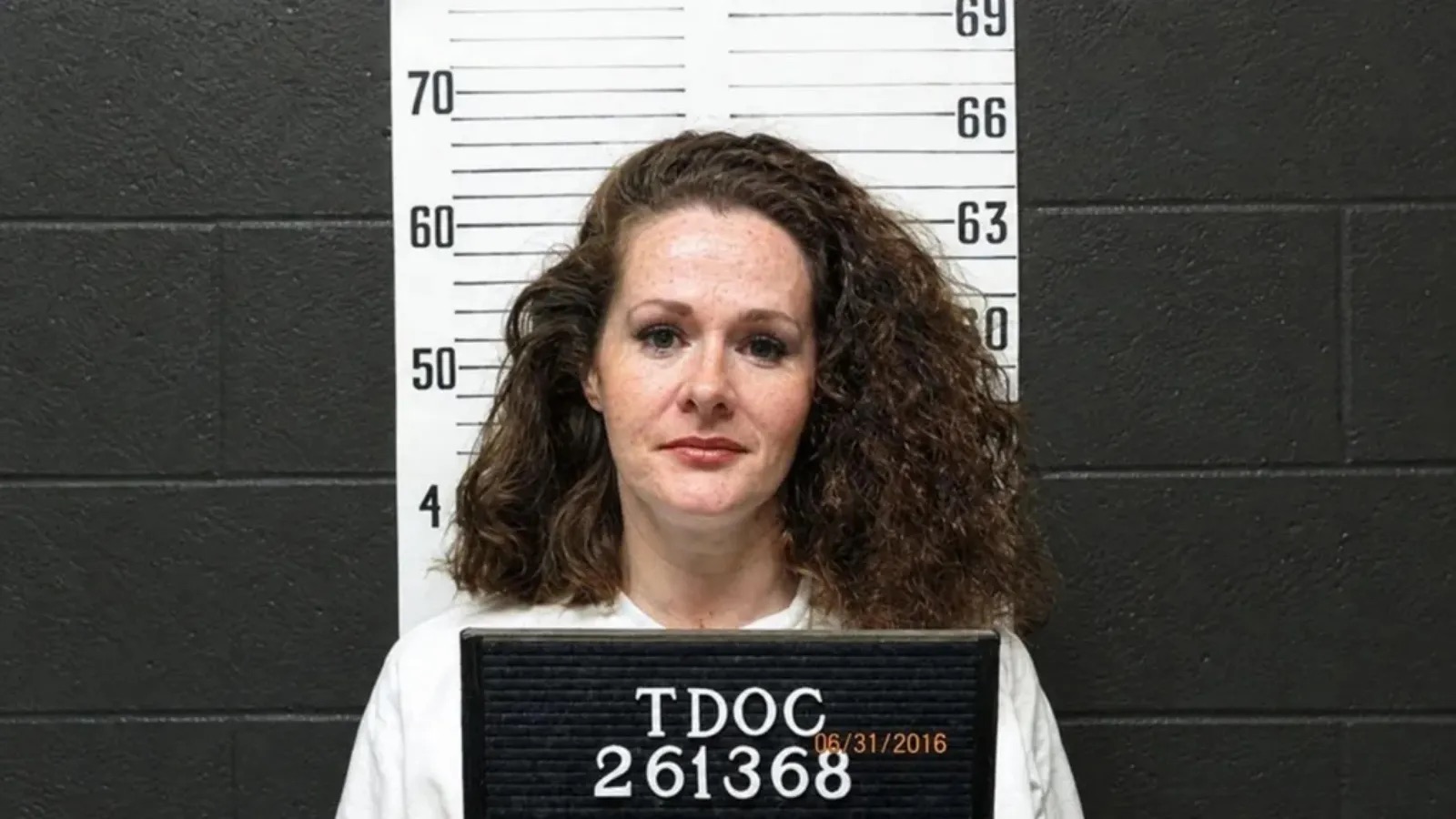
NASHVILLE, United States — Christa Pike, the Tennessee death-row inmate who survived an attempt to execute her by lethal injection, has regained consciousness and is speaking while receiving critical hospital care.
Pike, 50, had been unconscious and on a ventilator after Tennessee administered two doses of pentobarbital during the failed execution at Riverbend Maximum Security Institution in Nashville.
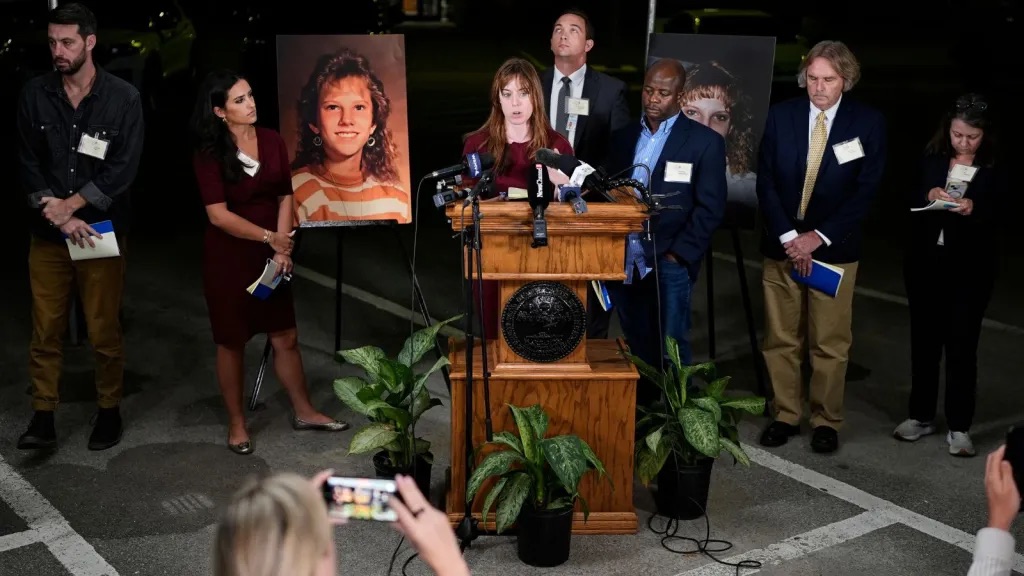
“Against all odds, Christa Pike is conscious, speaking, and continues to receive critical medical care,” her attorneys said on Tuesday.
Her lawyers said she suffered severe injuries to her arms during the procedure and remained handcuffed and shackled to her hospital bed.
“Her prognosis remains unclear, but at a minimum we expect a long recovery,” they said.
The improvement is the first indication that Pike’s condition has substantially changed since she was taken from the prison by ambulance after the execution attempt on Wednesday, September 30, 2026.
Pike Is Off Ventilator but Remains in Intensive Care
Dr. Joel Zivot, a professor of anaesthesiology and surgery who has served as a medical expert for Pike’s legal team, said she had recovered sufficiently to breathe without a ventilator and speak.
“She’s still in the ICU,” Zivot told the Associated Press.
He cautioned that Pike remained at risk and that it could take weeks or months to know the extent of her recovery.
As recently as Sunday, her attorneys had said she remained unconscious and dependent on a ventilator.
The Tennessee Department of Correction confirmed only that Pike remained hospitalised and did not provide additional information about her medical condition.

Two Doses Failed to Kill Her
Pike was sentenced to death for the 1995 killing of 19-year-old Colleen Slemmer, her classmate at a Job Corps programme in Knoxville.
She was 18 at the time of the killing.
Tennessee attempted to execute Pike with pentobarbital, the drug used under the state’s lethal-injection protocol.
According to her attorneys and journalists who witnessed the procedure, prison personnel encountered significant difficulty with the intravenous lines.
About five minutes after the execution began, Pike raised her head and complained that her arm hurt.
She later appeared to lose consciousness but continued breathing audibly as witnesses remained inside the observation area.
An ambulance eventually arrived and transported her to a hospital.
Pike is believed to be the first person in the United States known to have survived after lethal-injection drugs were actually administered during an execution.

Lawyers Say Her Arms Were Burned and Blistered
Pike’s attorneys said both of her arms were left swollen, burned, and blistered following attempts to administer the drugs intravenously.
They have argued in court filings that the IV lines were improperly placed and that pentobarbital may have entered surrounding tissue rather than flowing properly into her bloodstream.
Medical and lethal-injection experts have also focused on that possibility, although an official investigation has not yet determined precisely what went wrong.
The Tennessee Department of Correction defended its actions immediately after the failed execution.
“The Tennessee Department of Correction followed every step of the State’s lawful, established execution protocol approved by the Attorney General’s Office,” the department said in a statement.
It added that the protocol did not permit additional procedures after those already carried out.
Attorneys Seek Evidence From Failed Execution
Pike’s lawyers are asking a Tennessee court to require the Department of Correction to preserve evidence from the execution attempt.
They are seeking drug lot numbers, needles, execution logs, records, and other material that could help establish what happened.
A status conference before Davidson County Chancery Court Judge I’Ashea Myles was scheduled for Wednesday.
The Tennessee attorney general’s office has argued that a separate preservation order is unnecessary because state officials are already required to retain the evidence.
State lawyers said officials had also taken necessary steps to provide Pike with medical care and investigate what occurred.

Governor Orders Independent Investigation
Tennessee Gov. Bill Lee halted further executions following Pike’s hospitalisation and ordered what he called a comprehensive third-party review of the failed procedure.
Lee had denied Pike’s request for clemency shortly before the execution attempt.
Her lawyers are again asking him to commute her death sentence to life imprisonment without the possibility of parole.
Frank Strada, commissioner of the Tennessee Department of Correction, subsequently announced his resignation.
Strada said he believed the department had followed its protocol but was stepping aside while the investigation proceeded.

Questions Remain Over What Happens Next
The failed execution has left Pike’s medical and legal future uncertain.
Her attorneys said determining the extent of any permanent injuries could take considerable time.
Questions also remain over whether Tennessee could attempt another execution if Pike recovers sufficiently.
Legal specialists said any future effort could lead to challenges under constitutional protections against cruel and unusual punishment, although courts have previously allowed states to make another attempt when earlier executions were halted before lethal drugs were successfully administered.
Pike’s case is different because execution drugs were administered.
For now, her attorneys say their focus remains on her recovery.
“Christa is a survivor and will take recovery one day at a time,” they said.