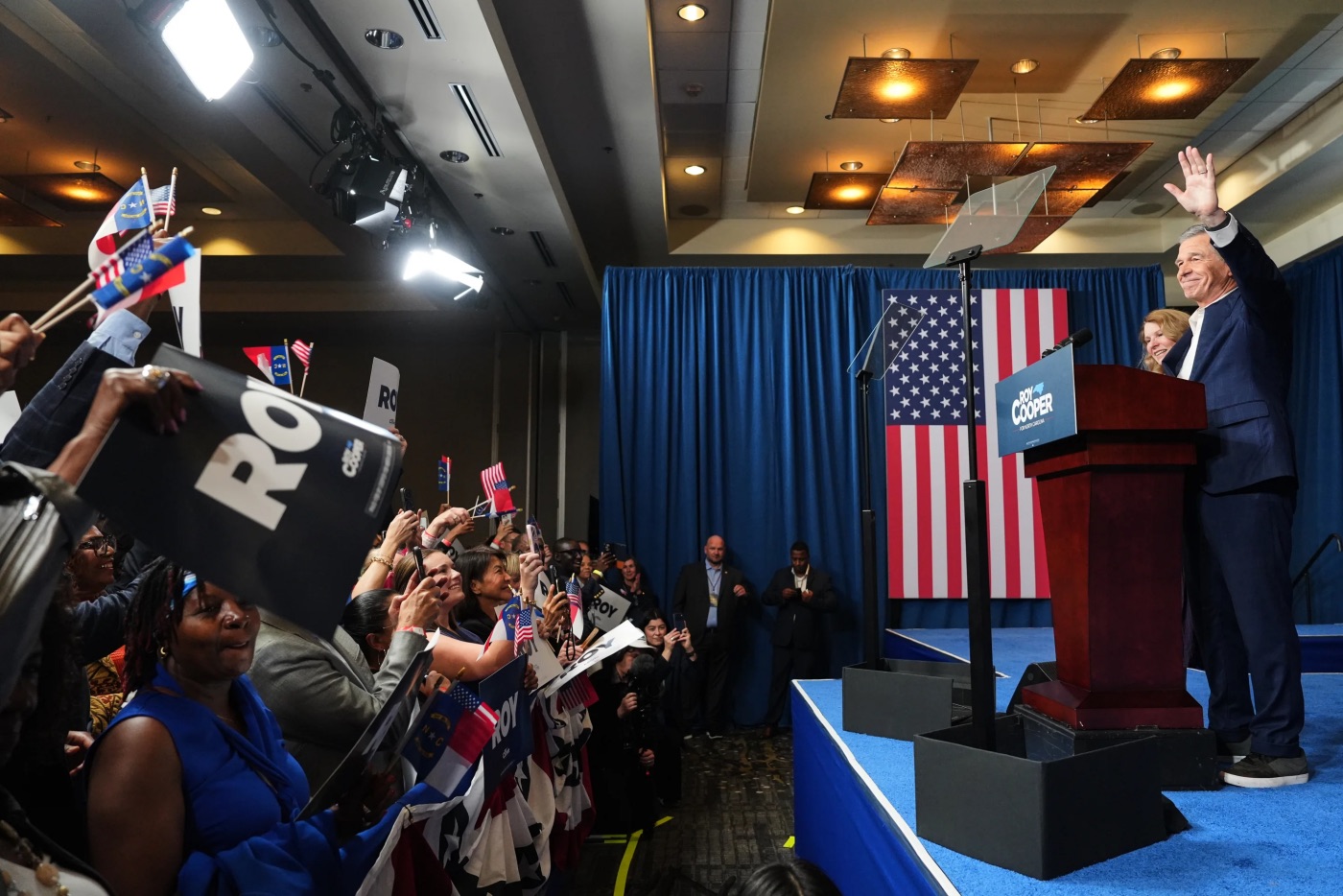


WASHINGTON, United States — Democrats have won control of both chambers of the United States Congress, ending Republican dominance in Washington.
The party secured majorities in the House of Representatives and the Senate in the midterm elections on Tuesday, November 3, 2026.
The results mark a major setback for President Donald Trump. They also give Democrats the power to challenge his policies and investigate his administration during the final two years of his presidency.
Democrats won seats in traditionally Republican states, including Texas, Kansas, and South Carolina.
They also defeated several incumbent Republican senators and captured more than two dozen Republican-held House seats.
The party had secured enough seats to control both chambers when the new Congress takes office in January 2027.
Democrats Win Both Chambers
Democrats needed at least 218 seats to secure a majority in the 435-member House of Representatives.
They reached that threshold early Wednesday after victories in several closely contested districts.
The party also made gains in Republican strongholds, winning districts that had supported Trump by substantial margins in the 2024 presidential election.
The Senate results were equally significant.
Democrats captured Republican-held seats in seven states, giving them the majority in the 100-member chamber.
Their victories included Texas, where James Talarico defeated Republican Ken Paxton, and Kansas, where Adam Hamilton unseated Senator Roger Marshall.
Hamilton became the first Democrat elected to the Senate from Kansas since 1932.
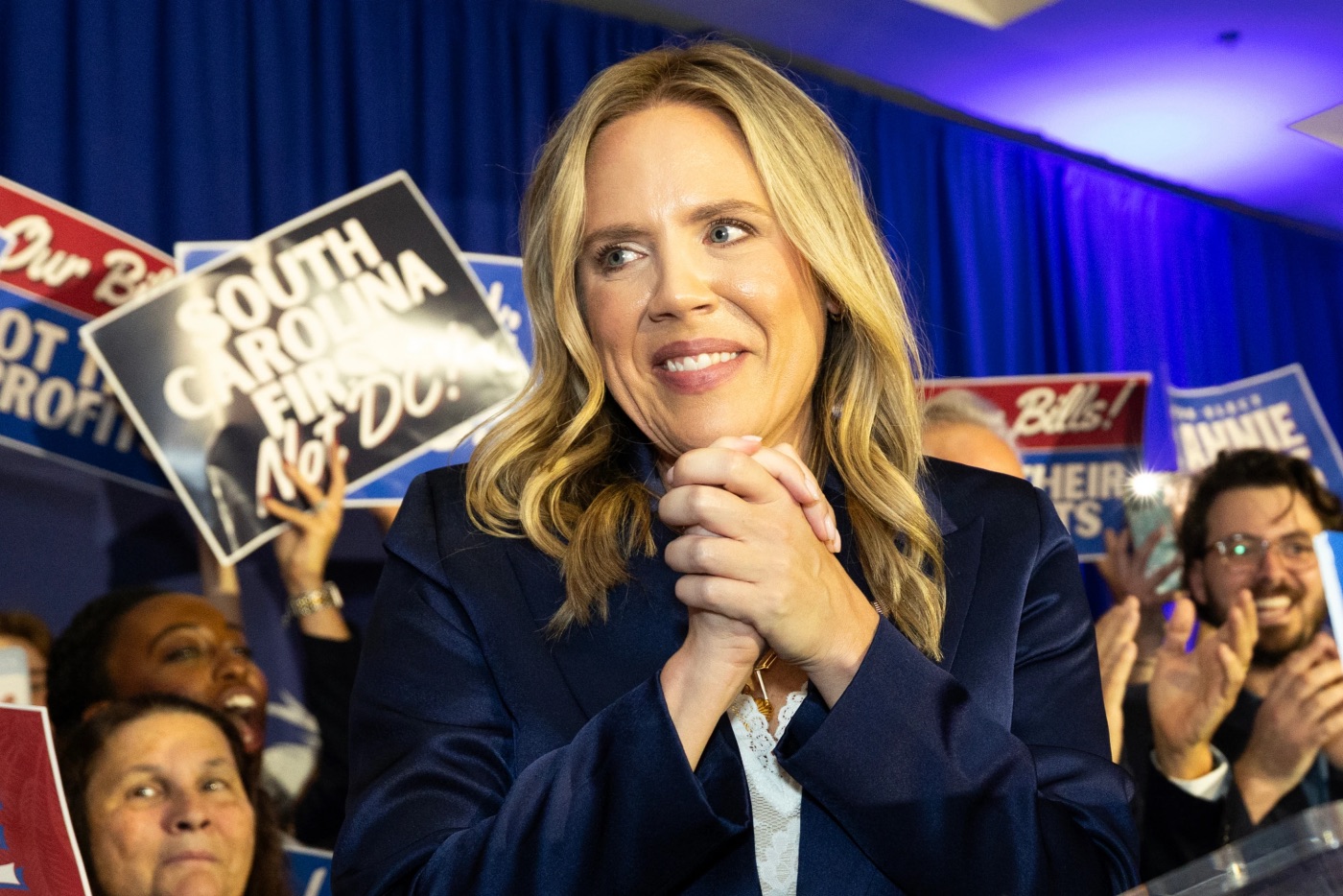
In South Carolina, Annie Andrews defeated Republican Darline Graham, giving Democrats their first Senate election victory in the state since 1998.
Democrats also gained seats in Iowa, Maine, North Carolina, and Ohio.
In Maine, Troy Jackson defeated Senator Susan Collins, ending the Republican’s three-decade career in the Senate.
Former Senator Sherrod Brown returned to the chamber after defeating Republican Jon Husted in Ohio.
The victories gave Democrats control of the Senate, which Republicans had held since January 2025.

Voters Cite High Prices and Iran War
The Democratic gains came amid widespread dissatisfaction with the country’s economy and the Trump administration’s policies.
High living costs, the war with Iran, and concerns about government corruption were among the issues raised by voters.
According to Reuters, national exit polling found that half of voters regarded the election as an opportunity to express their disapproval of Trump.
About 70 per cent said they wanted Congress to exercise stronger checks on presidential power.
Democratic candidates focused their campaigns on household expenses, healthcare, and the economic effects of the administration’s policies.
They criticised Trump’s tariffs and argued that the war with Iran had contributed to rising energy costs.
Republicans defended the president’s record and warned voters against supporting Democratic candidates whom they described as too progressive.
Trump campaigned extensively for Republican candidates during the final weeks of the election.
Several of his preferred candidates nevertheless lost.
Hakeem Jeffries Set to Make History
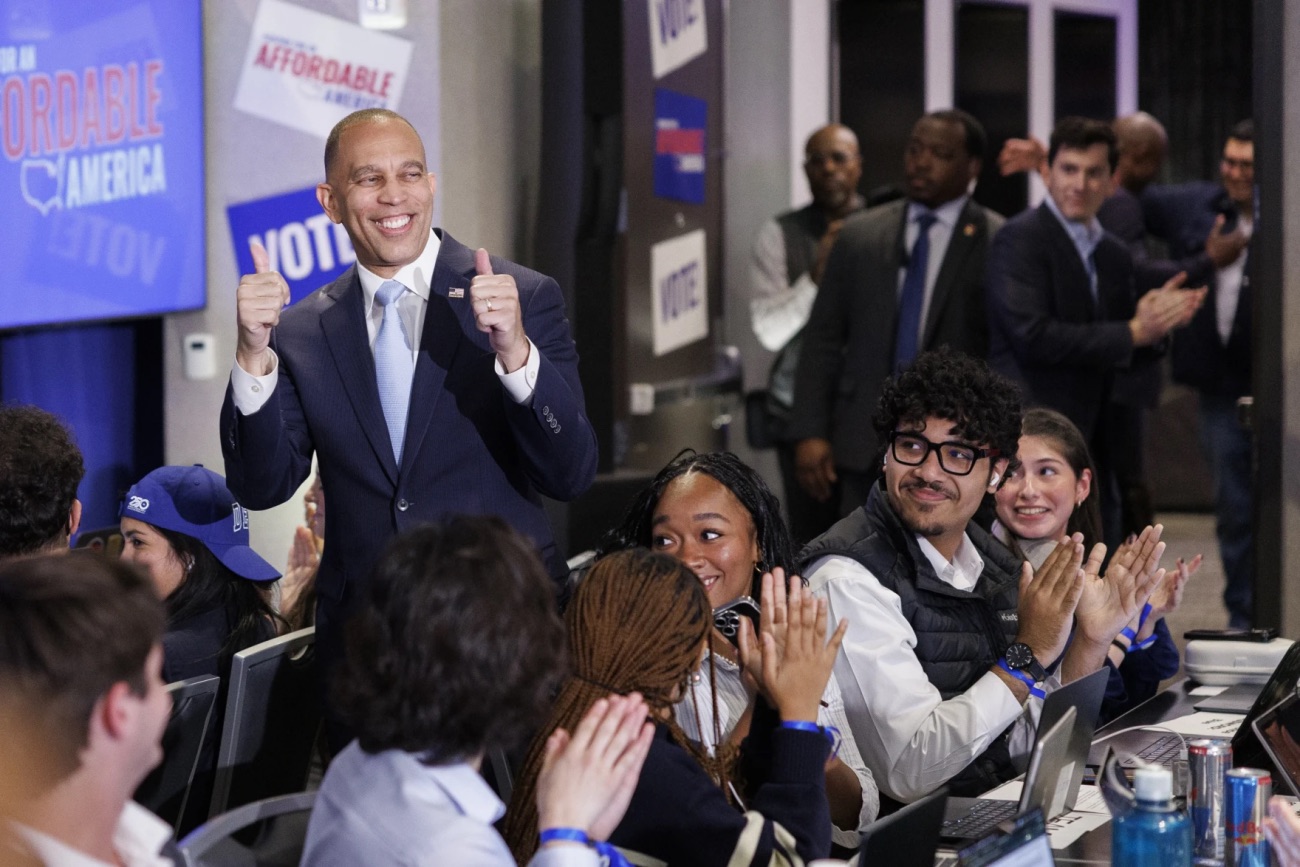
The Democratic victory puts House Minority Leader Hakeem Jeffries in line to become the first Black speaker of the House of Representatives.
Jeffries, a congressman from New York, is expected to replace Republican Speaker Mike Johnson when the new Congress convenes.
He must first win the formal House leadership vote.
Addressing supporters after the Democratic victory, Jeffries promised that the new Congress would represent the interests of ordinary Americans.
“We work for all of you, the American people,” he said, according to Reuters.
Jeffries said Democrats would prioritise making essential goods and services more affordable.
His expected elevation would mark another milestone in American political history.
He became the first Black politician to lead either major party in Congress when he succeeded Nancy Pelosi as the House Democratic leader in 2023.
Pelosi, the first woman to serve as House speaker, congratulated Jeffries following the election.

Democrats Gain Power to Investigate Trump
Control of Congress will give Democrats new powers to scrutinise the Trump administration.
They will chair congressional committees, conduct investigations, summon witnesses, and issue subpoenas.
Party leaders have indicated that they intend to investigate federal spending decisions, the administration’s handling of the Iran war, and possible conflicts of interest involving senior government officials.
The Senate majority will also allow Democrats to block presidential nominees, including candidates for federal judgeships and Cabinet positions.
That power could become especially important if a vacancy arises on the Supreme Court.
Democrats will also control the congressional committees responsible for reviewing government spending and taxation.
However, their legislative authority will remain limited by the president’s veto power.
Most major bills will require Trump’s signature unless Congress can secure sufficient votes to override a veto.
The new balance of power could therefore lead to prolonged negotiations over government funding, healthcare, immigration, and taxation.

Trump Acknowledges Defeat
Trump acknowledged the election results but rejected suggestions that they represented a personal defeat.
In an interview with Fox News, he attributed Republican losses partly to the quality of the party’s candidates.
He also acknowledged that the war with Iran had influenced the election.
The president said he was prepared to work with Democrats on certain issues but warned that he would veto legislation he considered unacceptable.
Republican Senate leader John Thune also indicated that his party would resist Democratic efforts to reverse the administration’s policies.
Democrats, meanwhile, have pledged to pursue their legislative programme while using congressional oversight powers to examine the president’s decisions.
Historic Victories Across the Country
The congressional takeover coincided with several historic Democratic victories in statewide elections.
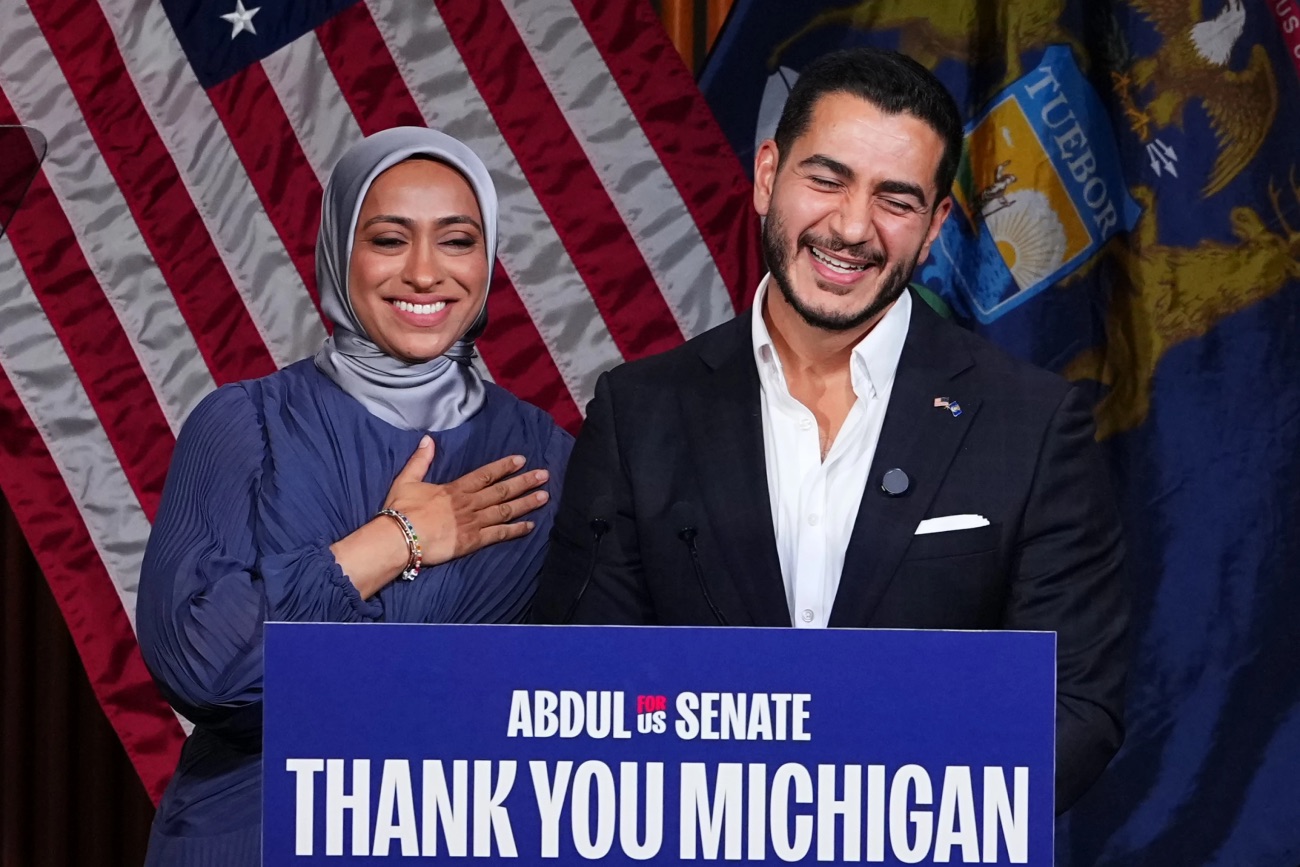
In Michigan, Abdul El-Sayed defeated Republican Mike Rogers to become the first Muslim elected to the United States Senate.
In Georgia, former Atlanta Mayor Keisha Lance Bottoms became the first Black woman elected governor of an American state.
Democrat Gina Hinojosa also won the governorship of Texas, becoming the state’s first Latina governor.
The results extended beyond congressional contests, with Democrats gaining ground in several state governments.
Republicans suffered losses in states where they had maintained substantial political advantages for decades.
For the first time since January 2023, Democrats will control both chambers of Congress.
Trump will remain in the White House, but his administration will face a legislature controlled by the opposition.
The new Congress will take office on January 3, 2027, beginning a period of divided government that will shape the final two years of Trump’s presidency.