
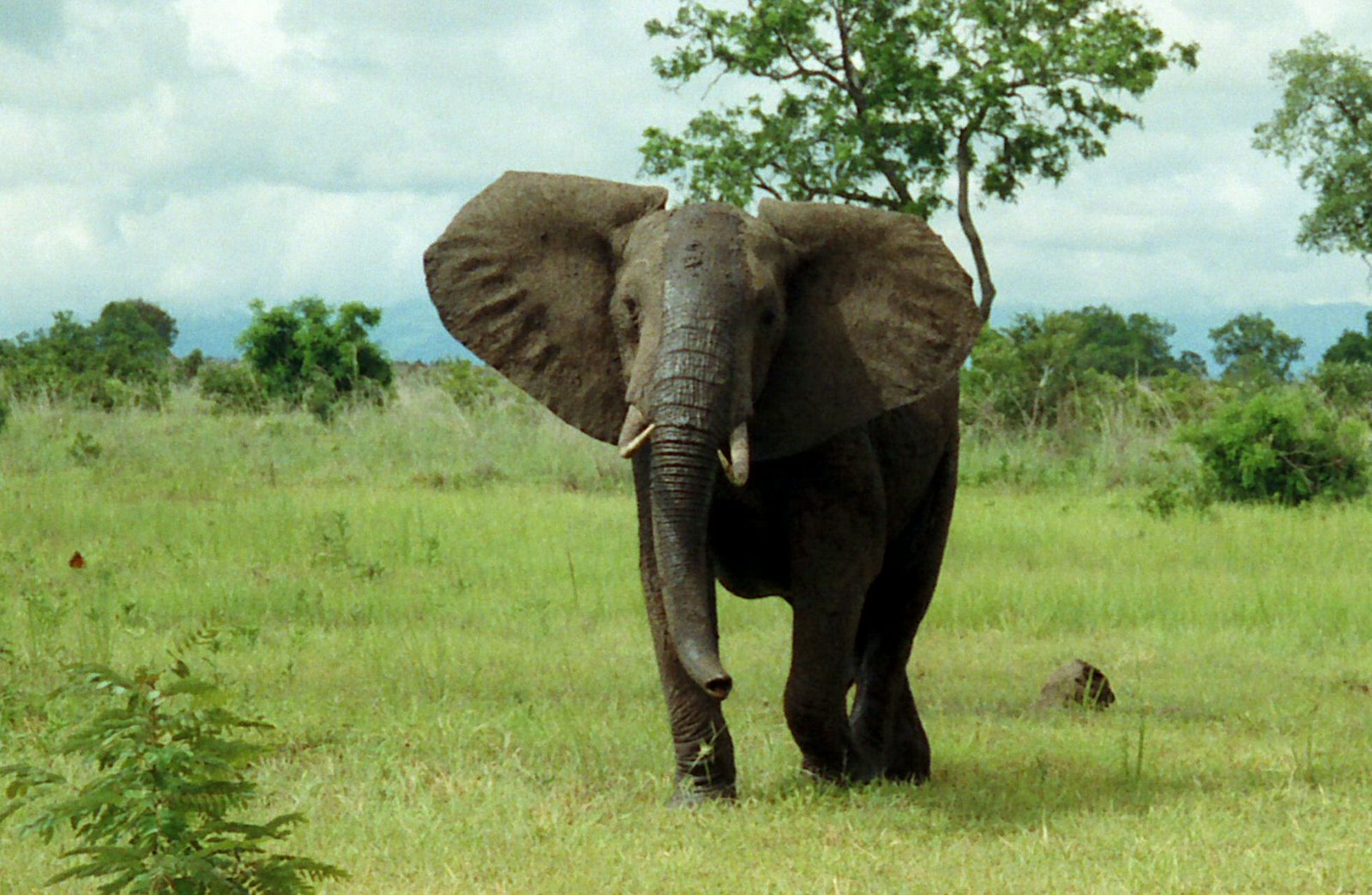

CHITWAN, Nepal — A Nepali family that moved across rivers to escape a wild elephant after it killed two relatives has lost two more members to the same animal 14 years later, according to local media and officials at Chitwan National Park.
On Saturday, July 4, 2026, the elephant, known as Dhurbe, entered the family’s home in Jagatpur and killed a 25-year-old woman and her four-year-old son.
The victims were the daughter-in-law and grandson of Shanichara Bote, whose parents were killed by the elephant in 2012.
The latest deaths brought the number of people attributed to Dhurbe’s attacks to at least 25, according to park officials. The wild male elephant has been linked to fatal encounters around Chitwan National Park since 2010.
“Prior to this tragic incident, Dhurbe had officially claimed 23 human lives. With these two latest casualties in Jagatpur, the confirmed number of fatalities attributed to this single elephant has now risen to 25,” a conservation official at Chitwan National Park said.
A Family Moves Across the Rivers
Bote’s parents were killed in December 2012 near Baruwa bazaar in Madi, an area bordering the national park.
After the attack, he sold the family’s property and relocated the surviving members of his household to Jagatpur.
The family crossed major rivers during the move and believed the distance would reduce the danger from elephants entering communities near the park.
“We originally lived at Dropatinagar in the Madi area, but the constant terror of wild elephants forced us to sell what we had and migrate to Jagatpur,” Bote told The Kathmandu Post.
“We believed that moving across the major rivers would keep us safe. But after all these years, the exact same elephant found us again, raided our home, and took my daughter-in-law and my little grandson. There is nowhere left for us to run,” he added.
Bote went to the District Police Office in Chitwan after the attack as the authorities handled procedures related to the deaths, according to the newspaper.
Dhurbe’s Record of Attacks
Chitwan National Park officials have used a satellite collar to track Dhurbe’s movements.
The elephant has been fitted with tracking equipment several times, though the authorities have continued to encounter difficulties preventing it from entering settlements.
“We have been utilising a satellite tracking collar to monitor the movements of this highly aggressive male elephant,” a park official said.
Conservationists have said that male elephants may live alone after leaving or being driven from their maternal herds.
Dhurbe has repeatedly moved between forested areas and nearby communities in search of food, according to park officials.
The elephant’s history has made it one of the best-known animals associated with human-wildlife conflict around Chitwan National Park, Nepal’s oldest protected area.