
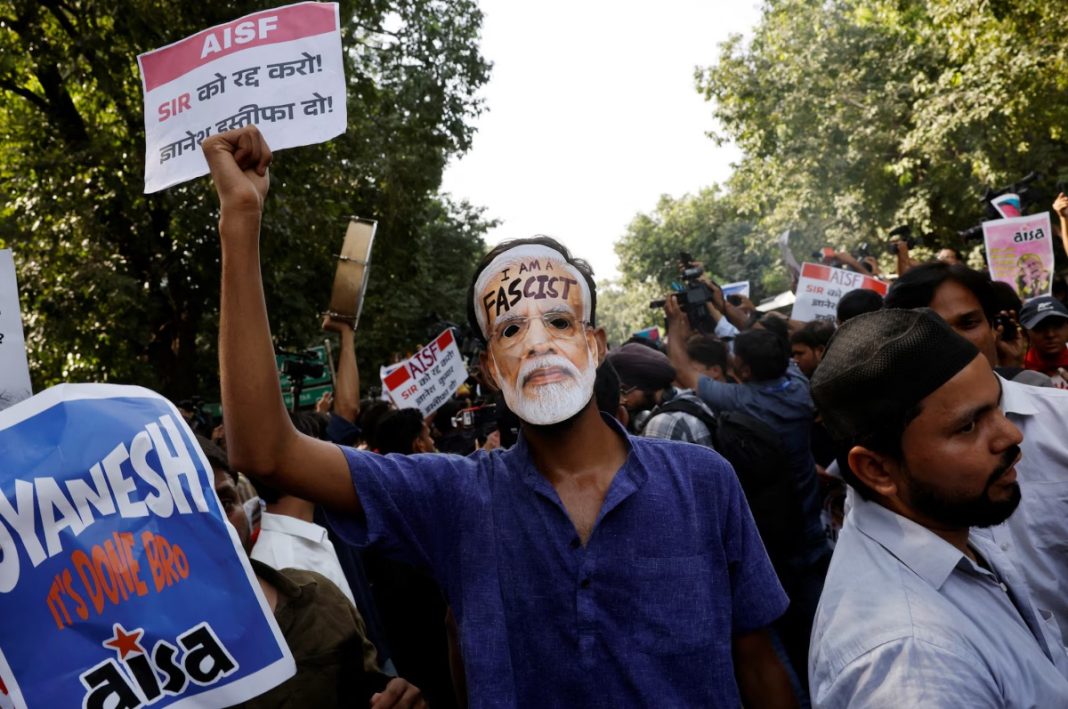

NEW DELHI, India — Thousands of protesters marched in Mumbai and demonstrated in New Delhi on Sunday, demanding the resignation of India’s chief election commissioner over a contentious revision of the country’s voter rolls.
The demonstrations marked a third consecutive day of protests against Chief Election Commissioner Gyanesh Kumar and the Election Commission’s Special Intensive Revision, or SIR, of electoral lists.
Opposition parties and youth activists say the exercise has removed large numbers of eligible voters and could benefit Prime Minister Narendra Modi’s governing Bharatiya Janata Party.
The Election Commission and the BJP have rejected accusations that the process is politically motivated.
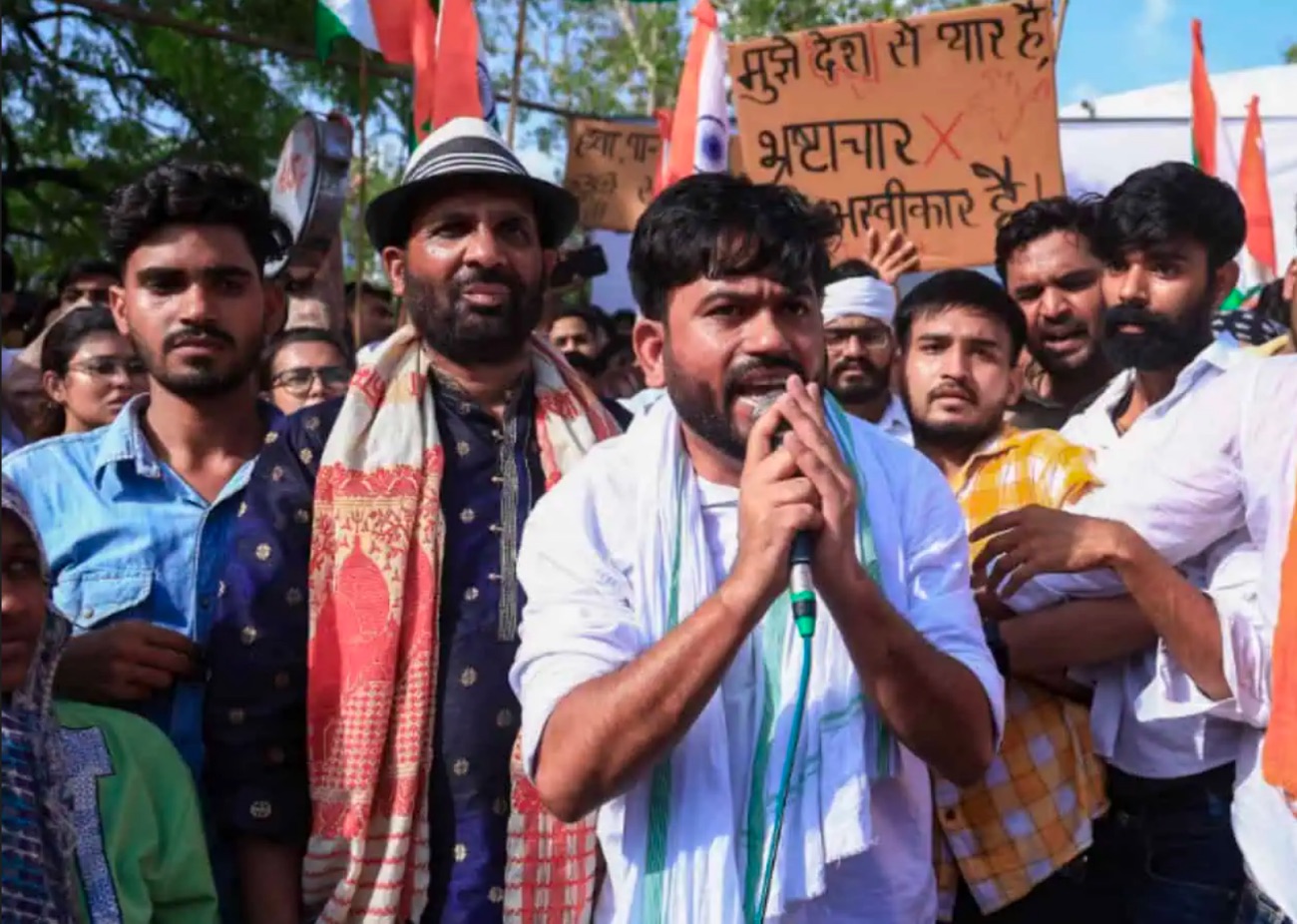
Police detained some demonstrators who attempted to gather in central New Delhi on Sunday, continuing a series of interventions that began when protests started on Friday.
Thackeray Cousins Lead Mumbai March
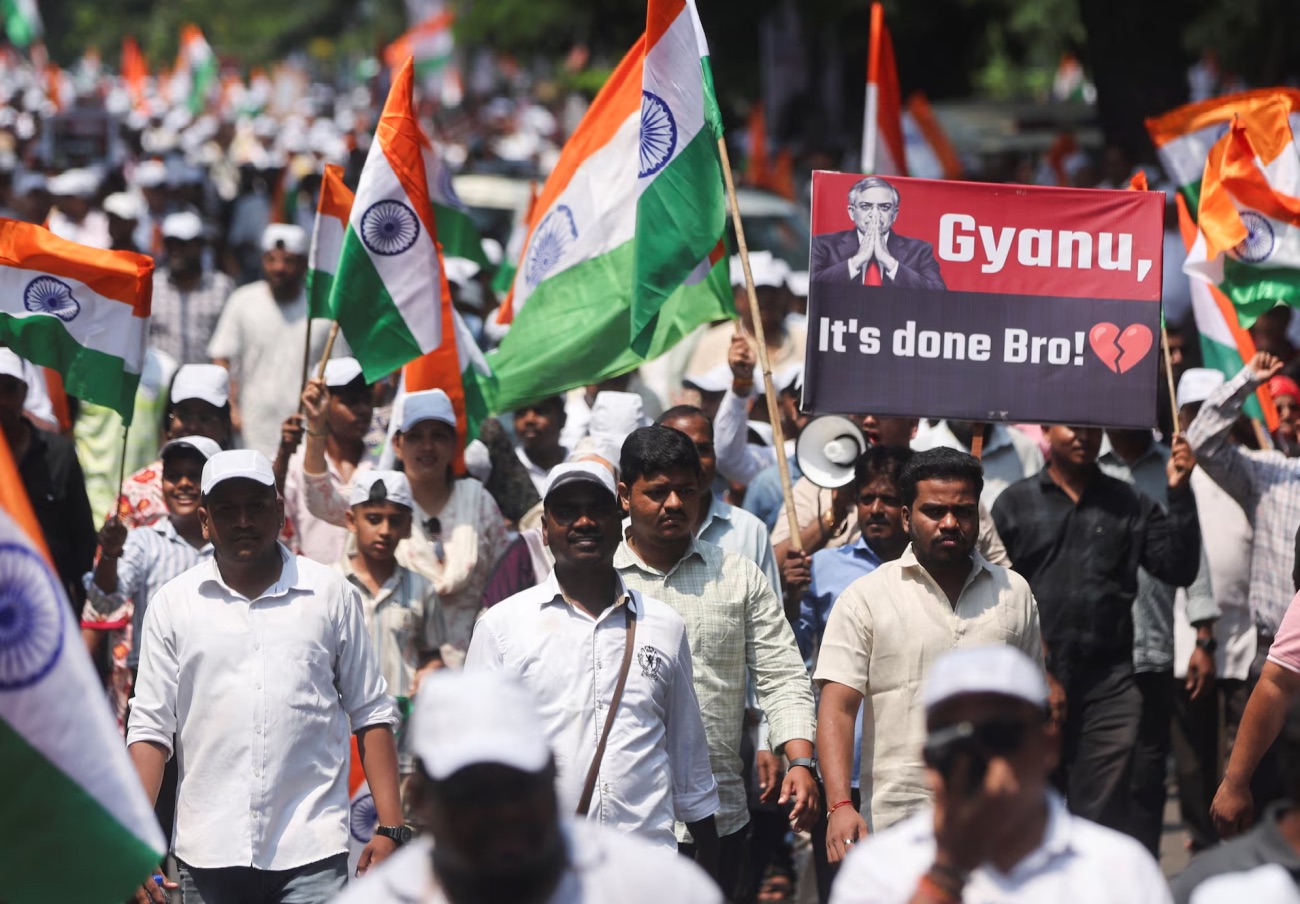
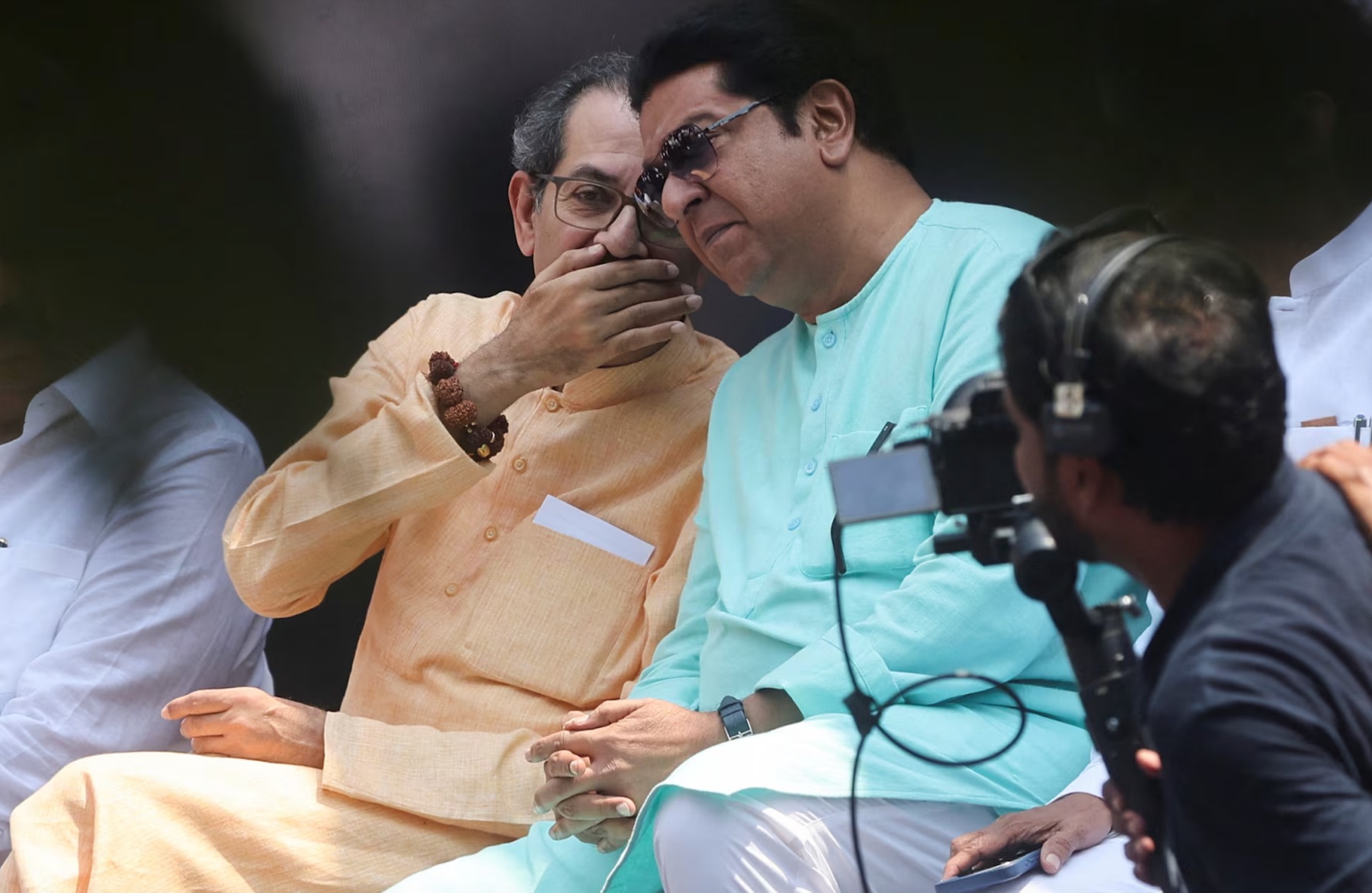
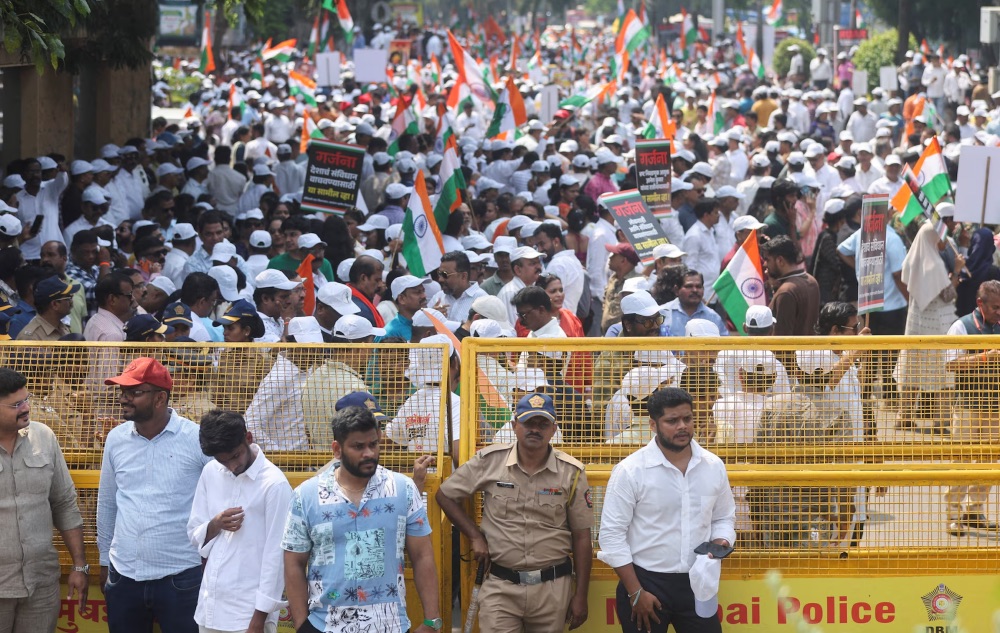
In Mumbai, opposition leaders Raj Thackeray and Uddhav Thackeray led thousands of people through the city, demanding that the voter-roll revision be withdrawn and that Kumar leave office.
The demonstration brought together supporters of Raj Thackeray’s Maharashtra Navnirman Sena, Uddhav Thackeray’s Shiv Sena faction, Congress, and the Nationalist Congress Party faction led by Sharad Pawar.
Organisers sought to present the march as broader than a party demonstration. Participants carried the Indian national flag rather than the flags and symbols of the political groups supporting the protest.
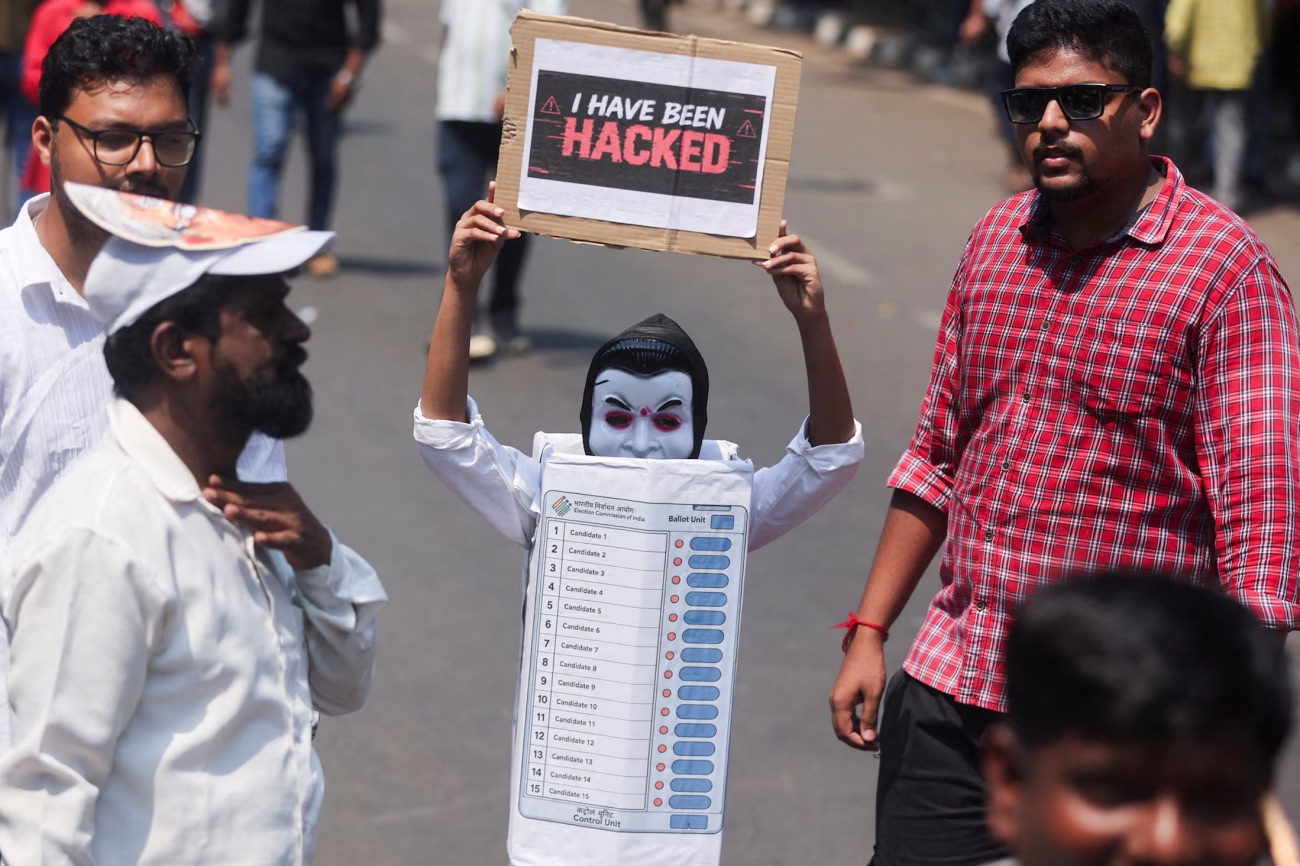
Raj Thackeray also renewed criticism of electronic voting machines and called for elections to return to paper ballots.
The opposition leaders maintain that the scale and manner of the voter-list revision could prevent legitimate voters from participating in future elections. Their allegations of partisan manipulation have not been established.
Police Detain Protesters in Delhi
The atmosphere was different in New Delhi, where authorities have repeatedly restricted attempts to assemble around Jantar Mantar, a traditional site for political demonstrations.
Protesters began gathering again on Sunday evening, and police detained some of them, according to a Reuters witness.
Police had already detained hundreds of demonstrators during protests on Friday and Saturday after refusing permission for mass gatherings in parts of central Delhi.
Around 550 people were detained on Friday, while roughly 150 were detained during another attempt to reach Jantar Mantar on Saturday, according to Indian Express reporting.
Those detained during the earlier demonstrations included student organisers, political activists, and opposition figures.
Many were subsequently released.
Delhi Police also registered cases over alleged violations of orders restricting public gatherings and other offences connected to the protests.
Voter Revision at Centre of Dispute
The protests centre on the Election Commission’s nationwide effort to verify India’s electoral rolls.
The Special Intensive Revision requires election officials to review existing registrations and remove entries that are duplicated, belong to deceased people, or are otherwise ineligible.
The Election Commission says the exercise is necessary to keep electoral records accurate.
Its official voter services portal allows people to search the revised lists, submit documentation in response to notices, and apply for new registration.
Critics have focused on the number of names absent from initial draft rolls.
Reuters reported that approximately 130 million people were left out of draft electoral lists during the revision across much of the country, prompting concerns that legitimate voters could be excluded.
The Election Commission has said omission from a draft list does not necessarily mean a person has permanently lost the right to vote and has instructed officials to help restore eligible voters who were excluded in error.
Opposition parties argue that the documentation and verification requirements themselves create obstacles for some voters, particularly those who may have difficulty producing the records required during the exercise.
Election Commission Rejects Political Bias Claims
The Election Commission has denied carrying out the revision to favour the BJP.
It says the process is intended to identify invalid registrations while ensuring that eligible Indian citizens remain on the rolls.
The BJP has also rejected opposition allegations that the governing party is benefiting from deliberate voter deletions.
Kumar has not publicly agreed to demands that he resign.
The dispute has grown beyond the technical details of voter registration, with opposition parties increasingly focusing their criticism directly on his leadership of the commission.
Questions surrounding the SIR have also generated disagreement within the broader political system and scrutiny from India’s courts.
The Supreme Court has raised concerns about aspects of the verification process, while the Election Commission has made procedural adjustments as the exercise has continued.
More Demonstrations Planned
Sunday’s rallies are unlikely to end the confrontation.
The INDIA opposition alliance is preparing a demonstration outside the Election Commission’s headquarters in New Delhi on October 7, with Congress and several other opposition parties expected to participate.
The youth-led Cockroach Janta Party, which has played a prominent role in the latest demonstrations, has separately announced another major protest in New Delhi for October 10.
The group has said it intends to continue campaigning against the voter-roll revision and for Kumar’s resignation.
With India undertaking an extensive review of the records governing who may vote, the dispute now centres on two competing claims: the Election Commission says it is cleaning and correcting the lists, while its critics say the same process risks excluding legitimate voters.
For now, the commission is continuing the revision, and the protesters are continuing their campaign to stop it.