
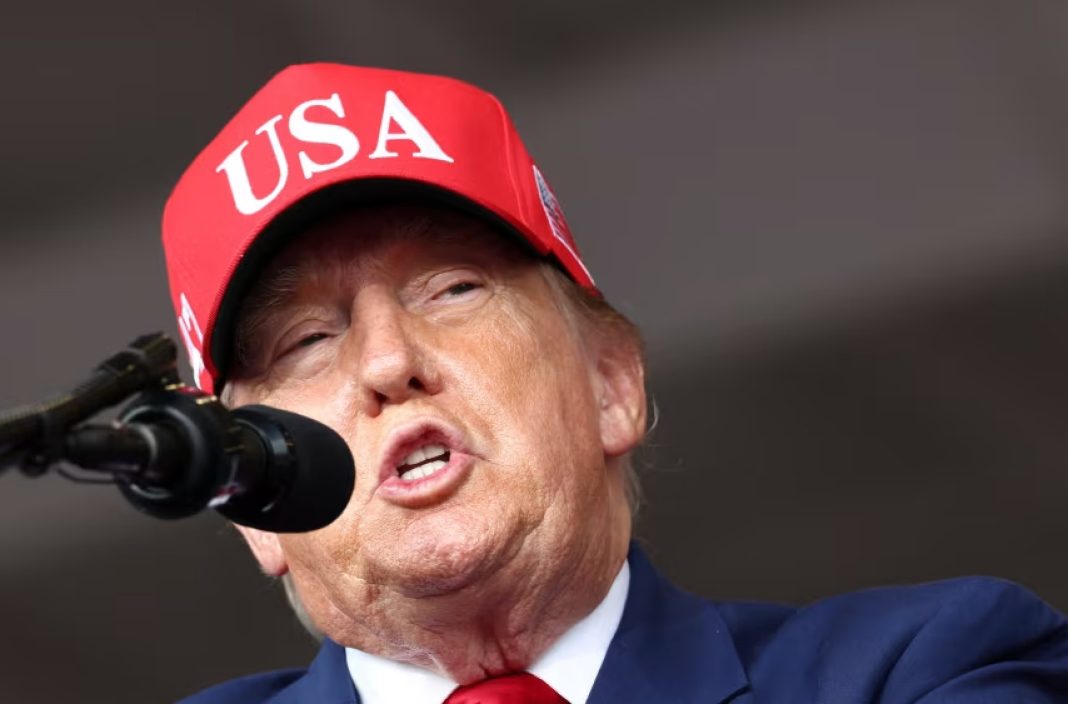

SAN FRANCISCO, United States — A federal judge has barred President Donald Trump’s administration from threatening election officials with criminal prosecution for processing ballots cast by registered voters whose eligibility federal authorities have questioned.
US District Judge Trina L. Thompson issued the emergency order on Friday, October 30, 2026, just four days before Americans complete voting in the midterm elections.
The ruling prevents the Justice Department and Department of Homeland Security from pressuring state and local election authorities to remove voters from electoral rolls, separate disputed ballots, or stop counting votes based solely on federal allegations that particular voters are ineligible.
Thompson also directed the administration to inform election officials who had received earlier threats that the demands were no longer enforceable under the temporary order.
The restrictions apply nationwide and are scheduled to remain in effect until November 16, while the court considers further proceedings.
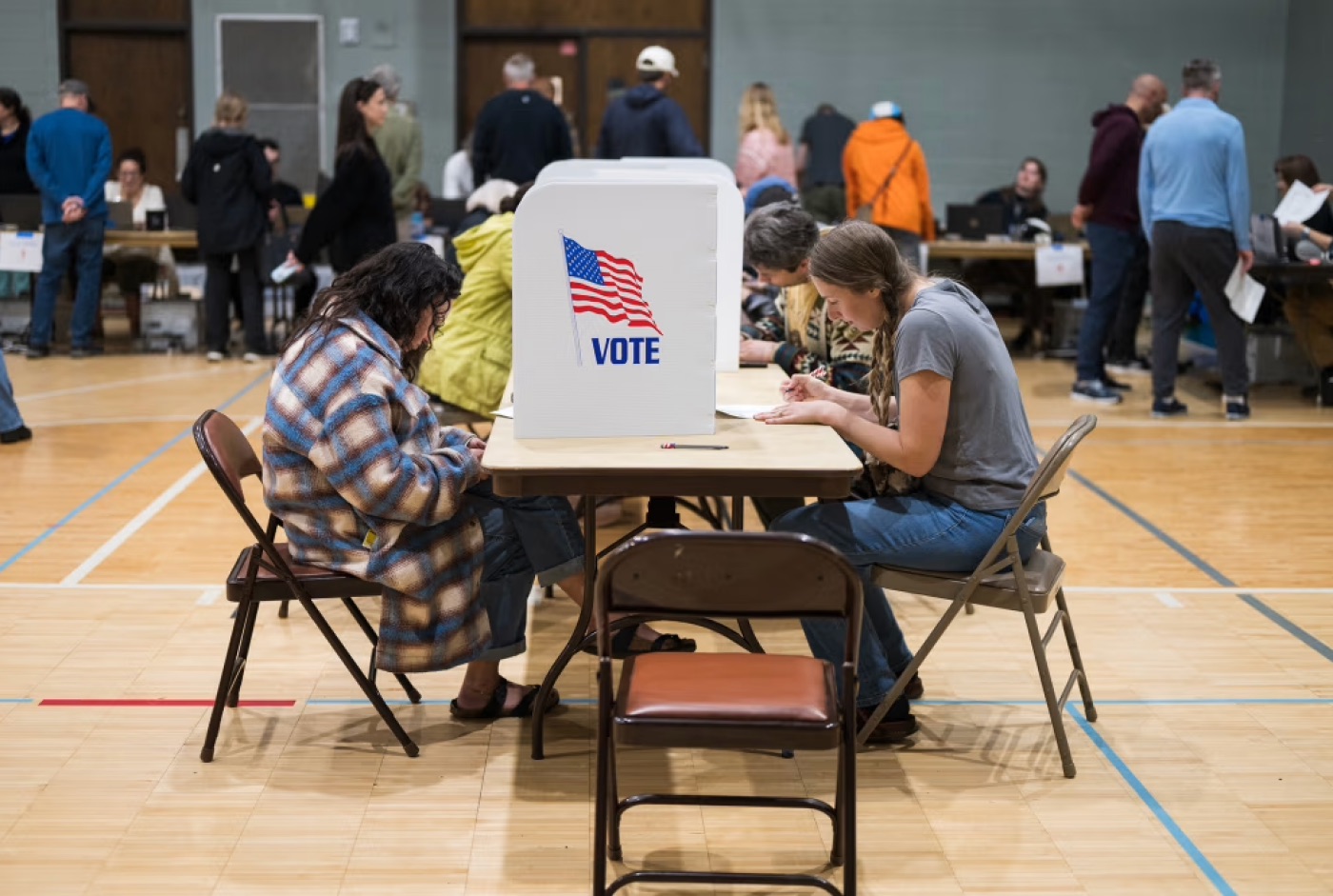
Judge Cites Threats to Election Administration
Thompson found that the administration’s conduct was likely to interfere with the administration of elections and risk preventing eligible Americans from having their votes counted.
She concluded that the plaintiffs were likely to establish violations of federal laws protecting voters and election workers from intimidation and coercion.
The judge rejected the suggestion that officials could face criminal liability merely for counting ballots submitted by registered voters whose eligibility the federal government disputes.
She said election workers acting in accordance with applicable laws were entitled to perform their duties without being threatened with prosecution.
The ruling came after a coalition of labour unions and civil rights organisations sought emergency protection for election personnel.
The organisations argued that federal authorities had escalated their efforts to influence how states handled voter registration records and ballots during an election already under way.
Thompson granted the emergency request before the Justice Department had presented its response.
“Given the consequences of inaction, the Court sees no reason to delay its ruling,” she wrote, according to The Associated Press.

Federal Agencies Must Withdraw Threats
The order goes beyond preventing further warnings to election officials.
It requires the Justice Department to notify state and local authorities previously contacted about disputed voter registrations that the court has prohibited the threatened actions.
The administration must also disclose to Thompson any pending search warrant applications, grand jury subpoenas, or other demands for election materials associated with its lists of allegedly ineligible voters.
The restrictions prohibit federal authorities from demanding that election workers segregate ballots, prevent registered voters from receiving ballots, or suspend lawful ballot processing solely because the government suspects that the individuals concerned are not eligible to vote.
The ruling does not eliminate the federal government’s authority to investigate suspected violations of election laws through lawful procedures.
Rather, it temporarily restricts the methods challenged in the lawsuit while the court examines whether the administration exceeded its authority.
According to NBC News, the emergency intervention followed mounting legal disputes over the administration’s attempts to influence election procedures ahead of the November vote.
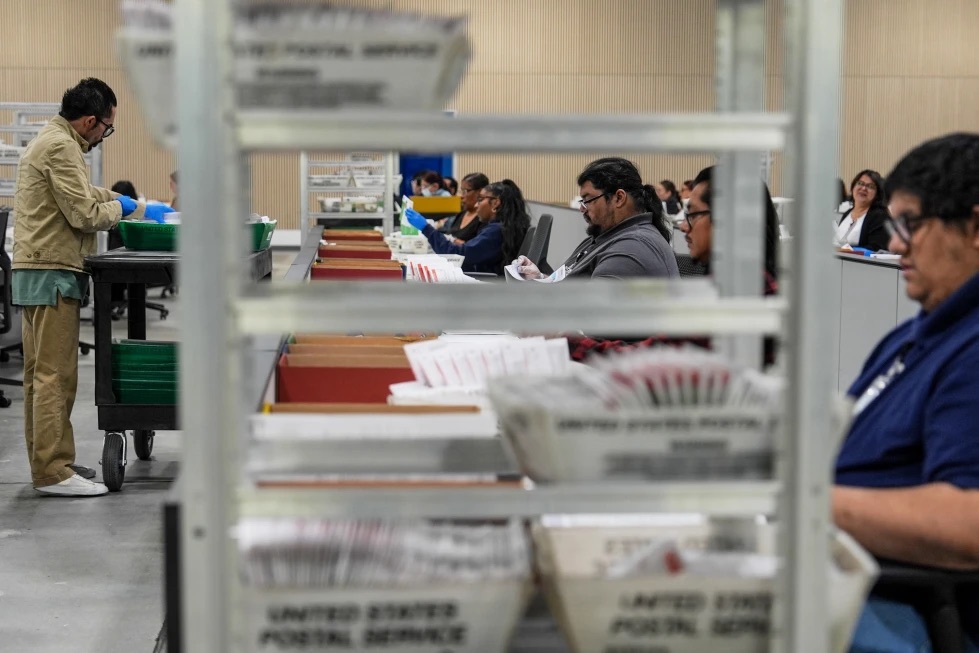
California Ballot Dispute Prompts Legal Challenge
The confrontation developed partly from a dispute involving approximately 20,000 registered voters in California.
Federal authorities alleged that some individuals on the state’s electoral rolls might not be American citizens and demanded that their ballots be separated from other votes.
California officials disputed the reliability of the federal government’s information and resisted the demands.
In a letter to state and Los Angeles County election authorities, acting Deputy Attorney General Trent McCotter instructed officials to set aside ballots associated with the disputed registrations.
Subsequent communications warned local election workers of possible criminal consequences for processing ballots belonging to individuals identified by federal authorities.
The warnings prompted legal action by the Service Employees International Union, the American Federation of State, County and Municipal Employees, the League of United Latin American Citizens, and the National Association for the Advancement of Colored People.
The organisations accused the administration of trying to compel election workers to disregard established voting procedures.
In a statement, lawyers for the organisations argued that threats of prosecution created a risk of lawful votes being excluded.
The plaintiffs maintained that state and local election personnel should not face criminal intimidation while fulfilling their responsibilities under election laws.
Appeals Court Rejects Demand to Separate Ballots
Thompson’s order followed another setback for the administration in California.
A three-judge panel of the US Court of Appeals for the Ninth Circuit rejected the Justice Department’s request to force the state to separate ballots associated with the disputed registrations.
The court ruled 2-1 against the administration.
Judges Mark J. Bennett and Gabriel P. Sanchez agreed that separating the ballots at such a late stage could disrupt election operations and prevent eligible citizens from having their votes counted.
California election authorities had explained that hundreds of thousands of ballots had already been processed, making it impossible to identify and retrieve particular votes without potentially affecting the wider counting process.
Judge Patrick J. Bumatay dissented, arguing that refusing to separate the disputed ballots could undermine the enforcement of federal laws against unlawful voting.
The Justice Department has defended its actions as necessary to protect election integrity.
In a statement reported by the Associated Press, the department maintained that enforcing the prohibition on noncitizen voting was part of its legal responsibility.
Federal law already prohibits noncitizens from voting in federal elections.
However, the administration’s inclusion of a registered voter on a list of suspected noncitizens does not, by itself, establish that the individual is ineligible.
Federal Investigations Face Additional Restrictions
The court decisions form part of a wider series of legal challenges concerning federal investigations into suspected illegal voting.
In another case, the Ninth Circuit upheld temporary restrictions on certain election-related investigations conducted by the Department of Homeland Security in nine states.
Those restrictions concern federal investigations involving people whom authorities know or reasonably suspect to be American citizens.
The appeals court found evidence that the government’s investigative activities had discouraged some citizens from participating in election-related activities.
Separately, federal prosecutors issued subpoenas to election officials in Los Angeles County seeking documents and communications relating to allegations of noncitizen voting.
Some officials were instructed to appear before a grand jury following Election Day.
The issuance of subpoenas does not establish that the recipients have committed offences or that prosecutors intend to bring charges against them.
The Justice Department has continued to defend its responsibility to enforce federal election laws, while civil rights organisations have challenged the methods used in the investigations.
Thompson’s emergency order will remain in force through the November 3 elections unless modified by another court.
The broader legal dispute over federal authority, voter eligibility investigations, and protections for election officials remains unresolved.