
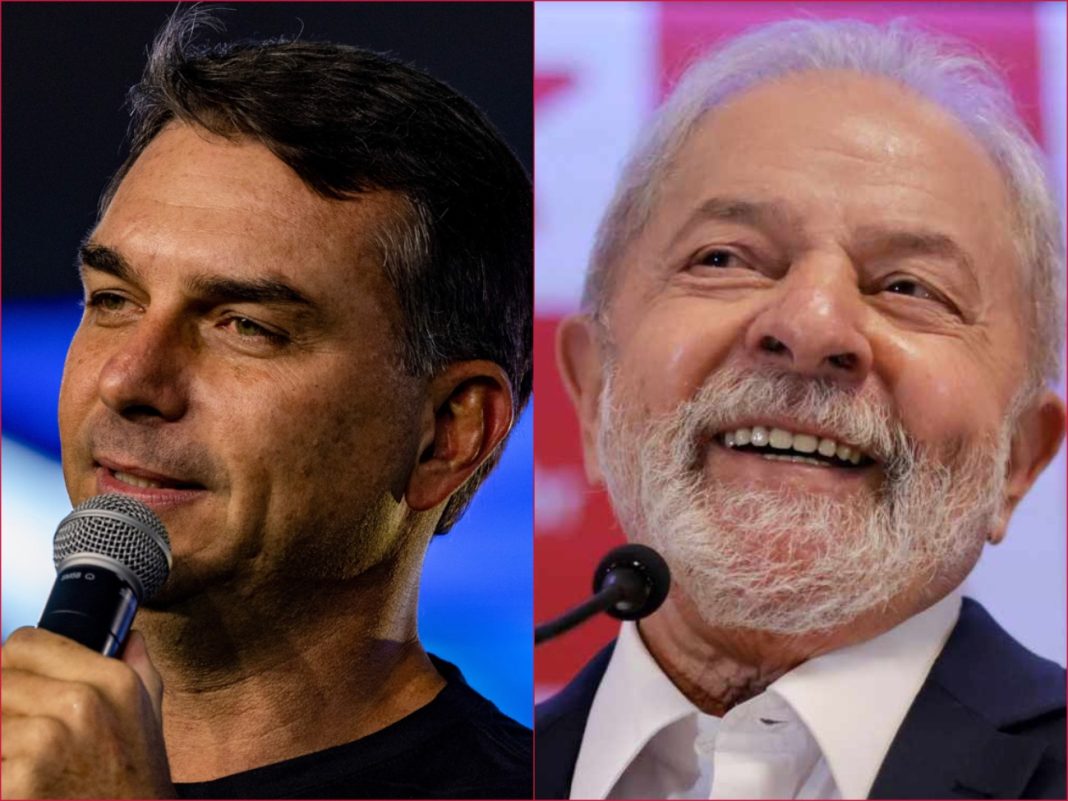

SÃO PAULO, Brazil — President Luiz Inácio Lula da Silva has won Brazil’s presidential election, defeating Senator Flávio Bolsonaro in a closely contested runoff to secure a fourth term in office.
Bolsonaro refused to concede defeat and said he would seek to overturn the result, challenging a last-minute judicial decision that extended voting hours nationwide.
Brazil’s Superior Electoral Court declared Lula da Silva the winner on Sunday, October 25, 2026, after he received 51.79 per cent of valid votes against Bolsonaro’s 48.21 per cent.
According to the official election results, Lula da Silva secured 64,256,232 votes, compared with 59,826,041 for Bolsonaro, a margin of more than 4.4 million.
The victory gives the 80-year-old president another four years in office and makes him the first Brazilian leader elected to four presidential terms.
Bolsonaro Challenges Voting Extension
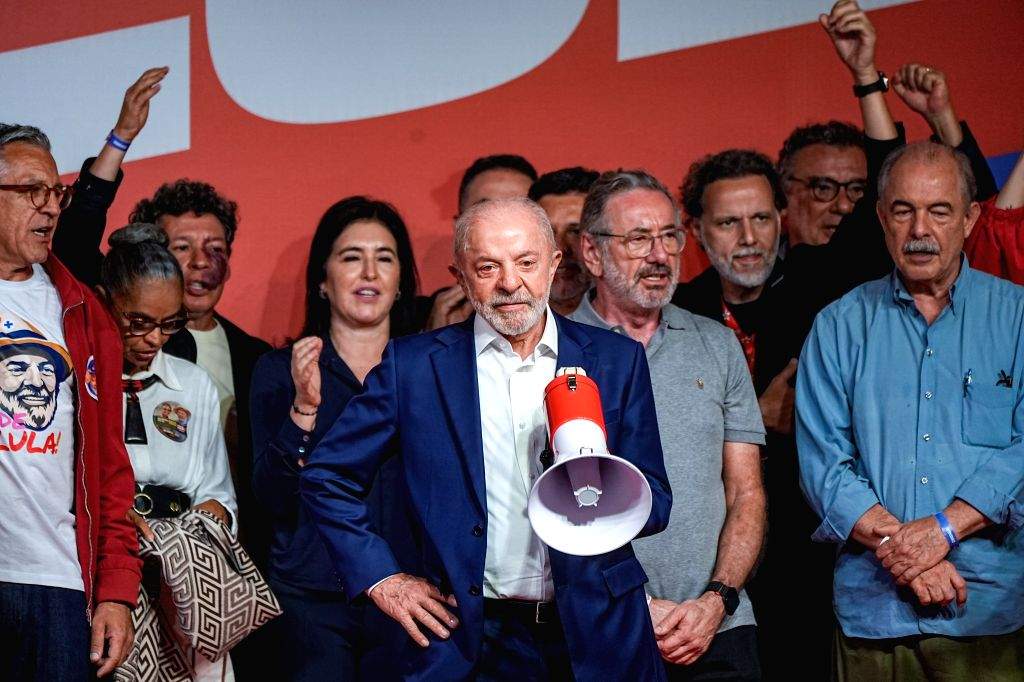
Bolsonaro, 45, disputed the outcome after Supreme Court Justice Cristiano Zanin authorised polling stations to remain open for an additional two hours.
The decision followed requests from both presidential campaigns over difficulties affecting voters in different parts of the country.
Lula da Silva’s campaign raised concerns about public transport problems in nine states, while Bolsonaro’s representatives cited heavy rainfall in southern Brazil.
Some polling stations had already closed before receiving instructions about the extension, creating uncertainty over voting arrangements.
Bolsonaro subsequently described the judicial ruling as “unacceptable” and announced that he would seek the annulment of the election.
The Associated Press reported that the senator rejected the result despite his campaign having supported an extension of voting hours.
The electoral court nevertheless confirmed Lula da Silva’s victory after the completion of the vote count.
Lula Overcomes First-Round Defeat
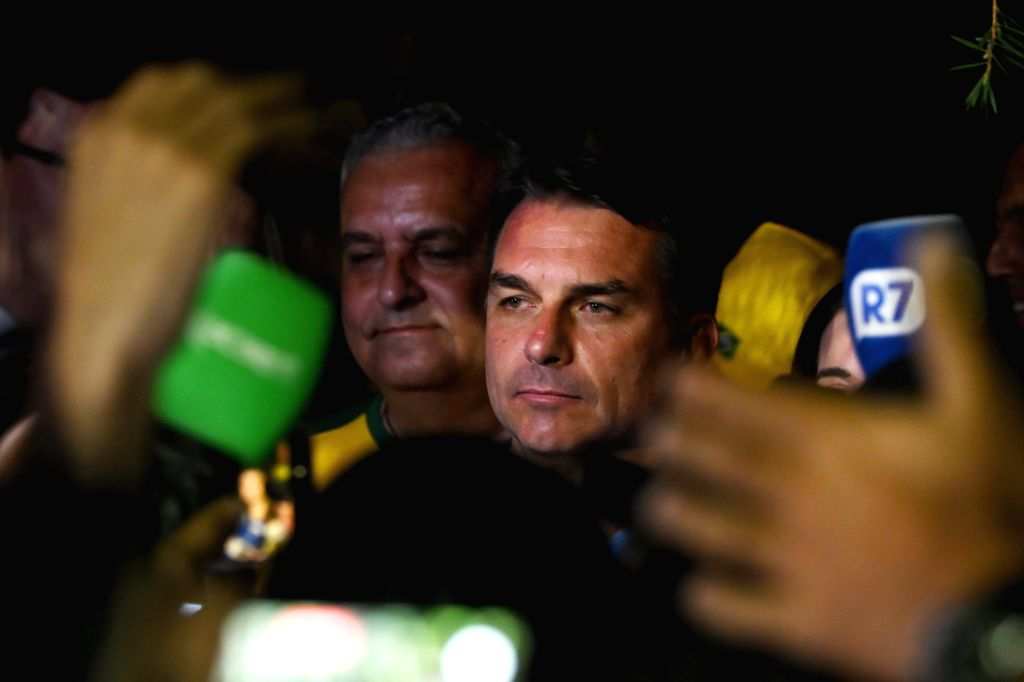
The result represented a reversal of the first round, when Bolsonaro finished ahead of the incumbent president.
In the initial vote, Bolsonaro received 47.03 per cent, while Lula da Silva secured 45.16 per cent.
Bolsonaro, the eldest son of former President Jair Bolsonaro, had entered the runoff seeking to return his family’s political movement to the presidency.
His father is serving a 27-year prison sentence following his conviction for plotting to remain in power after losing the 2022 presidential election.
Lula da Silva, meanwhile, campaigned on protecting social welfare programmes, reducing poverty, and maintaining Brazil’s political and economic independence.
His campaign also promised expanded assistance to poorer households and free public transport at weekends.
More than 158 million Brazilians were eligible to participate in the second round.
The electoral court reported that approximately 128.2 million voters cast ballots, with abstention falling to about 19.2 per cent from 21.08 per cent in the first round.
Lula Promises to Govern for All Brazilians
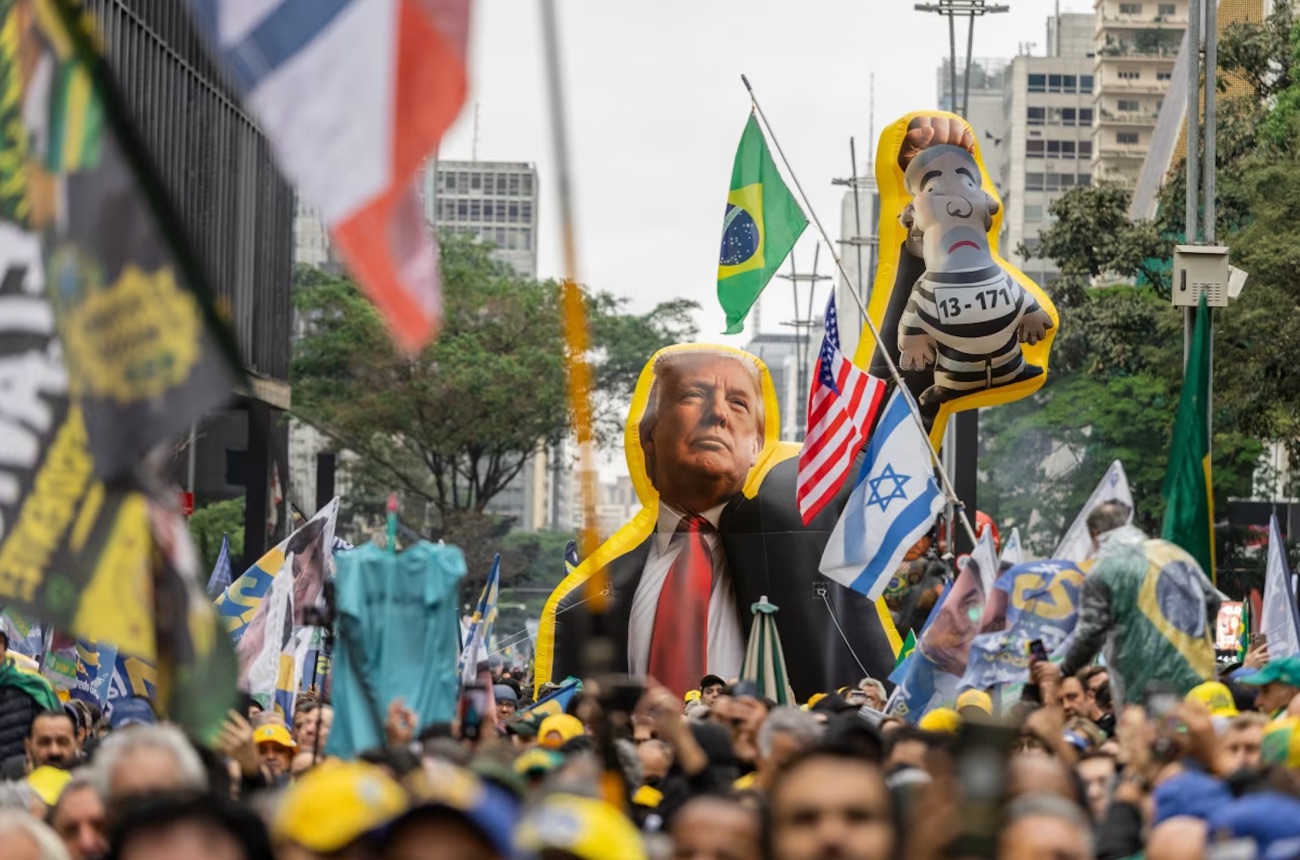
Addressing supporters after his victory, Lula da Silva thanked voters and pledged to represent the country beyond the political divisions of the campaign.
“No one is required to like the president-elect, but he must govern for everyone,” he said.
The president also criticised his opponents, describing the outcome as a rejection of political misinformation.
“This was a defeat for denialism and lies,” he said.
His victory was celebrated by supporters in São Paulo, where crowds gathered following the announcement of the results.
According to Reuters, Lula da Silva’s re-election also halted a series of recent presidential victories by right-wing candidates in Latin America.
Bolsonaro had positioned himself as an ally of United States President Donald Trump, while Lula da Silva’s government has experienced disagreements with Washington over trade and security.

A Fourth Term With a Conservative Congress
Lula da Silva will begin his fourth term facing a legislature in which conservative parties have substantial representation.
Bolsonaro’s Liberal Party and its allies are expected to command significant blocs in both chambers of Congress, complicating negotiations over government spending and proposed legislation.
Brazil is also confronting high interest rates, rising public debt, and concerns about household finances.
Government forecasts cited by Reuters project economic growth of 2.3 per cent in 2027.
Lula da Silva previously served two presidential terms from 2003 to 2010 before returning to power in 2023.
His latest victory follows another closely fought election against a member of the Bolsonaro family.
Although the electoral authorities have declared the result, Bolsonaro’s announcement that he would challenge the vote has left the possibility of further legal proceedings.