


AUSTIN, United States — Tesla will begin winding down production of its Cybertruck at its Texas factory next year, Elon Musk has announced.
The electric vehicle maker will instead expand production of the Cybercab, its self-driving taxi.
Musk confirmed the decision on Friday, November 6, 2026, saying Cybertruck production at the company’s Austin factory would be reduced around the middle of 2027.
The announcement follows disappointing sales, repeated recalls, and difficulties attracting buyers to the electric pickup, which was once expected to become one of Tesla’s biggest products.
It remains unclear whether the Cybertruck will be discontinued entirely or manufactured at another location.
Tesla’s Austin factory is currently the only plant known to have the specialised equipment needed to build the vehicle.
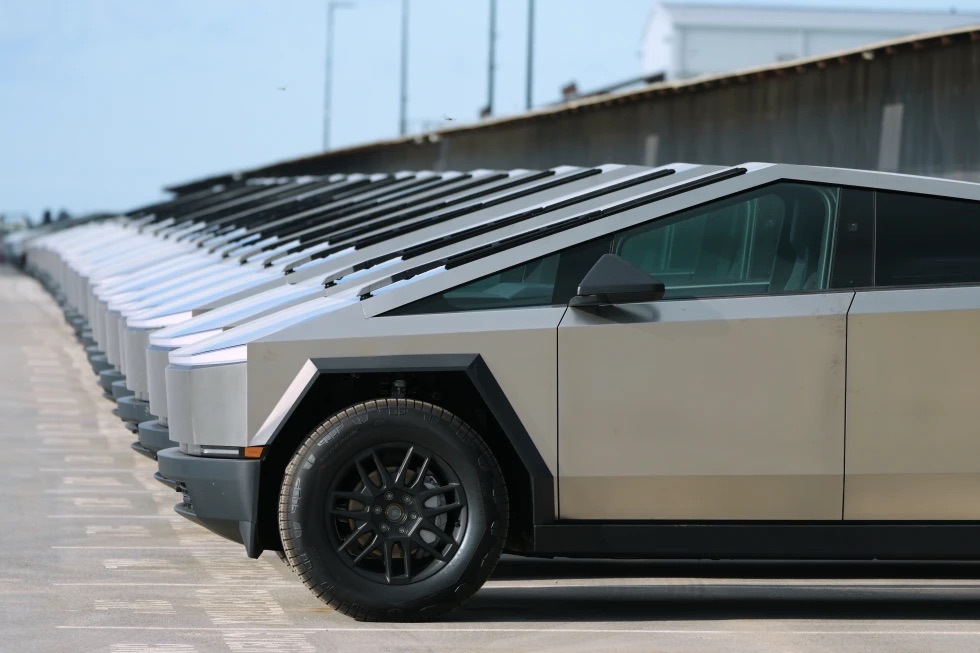
Musk Announces Shift to Cybercab Production
In a post on X, Musk said the company needed additional manufacturing capacity for its Cybercab programme.
The move would free production space at Gigafactory Texas for the autonomous vehicle, which has become central to Tesla’s future plans.
Musk subsequently described the Cybertruck as the “best vehicle Tesla has ever made” and acknowledged that its production wind-down marked the “end of an era”.
He also assured owners that existing Cybertrucks would remain in use for years.
Tesla will be winding down production of the Cybertruck at Gigafactory Texas around the middle of next year to make room for increased Cybercab production
— Elon Musk (@elonmusk) November 6, 2026
The company’s lead Cybertruck engineer, Wes Morrill, suggested that the vehicle’s engineering achievements would continue to influence future Tesla products.
“Cybertruck was an incredible technology development platform and lives on through Cybercab,” Morrill wrote on X.
Tesla has not announced plans to establish another Cybertruck production line.
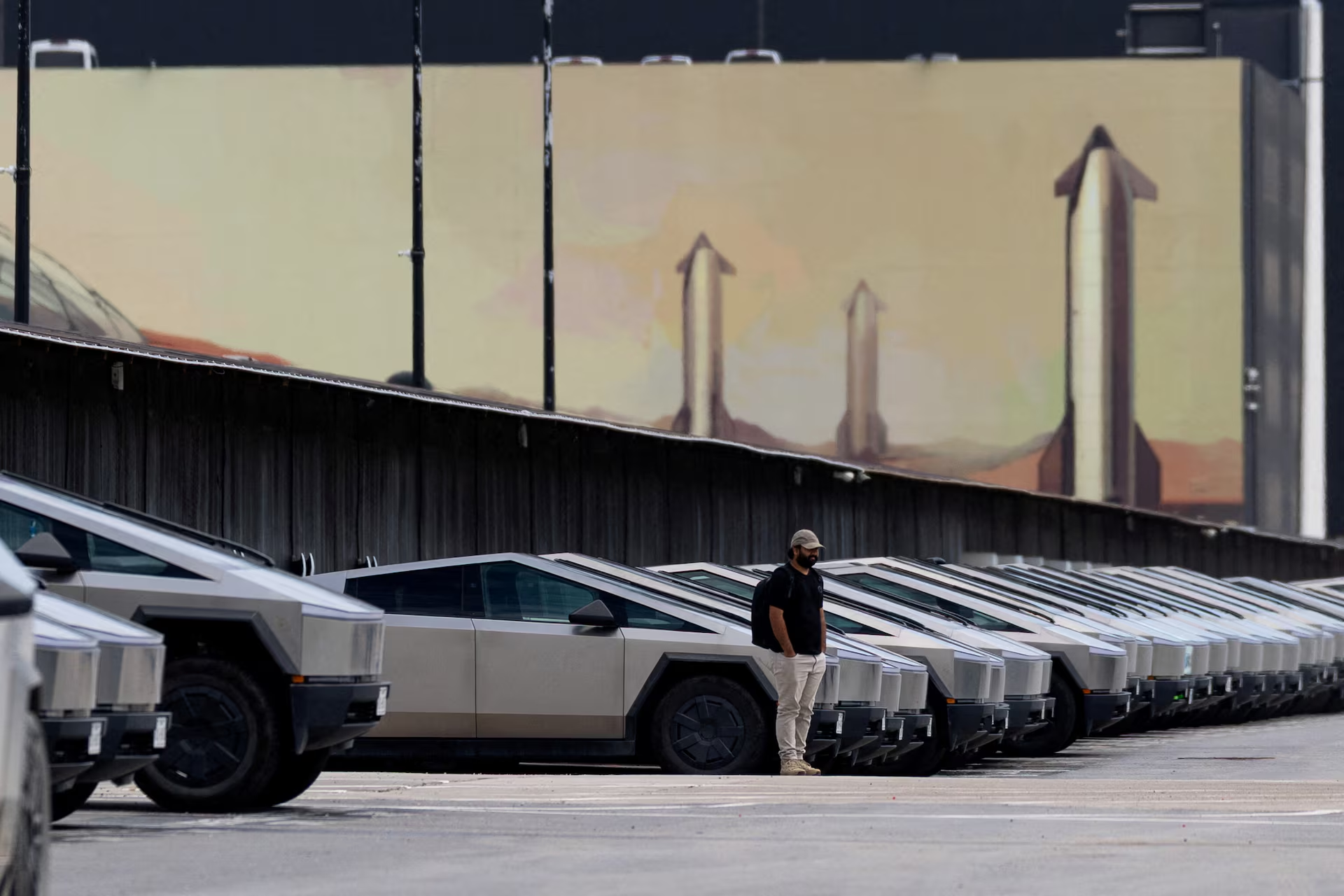
Sales Fall Far Below Musk’s Expectations
The Cybertruck was unveiled in 2019 as a radical alternative to conventional pickup trucks.
Its angular stainless-steel body and unconventional design attracted international attention.
But the vehicle encountered production delays before Tesla began deliveries in November 2023.
Musk initially predicted that the company could sell approximately 250,000 Cybertrucks annually.
Actual sales have been considerably lower.
According to automotive research company Kelley Blue Book, Tesla sold 38,965 Cybertrucks in the United States in 2024.
Sales fell to 20,237 in 2025, a decline of approximately 48 per cent.
The downward trend continued in 2026, with sales during the first nine months falling by a further 28 per cent compared with the corresponding period of the previous year.
Tesla does not routinely publish separate sales figures for the Cybertruck in its financial reports.
Instead, it groups the pickup with several other vehicles.
The declining sales have raised questions about whether the vehicle can justify the specialised production facilities required to manufacture it.
Former Aston Martin chief executive Andy Palmer told Reuters that continuing production made little commercial sense if the vehicle was consistently failing to meet its targets.
Recalls and High Prices Affect Demand
The Cybertruck has also faced repeated quality and safety concerns.
Since deliveries began, Tesla has issued 11 recalls involving the vehicle, according to the US National Highway Traffic Safety Administration (NHTSA).
Some involved defects that required physical repairs, while others could be addressed through software updates.
The company has also changed the vehicle’s pricing several times.
When Musk first introduced the Cybertruck, Tesla advertised an entry-level version costing approximately $40,000.
However, the production versions arrived at substantially higher prices.
The vehicle’s design has created additional difficulties in overseas markets.
Its rigid stainless-steel exterior and sharp edges have prevented it from obtaining approval for sale in Europe under pedestrian safety regulations.
That has limited Tesla’s ability to expand Cybertruck sales beyond North America.
Industry analysts have also pointed to broader difficulties in the electric pickup market.
Ford and other manufacturers have struggled to generate the demand initially expected for battery-powered trucks.
Tesla Turns Towards Self-Driving Vehicles
The production change reflects Musk’s growing emphasis on autonomous transportation and robotics.
The Cybercab, unveiled in October 2024, is a two-passenger electric vehicle designed to operate without a human driver.
It has no conventional steering wheel or pedals.
Musk intends to use the vehicle in a network of autonomous taxis, reducing Tesla’s dependence on sales of privately owned electric cars.
Tesla began offering paid Cybercab rides in limited parts of Austin in September 2026.
However, the programme remains relatively small, and its expansion faces regulatory scrutiny.
The NHTSA has opened a review of Tesla’s certification process for the Cybercab.
The regulator is examining whether the company has adequately demonstrated that the vehicle complies with federal motor vehicle safety standards.
Tesla has identified the Cybercab as a major part of its planned transition towards autonomous vehicles and artificial intelligence.
The company is also developing its Optimus humanoid robot as part of that strategy.

A Changing Direction for Tesla
The Cybertruck decision follows other changes to Tesla’s vehicle lineup.
Earlier in 2026, the company moved to discontinue production of its Model S and Model X vehicles as it redirected manufacturing resources towards robotics.
The Model 3 and Model Y remain its main passenger vehicles.
The Cybertruck had been intended to establish Tesla in the lucrative American pickup market, competing with established manufacturers such as Ford and General Motors.
Its distinctive appearance made it one of the most recognisable vehicles introduced in recent years.
But its sales have fallen far short of Musk’s original expectations.
According to the Associated Press, the decision comes as Tesla increasingly concentrates on technologies that Musk believes will define the company’s future.
For existing Cybertruck owners, the immediate implications remain uncertain.
Tesla has not announced whether it will permanently discontinue the vehicle or transfer production elsewhere.
What is confirmed is that the Austin factory will reduce Cybertruck manufacturing to create capacity for the Cybercab.
The decision signals a major change for a vehicle that Musk once presented as central to Tesla’s expansion beyond conventional electric cars.