


WASHINGTON, United States — The Democratic Party’s sweeping victory in the US midterm elections is prompting governments around the world to reassess their relations with President Donald Trump.
Democrats have won control of both chambers of Congress.
Their victory gives them new powers to challenge the president’s policies on trade, foreign aid, military operations, and international security.
The results have drawn reactions from Europe, Asia, Africa, and the Middle East.
On Wednesday, November 4, 2026, oil prices fell, the US dollar weakened, and political leaders began considering how the new Congress could affect American foreign policy.
But the consequences remain uncertain. Trump will remain president for another two years and retain substantial authority over diplomacy, trade negotiations, and military operations.

Global Markets React to Democratic Victory
Financial markets reacted quickly to the election results.
Oil prices declined for a third consecutive day as traders considered whether Trump’s weakened political position could encourage negotiations to end the war with Iran.
The conflict has disrupted oil and liquefied natural gas supplies from the Gulf, contributing to higher energy prices worldwide.
Analysts said the election had increased market expectations of renewed diplomatic efforts.
Ole Hansen, an analyst at Saxo Bank, told Reuters that investors increasingly believed Trump wanted to end the Middle East conflict.
The US dollar also declined against several major currencies.
Global stock markets experienced initial volatility before recovering some of their losses.
Investors are now examining whether a Democratic-controlled Congress could change government spending, trade restrictions, and technology regulations.

US Allies Reassess Trade Relations
The Democratic victory has attracted particular attention in countries affected by Trump’s tariffs.
Japan and South Korea previously agreed to substantial investment commitments in the United States as part of trade arrangements with Washington.
Japan pledged approximately $550 billion, while South Korea committed about $350 billion.
Some economic analysts believe the election results could encourage governments to reconsider the timing of those commitments.
Heo Yoon, an economics professor at Sogang University in Seoul, said countries might feel less pressure to fulfil agreements they had made under the threat of American tariffs.
However, other specialists warned that Trump could increase pressure on trading partners to demonstrate that his economic policies were producing results.
India is also monitoring the changes in Washington.
Negotiations over a US-India trade agreement have encountered difficulties, particularly over New Delhi’s efforts to protect its agricultural sector.
Anup Wadhawan, a former Indian trade secretary, said the Democratic victory could strengthen opposition to some of Trump’s tariff measures.
Congress has constitutional authority over international commerce, although the president retains powers to impose certain trade restrictions under existing legislation.
Any Democratic attempt to limit those powers could face a presidential veto.

Europe Welcomes Result but Remains Cautious
European leaders have responded with a mixture of optimism and caution.
The Trump administration’s tariffs, criticism of NATO, and reduced support for Ukraine have strained relations with several European governments.
Some political leaders welcomed the Democratic victory as an indication that American voters wanted a different approach.
Spain’s Prime Minister Pedro Sánchez praised the election results as a rejection of political division and right-wing populism.
Norwegian Foreign Minister Espen Barth Eide also welcomed the outcome.
British Prime Minister Andy Burnham expressed hope that the election would help renew efforts to end the Iran war and address rising living costs.
However, other European officials warned against expecting immediate changes in American policy.
Austrian Foreign Minister Beate Meinl-Reisinger said European security and prosperity should not depend on election results in individual American states.
She called for continued investment in Europe’s defence capabilities and economic competitiveness.
According to the Associated Press, European governments remain concerned that Trump could continue his confrontational approach towards allies despite the congressional setback.
Ukraine Sees Possibility of Renewed US Assistance
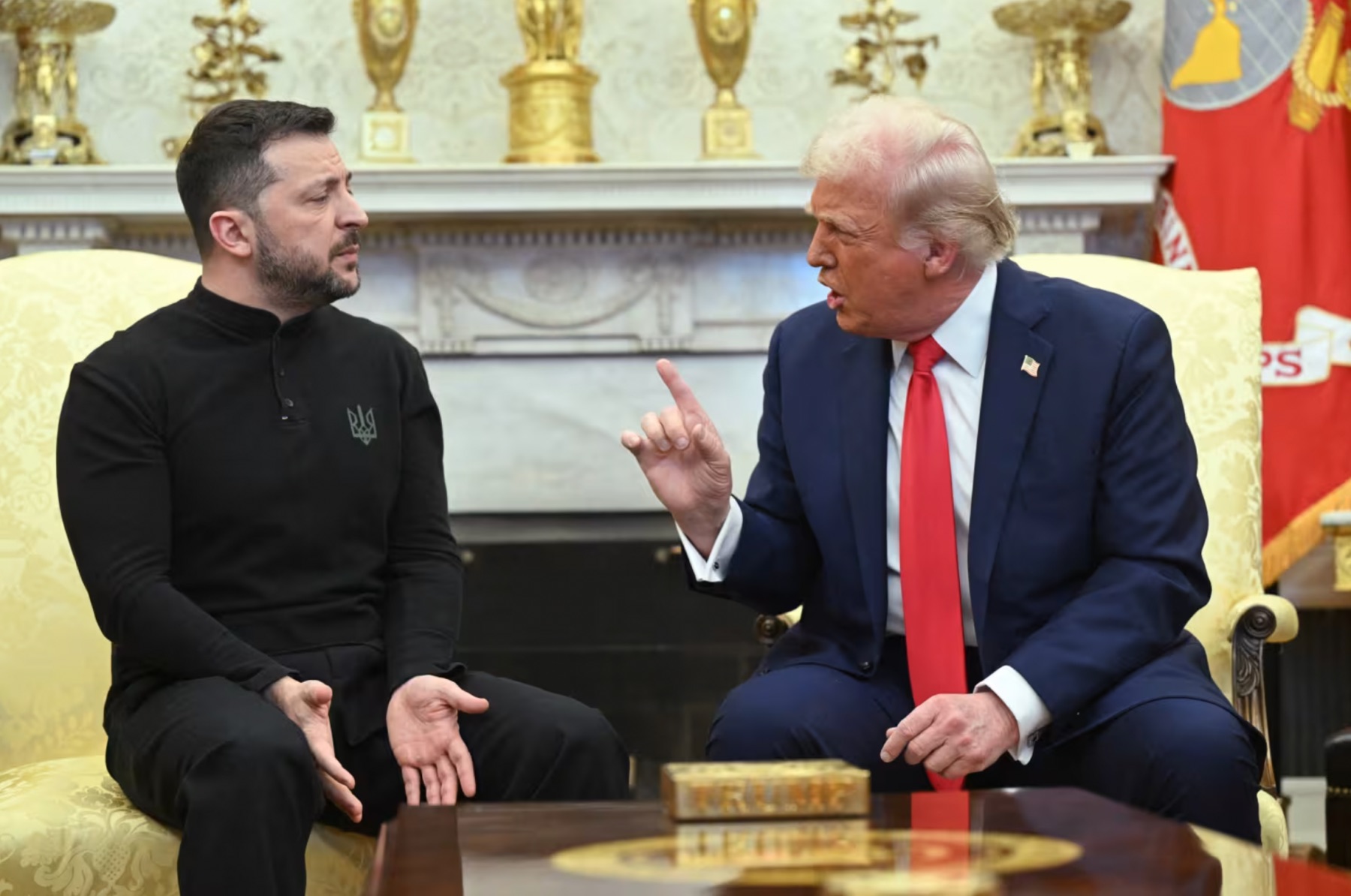
The election has also raised questions about American support for Ukraine.
Trump has sharply reduced direct US military and financial assistance to Kyiv during the war with Russia.
His administration has also relaxed some sanctions affecting Russian energy exports.
Those decisions have attracted criticism from Democrats and some Republican lawmakers.
With control of both chambers of Congress, Democrats will have greater authority to propose additional assistance to Ukraine.
They could also pursue legislation restricting the administration’s ability to ease sanctions against Russia.
Representative Gregory Meeks of New York has already introduced bipartisan legislation aimed at blocking the return of Russian diesel to international markets.
However, any new assistance package could face resistance from the White House.
Congress would need sufficient bipartisan support to override a presidential veto.
Ukraine also faces an immediate shortage of American-made Patriot air defence interceptors, which it needs to protect cities and energy infrastructure from Russian attacks.
New legislation would not necessarily resolve that shortage quickly.
The Kremlin has responded cautiously to the Democratic victory.
Russian officials said they hoped the results would not interfere with Trump’s diplomatic efforts to negotiate an end to the war.
Iran War and Israel Face Greater Congressional Scrutiny
The Middle East is another region where governments are examining the implications of the election.
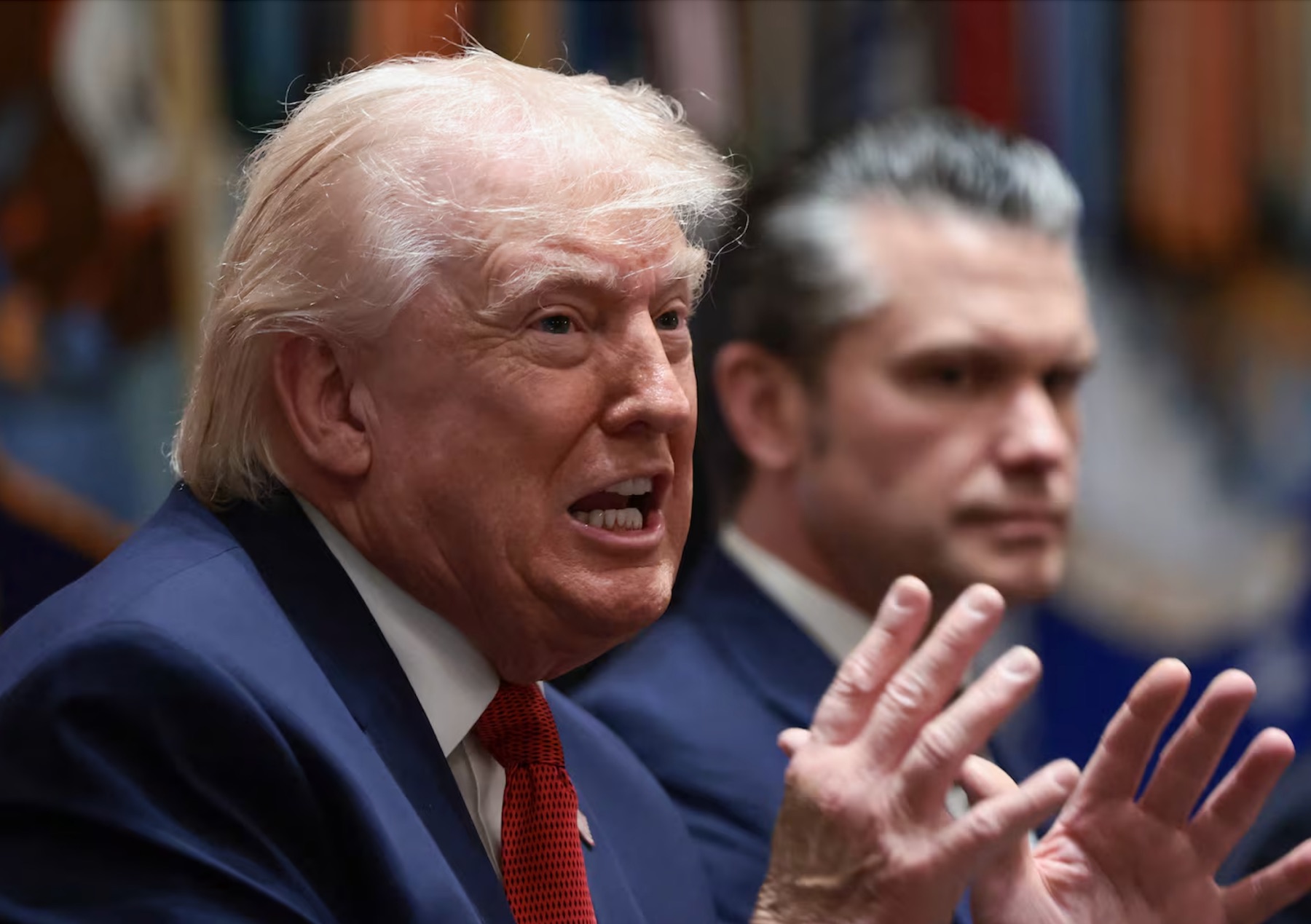
The United States has been involved in a war with Iran for eight months.
The conflict has disrupted global energy supplies and contributed to rising fuel prices.
According to Reuters, some Gulf governments believe Trump may now face greater political pressure to negotiate an end to the fighting.
Two sources familiar with regional government discussions said officials considered another major American assault on Iran less likely following the election.
However, analysts warned that Tehran could interpret Trump’s domestic political setback as an opportunity to strengthen its negotiating position.
That could either encourage diplomatic engagement or increase the risk of further confrontation.
Israel also faces possible changes in its relationship with Washington.
Democratic control of Congress could bring closer scrutiny of Israeli military operations in Iran, Gaza, and Lebanon.
Lawmakers may also examine American military assistance and weapons sales to Israel.
The election results have already featured in Israel’s domestic political debate.
Opponents of Prime Minister Benjamin Netanyahu have criticised his handling of relations with Washington, arguing that Israel has lost some of the bipartisan American support it previously enjoyed.
Canada and Mexico Watch Washington Closely
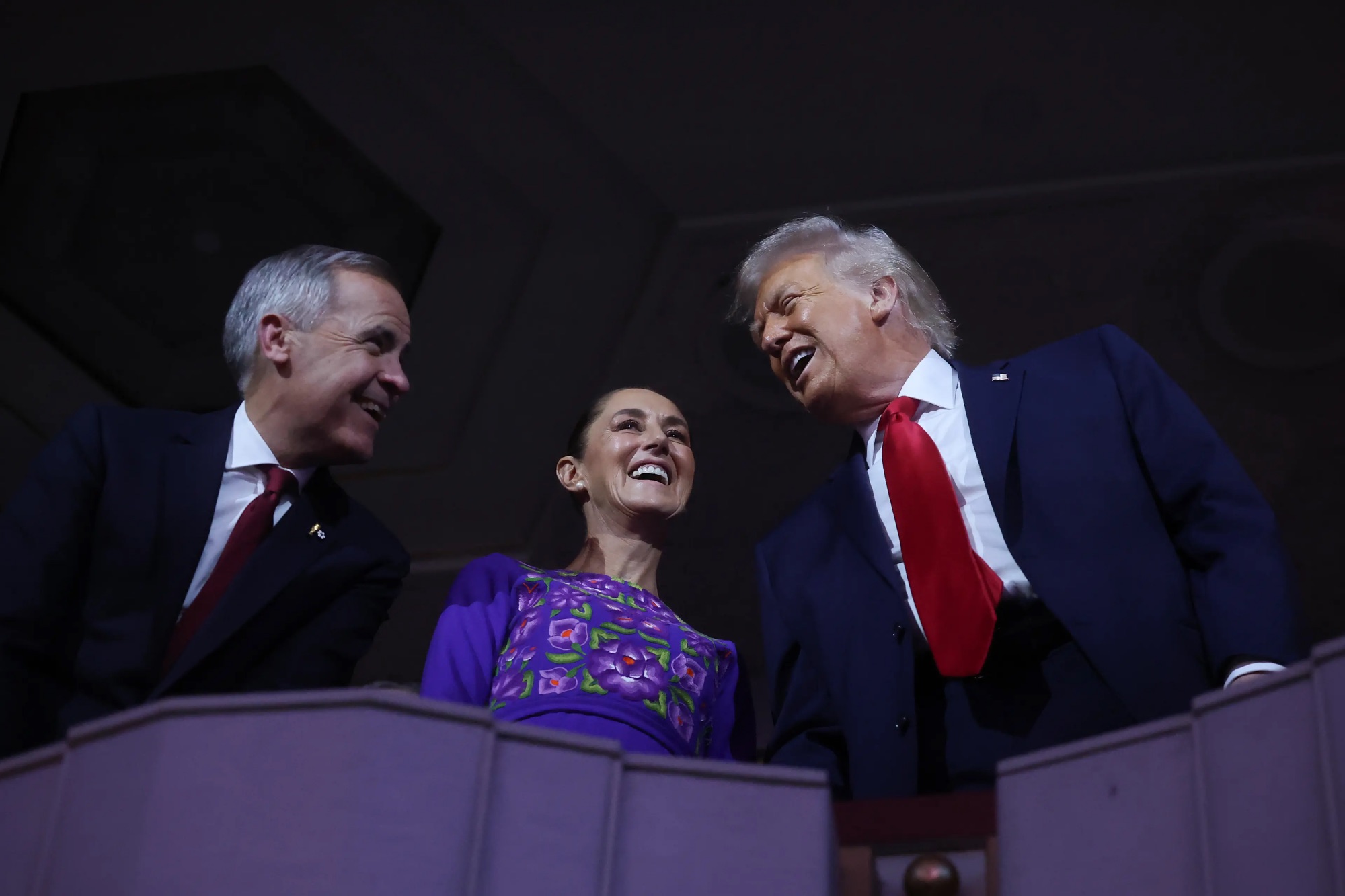
Canada and Mexico are also considering how the new congressional balance could affect their trade disputes with the United States.
Canadian Trade Minister Dominic LeBlanc said Ottawa would not change its negotiating strategy because of the election.
He confirmed plans to continue discussions with senior Trump administration officials.
Ontario Premier Doug Ford was more optimistic.
Ford said the Democratic victory could give Canada greater leverage in its negotiations with Washington.
Mexico has adopted a cautious approach.
President Claudia Sheinbaum said her government would assess the implications of the results before drawing conclusions.
Both countries remain exposed to American trade policies, particularly tariffs affecting manufacturing and cross-border commerce.
South Africa Sees Opportunity for Changed Relations
The election has also attracted attention in Africa.
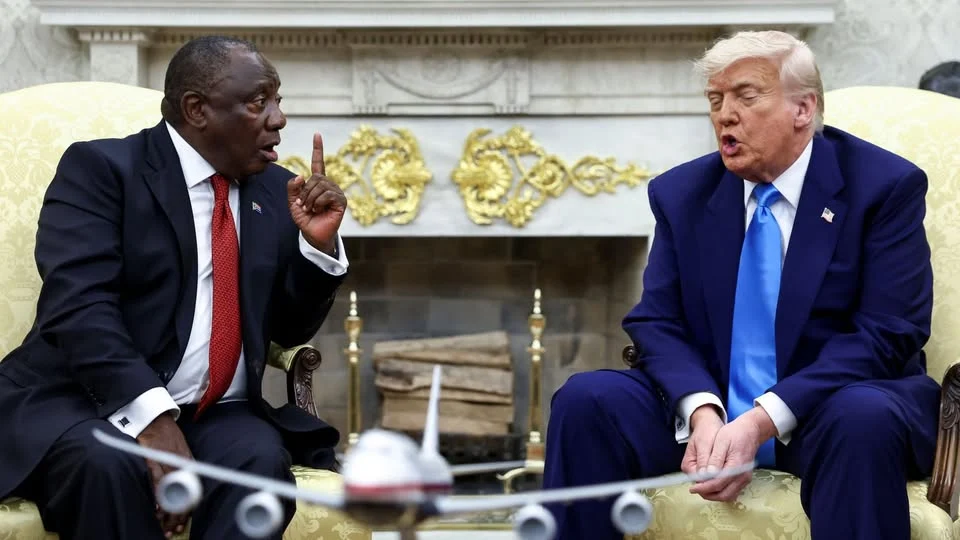
South African President Cyril Ramaphosa welcomed the Democratic takeover of Congress, expressing hope that it could improve international relations.
Ramaphosa has experienced strained relations with Trump, who has repeatedly accused his government of discriminating against white South Africans.
South Africa has rejected those allegations.
The president said the Democratic victory could introduce a new period in relations between the United States and other countries.
However, Congress does not control every aspect of American foreign policy, and the White House will continue to direct many diplomatic decisions.
Artificial Intelligence Companies Face Regulatory Questions
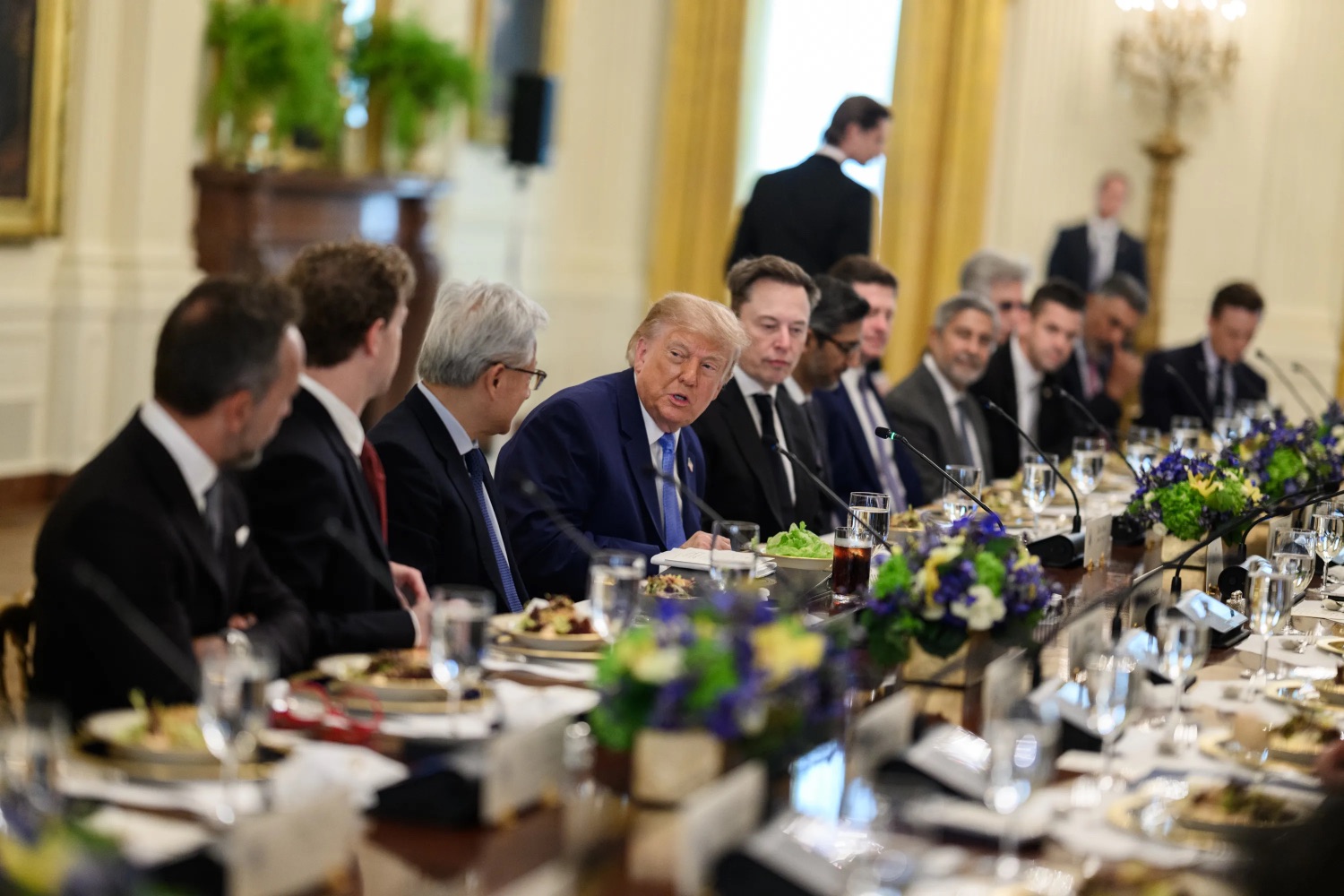
Technology investors are also considering the implications of Democratic control of Congress.
The rapid expansion of artificial intelligence infrastructure became an election issue in several American communities.
Some voters expressed concerns about the electricity demands, water consumption, and local economic effects of large data centres.
The election results have increased expectations that Congress could examine the sector more closely.
Shares in several major Asian semiconductor companies fell following the Democratic victory.
They included Taiwan Semiconductor Manufacturing Company, Samsung Electronics, SK Hynix, and Kioxia.
American data centre operators also recorded declines in pre-market trading.
Analysts said investors were concerned that additional regulatory scrutiny could slow the expansion of AI infrastructure.
However, no specific legislation has been enacted, and the new Congress will not take office until January.
Trump Retains Significant Foreign Policy Powers
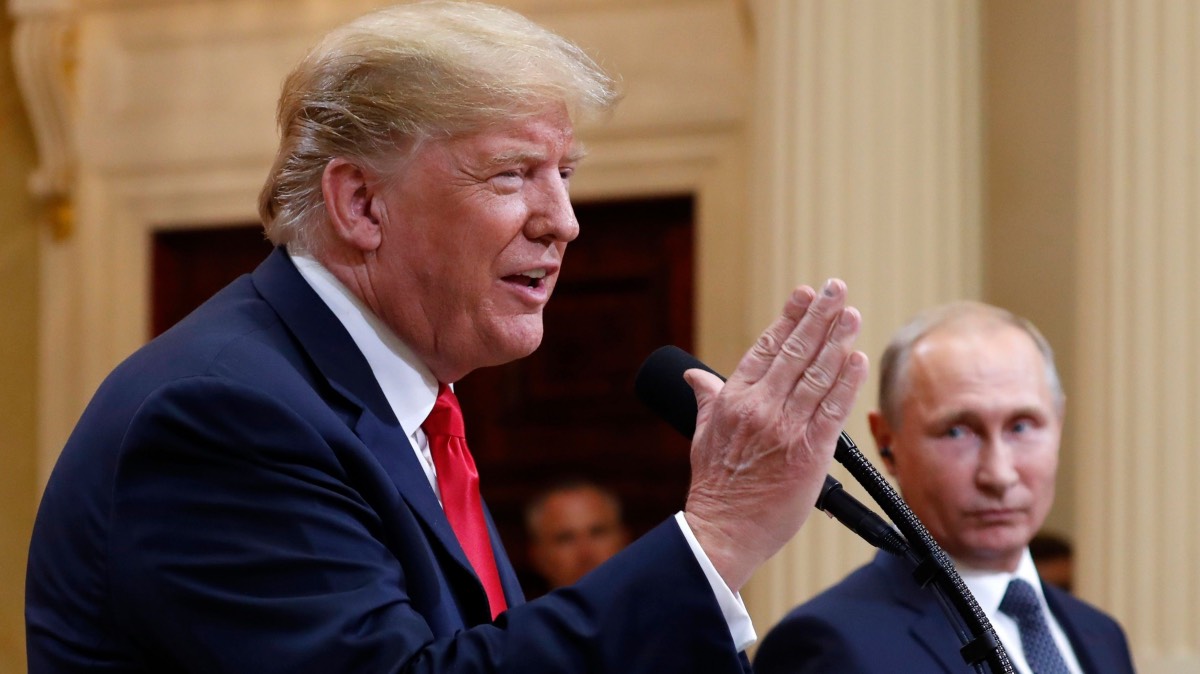
Despite the Democratic victories, the president will retain considerable authority over international affairs.
He will continue to lead diplomatic negotiations, direct the armed forces, and exercise powers granted to the executive branch under existing trade laws.
Congress can approve spending, investigate government decisions, and enact legislation.
It can also refuse funding for certain policies or impose restrictions through legislation.
But overcoming a presidential veto requires a two-thirds majority in both chambers.
That threshold could limit the Democrats’ ability to reverse policies without Republican support.
For America’s allies, trading partners, and adversaries, the election has changed the political balance in Washington.
Whether it produces lasting changes in US foreign policy will depend on how Democrats use their new congressional powers and how Trump responds during the remaining two years of his presidency.