


There is no mystical secret behind a healthy weight. For most people, the difference between chronic weight struggle and long-term stability is not a miracle detox, a punishing meal plan, or a celebrity trick. It is a set of repeatable habits, practised so consistently that they stop feeling like effort and start feeling like identity.
That does not mean weight is simple. Genetics, medications, income, stress, sleep, and environment all matter. But the broad pattern in the research is surprisingly clear. People who maintain a healthier weight over time tend to eat in more structured ways, rely less on ultra-processed foods and sugary drinks, move more across the day, and protect the routines that keep appetite and energy in balance. Members of the National Weight Control Registry, one of the best-known long-term weight-maintenance cohorts, have also reported recurring behaviours such as regular breakfast, self-monitoring, and sustained physical activity.
What follows is not a recycled list of diet clichés. It is a modern, evidence-based guide to the habits that quietly separate people who are always “trying to lose weight” from those who build lives that support a leaner waistline almost automatically.

1. They do not start the day in nutritional chaos
Breakfast is one of the most argued-over subjects in nutrition, and the science does not support a simplistic rule that everyone must eat it. But it does suggest that structured morning eating is associated with better long-term weight patterns in many people. Breakfast skipping has been linked in prospective research with greater weight gain in some populations, while regular breakfast eating is a common habit among successful weight-loss maintainers in the National Weight Control Registry.
The key is not to eat breakfast for the sake of it, but to eat one that actually steadies you. A pastry and a sweet coffee may technically count as breakfast, but they often act more like a blood-sugar event than a meal. A better first meal usually combines protein, fibre, and some healthy fat, such as eggs with vegetables, Greek yoghurt with berries and seeds, or oats with nuts. The goal is not moral virtue. It is appetite control by midday.

2. They pay attention to hunger before they pay attention to availability
Modern eating is often driven less by hunger than by opportunity. Food appears in meetings, petrol stations, delivery apps, cinema seats, car cupholders, and bedside drawers. In that environment, one of the most useful habits is learning to distinguish physical hunger from boredom, stress, social pressure, or mere convenience. Reviews of intuitive and internally regulated eating have found consistent associations with lower body mass index and better psychological health, even though the evidence is stronger for relationship patterns than for dramatic weight-loss effects.
In practical terms, this means pausing before you eat and asking a disarmingly simple question: am I actually hungry? That one habit can interrupt an astonishing amount of unnecessary intake. It also restores a skill many adults have lost, namely the ability to stop outsourcing appetite decisions to packaging, marketing, and habit.

3. They do not let themselves get ravenous
There is a difference between intentional structure and accidental starvation. People who go too long without eating often do not make noble, disciplined choices later. They become vulnerable to whatever is salty, sugary, fried, or oversized. Research on meal timing and weight maintenance suggests that more regular eating patterns, including consuming breakfast and avoiding continual grazing, may support weight control, while short-term deprivation can bias people towards higher-calorie purchases and choices.
This is why many people do better when they remove the drama from eating. They do not wait until 4 p.m. to realise they have had only coffee. They build enough structure into the day to avoid the kind of physiological desperation that turns every biscuit tin into a crisis.

4. They eat more meals they can actually account for
One of the most underrated weight-loss advantages is simply knowing what is in your food. People who cook at home more often tend to have better diet quality, consume fewer calories, and eat less sugar and fat overall. Restaurant and takeaway meals, by contrast, are notoriously difficult to estimate accurately, and diners routinely underestimate calorie content by large margins.
This does not mean healthy people never eat out. It means they do not build their entire food life around meals made by strangers whose incentive is to maximise pleasure, not satiety. Home cooking gives you control over oil, portions, salt, sauces, and ingredients. That control compounds.
5. They build meals around protein, not just around starch
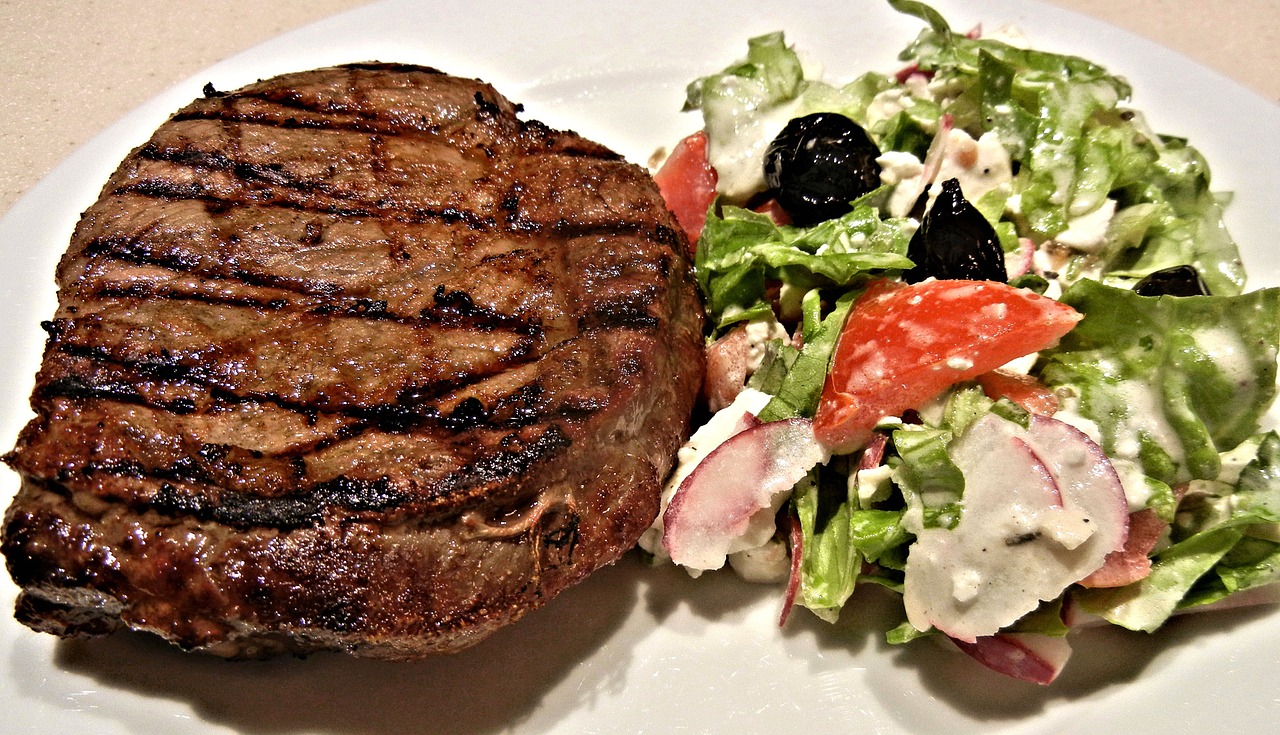
Protein is not magic, but it is one of the most consistently useful nutrients for appetite control. Reviews have found that protein generally increases satiety more than carbohydrate or fat and can help reduce spontaneous energy intake. Higher-protein eating patterns are also commonly used in successful weight-loss maintenance.
This does not require eating like a bodybuilder. It means avoiding meals that are mostly refined starch with a token bit of protein on the side. Beans, lentils, fish, eggs, Greek yoghurt, tofu, chicken, and nuts can all help. Plant-forward diets are especially interesting here. Large reviews suggest that plant-based or vegetarian patterns are often associated with lower adiposity and better cardiometabolic profiles, provided overall diet quality is good.

6. They treat added sugar as a regular risk, not a rare indulgence
One of the most reliable ways to gain weight slowly is to consume energy that never really satisfies. Sugar-sweetened beverages are the clearest example. Systematic reviews and meta-analyses have repeatedly found that regular intake of sugary drinks is associated with higher body weight and weight gain in both adults and children.
But added sugar is not confined to fizzy drinks. It hides in cereals, yoghurts, sauces, bars, bakery items, and “healthy” snacks. People who stay lean long-term tend not to panic about all sugar. They simply become skilled at spotting where it delivers calories without much fullness.
7. They make vegetables carry more of the meal
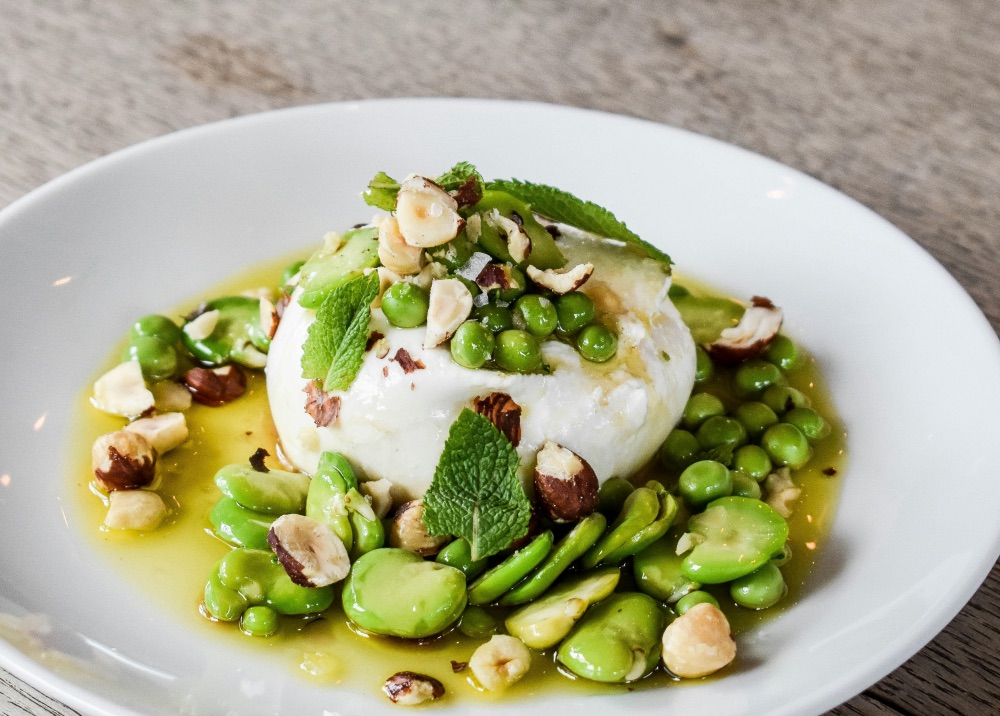
Vegetables help with weight management for a deeply unglamorous reason: they add volume, fibre, and chewing for relatively few calories. Fibre, in turn, is associated with greater satiety and lower body weight in epidemiological research, while systematic reviews suggest that certain fibre-rich foods can reduce appetite and subsequent intake.
People who maintain a leaner shape often understand this intuitively. They do not treat vegetables as decorative. They make them structural. Spinach in omelettes, beans in soups, roasted vegetables beside proteins, salad under grains, tomato-based sauces instead of cream-heavy ones. This is not about eating rabbit food. It is about using bulk intelligently so that the plate satisfies without quietly becoming caloric chaos.
8. They choose whole grains more often than refined ones
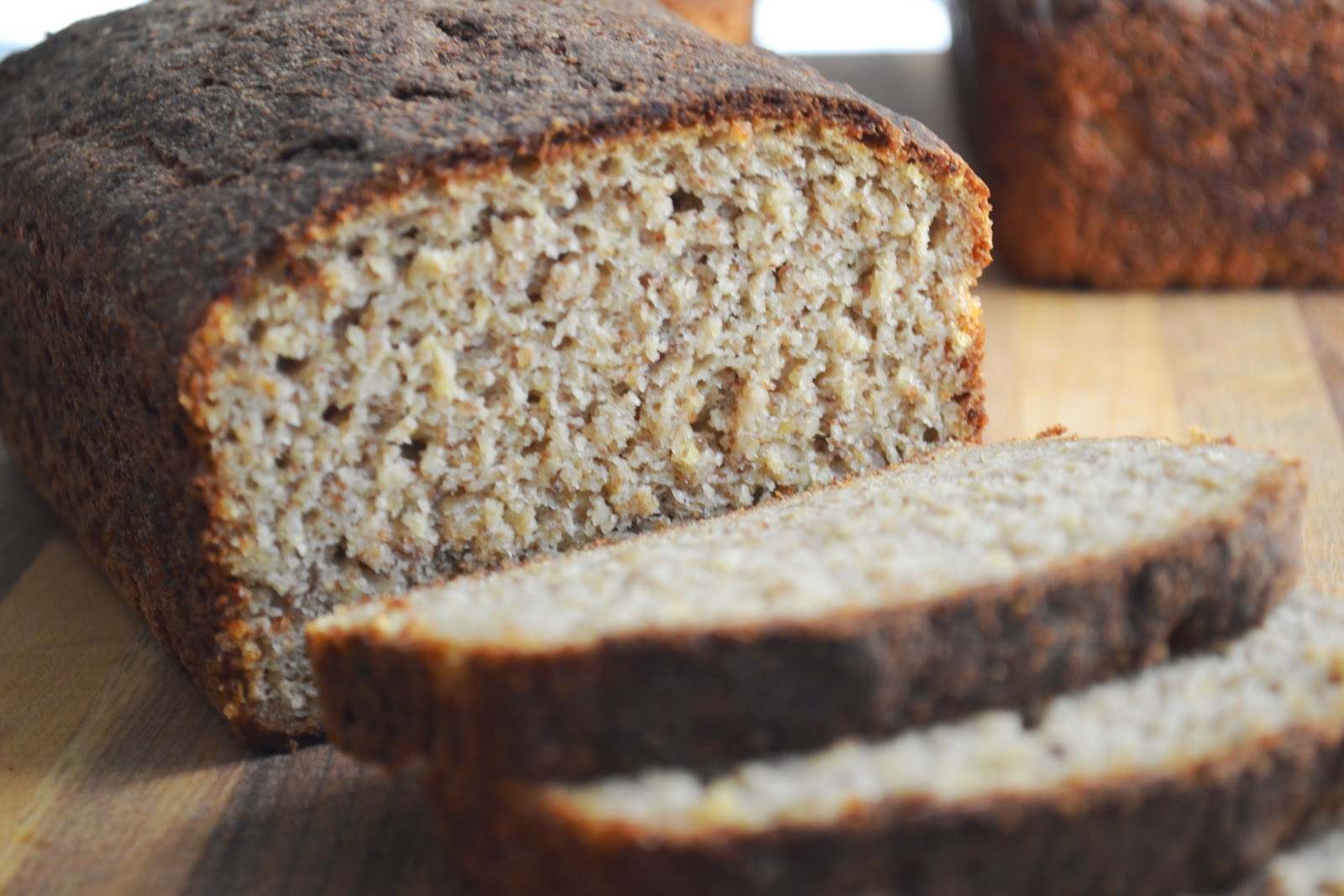
Weight control is not only about how much you eat, but also how quickly foods are digested and how well they hold your hunger. Diets high in refined grains and sweets have been associated with larger gains in body mass index and waist circumference, while higher whole-grain intake is linked in observational research with lower central adiposity and healthier body weight patterns. Intervention trials show smaller effects, but the overall direction still favours whole grains over refined ones.
The practical lesson is simple. Brown rice will not transform your life overnight, and wholemeal bread is not a halo product if the rest of the meal is a mess. But choosing oats over sugary cereal, whole grains over refined white flour, and higher-fibre staples over rapidly digested ones tilts appetite and energy balance in your favour.

9. They respect portions, even when they do not “diet”
One of the strongest findings in appetite research is the portion-size effect: when people are served larger portions, packages, or containers, they generally consume more. This effect has been observed repeatedly and appears strong enough to matter in real-world weight gain.
That does not mean everyone must weigh lettuce leaves. It means habits matter. Smaller serving bowls, not eating from giant share packs, and plating food instead of hovering over the pan can all reduce passive overeating. The point is not perfection. It is friction. Thriving eaters build a little friction between desire and excess.

10. They distrust marketing and read what the food actually is
Modern food packaging is designed to flatter products into seeming healthier than they are. “Whole grain”, “natural”, “low fat”, and fruit imagery can all create a health halo that disguises sugar, refined starch, or a poor overall nutritional profile. Research on front-of-pack claims shows that such claims can confuse consumers and distort perceptions of healthfulness, while label users tend to report healthier overall dietary patterns than non-users.
People who stay lean tend to become less impressed by the front of the packet and more interested in the ingredient list, serving size, and the basic question of whether the food is recognisably food. That habit alone filters out a surprising amount of junk wearing a wellness costume.

11. They do not drink their calories casually
The body seems to register liquid calories poorly compared with solid food. Sugary drinks add energy quickly without creating much fullness, which helps explain why they are so consistently linked to weight gain. Fruit juice can pose a similar problem. Whole fruit tends to produce greater satiety than juice, partly because fibre and structure slow down intake and digestion.
Water, plain sparkling water, unsweetened tea, and coffee without dessert-level additions are not glamorous answers, but they are effective ones. People with stable weight often do not think of beverages as a side entertainment. They think of them as hydration first.

12. They protect sleep like it is part of their metabolism, because it is
Short sleep is not just a tiredness issue. Meta-analyses in adults have found that short sleep duration is associated with a higher risk of future obesity, and shorter sleep also correlates with larger waist circumference. The likely mechanisms include altered hunger hormones, increased reward-seeking, poorer impulse control, and more waking hours in which to eat.
This is one reason weight-loss advice so often fails. It treats overeating as a character flaw when, in many cases, the brain is running on inadequate sleep and making biologically predictable decisions. Seven to eight hours will not solve every metabolic problem, but chronic sleep deprivation quietly sabotages even good intentions.

13. They move all day, not just during workouts
Exercise matters, but so does ordinary movement. Step-count research has shown that higher daily steps are associated with lower mortality risk, and health benefits appear even below the old 10,000-step benchmark. Pedometer and step-monitoring interventions also tend to increase physical activity meaningfully.
This matters because many lean people are not merely “people who exercise”. They are people who live less sedentarily. They walk more, stand more, carry more, and sit slightly less. That background movement may not look dramatic, but over months and years it becomes one of the most powerful habits of all.

In Conclusion
The real secret to staying lean is not extremity. It is consistency. People who manage their weight well over time are usually not the people chasing the most dramatic solution. They are the ones building a food environment and a daily rhythm that make healthier choices easier, more automatic, and less exhausting.
A solid breakfast that prevents chaos. Enough protein and fibre to tame hunger. Fewer liquid calories. More meals from home. Better sleep. More steps. Less gullibility in the supermarket. None of these habits is flashy on its own. Together, they are the difference between constantly fighting your body and finally working with it.
That is not mystique. It is method.