


Fast food is often treated as the opposite of healthy eating. Yet the nutritional quality of a quick meal depends less on where it is bought than on what it contains, how it is prepared and what is added to it.
A balanced fast-food choice generally combines vegetables or fruit, a useful source of protein and, where possible, a higher-fibre carbohydrate. Grilling, baking or steaming usually adds less fat than deep-frying, while sauces, processed meats and oversized portions can sharply increase sodium, saturated fat and added sugar.
No meal has to be nutritionally perfect. Healthy eating is determined by patterns over time, not by one lunch eaten on a busy day.
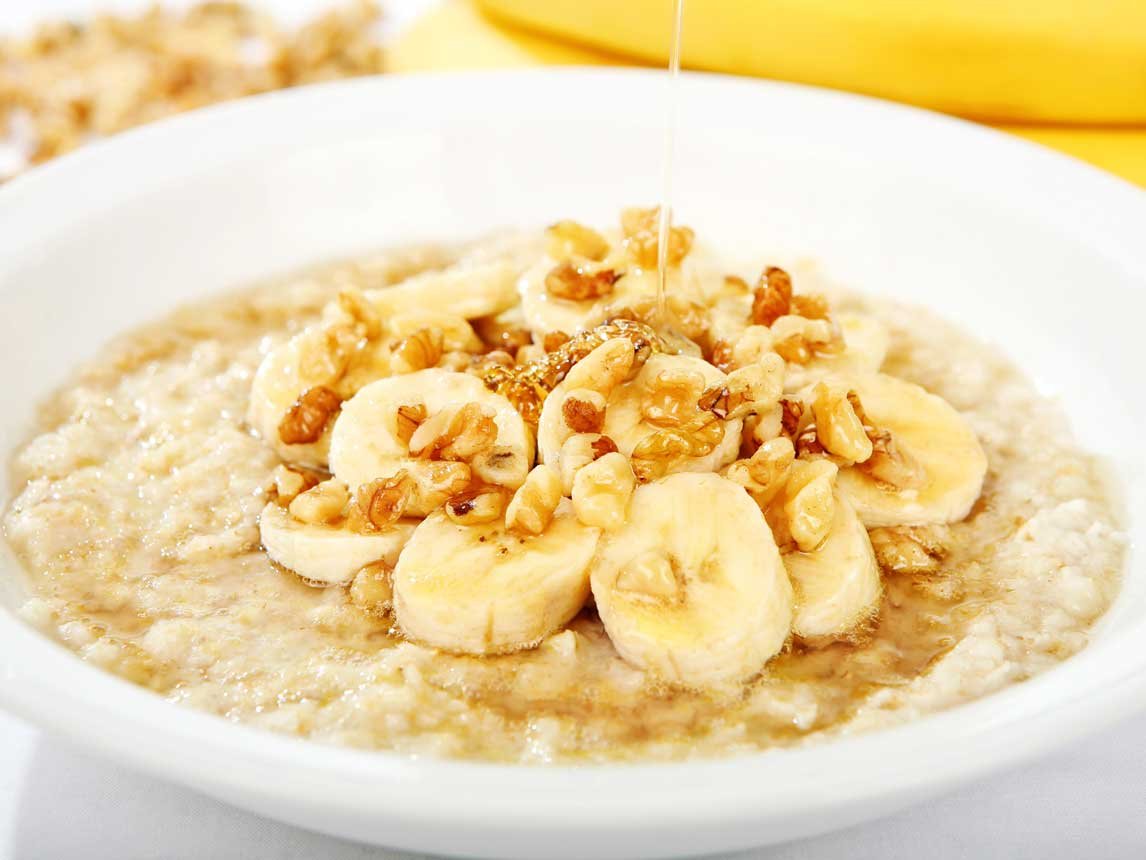
1. Oatmeal With Fruit
Oatmeal may be one of the most useful fast breakfasts available. Oats provide wholegrain carbohydrates and fibre, while fruit contributes vitamins, minerals and additional fibre.
The main complication is what gets mixed into the bowl. Flavoured syrups, sweetened dried fruit and large spoonfuls of sugar can turn a simple breakfast into a dessert-like meal. Plain oatmeal topped with fresh fruit, nuts or seeds is generally the more balanced option.
Adding nuts can make the meal more satisfying by providing protein and unsaturated fat. A serving of milk or yoghurt can also add protein and calcium.
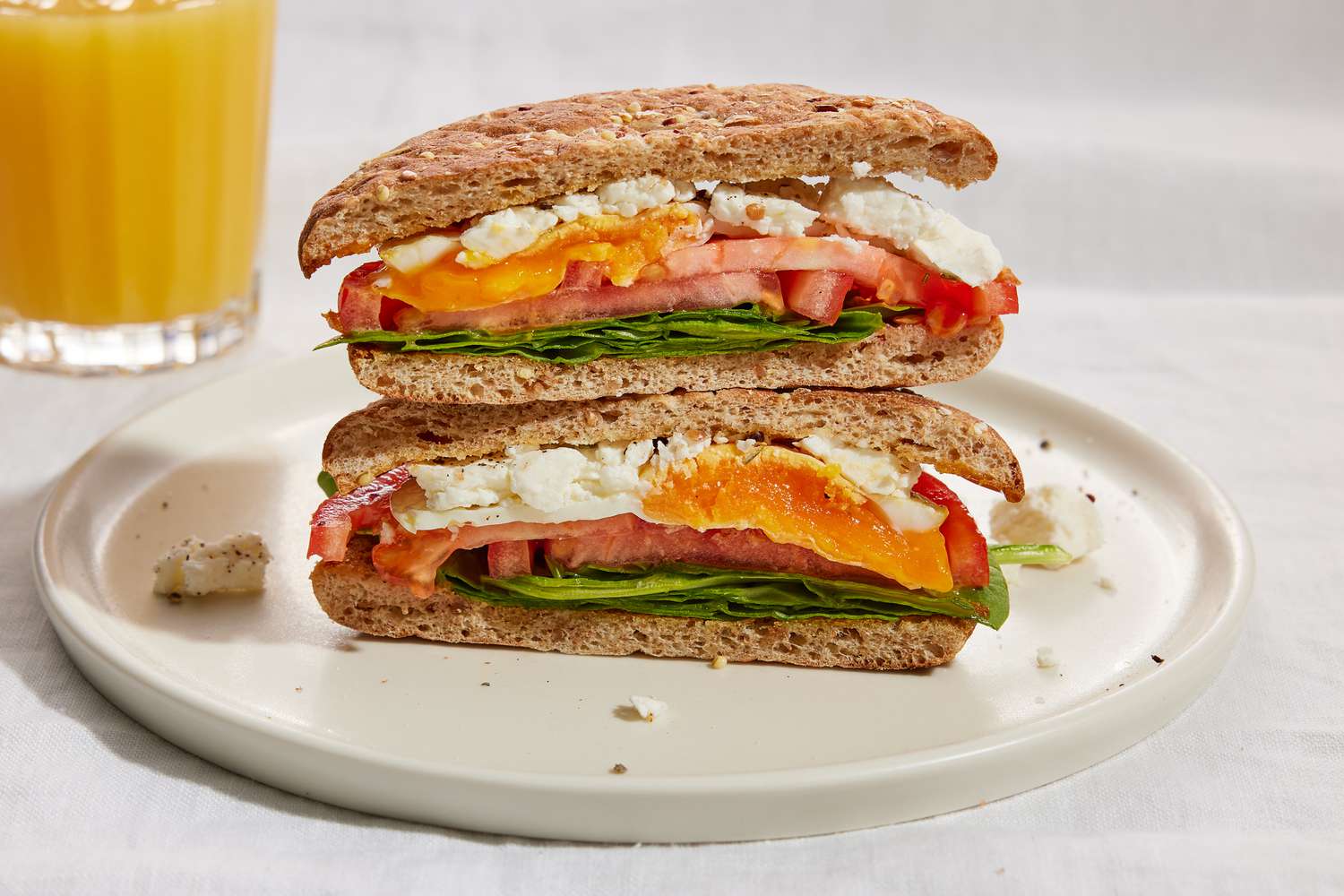
2. An Egg-and-Vegetable Breakfast Sandwich
Breakfast sandwiches are often associated with processed meat, cheese and buttery pastries. A simpler version made with egg, vegetables and a wholegrain roll can be substantially more balanced.
Eggs provide protein, while tomatoes, peppers, spinach or onions add volume and nutrients. Choosing bread instead of a fried pastry can reduce saturated fat, particularly when heavy sauces and processed meats are left out.
The sandwich may still contain considerable sodium, especially if cheese, sausage or bacon is included. Asking for fewer processed additions can make a significant difference without leaving the meal bland or insubstantial.

3. A Grilled Chicken Sandwich
A chicken sandwich is not automatically a healthier choice: breading, deep-frying, creamy dressing and large portions can change its nutritional profile considerably.
A grilled version, however, can provide protein without the additional oil absorbed during frying. Lettuce, tomatoes, onions and other vegetables improve the balance of the sandwich, while mustard or a small amount of sauce may be preferable to thick, creamy dressings.
Restaurant sandwiches can still be high in sodium, so the rest of the meal matters. Water, fruit or a side salad may create a more balanced combination than chips and a sugary drink. The American Heart Association warns that some restaurant sandwiches can contain a large proportion of a person’s recommended daily sodium.
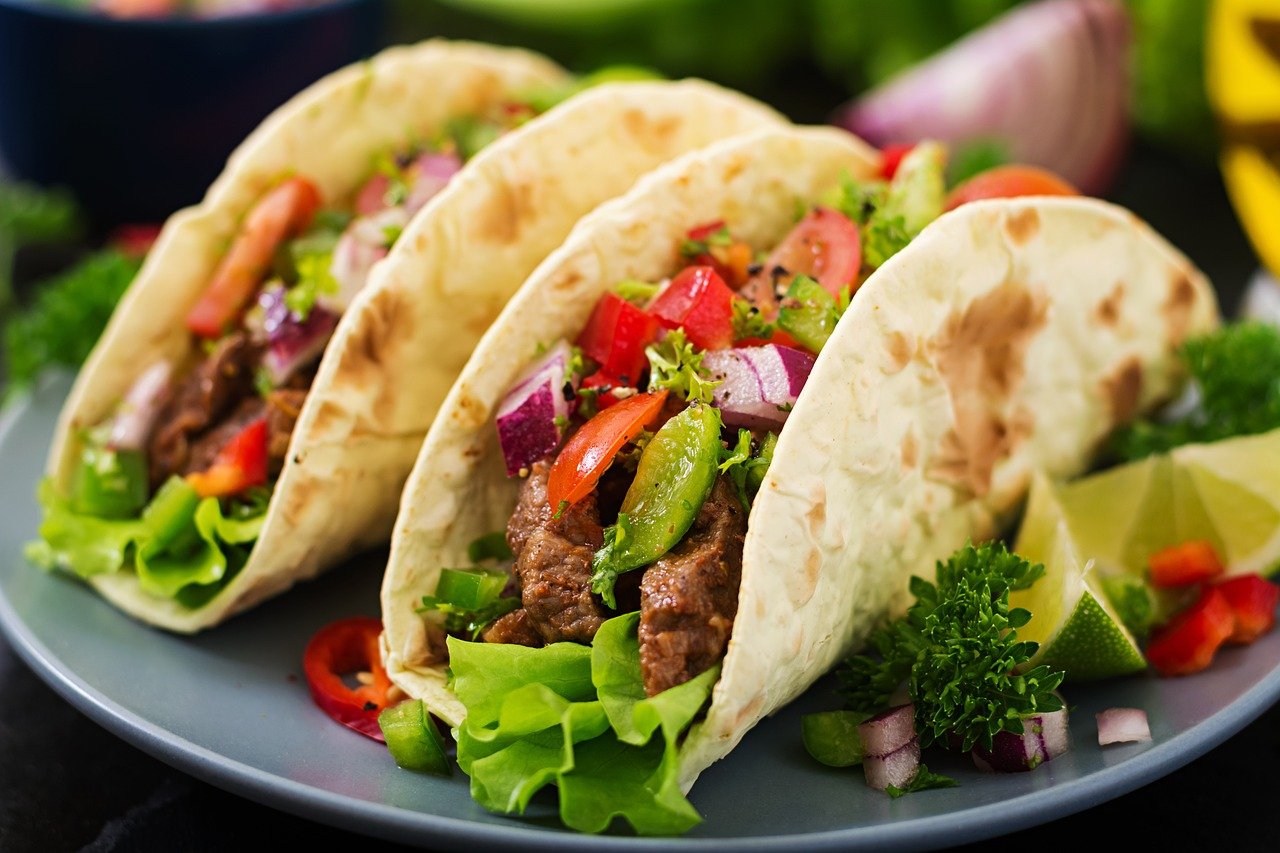
4. A Bean Burrito or Soft Taco
Beans are among the most overlooked fast-food ingredients. They provide plant protein and fibre, which can help make a meal filling without relying entirely on meat or cheese.
A burrito or soft taco built around beans, vegetables, salsa and a moderate portion of rice can contain several useful food groups. Choosing a soft tortilla instead of a deep-fried shell also avoids some added fat.
The less helpful additions are often the largest ones: oversized tortillas, multiple portions of cheese, processed meat, salty sauces and sour cream. Salsa can add vegetables and flavour, although it may also contain considerable sodium.
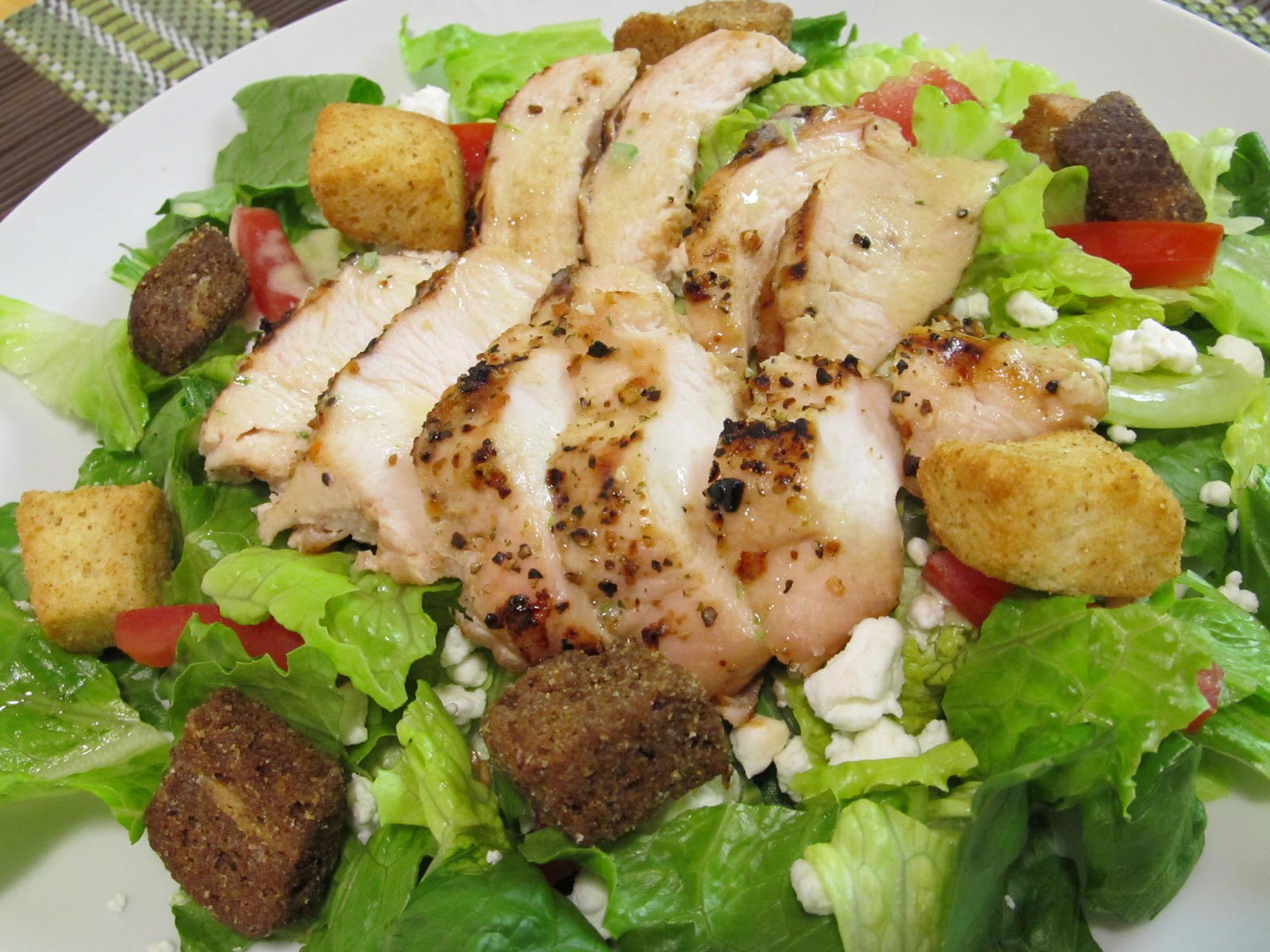
5. A Salad With a Genuine Source of Protein
Salad is not always the healthiest item on a fast-food menu. Crispy fried toppings, processed meat, cheese, croutons and heavy dressing can make some salads higher in sodium and saturated fat than expected.
A more balanced salad includes varied vegetables and a source of protein such as grilled chicken, beans, eggs, fish or tofu. Protein makes the meal more substantial, while vegetables contribute fibre and micronutrients.
Requesting dressing on the side allows the diner to control the amount used. The goal is not to eat dry leaves, but to prevent the dressing from becoming the main ingredient. The American Heart Association similarly recommends limiting high-sodium and high-saturated-fat salad additions.

6. Vegetable and Bean Soup
A bowl of vegetable soup can be a practical fast meal, especially when it includes beans, lentils or another protein source.
Soup can deliver vegetables and fluid in an easy-to-eat form. Beans and lentils add fibre and protein, making the dish more satisfying than a thin broth alone.
The main concern is sodium. Commercial soups may contain large amounts of salt, even when they appear wholesome. Cream-based soups can also be high in saturated fat. Tomato-based, vegetable or bean soups may be better everyday choices, but nutrition information should be checked where it is available. The FDA advises comparing sodium per serving and paying attention to how many servings are actually consumed.

7. Thin-Crust Vegetable Pizza
Pizza can provide grains, vegetables, protein and dairy in one meal, but the proportions matter.
A thin-crust pizza topped with vegetables generally contains less refined dough than a thick or stuffed crust. Mushrooms, peppers, onions, tomatoes and spinach can add variety, while a lighter amount of cheese reduces saturated fat and sodium.
Processed meats such as pepperoni and sausage tend to add substantial sodium and saturated fat. Pizza itself is also a common source of dietary salt, so portion size matters. Pairing one or two slices with vegetables or salad can produce a more balanced meal than treating an entire large pizza as a single serving.
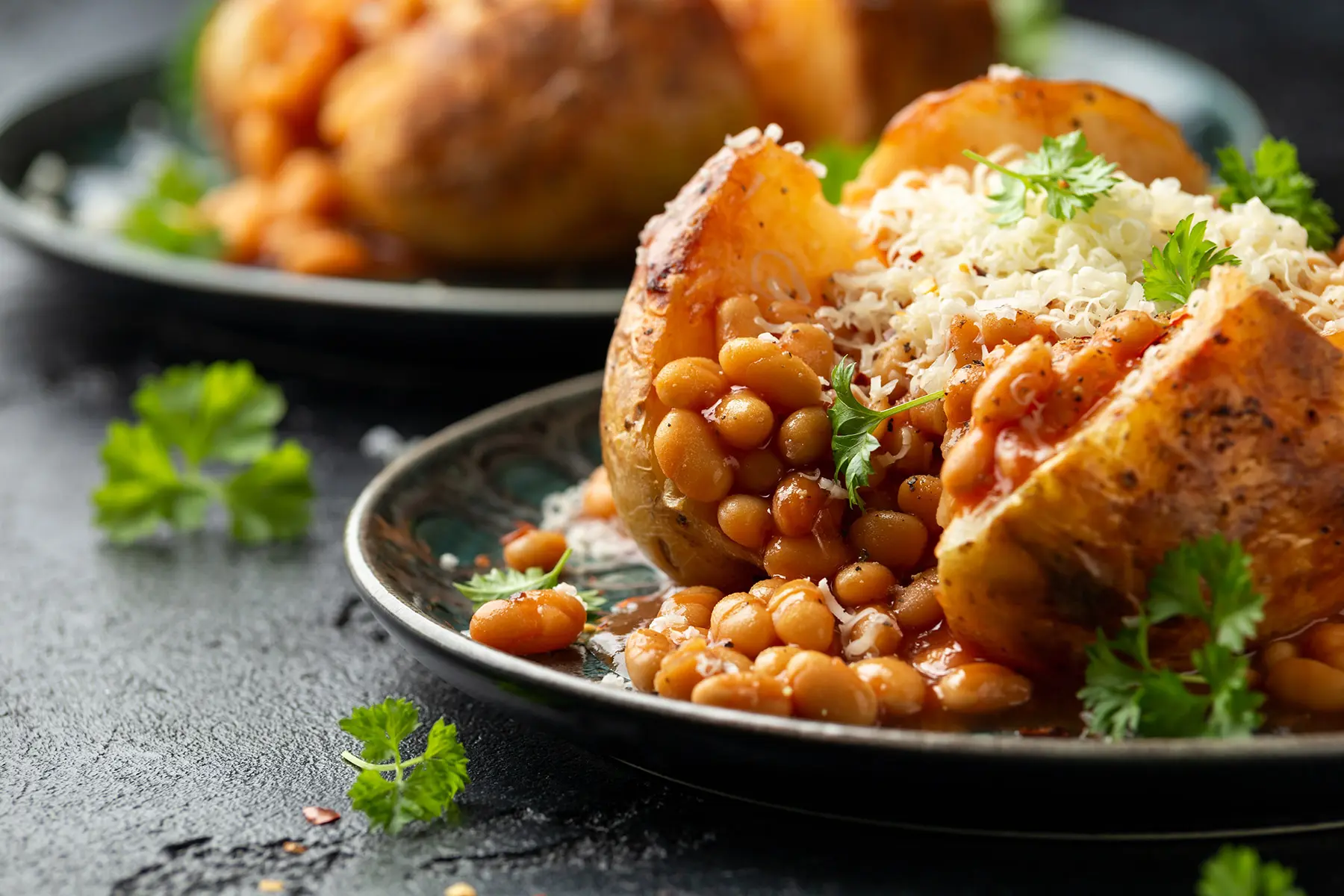
8. A Baked Potato With Beans and Vegetables
A plain baked potato is sometimes dismissed because it is a starchy food. Yet it can form the foundation of a balanced quick meal when paired thoughtfully.
Beans add protein and fibre, while vegetables increase volume and variety. A small amount of cheese or yoghurt can add flavour and creaminess.
The nutritional picture changes when the potato is covered with butter, processed meat, large quantities of cheese and salty sauces. The potato itself is not necessarily the problem; the toppings often determine whether the meal remains balanced.

9. A Fruit-and-Yoghurt Parfait
A yoghurt parfait can provide protein, calcium and fruit, making it a useful breakfast or snack when time is limited.
The healthiest-looking parfait is not always the lowest in added sugar. Sweetened yoghurt, syrupy fruit and heavily sugared granola can substantially increase the sugar content.
Plain or lightly sweetened yoghurt with fresh fruit is generally the more balanced choice. Granola can provide texture and whole grains, but a small amount may be enough because some varieties are concentrated sources of sugar and calories. The FDA recommends checking added sugar separately from the naturally occurring sugars found in milk and fruit.
How to Make a Better Fast-Food Choice
A healthier order does not require removing every enjoyable ingredient. A few practical adjustments often matter more: choose grilled rather than fried food, include vegetables, select beans or lean protein, limit heavily processed toppings and consider water instead of a sugary drink.
Nutrition information can also help diners compare options. Sodium, saturated fat and added sugar deserve particular attention because restaurant meals may contain more of them than expected.
In Conclusion
Fast food is not one uniform category. Oatmeal, bean burritos, grilled sandwiches, vegetable soups and yoghurt can all fit into a balanced eating pattern when their ingredients and portions are considered carefully.
The most useful question is not whether a meal came from a fast-food restaurant. It is whether the meal provides nourishment, variety and satisfaction without allowing salt, added sugar, saturated fat or oversized portions to dominate.