
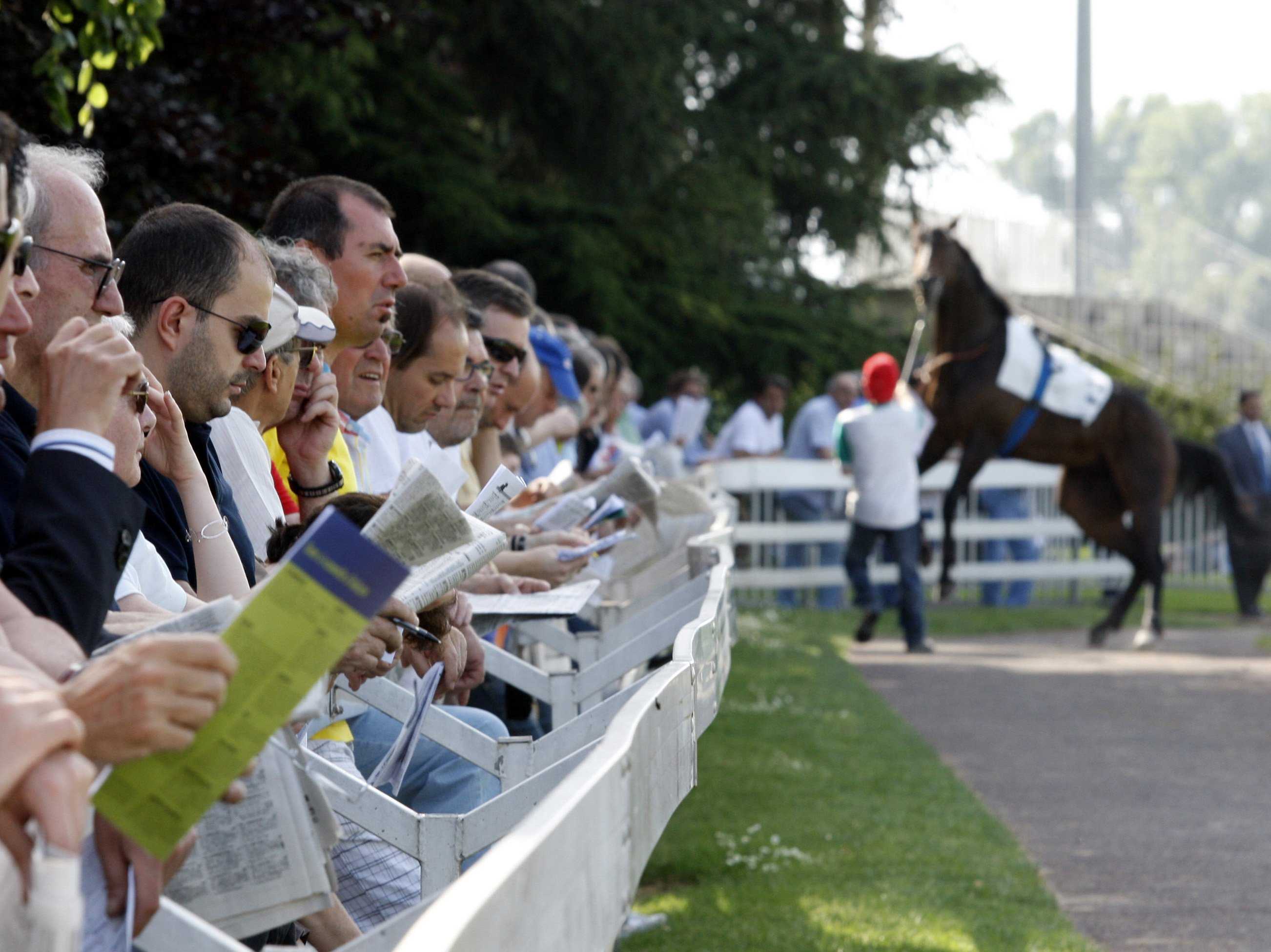

Horse racing is one of those events that feels like a lot to take in at first glance. You’ve got crowds, betting windows, programs, and a whole lot of energy coming from every direction before a single horse even steps onto the track.
The good news is that you don’t need to walk in as an expert to have a great time. A bit of prep goes a long way, and once you get your bearings, it all starts to click pretty fast.
What to Expect When You Arrive at the Track
The first thing you’ll notice is that a racetrack is bigger than it looks in photos. Most major venues span a large area, with grandstands, paddock areas, betting halls, food courts, and outdoor viewing sections all operating simultaneously. Getting there early gives you a chance to walk around before things get crowded, figure out where everything is, and pick a good spot without rushing.
Before you even think about placing a bet, pick up a race program at the entrance. It lists every race scheduled for the day, the horses running in each one, their post positions, jockeys, and trainers. If some of the language in it seems unfamiliar, a quick look at a guide to horse racing terminology will get you up to speed without much effort. You’ll hear a lot of it called out over the PA system, too, so it pays to know your basics.
Dress code varies by venue and by the type of event. Some tracks keep things casual, while others, especially on major race days, lean toward smart casual or semi-formal. Checking the venue’s website beforehand saves you from showing up underdressed or overdressed. A lot of first-timers also underestimate how much time they’ll spend on their feet, so comfortable shoes matter more than you’d think.
You’ll also want to get familiar with the tote board, the large display screen near the track that shows real-time odds, race results, and payout information. It updates constantly as bets come in, and reading it becomes second nature after a race or two. Don’t worry if it looks confusing at first; everyone goes through that learning curve on their first visit.
How Betting Works for First-Timers
The three most common bet types for beginners are win, place, and show. A win bet means your horse has to finish first. A place bet pays out if your horse finishes first or second. A show bet covers first, second, or third place, which makes it the safest of the three, though the payout is also the smallest. Most people start here and work their way up as they get comfortable.
Odds tell you how much you stand to win relative to what you put in. When you see a horse listed at 5/1, that means a winning bet of one dollar returns five dollars plus your original stake. The tote board updates these numbers right up until the race starts, since they shift as more money gets wagered on each horse. You’ll notice the crowd favourites tend to have much shorter odds than the longshots.
Placing a bet is easier than most people expect. You walk up to a window, tell the clerk the race number, the amount you want to wager, the type of bet, and the horse’s number. You get a printed ticket in return, and you hold onto that until after the race. Losing tickets are worth nothing, but it’s a good habit to keep them anyway until you’ve confirmed the result.
One thing a lot of newcomers do is bet on every single race without really watching any of them. It’s worth slowing down, picking a couple of races to focus on, and actually watching how the field runs. You get a lot more out of the experience that way, and your betting instincts sharpen faster when you pay attention to what’s happening on the track.
Reading the Race Program
The race program is the most useful thing you’ll have in your hands all day. Each race gets its own page or section, listing every horse by number and name, along with the jockey riding it and the trainer behind its preparation. Post position matters too, as horses drawn on the inside tend to run shorter distances around the first turn, which can be an advantage depending on the track layout.
Past performance lines sit right below each horse’s name and give you a snapshot of how it has run in recent races. You’ll see finishing positions, the class of race it competed in, the distance, and the track condition. Also included are speed figures, which are numerical ratings that let you compare horses across different race days and tracks. They’re one of the most widely used tools among regular bettors.
Class refers to the level of competition a horse has been running against. A horse dropping down from a higher class into a lower one often has an edge over its rivals, and you’ll see this flagged in tip sheets sold at the track. Distance is the other thing worth checking, since some horses perform well at shorter sprints and struggle when the race extends. Matching a horse’s form to the conditions of the day’s race is what separates a thoughtful bet from a random guess.
The program also lists the weight each horse carries, which includes the jockey and any additional weight assigned by the race conditions. Lighter loads can mean faster times, and you’ll find that some jockeys are known for riding light while others bring more weight to the saddle. Reading through a couple of entries before you place any money down takes about ten minutes and gives you a much clearer picture of the field.
Watching the Race Itself
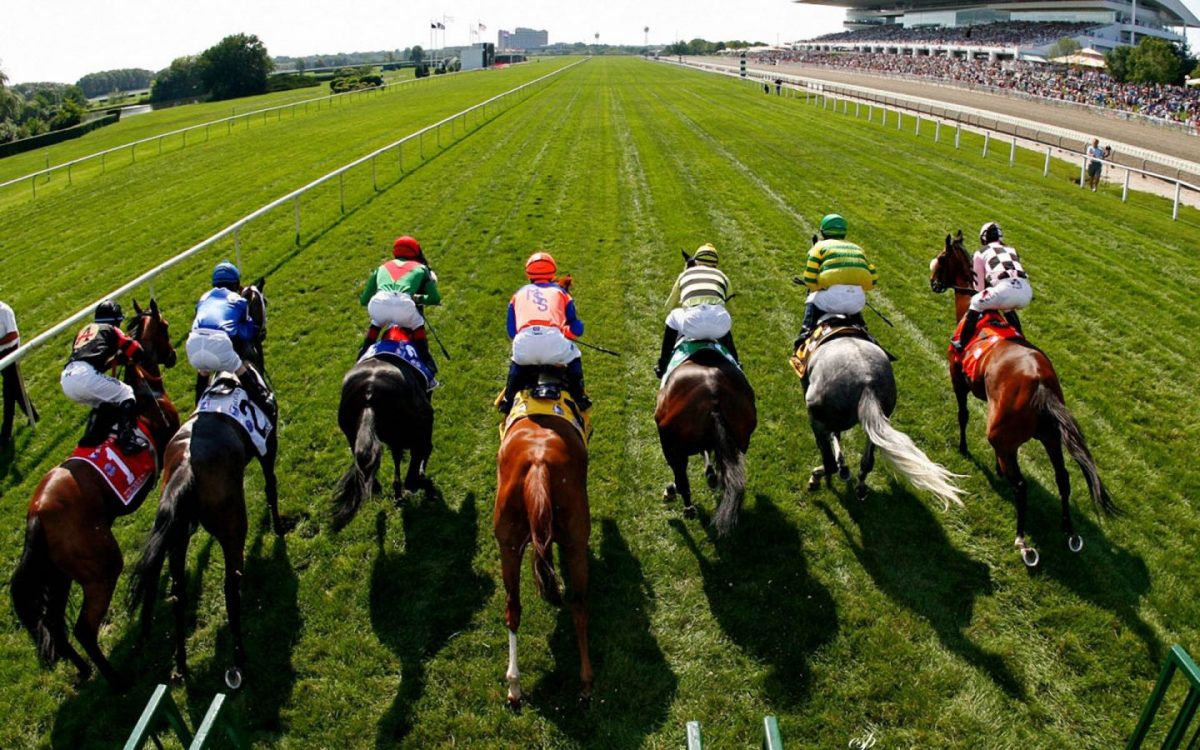
When the horses load into the starting gate, the energy around the track shifts noticeably. The gate crew works quickly to get each horse settled, and once the last one is in, the bell rings and the gates fly open. What follows usually lasts less than two minutes for a standard sprint, which is part of what makes racing so intense to watch live.
The early part of the race is about positioning. Horses and jockeys jockey for spots near the rail and away from trouble in the pack, and the pace set by the leaders in the first quarter-mile shapes how the rest of the race plays out. A fast early pace tends to tire the frontrunners and set things up for closers coming from behind. A slow pace favours horses who can sit close to the leaders and kick clear at the end.
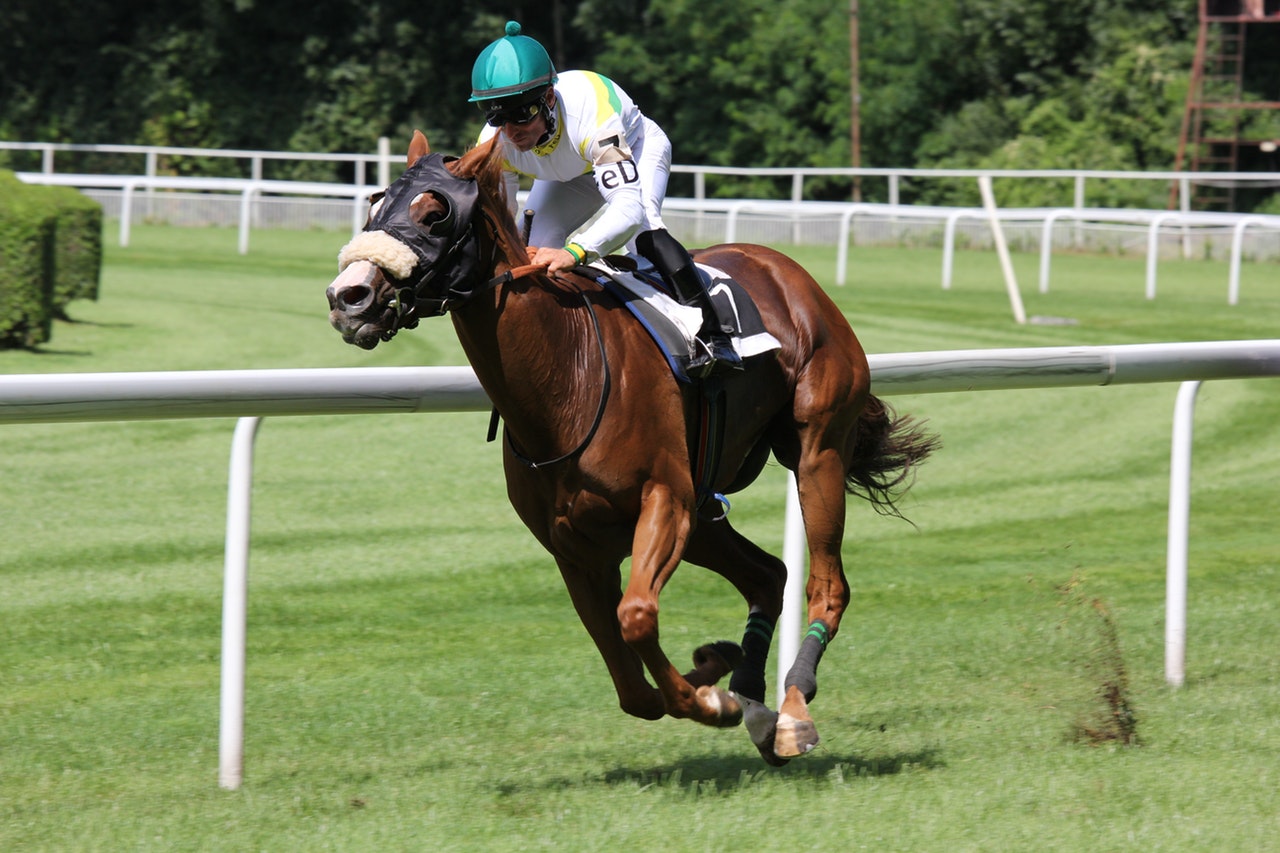
The stretch run is the final straight section leading to the finish line, and it’s where races are won and lost. You’ll see jockeys asking their horses for more as they turn for home, and the crowd tends to get loud at exactly this point. Photo finishes are more common than you’d expect, and the result doesn’t always get posted immediately. Watching the tote board for the “official” sign tells you when the result is confirmed.
Payouts get posted shortly after the official result goes up. Your ticket shows the race number, your horse’s number, and the bet type, and you match that against the results board before heading to a cashier window to collect. Most tracks also have self-service machines for this. Keep an eye on the time between races, too, since there’s usually around twenty to thirty minutes of breathing room to review the next program page before things start again.
In Conclusion
Your first day at the races will throw a lot at you, and that’s completely fine. The crowds, the programs, the betting windows, and the pace of it all are a lot to absorb at once, and most of what you learn sticks through experience rather than preparation.
Go in with a loose plan, give yourself time to walk the venue, and don’t feel pressured to bet every race. The atmosphere alone is worth the trip, and the more races you watch, the more the whole thing starts to make sense on its own.