


CUPERTINO, USA — Apple reported sharply higher earnings on Thursday, January 29, 2026, powered by strong demand for the iPhone 17, as the company seeks to maintain momentum while rivals intensify competition in artificial intelligence.
The company said quarterly revenue rose to $143.8 billion, up from $124.3 billion a year earlier, exceeding analysts’ expectations. Sales of the iPhone reached $85.3 billion, compared with forecasts of $78.2 billion.
The results reflect the first full quarter of sales for the iPhone 17, which was released in September, and underscore the device’s central role in Apple’s financial performance.
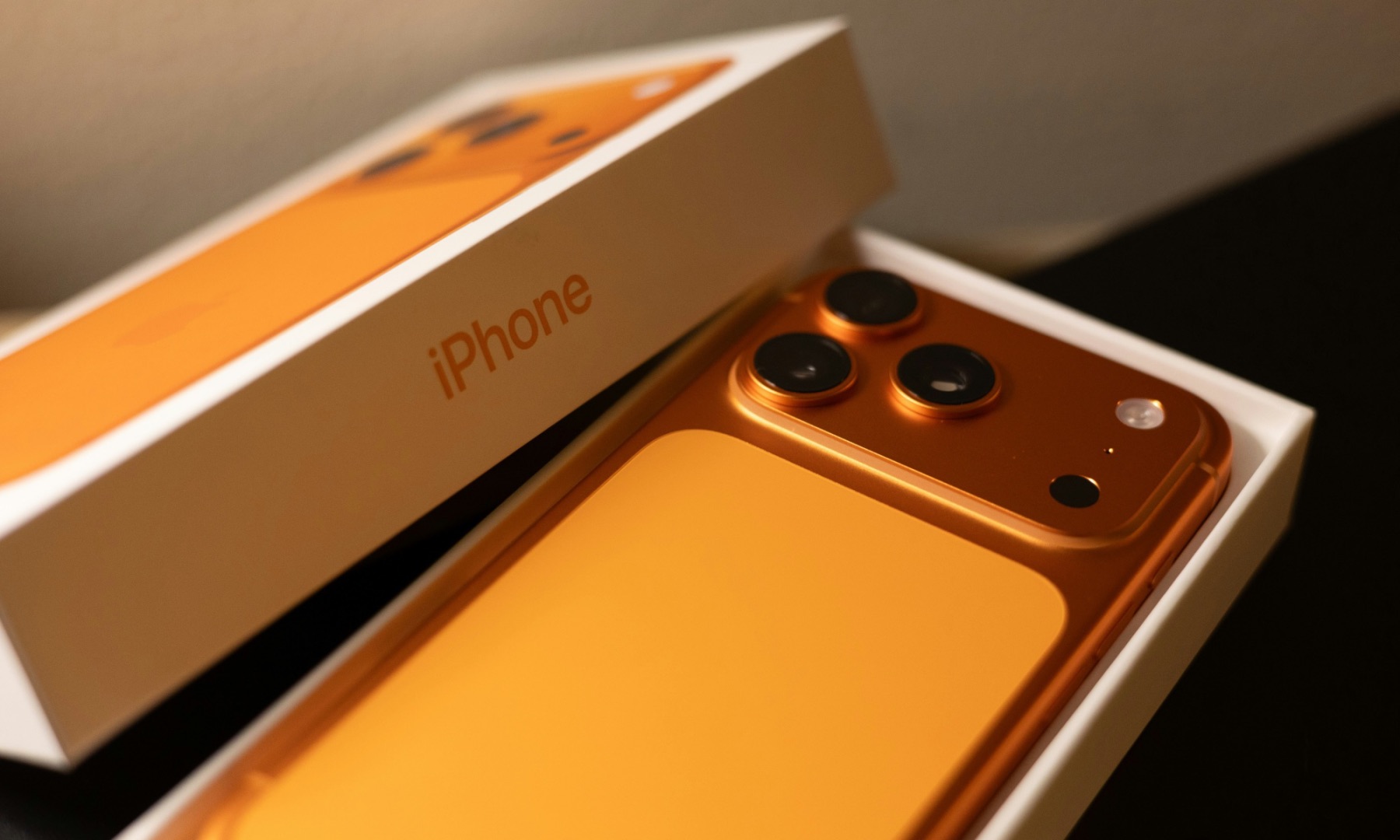
iPhone Sales and Market Growth
Chief Executive Tim Cook told analysts that the company recorded record levels of iPhone upgrades and double-digit growth among users switching from Android devices.
“The demand for iPhone was simply staggering,” Mr. Cook said.
Apple also reported that 2.5 billion of its devices are now in use worldwide.
Revenue in China, a market where the company has faced increasing competition in recent years, rose to $25.5 billion from $18.5 billion in the same quarter last year.
A.I. Strategy and Partnership With Google
The strong iPhone performance comes as Apple faces questions about its position in artificial intelligence. The company has been widely viewed as lagging behind rivals in deploying consumer-facing A.I. tools.
Last year, Apple delayed the release of a revamped version of its digital assistant, Siri. Mr. Cook said during the earnings call that the updated service would be introduced this year.
Apple has also announced a partnership with Google under which the search company’s A.I. and cloud technology will support Apple’s A.I. models, including Siri.
When asked about monetising artificial intelligence, Mr. Cook said that A.I. “opens up a range of opportunities” across the company’s products and services.
He added that Apple was “very happy” with its arrangement with Google and described the partnership as a “collaboration,” without providing further details.
Supply Constraints and Industry Challenges
Despite the strong quarter, Apple warned of potential constraints linked to a global shortage of memory chips, as manufacturers prioritise data-centre equipment over consumer electronics.
Mr. Cook said the company was currently “constrained” and that it was “difficult to predict when supply and demand will balance.”
He said the shortage had a “minimal impact” on the December quarter but could have a greater effect in the current period.
The results follow a difficult year for Apple in 2025, marked by the impact of tariffs and delays to major software projects.
Product Performance and Outlook
While the iPhone 17 range has performed well overall, demand for the iPhone Air has been weaker, according to Consumer Intelligence Research Partners.
Industry analysts have said that Apple is likely to face continued pressure to demonstrate how artificial intelligence will be integrated into future devices and services.
Mr. Cook said the company remained focused on long-term opportunities.
“AI opens up a range of opportunities,” he said, adding that Apple would continue to invest across its product lines.
As competitors accelerate their A.I. strategies, Apple’s latest results suggest that, for now, the iPhone remains its primary engine of growth.