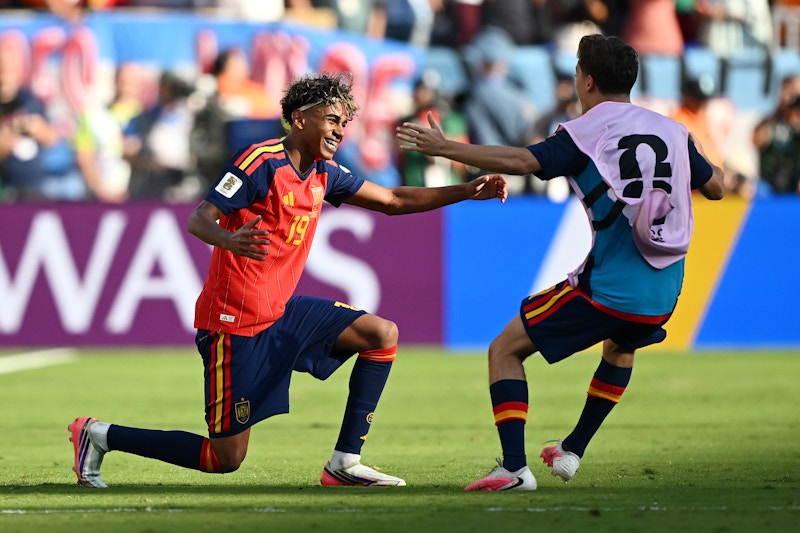
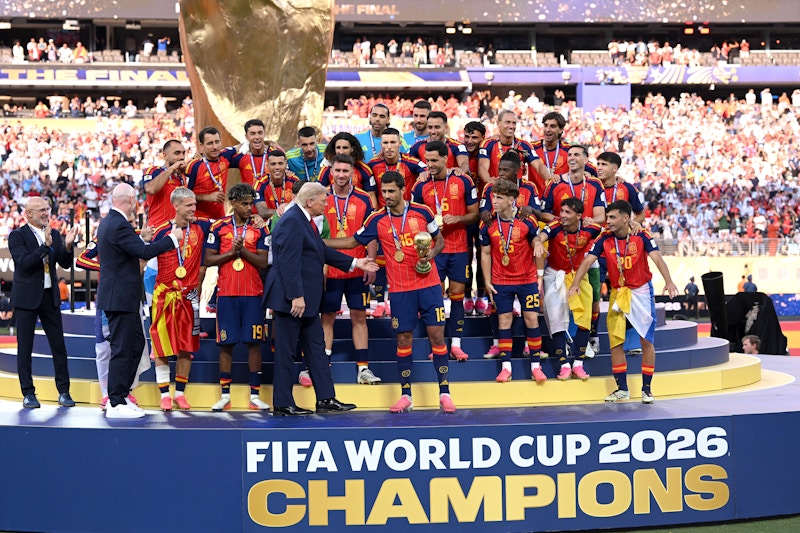
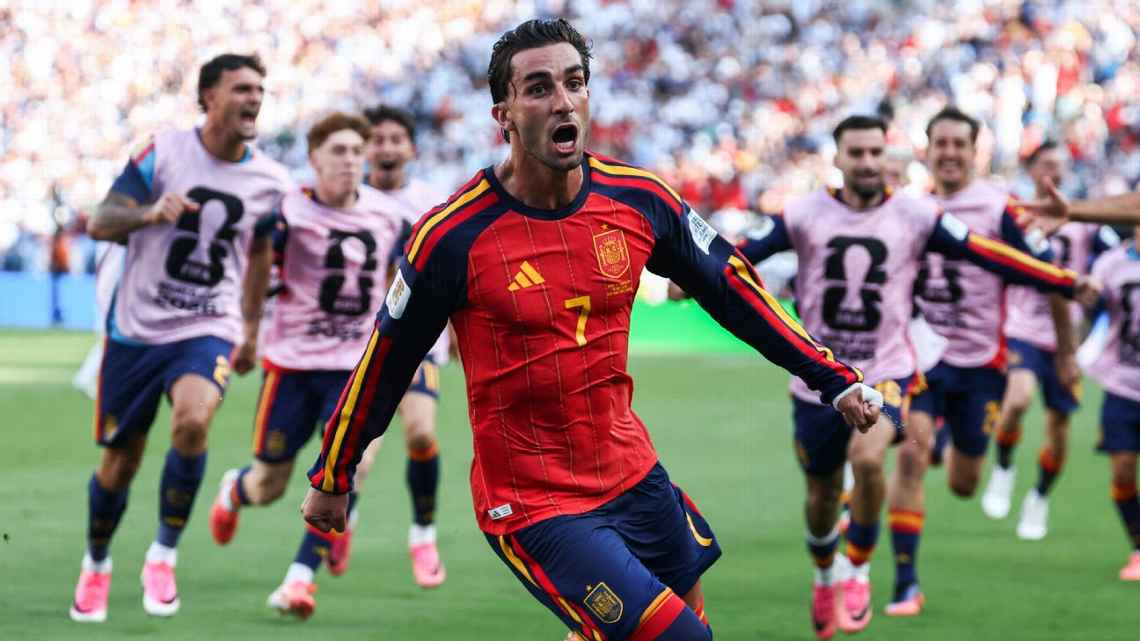
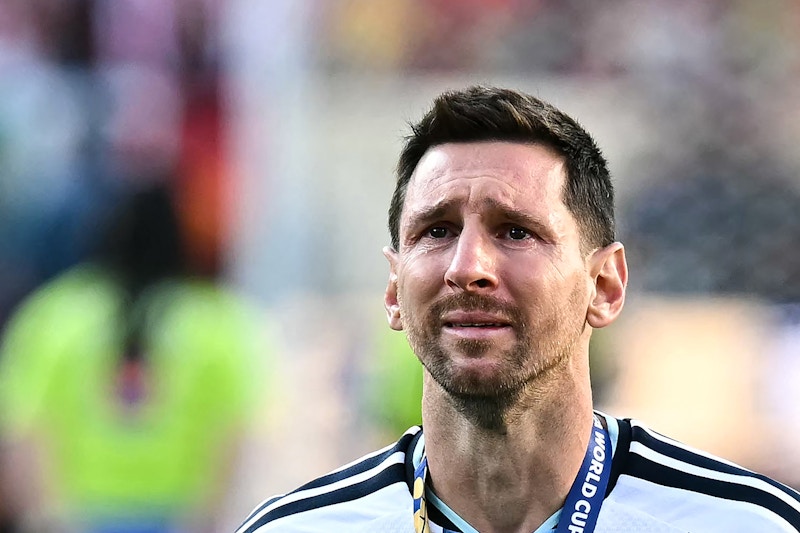
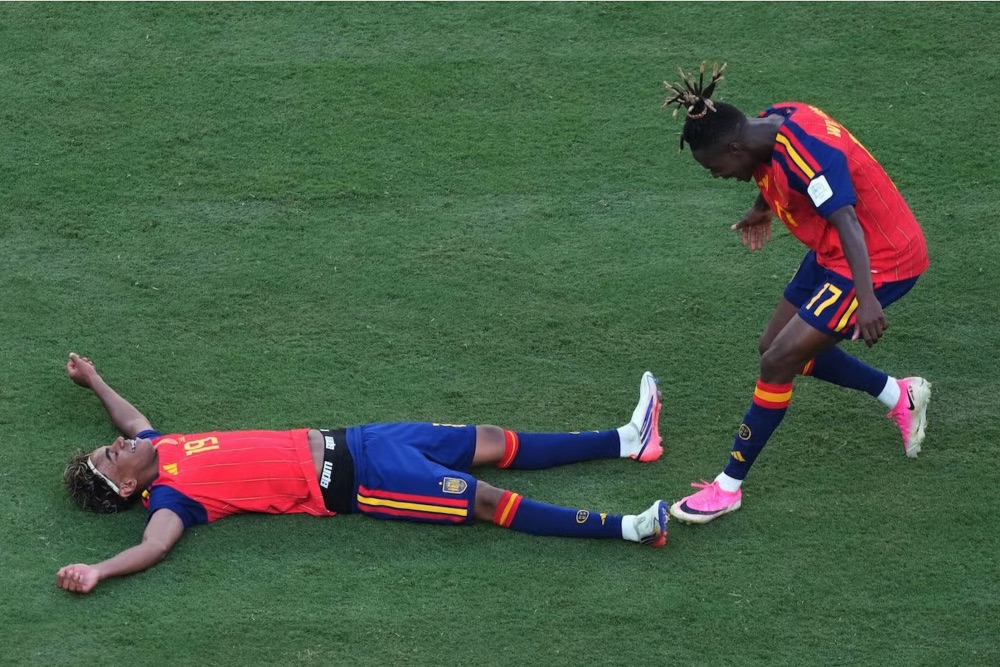
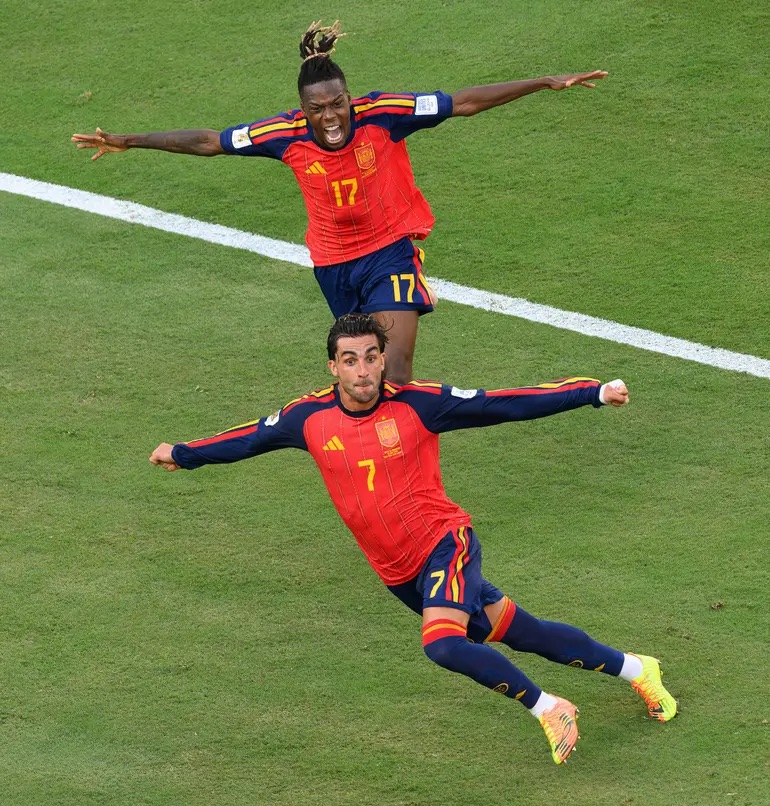
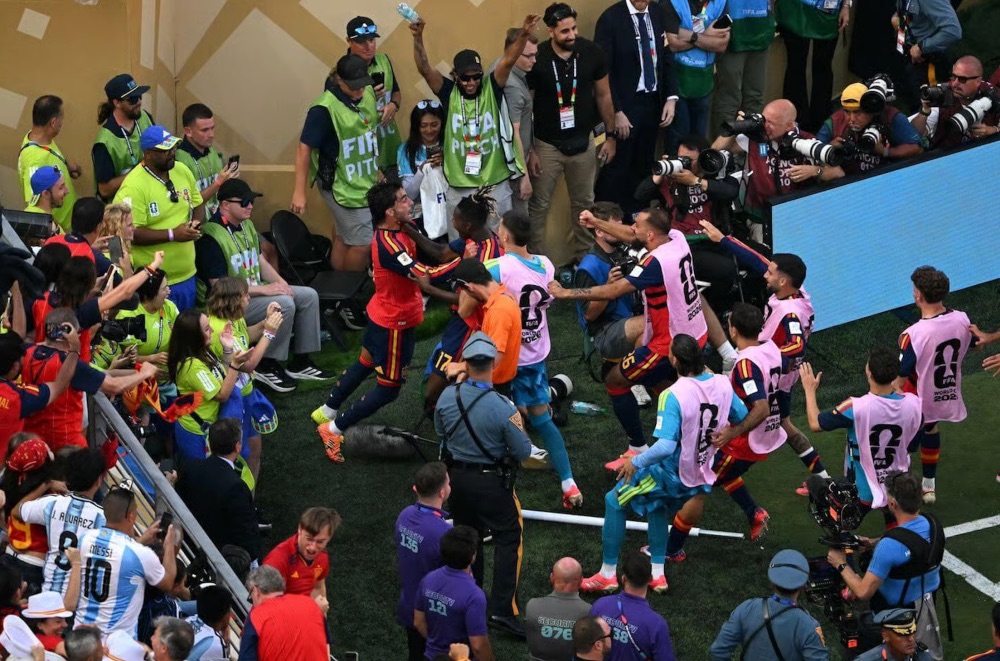
Lamine Yamal of Spain celebrates with Nico Williams after Spain defeated Argentina 1-0 in the FIFA World Cup final at MetLife Stadium in East Rutherford, New Jersey, on July 19, 2026. | Maddie Meyer - FIFA/FIFA via Getty Images
EAST RUTHERFORD, United States — Spain defeated Argentina 1-0 after extra time on Sunday to win the 2026 FIFA World Cup.
Ferran Torres scored the only goal in the 106th minute, ending Argentina’s attempt to retain the trophy and securing Spain’s second world title.
Spain previously won the tournament in 2010.
The final, played on Sunday, July 19, 2026, remained goalless through regulation despite Spain controlling possession and creating nearly all of the attacking opportunities.
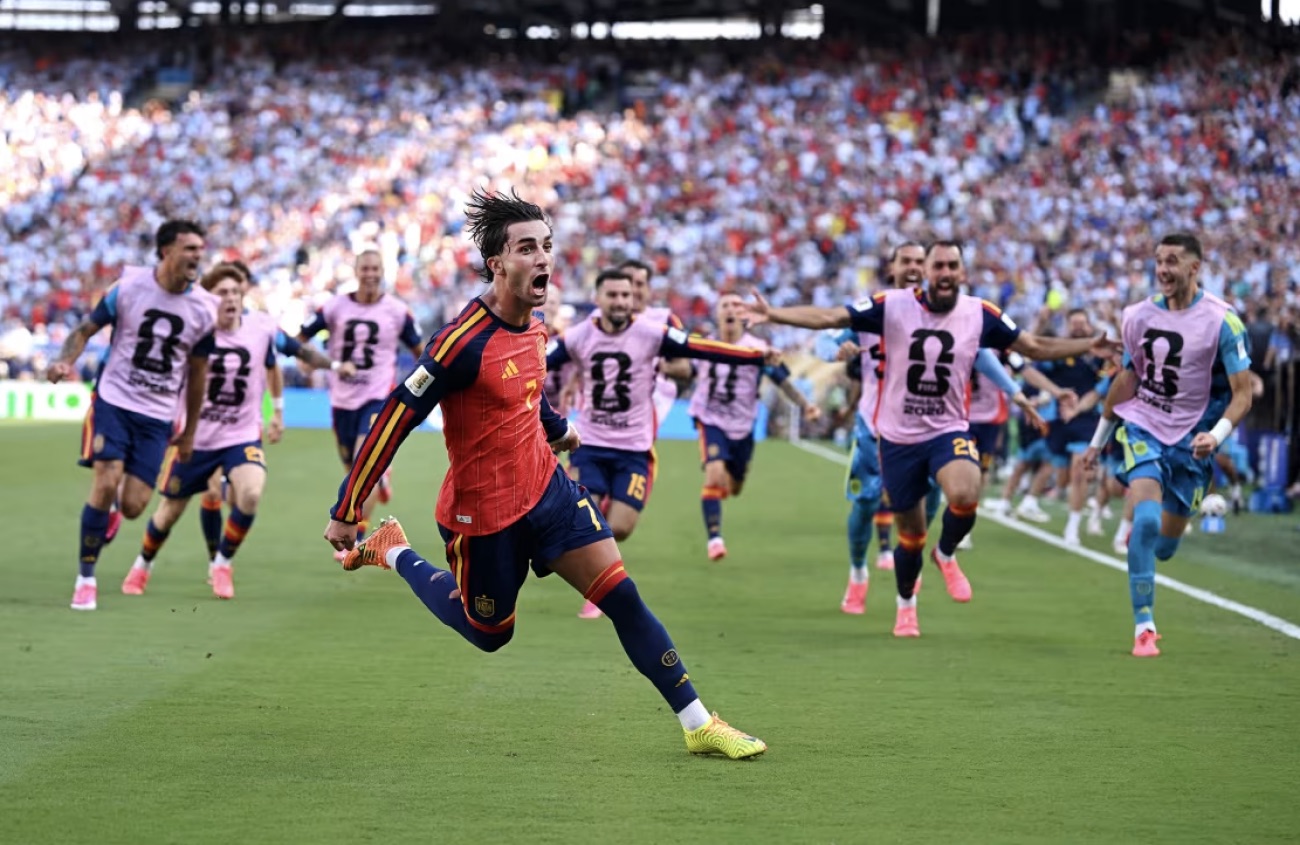
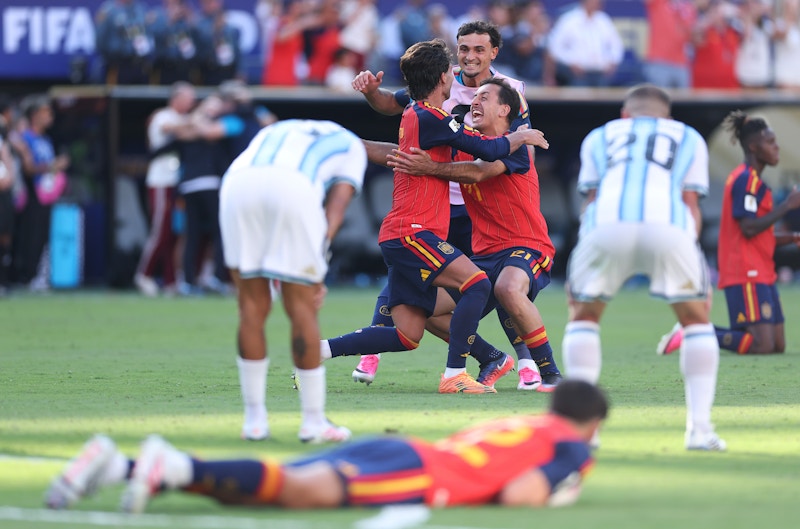
Ferran Torres of Spain celebrates after scoring the first goal of the game against Argentina at New York New Jersey Stadium on Sunday, July 19, 2026. | David Ramos/Getty ImagesMikel Oyarzabal of Spain celebrates with teammates after Spain defeated Argentina 1-0 in the FIFA World Cup final at MetLife Stadium in East Rutherford, New Jersey, on July 19, 2026. | Dan Mullan/Getty Images
Torres Breaks the Deadlock
Spain entered the second period of extra time with a numerical advantage after Argentina midfielder Enzo Fernández was dismissed for receiving a second yellow card.
The breakthrough followed soon afterwards.
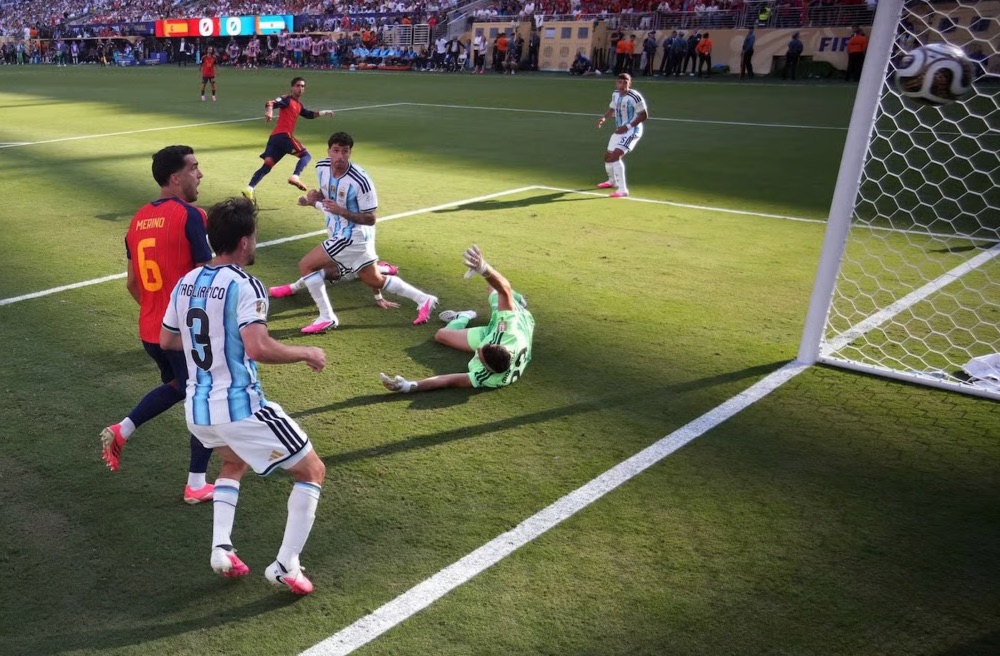
Torres scored in the 106th minute to give Spain the lead it had threatened to take throughout the match.
Argentina could not produce an equaliser during the remaining minutes as Spain protected its advantage and completed an unbeaten tournament.
The victory denied Argentina the chance to become the first country since Brazil to win consecutive men’s World Cups.
Brazil retained the title in 1962 after winning the competition in 1958.
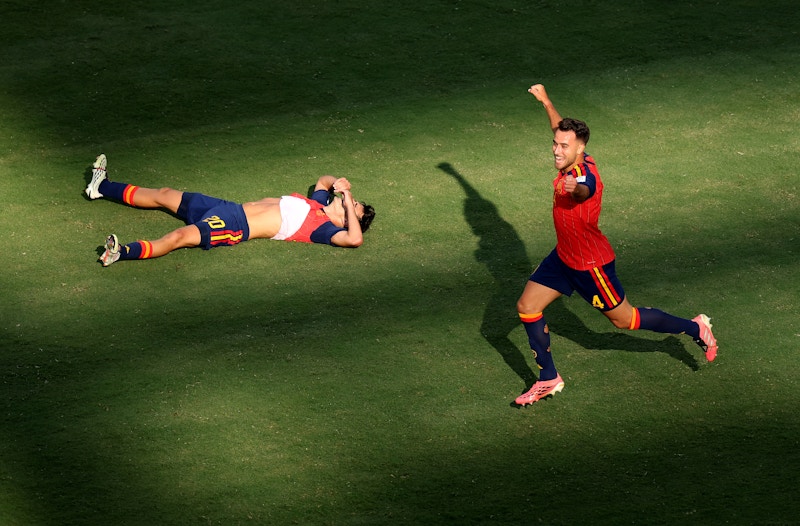
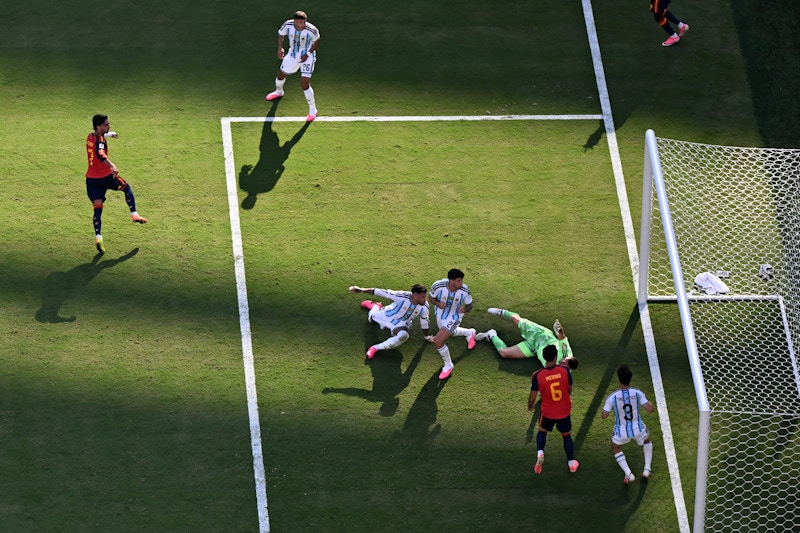
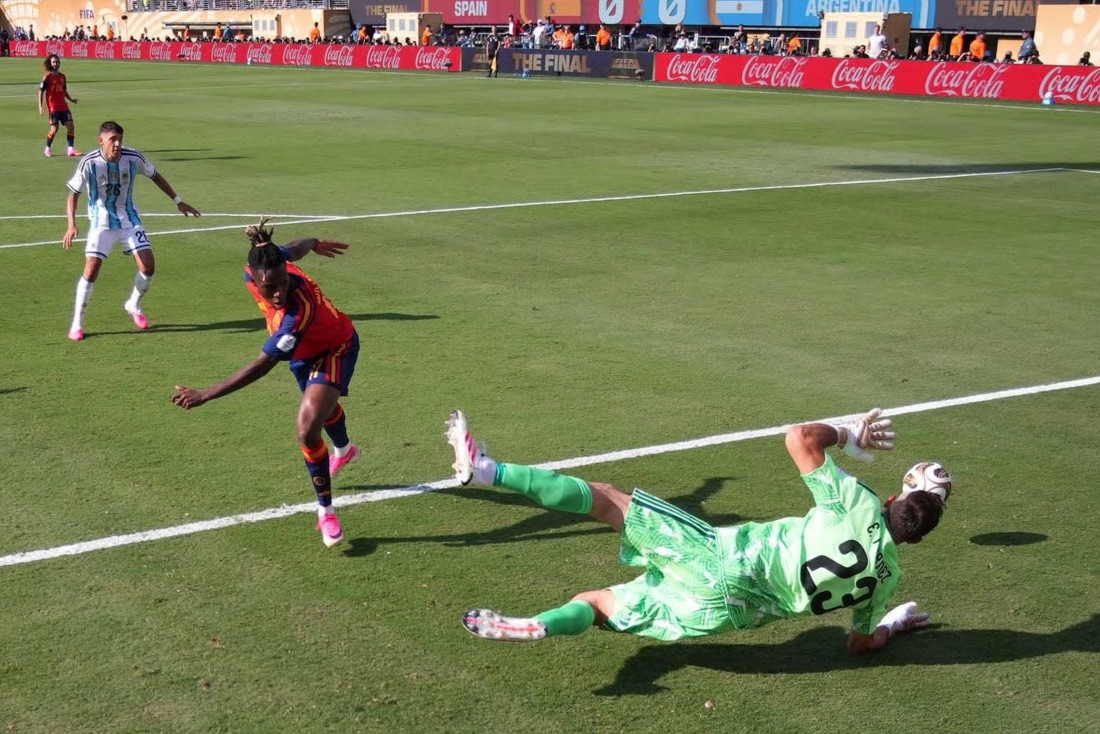
Eric Garcia of Spain celebrates after Spain defeated Argentina 1-0 in the FIFA World Cup final at MetLife Stadium in East Rutherford, New Jersey, on July 19, 2026. | Elsa/Getty ImagesThe ball rolls into the net as Spain score against Argentina during the FIFA World Cup final at MetLife Stadium in East Rutherford, New Jersey, on July 19, 2026. | Getty Images
Spain Controls the Final
Spain finished with 65 per cent possession and attempted 20 shots. Argentina managed two attempts and failed to register a shot on target.
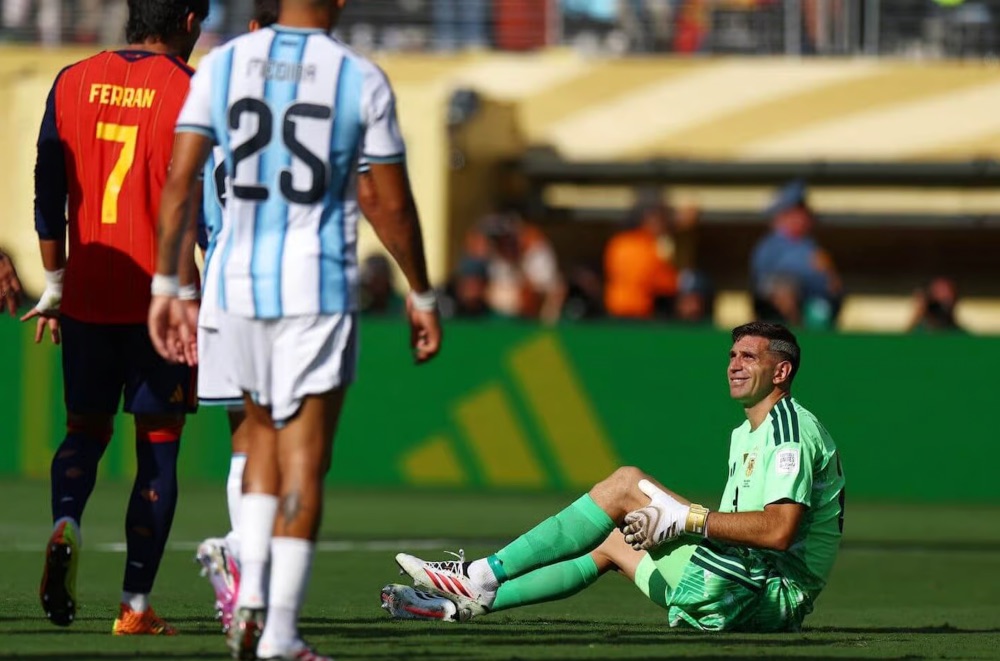
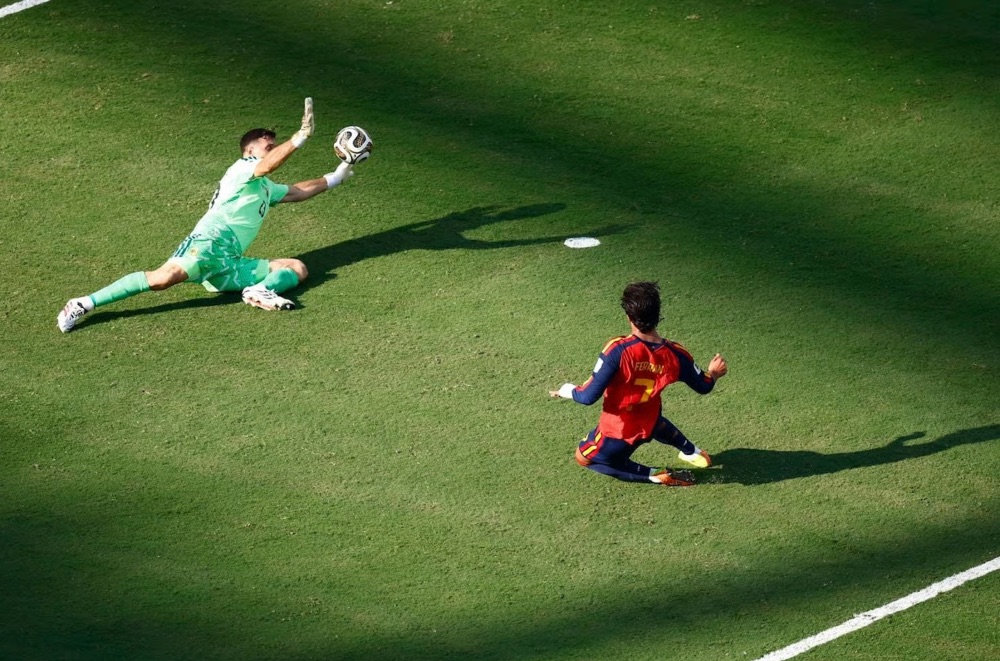
Argentina goalkeeper Emiliano Martínez prevented Spain from taking the lead earlier, making 11 saves. The total established a record for a World Cup final.
Spain’s pressure continued after Fernández’s dismissal, with Argentina forced to defend the closing stages of regulation and extra time with 10 players.
Martínez kept the match scoreless until Torres finally found a way through during the second half of extra time.
Spain’s defensive performance completed a tournament in which the team conceded only one goal.
Argentina, the 2022 champions, could not create the opportunity required to extend the match to a penalty shootout.
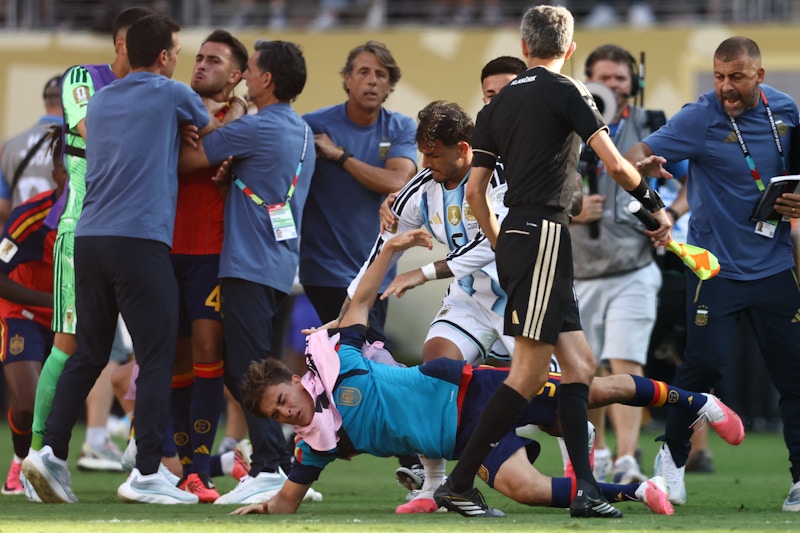
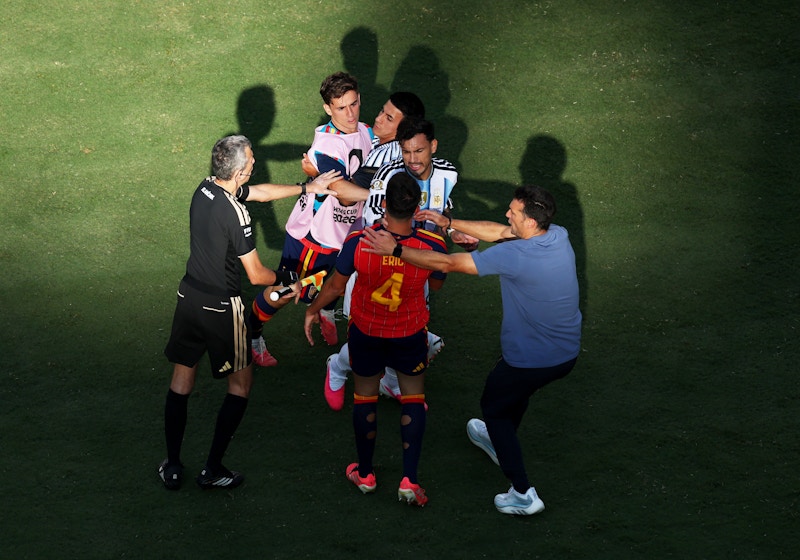
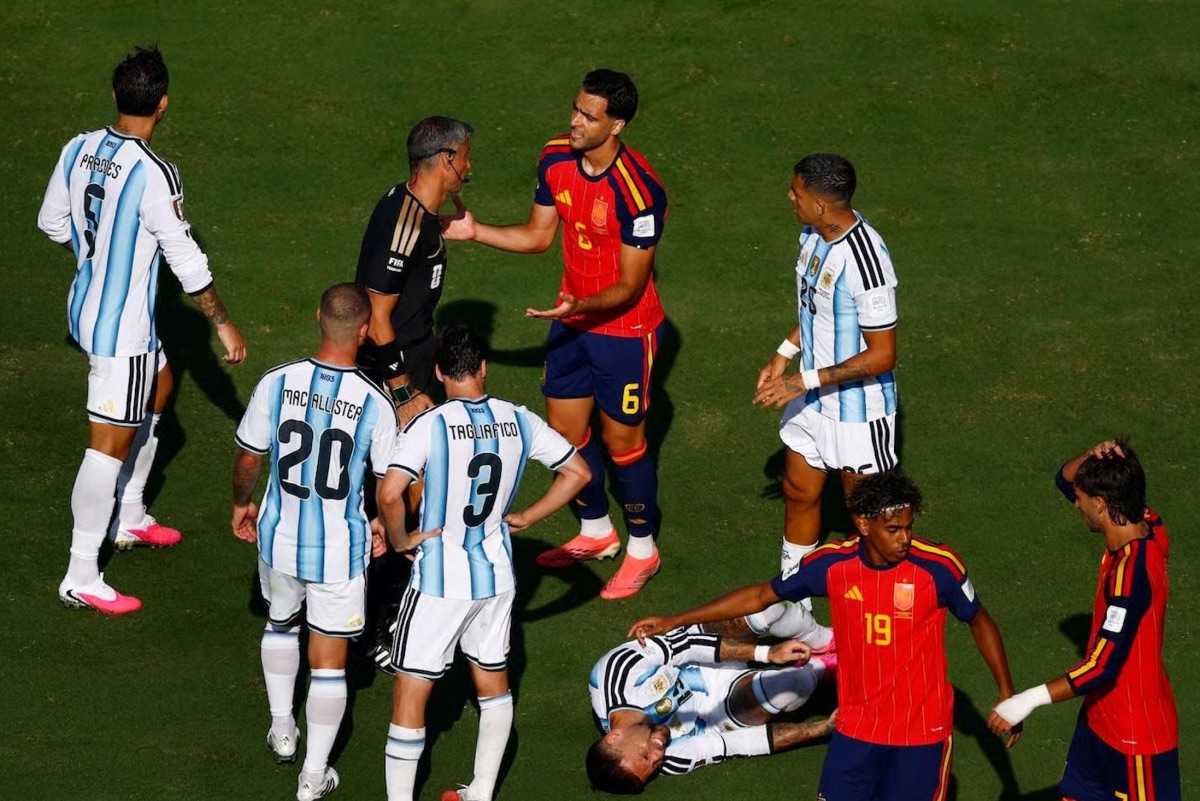
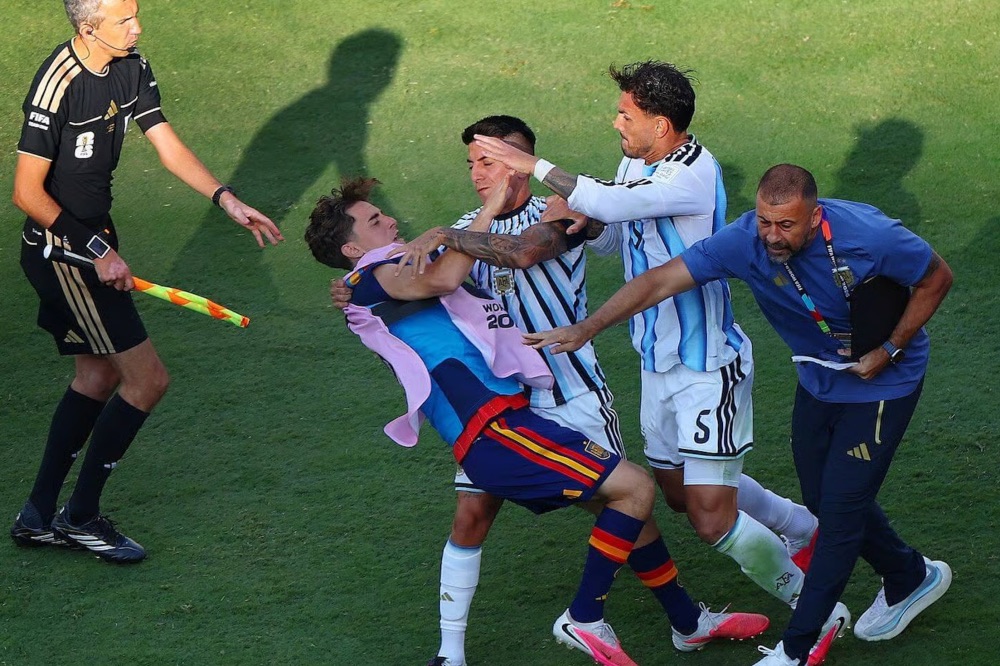
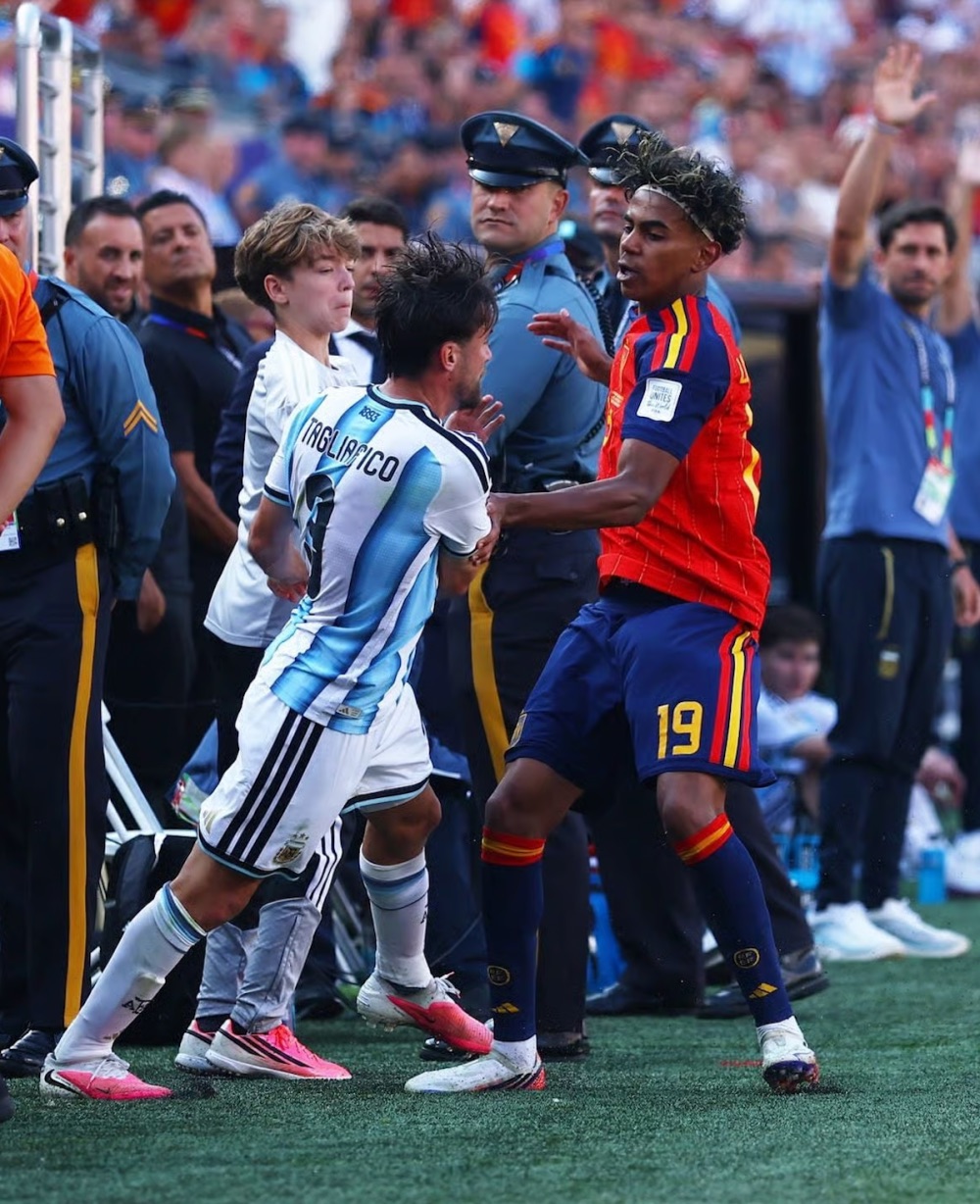
Players and officials from Spain and Argentina clash during the FIFA World Cup final at MetLife Stadium in East Rutherford, New Jersey, on July 19, 2026. | Charly Triballeau/AFP via Getty ImagesPlayers and officials from Spain and Argentina are separated during a scuffle in the FIFA World Cup final at MetLife Stadium in East Rutherford, New Jersey, on July 19, 2026. | Al Bello/Getty Images
Spain Claims Its Second Championship
The triumph gave Spain its first World Cup title in 16 years and made the country a two-time champion.
Argentina had been seeking a fourth title and the first successful defence of the trophy by any nation in more than six decades.
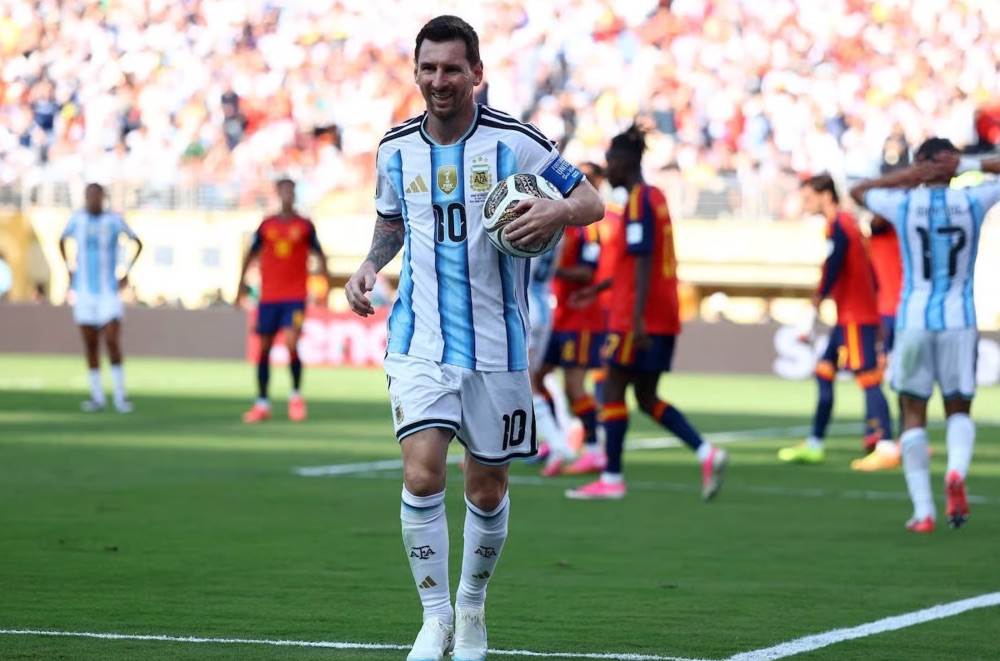
The defeat also brought Lionel Messi’s fifth World Cup campaign to an end.
Messi had said the 2026 tournament would be his final appearance at the competition.
Spain will enter the 2030 World Cup with an opportunity to become the first team since Brazil to win the tournament twice in succession.
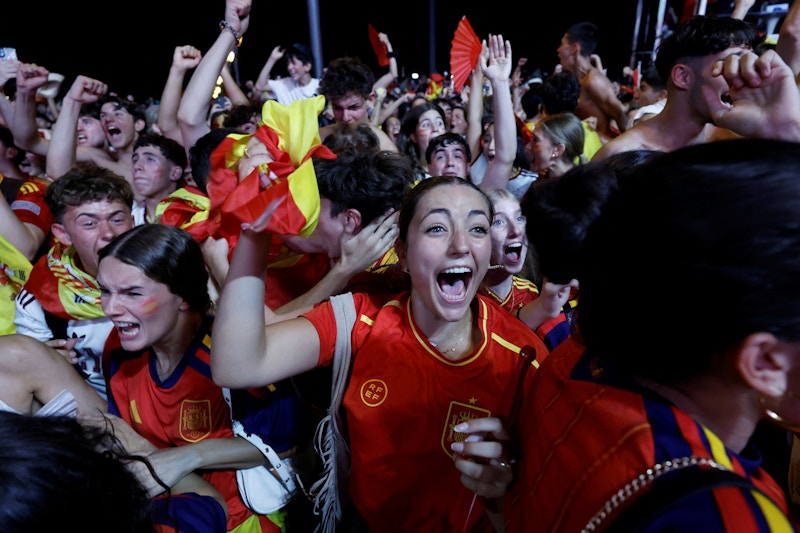
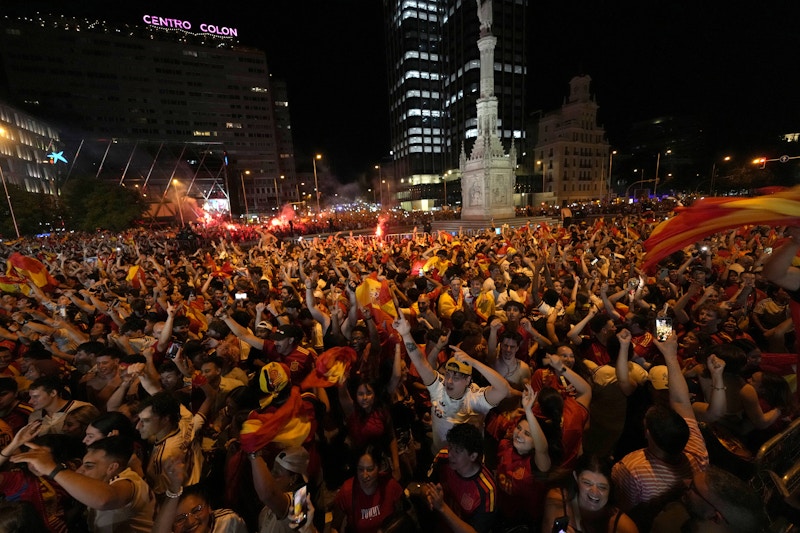
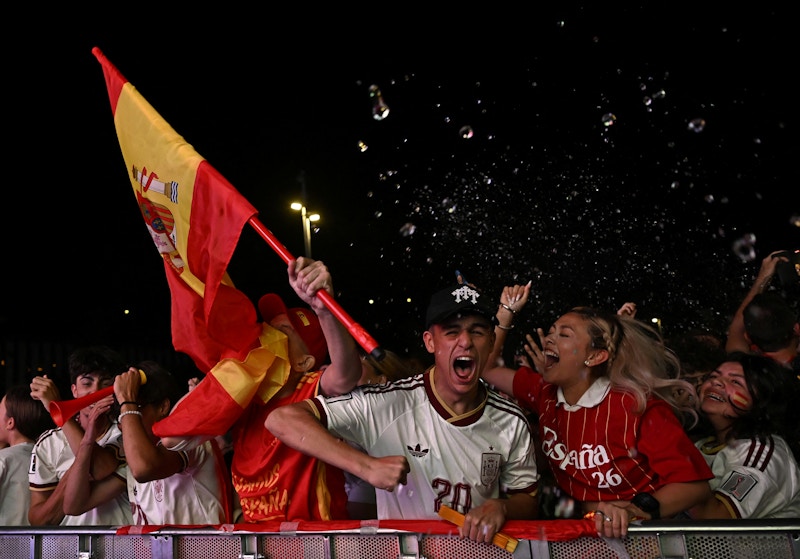
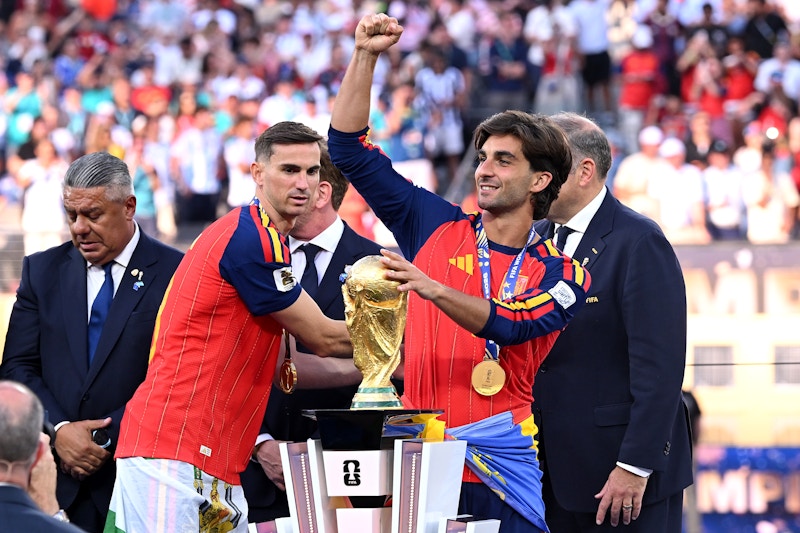
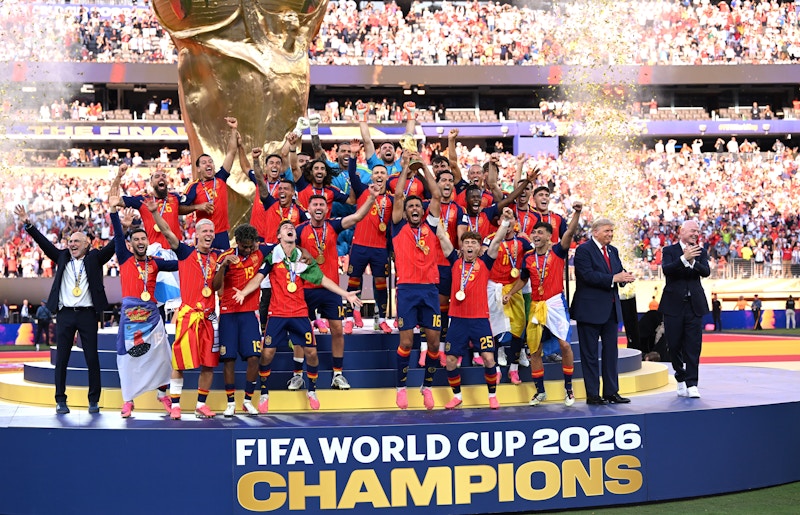
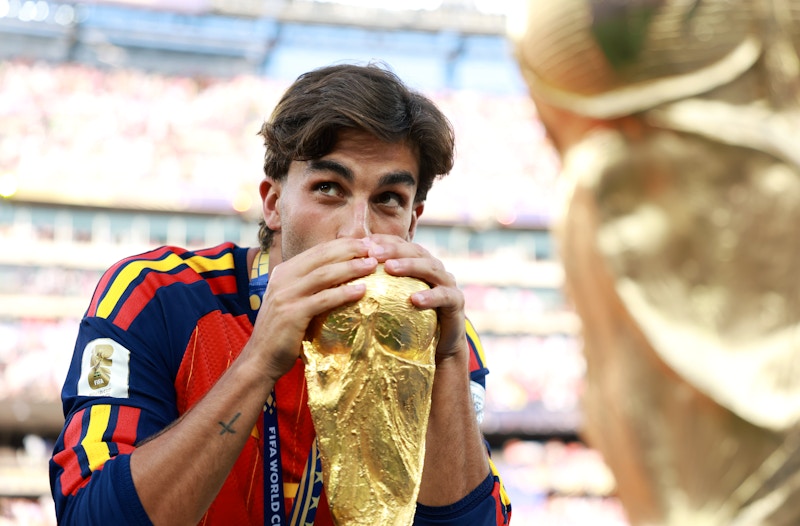
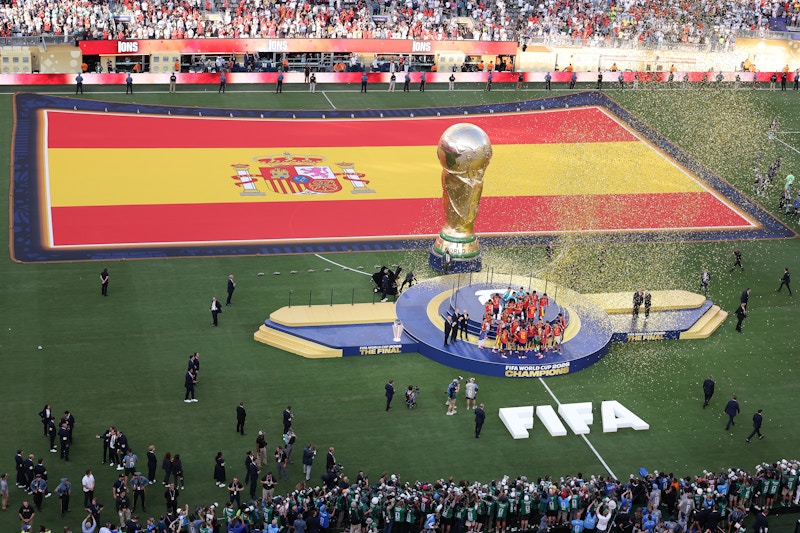
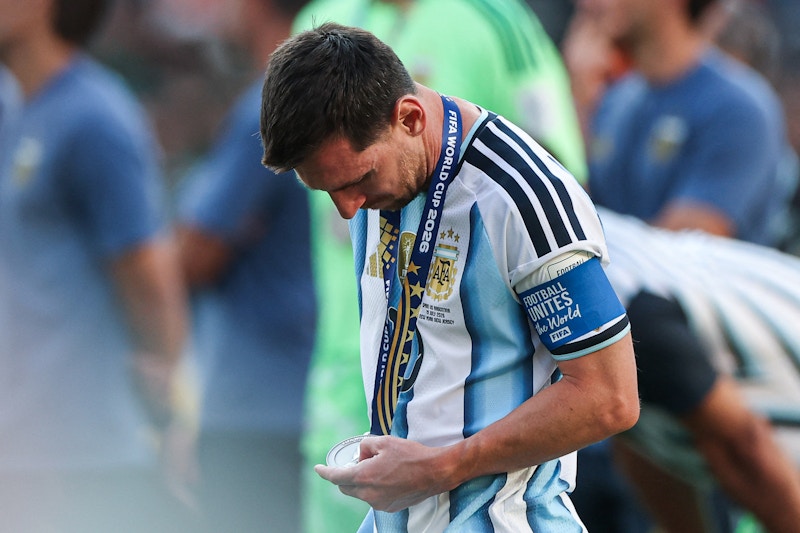
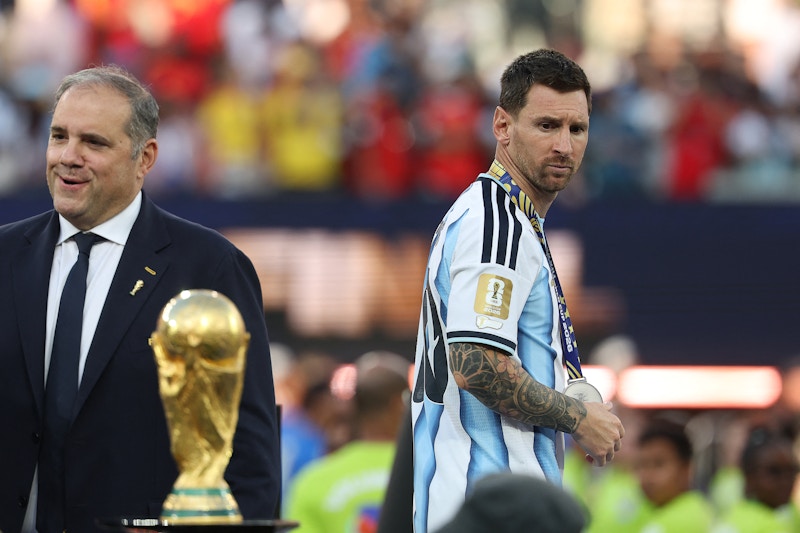
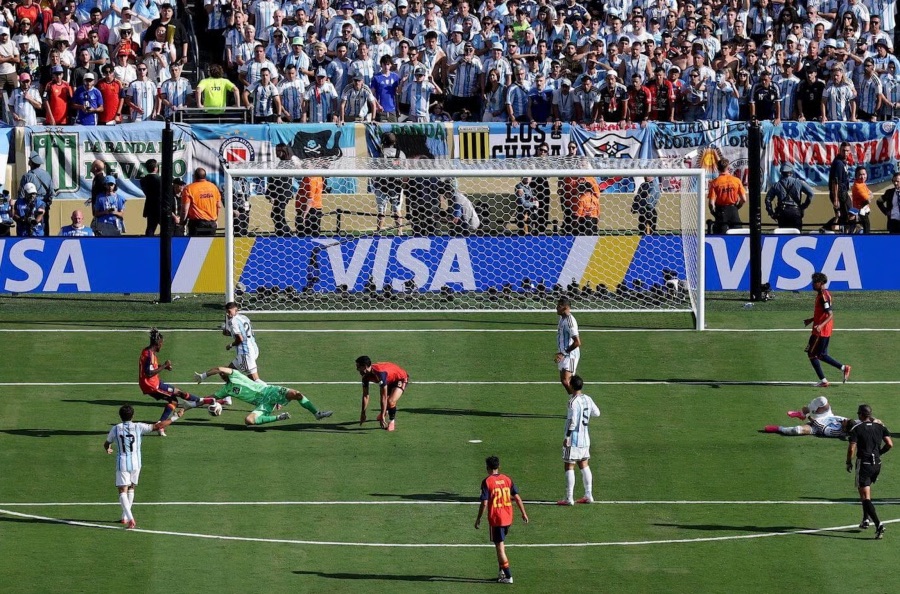
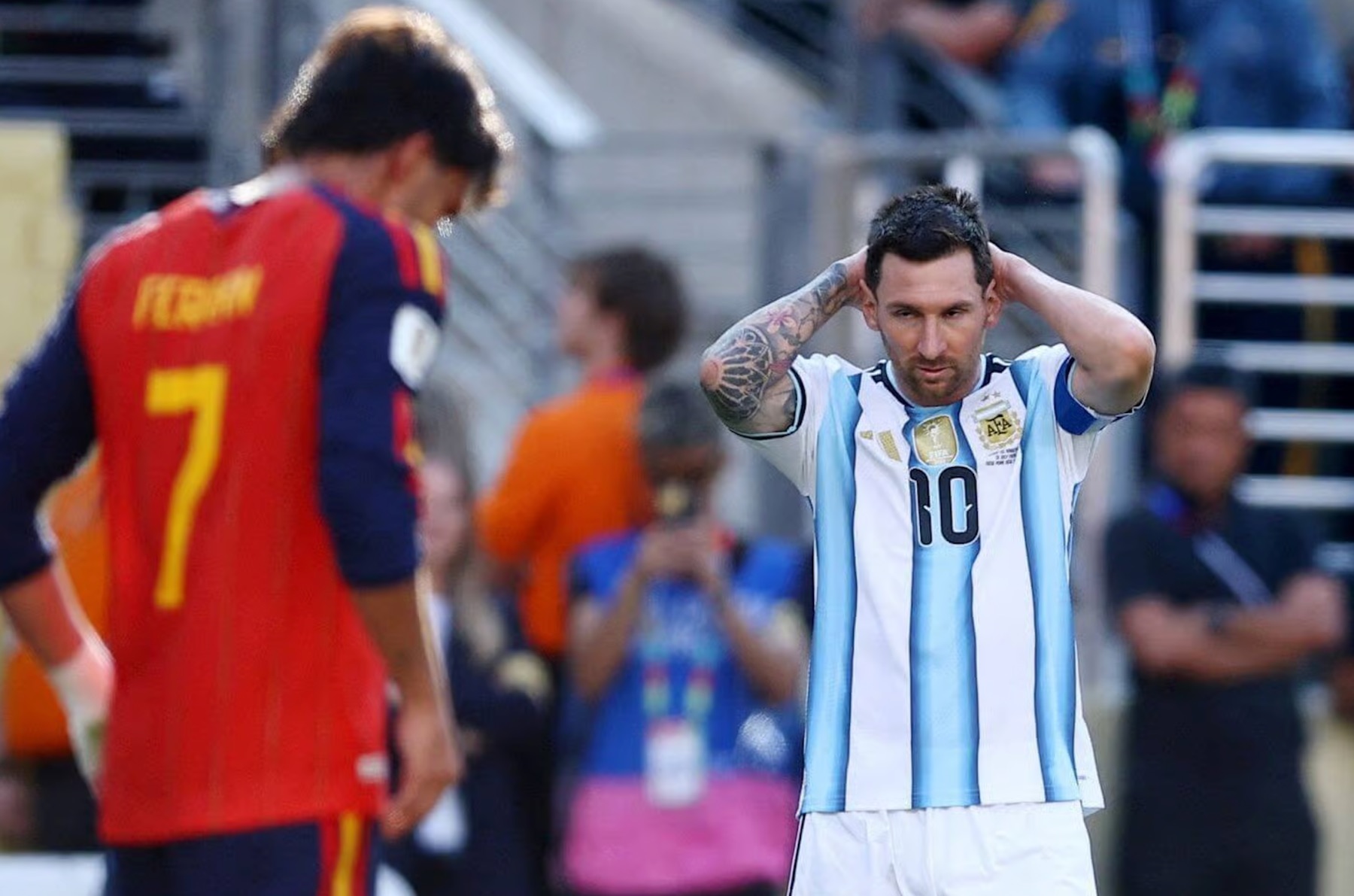
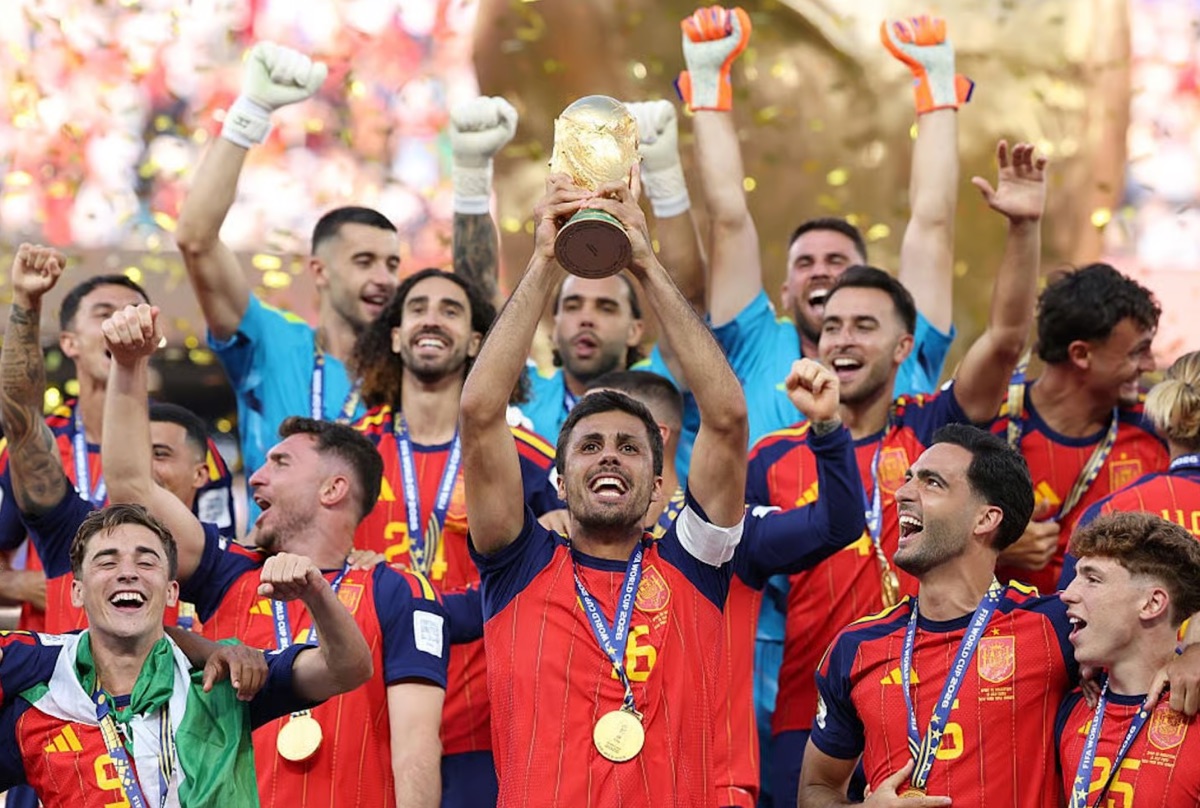
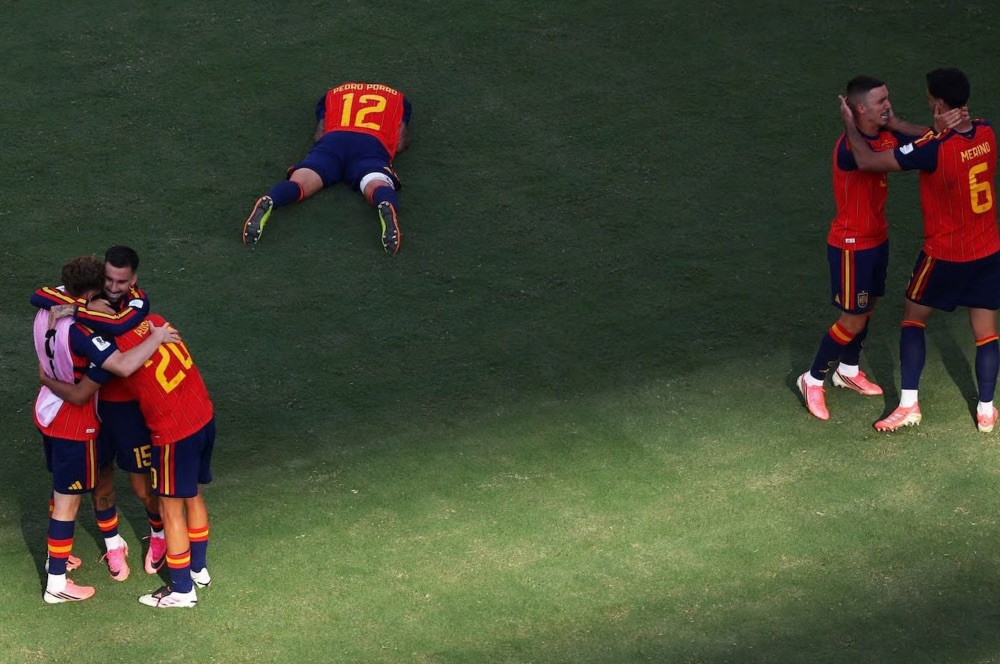
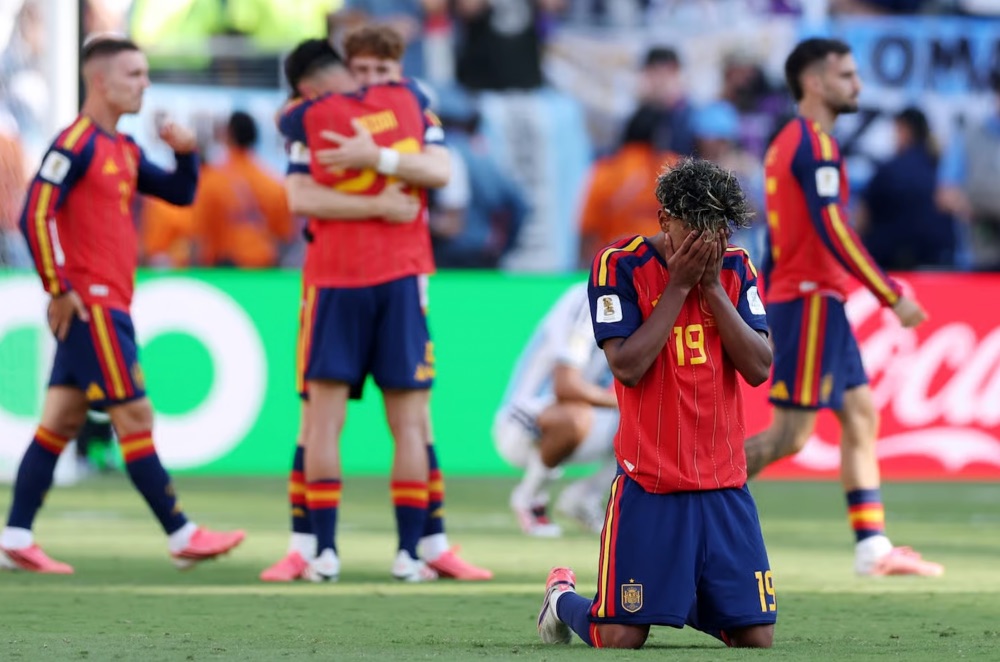
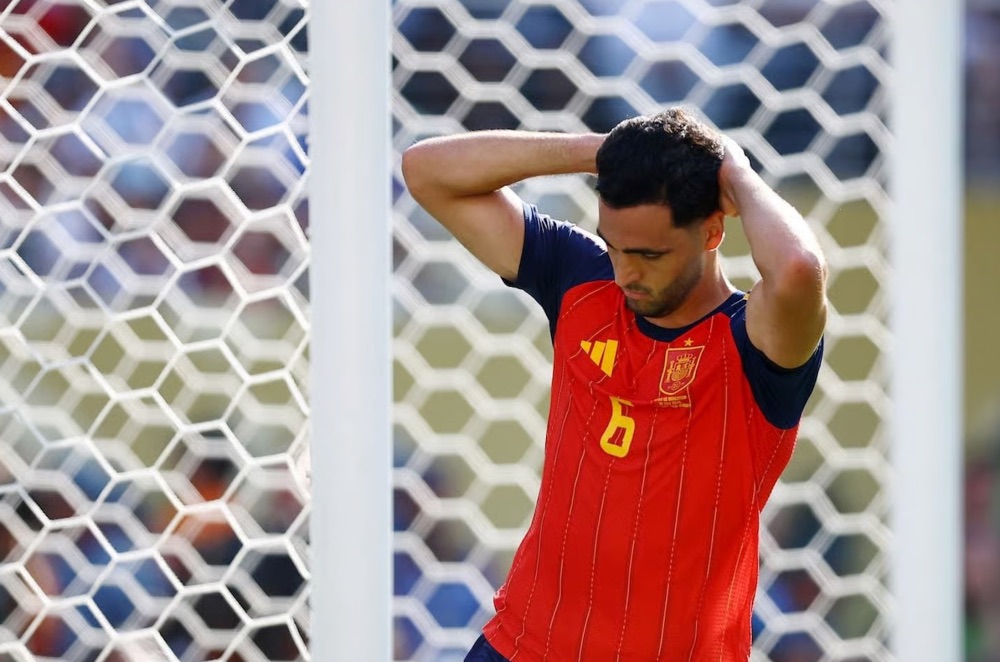
Spain supporters celebrate while watching the FIFA World Cup final between Spain and Argentina on July 19, 2026. | Getty ImagesLionel Messi of Argentina shakes hands with U.S. President Donald Trump after receiving his runner-up medal following the FIFA World Cup final at MetLife Stadium in East Rutherford, New Jersey, on July 19, 2026. | Justin Setterfield/Getty ImagesSpanish fans celebrate in Madrid after Spain defeated Argentina 1-0 in the FIFA World Cup final on July 19, 2026. | Getty ImagesSpanish fans celebrate Spain’s FIFA World Cup final victory over Argentina in Madrid, Spain, on July 19, 2026. | Getty ImagesLamine Yamal of Spain, the 19-year-old record-setting forward, holds the FIFA World Cup trophy after Spain defeated Argentina in the final at MetLife Stadium in East Rutherford, New Jersey, on July 19, 2026. | Alex Pantling – FIFA/FIFA via Getty ImagesSpain players celebrate with the FIFA World Cup trophy after defeating Argentina in the final at MetLife Stadium in East Rutherford, New Jersey, on July 19, 2026. | David Ramos/Getty ImagesSpain players celebrate after winning the FIFA World Cup final against Argentina at MetLife Stadium in East Rutherford, New Jersey, on July 19, 2026. | David Ramos/Getty ImagesSpain players celebrate on the podium after winning the FIFA World Cup final against Argentina at MetLife Stadium in East Rutherford, New Jersey, on July 19, 2026. | David Ramos/Getty ImagesFerran Torres of Spain celebrates with teammates after scoring the winning goal against Argentina during the FIFA World Cup final at MetLife Stadium in East Rutherford, New Jersey, on July 19, 2026. | Franck Fife/AFP via Getty ImagesA Spain player kisses the FIFA World Cup trophy after Spain defeated Argentina in the final at MetLife Stadium in East Rutherford, New Jersey, on July 19, 2026. | Michael Regan – FIFA/FIFA via Getty ImagesSpain players celebrate on the podium after winning the FIFA World Cup final against Argentina at MetLife Stadium in East Rutherford, New Jersey, on July 19, 2026. | Kevin C. Cox/Getty ImagesArgentina’s captain reacts after the FIFA World Cup final against Spain at MetLife Stadium in East Rutherford, New Jersey, on July 19, 2026. | Paul Ellis/AFP via Getty ImagesArgentina’s captain looks down at his runner-up medal after the FIFA World Cup final against Spain at MetLife Stadium in East Rutherford, New Jersey, on July 19, 2026. | Patricia de Melo Moreira/AFP via Getty ImagesArgentina’s captain walks past the FIFA World Cup trophy after the final against Spain at MetLife Stadium in East Rutherford, New Jersey, on July 19, 2026. | Odd Andersen/AFP via Getty ImagesArgentina goalkeeper Emiliano Martinez fails to save a shot by Spain’s Ferran Torres, who scored the opening goal during the FIFA World Cup final at MetLife Stadium in East Rutherford, New Jersey, on July 19, 2026. | Matt Slocum/APLionel Messi of Argentina reacts after losing to Spain in the FIFA World Cup final at MetLife Stadium in East Rutherford, New Jersey, on July 19, 2026. | Pamela Smith/APReferee Slavko Vincic gestures as Argentina’s Leandro Paredes reacts and Spain’s Pedro Porro lies on the ground during the FIFA World Cup final at MetLife Stadium in East Rutherford, New Jersey, on July 19, 2026. | Matt Slocum/APArgentina goalkeeper Emiliano Martínez makes a save against Spain’s Nico Williams during the FIFA World Cup final at MetLife Stadium in East Rutherford, New Jersey, on July 19, 2026. | Julio Cortez/APRodri of Spain lifts the FIFA World Cup trophy as teammates celebrate after defeating Argentina in the final at MetLife Stadium in East Rutherford, New Jersey, on July 19, 2026. | Frank Franklin II/APLamine Yamal of Spain lies on the pitch as Nico Williams looks on during the FIFA World Cup final against Argentina at MetLife Stadium in East Rutherford, New Jersey, on July 19, 2026. | Frank Franklin II/APSpain players celebrate after Ferran Torres scored the winning goal against Argentina during the FIFA World Cup final at MetLife Stadium in East Rutherford, New Jersey, on July 19, 2026. | Matt Rourke/APSpain’s Gavi falls as he scuffles with Argentina’s Leandro Paredes and Thiago Almada after the FIFA World Cup final at MetLife Stadium in East Rutherford, New Jersey, on July 19, 2026. | Yuki Iwamura/APLamine Yamal of Spain celebrates after Spain defeated Argentina in the FIFA World Cup final at MetLife Stadium in East Rutherford, New Jersey, on July 19, 2026. | Abbie Parr/APArgentina goalkeeper Emiliano Martinez fails to save a shot by Spain’s Ferran Torres, who scored the opening goal during the FIFA World Cup final at MetLife Stadium in East Rutherford, New Jersey, on July 19, 2026. | Matt Slocum/APLionel Messi of Argentina reacts after losing to Spain in the FIFA World Cup final at MetLife Stadium in East Rutherford, New Jersey, on July 19, 2026. | Pamela Smith/APReferee Slavko Vincic gestures as Argentina’s Leandro Paredes reacts and Spain’s Pedro Porro lies on the ground during the FIFA World Cup final at MetLife Stadium in East Rutherford, New Jersey, on July 19, 2026. | Matt Slocum/APArgentina goalkeeper Emiliano Martínez makes a save against Spain’s Nico Williams during the FIFA World Cup final at MetLife Stadium in East Rutherford, New Jersey, on July 19, 2026. | Julio Cortez/APRodri of Spain lifts the FIFA World Cup trophy as teammates celebrate after defeating Argentina in the final at MetLife Stadium in East Rutherford, New Jersey, on July 19, 2026. | Frank Franklin II/APFerran Torres of Spain celebrates scoring the winning goal with Nico Williams during the FIFA World Cup final against Argentina at MetLife Stadium in East Rutherford, New Jersey, on July 19, 2026. | Franck Fife/AFP via Getty ImagesArgentina goalkeeper Emiliano Martínez reacts after Spain’s Ferran Torres scored the winning goal during the FIFA World Cup final at MetLife Stadium in East Rutherford, New Jersey, on July 19, 2026. | Abbie Parr/APMikel Merino of Spain reacts during the FIFA World Cup final against Argentina at MetLife Stadium in East Rutherford, New Jersey, on July 19, 2026. | Matt Slocum/APArgentina’s Nicolás Tagliafico falls to the ground in a clash with Spain’s Lamine Yamal during the FIFA World Cup final at MetLife Stadium in East Rutherford, New Jersey, on July 19, 2026. | Matt Rourke/APFerran Torres of Spain scores the winning goal past Argentina goalkeeper Emiliano Martínez during the FIFA World Cup final at MetLife Stadium in East Rutherford, New Jersey, on July 19, 2026. | Matt Slocum/APFerran Torres of Spain celebrates with Nico Williams after scoring the winning goal against Argentina during the FIFA World Cup final at MetLife Stadium in East Rutherford, New Jersey, on July 19, 2026. | Yuki Iwamura/APFerran Torres of Spain scores the winning goal past Argentina goalkeeper Emiliano Martínez during the FIFA World Cup final at MetLife Stadium in East Rutherford, New Jersey, on July 19, 2026. | Matt Rourke/APLionel Messi of Argentina reacts at the end of the FIFA World Cup final against Spain at MetLife Stadium in East Rutherford, New Jersey, on July 19, 2026. | Ashley Landis/APLionel Messi of Argentina carries the ball during the FIFA World Cup final against Spain at MetLife Stadium in East Rutherford, New Jersey, on July 19, 2026. | Julio Cortez/AP
Used to monitor number of Google Analytics server requests when using Google Tag Manager
1 minute
_gid
ID used to identify users for 24 hours after last activity
24 hours
_ga_
ID used to identify users
2 years
_gali
Used by Google Analytics to determine which links on a page are being clicked
30 seconds
_ga
ID used to identify users
2 years
__utmx
Used to determine whether a user is included in an A / B or Multivariate test.
18 months
__utmv
Contains custom information set by the web developer via the _setCustomVar method in Google Analytics. This cookie is updated every time new data is sent to the Google Analytics server.
2 years after last activity
__utmz
Contains information about the traffic source or campaign that directed user to the website. The cookie is set when the GA.js javascript is loaded and updated when data is sent to the Google Anaytics server
6 months after last activity
__utmc
Used only with old Urchin versions of Google Analytics and not with GA.js. Was used to distinguish between new sessions and visits at the end of a session.
End of session (browser)
__utmb
Used to distinguish new sessions and visits. This cookie is set when the GA.js javascript library is loaded and there is no existing __utmb cookie. The cookie is updated every time data is sent to the Google Analytics server.
30 minutes after last activity
__utmt
Used to monitor number of Google Analytics server requests
10 minutes
__utma
ID used to identify users and sessions
2 years after last activity
_gac_
Contains information related to marketing campaigns of the user. These are shared with Google AdWords / Google Ads when the Google Ads and Google Analytics accounts are linked together.
90 days
You can find more information in our Cookie Policy and .