


Good health is often presented as the result of demanding workouts, restrictive routines and major lifestyle changes. Yet many ordinary activities can also support physical and mental well-being.
They are not substitutes for adequate sleep, balanced nutrition, medical care or regular exercise. Their value lies in making healthy behaviour easier to sustain. Movement, social connection, mental stimulation and time outdoors can all contribute to health, even when they do not look like conventional wellness practices.
Here are eight everyday activities with benefits that may be greater than they appear.

1. Dancing Around the House
Dancing can raise the heart rate, strengthen muscles and challenge balance without feeling like structured exercise. It also requires the brain to coordinate movement, rhythm, memory and spatial awareness.
Research suggests that dance programmes can improve balance, endurance and physical function, particularly among older adults. Other reviews have linked dance with improvements in mood and quality of life, although the results vary by programme and population.
The advantage is enjoyment. People are more likely to repeat an activity they find pleasurable. A few songs while preparing for the day or completing household tasks can add meaningful movement without requiring special equipment.
2. Singing — Especially With Other People
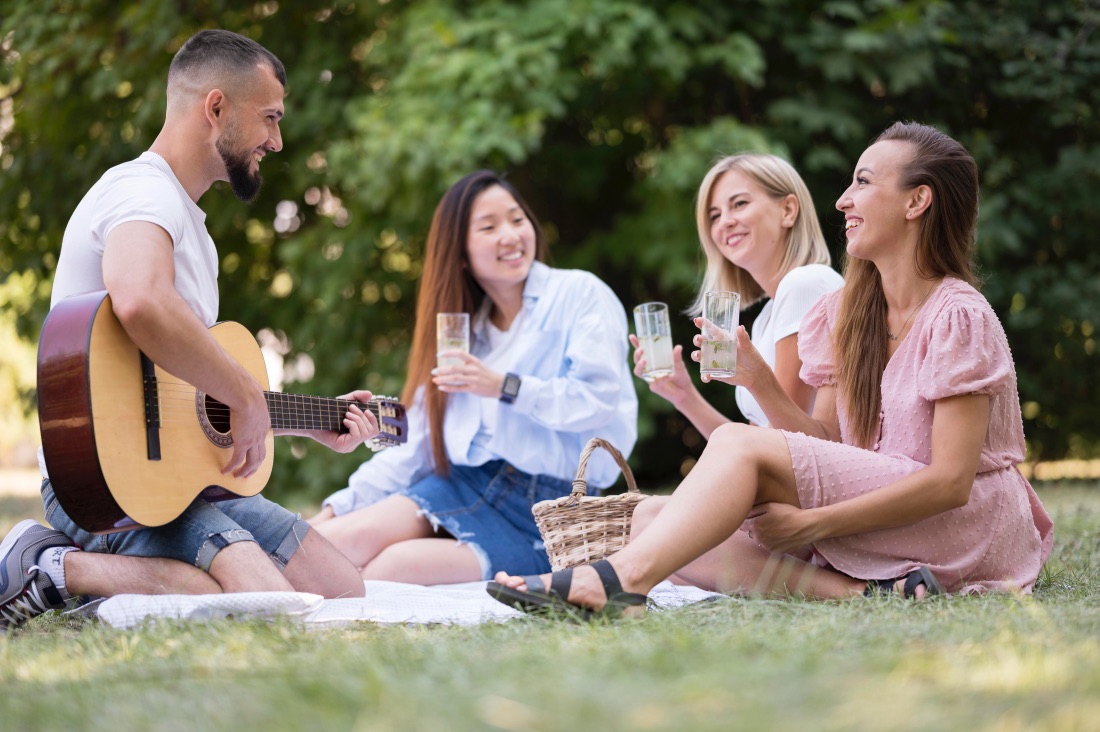
Singing regulates breathing, demands concentration and encourages emotional expression. In a group, it can also create a strong sense of belonging.
Small studies have found that group singing may reduce physiological signs of stress while improving mood and social connection. Researchers caution that many studies involve limited samples, so singing should not be treated as a medical intervention. Still, its combination of controlled breathing, music and shared activity may explain why many people find it calming.
The benefit does not depend on having a trained voice. Singing in a choir, at a place of worship, with family members or privately at home can provide similar opportunities for relaxation and engagement.

3. Gardening
Digging, watering, pruning and carrying soil all require movement. Gardening may strengthen the hands, improve mobility and reduce long periods of sitting. It also places people in contact with plants, daylight and changing natural environments.
Research reviews have associated gardening with better well-being, quality of life and some measures of physical and mental health. The evidence does not prove that gardening alone causes every improvement, but the activity combines several established health-supporting factors: movement, exposure to nature, purposeful work and, in community gardens, social interaction.
Even a balcony, windowsill or small collection of indoor plants can provide a manageable routine and a visible sense of progress.
4. Cleaning the House
Sweeping, mopping, washing windows and carrying laundry may not feel like exercise, but they still require energy. The World Health Organisation defines physical activity broadly as bodily movement produced by muscles, not only organised sport or gym sessions.
Observational studies have linked household physical activity with lower mortality risk, particularly among older adults. Such findings do not prove that cleaning itself extends life, because people who are healthier may also be more capable of completing domestic work. Even so, household activity can reduce sedentary time and contribute to daily movement.
The aim is not to turn housework into an exhausting workout. Working at a comfortable pace, changing tasks and using safe lifting techniques can make ordinary responsibilities part of a more active day.

5. Volunteering
Helping at a school, community organisation, religious institution or neighbourhood project may benefit the volunteer as well as the recipient.
Volunteering can create routine, purpose and contact with other people. Reviews involving older adults have associated it with better self-reported health, fewer depressive symptoms and lower mortality risk. Much of this evidence is observational, meaning researchers cannot be certain how much of the apparent benefit comes from volunteering itself rather than volunteers’ existing health or circumstances.
Still, meaningful contribution can reduce isolation and reinforce the sense that a person’s time and abilities matter. The healthiest arrangement is one that is freely chosen and manageable, rather than so demanding that it produces stress or exhaustion.
6. Playing Board Games
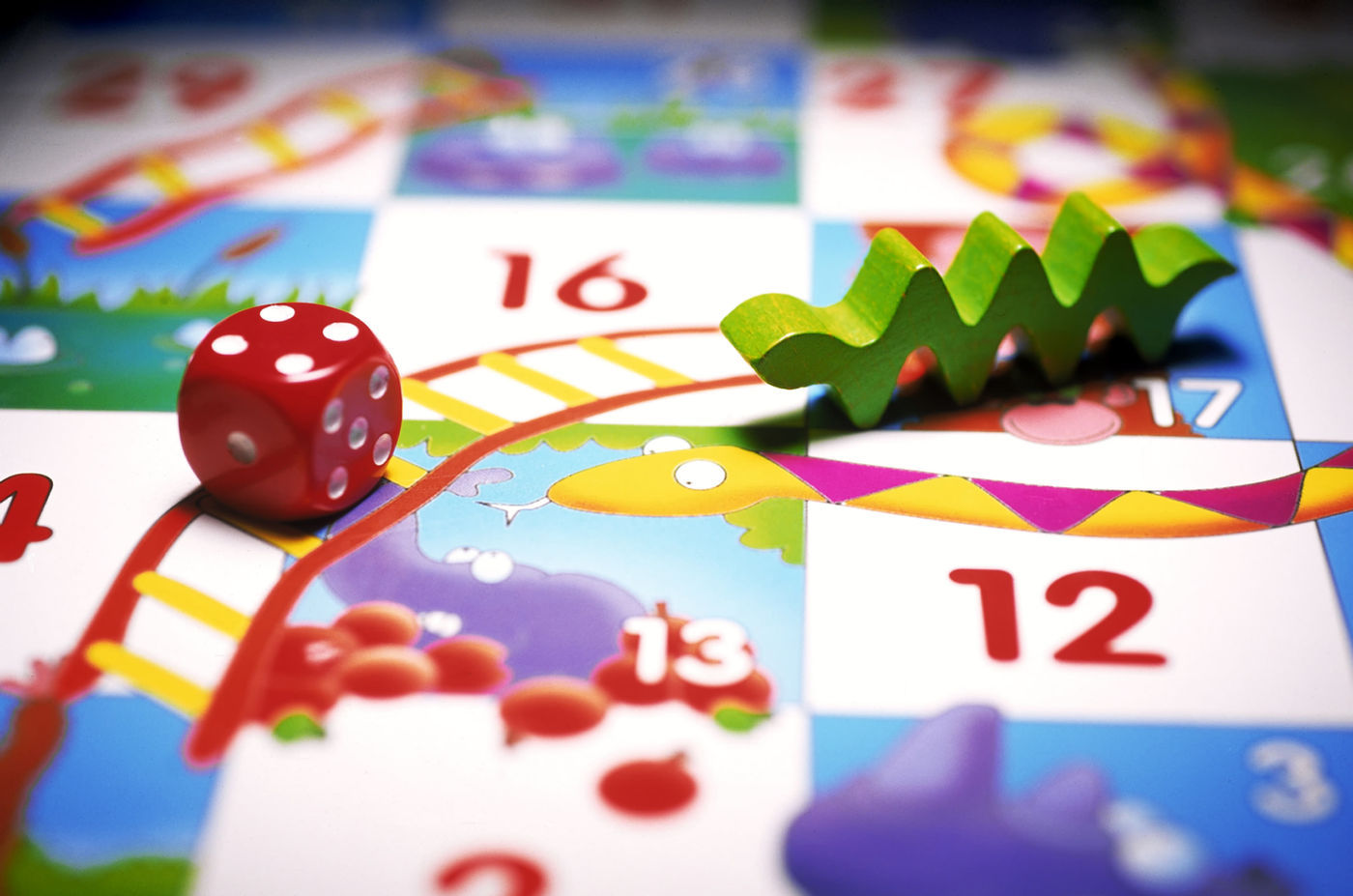
Board games are usually treated as entertainment, but many require memory, planning, attention, flexible thinking and decision-making. Games played with others also create conversation and shared experience.
A review of tabletop games found possible benefits for cognitive function and social participation among older adults. The evidence is not strong enough to claim that board games prevent dementia, and commercial “brain-training” claims often go beyond what research supports. Nevertheless, mentally challenging leisure activities may help people practise useful cognitive skills.
The most useful game is likely to be one that remains enjoyable and slightly challenging. Excessive competitiveness can defeat the purpose, while cooperative or social play may offer both mental stimulation and connection.
7. Spending Time in Nature
Time in a park, garden, forest or beside water can provide a break from noise, screens and constant demands on attention.
Systematic reviews have linked exposure to green spaces and nature-based activities with lower stress and improved mental well-being. Some studies have also observed differences in heart rate, blood pressure and stress-related biological measures, although the quality and size of effects vary.
Nature may help partly because it encourages movement and partly because it gives the mind a less demanding focus. A slow walk, sitting under a tree or tending plants can be beneficial without becoming a strenuous expedition. Sun protection, hydration and safe surroundings remain important.
8. Calling a Friend
A telephone conversation may appear sedentary, but social connection is an important part of health.
Large research reviews have found that people with stronger social relationships tend to have better survival outcomes, while loneliness and social isolation are associated with poorer health. These studies show relationships rather than guaranteeing that a particular number of calls will prevent illness. Health, income, mobility and personality can all influence social contact.
Even so, regular conversation can provide emotional support, reduce loneliness and make it easier to notice when someone is struggling. Brief, sincere contact may be more valuable than long conversations maintained out of obligation.
In Conclusion
Healthy living is not confined to gyms, diets or complicated routines. Dancing, singing, gardening, cleaning, volunteering, playing games, spending time outdoors and maintaining friendships can all contribute to a healthier life.
Their benefits often come from the same basic mechanisms: movement, purpose, mental stimulation, stress relief and human connection. None is a cure or a replacement for professional care. Their strength is that they can be enjoyable, affordable and woven naturally into everyday life.