


ANTALYA, Turkey — The COP31 climate summit has ended without a global agreement.
Negotiations collapsed after countries failed to agree on how to reduce dependence on fossil fuels.
The European Union and several other countries rejected a proposed agreement that made no explicit mention of coal, oil, or natural gas.
The United Nations conference concluded on Sunday, November 22, 2026, after more than two weeks of difficult negotiations in Antalya, Turkey.
Representatives of more than 190 countries attended the summit, which had been scheduled to end on Friday.
The talks continued for nearly two additional days, making COP31 the longest United Nations climate conference on record.
According to CNN, the breakdown marked the first major failure to secure a consensus agreement at a UN climate summit since Copenhagen in 2009.
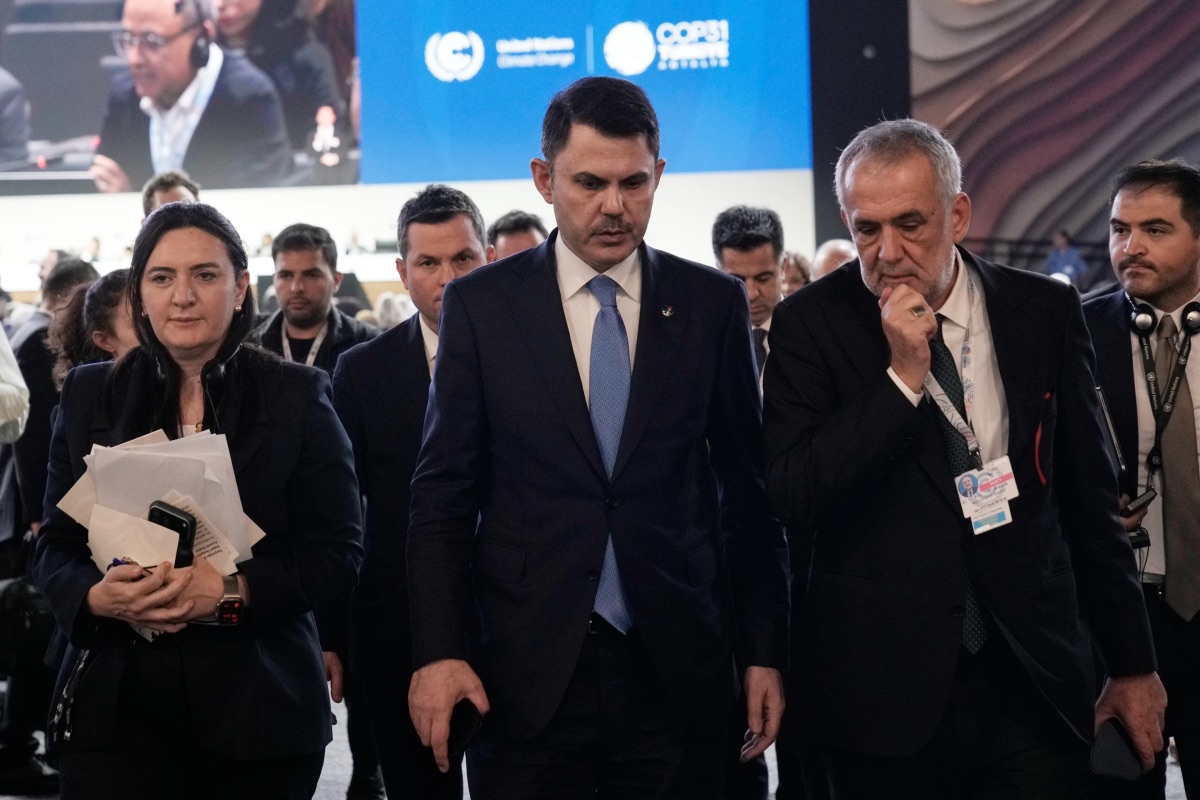
European Union Rejects Agreement Without Fossil Fuel Commitments
The negotiations broke down over the proposed Antalya Pact, a document intended to establish priorities for international climate action.
Early drafts called for countries to accelerate their transition away from fossil fuels.
However, references to coal, oil, and gas were removed from subsequent versions following objections from major fossil fuel-producing nations.
The final proposal did not explicitly mention fossil fuels.
Ireland’s Climate Minister Darragh O’Brien, speaking for the European Union, rejected the document.
He said the agreement failed to address the main cause of global warming and fell short of commitments previously made by participating countries.
The European Union, Panama, the Marshall Islands, and Norway were among those that refused to endorse the proposal.
More than 100 countries had supported retaining language calling for a transition away from fossil fuels.
According to Reuters, Saudi Arabia and other oil-producing countries opposed measures that could threaten their petroleum-dependent economies.
They maintained that fossil fuels would continue to play a role in the global economy for the foreseeable future.

COP31 President Acknowledges Failure to Reach Agreement
Turkey’s Environment Minister Murat Kurum, who presided over the conference, acknowledged that the negotiations had failed.
He told delegates that the proposed agreement lacked the consensus required for adoption.
The conference subsequently closed without approving the Antalya Pact.
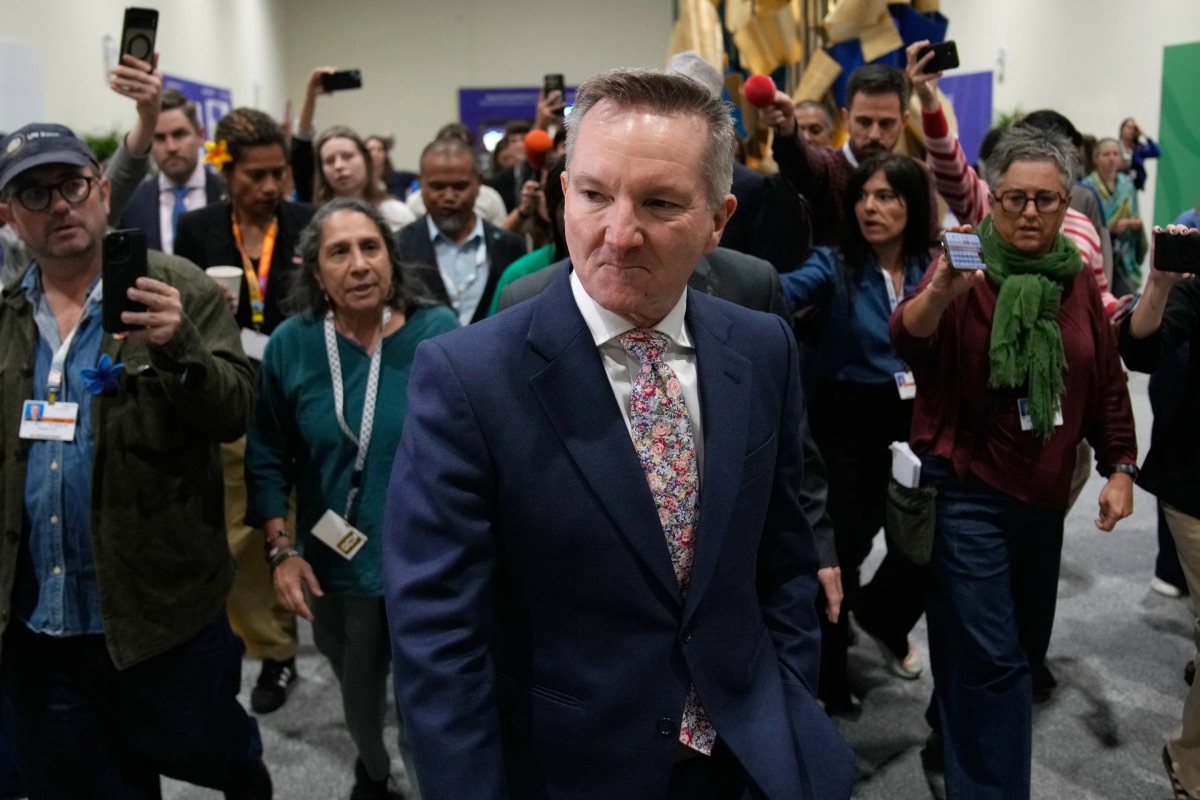
Australia’s Climate and Energy Minister Chris Bowen, who led negotiations alongside Turkey, expressed disappointment.
Bowen said participating governments had been unable to overcome fundamental disagreements despite prolonged discussions.
The proposed agreement required consensus among participating countries.
Its rejection meant the summit could not adopt a common political declaration setting out the next steps in global climate policy.
According to The Associated Press, the dispute also involved proposals to expand technologies for capturing and removing carbon dioxide from the atmosphere.
Some countries objected to the emphasis on those technologies, arguing that they should not replace commitments to reduce emissions from fossil fuels.

Developing Countries Demand More Climate Funding
Financial assistance for countries affected by climate change was another major source of disagreement.
Developing countries demanded stronger commitments from wealthier nations to help them prepare for increasingly severe floods, droughts, heatwaves, and other climate-related disasters.
The proposed agreement included provisions on adaptation funding, but several delegations questioned whether the commitments were sufficient.
African countries raised concerns about the lack of clear financial guarantees and the absence of an agreed starting point for measuring increases in support.
Small island nations also sought stronger action to limit global warming and protect vulnerable communities.
The Marshall Islands and Vanuatu opposed provisions they believed could encourage continued reliance on fossil fuels.
Panama also rejected the proposed agreement, expressing concern about its treatment of emissions reduction and carbon capture.
Despite the failure of the main agreement, participating countries adopted separate decisions concerning climate adaptation, funding arrangements, and programmes intended to support workers and communities during the transition to cleaner energy.

UN Chief Expresses Disappointment Over Failed Summit
United Nations Secretary-General António Guterres criticised the outcome.
He expressed disappointment that countries had failed to agree on a common response to worsening climate conditions.
Guterres warned that rising global temperatures and increasingly severe weather events required faster action.
UN Climate Change Executive Secretary Simon Stiell also acknowledged the failure.
In his closing address, Stiell said the international negotiating process needed to learn from the disagreement.
He urged governments to improve cooperation and ensure that future negotiations produced stronger outcomes.
The failure also drew criticism from environmental organisations.
Mohamed Adow, director of the climate think tank Power Shift Africa, described the collapse as a serious failure of international leadership.
Harjeet Singh, a veteran climate negotiator and founding director of the Satat Sampada Climate Foundation, defended the refusal to accept an agreement without meaningful fossil fuel commitments.
He said governments should not approve a document that failed to address the principal driver of climate change.
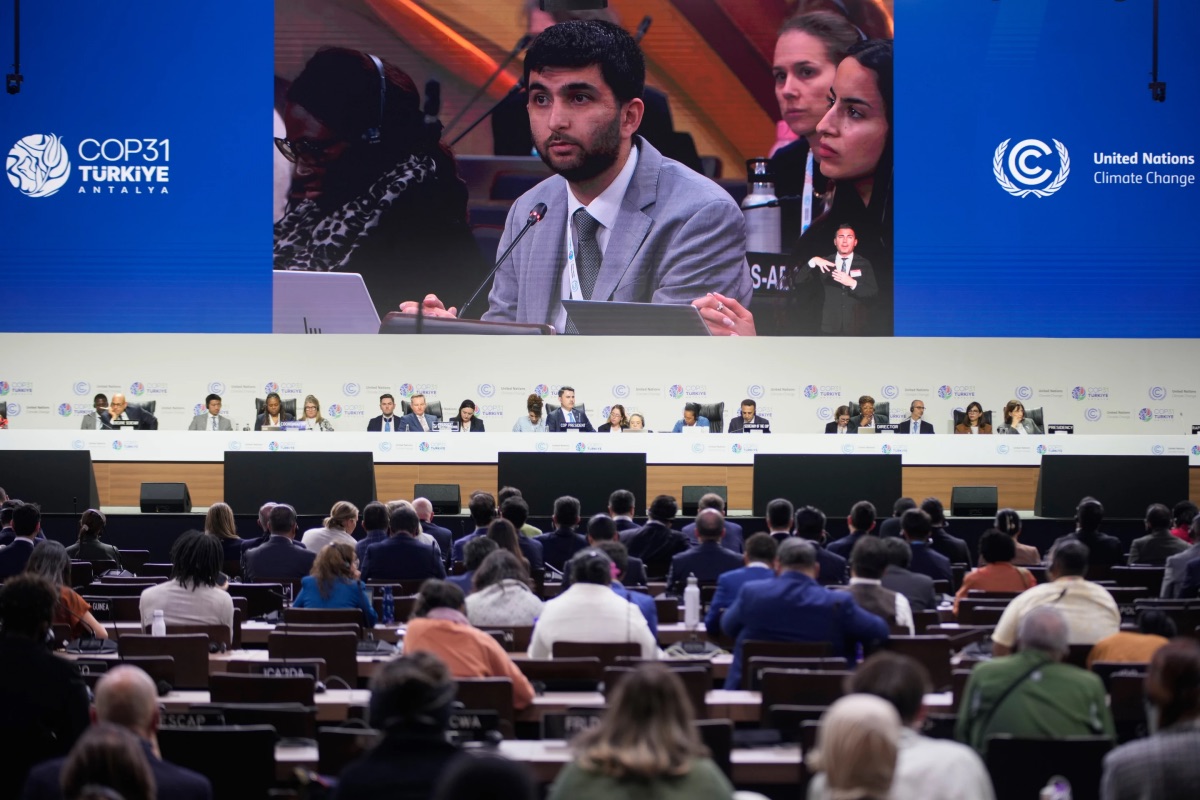
Climate Agreement Reached in Dubai Remains in Force
The dispute followed an earlier breakthrough at the COP28 summit in Dubai in 2023.
At that meeting, governments agreed for the first time to transition away from fossil fuels in energy systems.
The commitment was included in the UAE Consensus, a landmark agreement under the United Nations climate process.
However, subsequent negotiations have failed to establish a detailed global timetable for implementing that commitment.
The proposed COP31 agreement referred to earlier decisions but did not repeat the explicit language on moving away from fossil fuels.
Countries that rejected the document argued that the omission would weaken the international commitment made in Dubai.
The failure to adopt the Antalya Pact does not cancel the Paris Agreement or previous climate commitments.
Those agreements remain in place.
The British government confirmed that countries had also reached agreements on several individual issues during the summit.
These included climate finance, adaptation, cleaner energy, and measures supporting communities affected by the transition away from carbon-intensive industries.
Next Climate Summit Scheduled for Ethiopia in 2027
The breakdown leaves several major questions unresolved.
Countries have yet to agree on a common plan for implementing the transition away from fossil fuels or providing sufficient financial assistance to vulnerable nations.
Negotiations will continue at COP32, scheduled to take place in Addis Ababa, Ethiopia, in November 2027.
The next conference will provide another opportunity for governments to address the disputes that prevented an agreement in Antalya.
Meanwhile, countries remain responsible for implementing their existing obligations under the Paris Agreement and other international climate decisions.
The failure at COP31 leaves no new overarching agreement on the measures governments should collectively take to accelerate reductions in greenhouse gas emissions.