


VATICAN CITY — The late Pope Francis experienced a two-year spiritual crisis during which he struggled with temptation and the responsibilities of leading the Catholic Church.
He also believed he had seen the Devil on three occasions and described a frightening vision of the entrance to Hell.
The revelations appear in a collection of his private diaries published on Tuesday, November 24, 2026.
The writings reveal how Francis questioned his use of authority and feared becoming a leader who manipulated others.
According to Reuters, the crisis lasted from early 2021 until the end of 2022.
The diaries were compiled by Cardinal Víctor Manuel Fernández, a close confidant of Francis and head of the Vatican’s doctrinal office.

Pope Describes Two Years of Spiritual Struggle
Francis recorded periods of intense spiritual distress as he confronted difficult decisions involving the governance of the Church.
In a December 2022 entry, he described his crisis as involving administrative pressures, difficult choices, and spiritual emptiness.
The pope feared allowing his authority to become a means of controlling other people.
Fernández said Francis understood the struggle as a temptation to exercise excessive power and place his own judgement above that of others.
The cardinal recalled a meeting in 2023 when a bishop asked why Francis had not disciplined a Vatican official who had publicly criticised him.
Francis explained that he believed God did not want him to become someone who controlled or manipulated others for personal advantage.
According to Fernández, the pope eventually overcame the crisis by placing greater trust in God’s mercy.
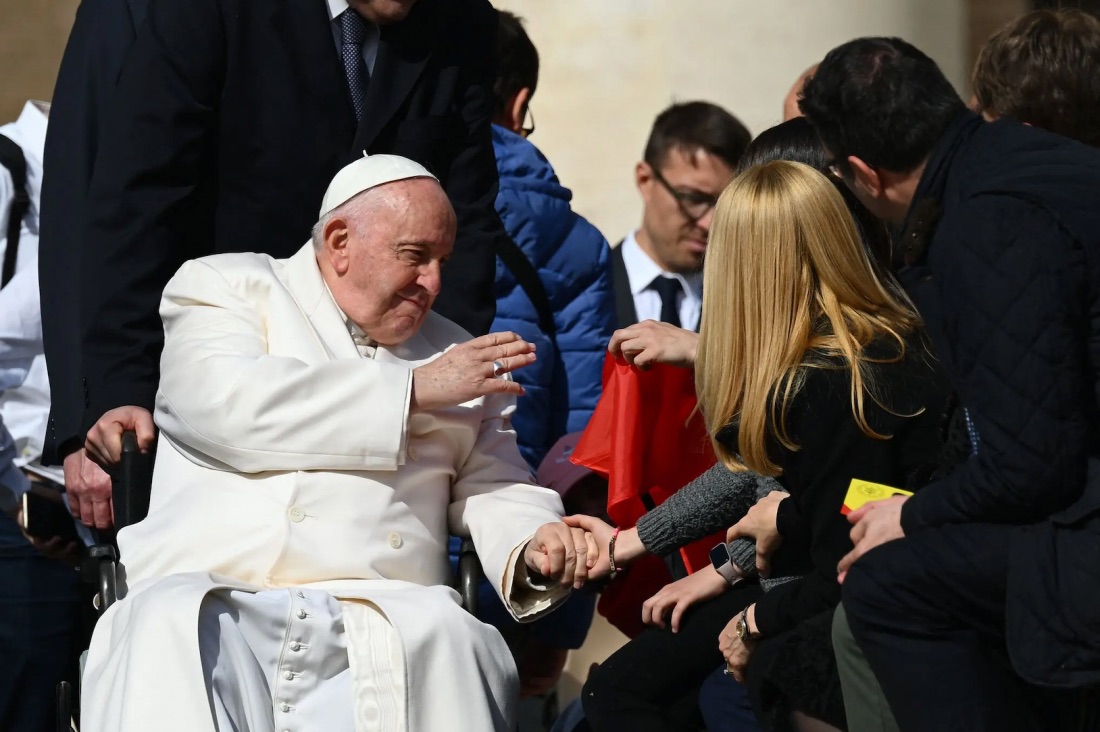
Francis Recounts Seeing Devil Three Times
The diaries also contain accounts of experiences Francis interpreted as encounters with the Devil.
In an entry dated January 24, 2021, he recalled three occasions when he believed he had seen the Devil.
Two occurred during his years in Argentina, before he became pope.
The third happened while he was serving as pontiff, during a meeting at the Vatican following his controversial visit to Chile in 2018.
Francis described remembering the figure’s eyes and voice.
“I can’t forget the powerful raspiness of his voice,” he wrote.
The pope also recorded his belief that God had enabled him to leave the meeting and escape the experience.
In another entry, dated June 2018, Francis described a vision of Hell.
“Last night I saw the entrance to Hell,” he wrote.
“I peeked in to look a little, and it terrified me.”
He said he turned to prayer for protection.
“I grabbed the Rosary as a weapon,” he wrote.
The experiences are presented in the diaries as Francis’s personal spiritual accounts, rather than independently established supernatural events.
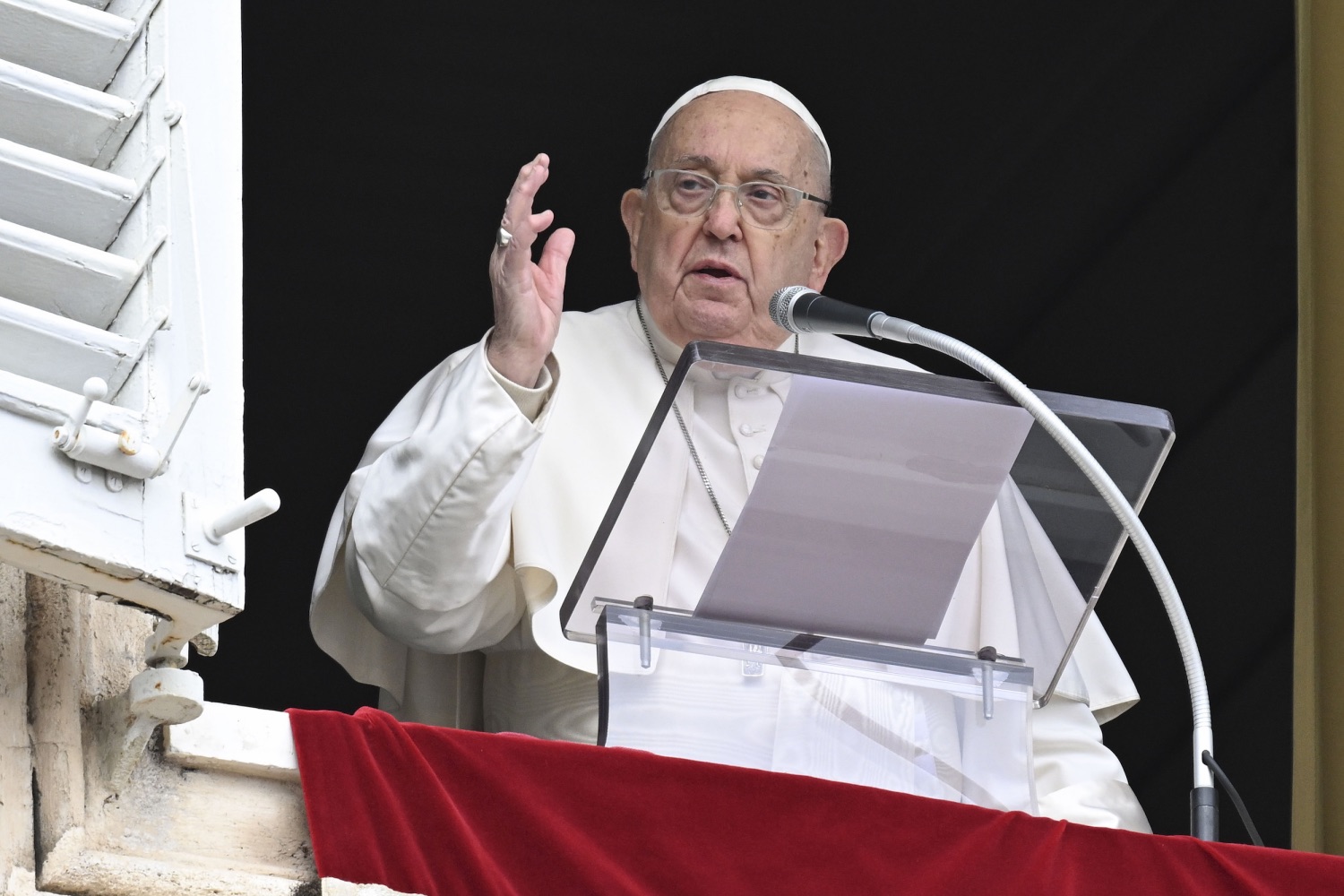
Pope Expressed Regret Over Chile Abuse Scandal
The collection also reveals Francis’s private response to the Catholic Church’s sexual abuse scandal in Chile.
During a visit to the country in January 2018, the pope initially dismissed allegations concerning a bishop accused of covering up abuse.
He later acknowledged that his response had been wrong.
Francis commissioned an investigation, apologised, and summoned Chile’s bishops to Rome.
In a subsequent diary entry, he expressed distress over his handling of the allegations.
He admitted that he had underestimated the seriousness of the situation.
The scandal prompted one of the most difficult periods of his papacy.

Private Writings Cover More Than Three Decades
The 160-page book, titled The Private Diary of Pope Francis, contains selected entries written between December 1992 and August 2024.
Francis began the diary when he was Jorge Mario Bergoglio, an auxiliary bishop in Buenos Aires, Argentina.
He continued recording personal reflections after his election as pope in March 2013.
The collection includes his fears, prayers, spiritual doubts, and reflections on his responsibilities.
Fernández said he selected passages that would help readers understand the late pontiff’s spiritual life.
Some of Francis’s most confidential writings were recorded in a code that was not reproduced in the publication.
The cardinal also omitted entries that could affect other people.
According to Vatican News, the book is being published in five languages and distributed in 94 countries.
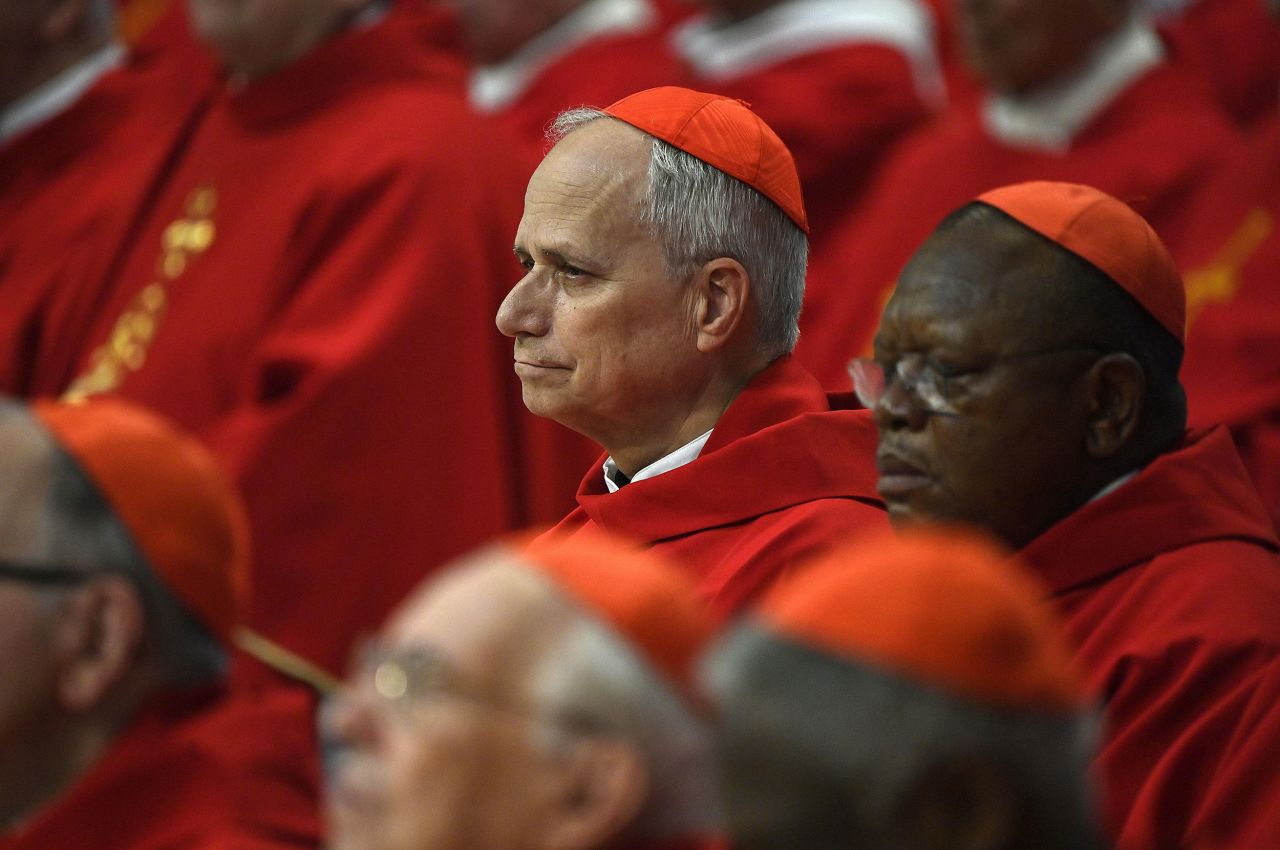
Francis Praised Man Who Would Succeed Him as Pope
Among the entries are remarks about Cardinal Robert Prevost, who became Pope Leo XIV following Francis’s death.
Francis described Prevost as a generous missionary and a man of integrity.
The diaries also contain favourable comments about two senior churchmen who had publicly criticised his leadership: Cardinal Robert Sarah of Guinea and Cardinal Gerhard Müller of Germany.
Francis praised Sarah’s spiritual sensitivity and described Müller as a good man despite his sometimes confrontational manner.
Fernández said he discussed the diary with Leo after the new pope’s election in May 2025.
Leo expressed interest in the material and approved its publication.
Francis died on April 21, 2025, aged 88, after leading the Catholic Church for 12 years.
The publication offers a personal account of the doubts, fears, and religious experiences he recorded during his years as a bishop, cardinal, and pope.