
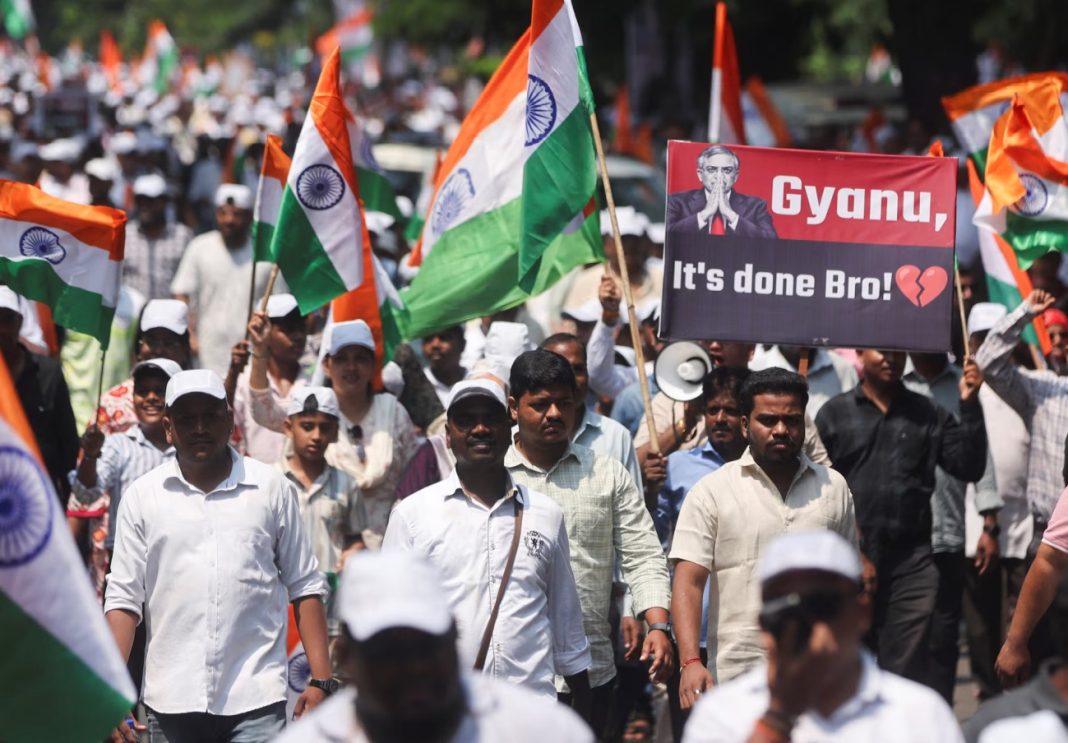

NEW DELHI, India — Indian authorities closed six Delhi Metro stations and restricted traffic across the capital on Monday, October 12, 2026, as opposition parties prepared to march to the Supreme Court over the removal of more than 130 million names from electoral registers.
The planned demonstration follows days of protests against Chief Election Commissioner Gyanesh Kumar, whom opposition leaders accuse of overseeing a voter-list revision that could benefit Prime Minister Narendra Modi’s governing Bharatiya Janata Party (BJP).
The Election Commission has denied political bias, maintaining that the exercise is intended to remove invalid registrations and improve the accuracy of electoral records.
The Congress party and its allies in the opposition INDIA bloc announced plans to march to the Supreme Court, demanding Kumar’s resignation and an end to what they describe as electoral manipulation.
Police imposed traffic restrictions along more than 20 routes in the capital, while transport authorities suspended entry and exit at six major metro stations.
Metro Closures Disrupt Movement Across Delhi
The Delhi Metro Rail Corporation said the restrictions would affect Patel Chowk, Janpath, Rajiv Chowk, Mandi House, Central Secretariat, and Barakhamba Road.
Entry and exit at the six stations were suspended between 6 a.m. and 4 p.m., although passengers were still permitted to change trains at interchange stations.
The corporation said security agencies would review the restrictions and announce any necessary changes.
Delhi Traffic Police also warned that vehicles could be diverted from major roads and intersections in central New Delhi.
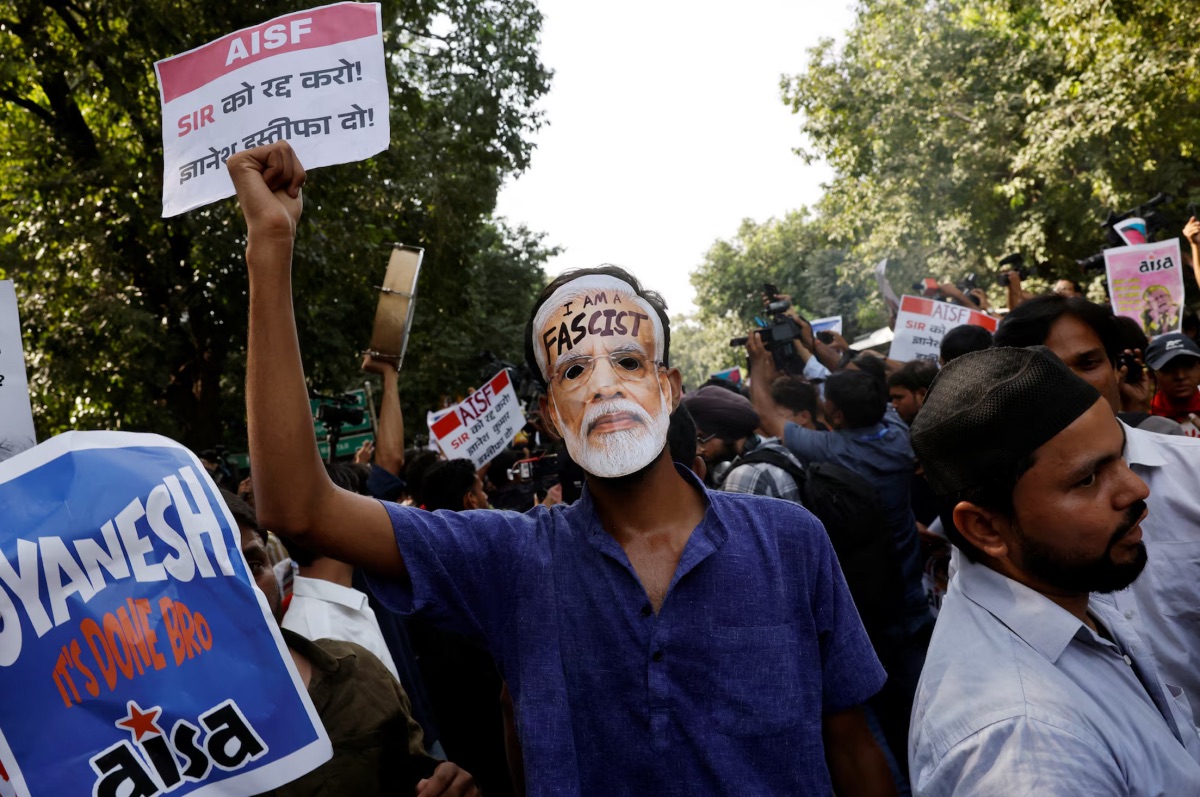
The measures followed a weekend security operation during which police detained thousands of demonstrators attempting to protest against the Election Commission.
According to Reuters, the restrictions were imposed as opposition politicians and members of the Cockroach Janta Party (CJP), a youth protest movement, prepared for further demonstrations.
The closures were considerably narrower than Saturday’s restrictions, when 45 metro stations were closed to passengers entering or leaving, according to The Indian Express.
Opposition Demands Election Chief’s Resignation
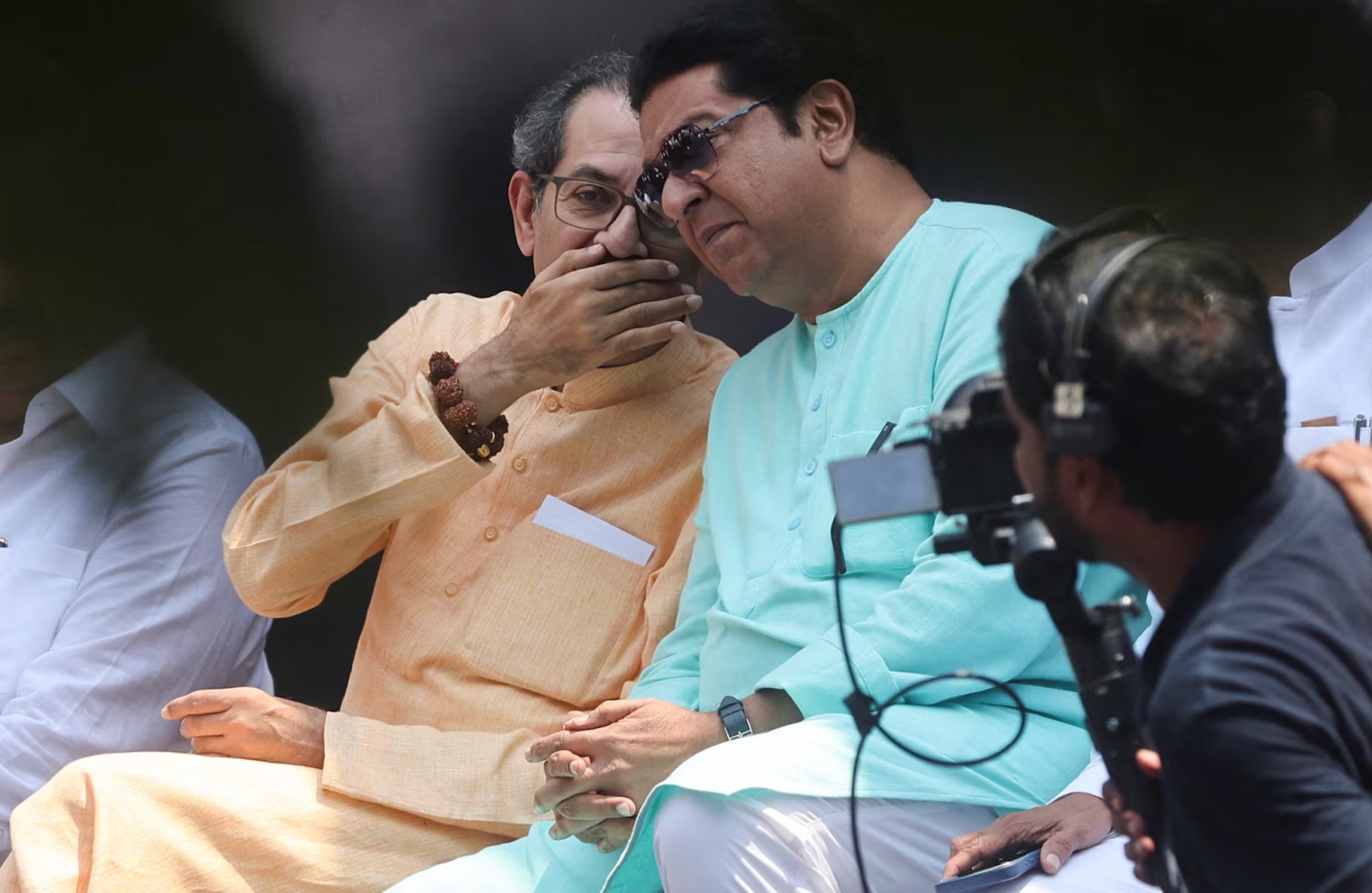
Congress leader Rahul Gandhi called on opposition parties, students, civil society organisations, and other supporters to participate in the planned march.
The demonstration, organised under the slogan Chalo Delhi – March for Democracy, was scheduled to begin near Connaught Place and proceed towards the Supreme Court.
The opposition intended to submit a memorandum to Chief Justice Surya Kant demanding action over the electoral register revisions.
Gandhi and other opposition leaders have accused the Election Commission of allowing eligible voters to be removed from the registers.
They contend that the exercise disproportionately affects Muslim voters and other minority communities.
The Election Commission and the BJP have rejected the allegations.
The ruling party has accused opposition politicians of undermining public confidence in legitimate electoral procedures.
The proposed march follows reports in The Indian Express that two senior election officials privately raised concerns about parts of the voter registration process, including digital systems and verification procedures.
More Than 130 Million Names Removed From Voter Rolls
The controversy centres on the Special Intensive Revision, a nationwide effort to update India’s electoral registers that began in 2025.
Election Commission data shows that the exercise has removed more than 130 million names.
The figures include approximately 28 million people recorded as deceased, 63 million classified as having relocated, and 30 million who could not be traced.
Opposition parties argue that documentation requirements and verification procedures have caused eligible citizens to lose their voter registrations.
The Election Commission maintains that the removals are based on administrative checks rather than political considerations.
It has also said people whose names were incorrectly deleted can apply to be registered again.
The dispute has prompted demonstrations in Delhi and other Indian cities, with protesters demanding a review of the exercise and Kumar’s removal.
Supreme Court Declines Meeting With Opposition
Chief Justice Surya Kant declined a request to meet Gandhi and a Congress delegation, saying the issues they wished to raise were already before the Supreme Court.
In a response communicated to the opposition, the chief justice said the matter should be pursued through formal judicial proceedings rather than an administrative meeting.
He indicated that the court could consider a properly filed petition alongside related cases.
The planned march also followed separate Supreme Court proceedings concerning restrictions imposed on demonstrators in Delhi.
During a special hearing on Sunday, a bench comprising Justices Joymalya Bagchi and V Mohana directed authorities to facilitate normal public transport operations and avoid unlawful detentions.
The judges also issued notices to government and transport officials over allegations that earlier security restrictions had breached court directions.
The authorities were asked to explain their actions and report on compliance.
Youth Protest Leaders Seek Permission for Fresh Demonstration
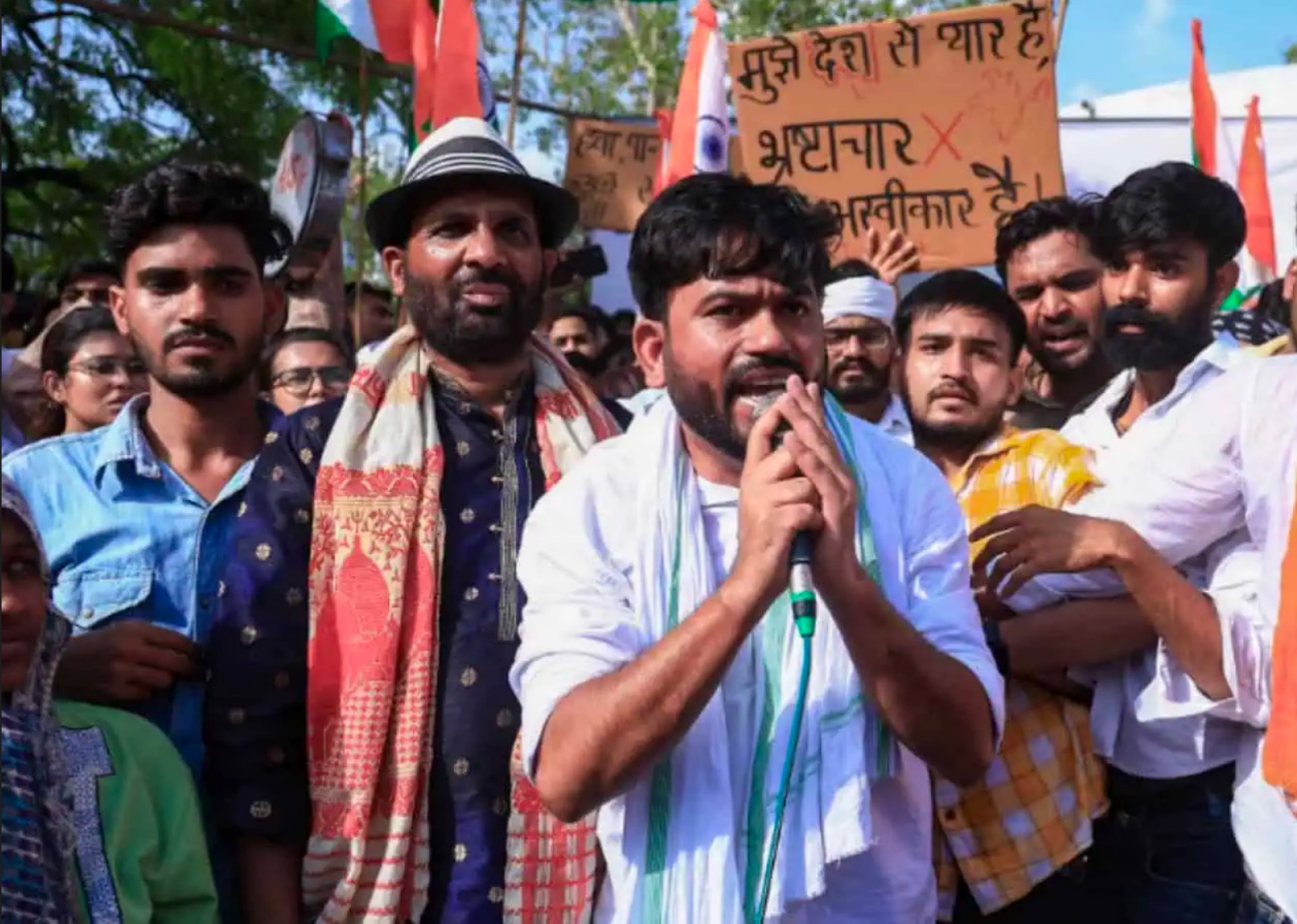
The Cockroach Janta Party, which has helped organise recent demonstrations, announced plans to seek police permission for another gathering at Jantar Mantar, a designated protest site in the capital.
The movement emerged as a youth-led campaign addressing concerns about education, employment, and government policies.
Its leaders have increasingly joined the opposition’s demands for changes to the electoral registration process.
Police detained several CJP organisers during the weekend protests, including Abhijeet Dipke, Saurav Das, and Ashutosh Ranka.
The three were subsequently released.
The movement said it would ask Delhi Police to designate a date for a peaceful demonstration and could announce further action if permission was not granted.
As authorities maintained their security deployment, the opposition continued preparations for the Supreme Court march.
The Election Commission has not announced plans to halt the voter-list revisions, and the dispute over the removals remains unresolved.