
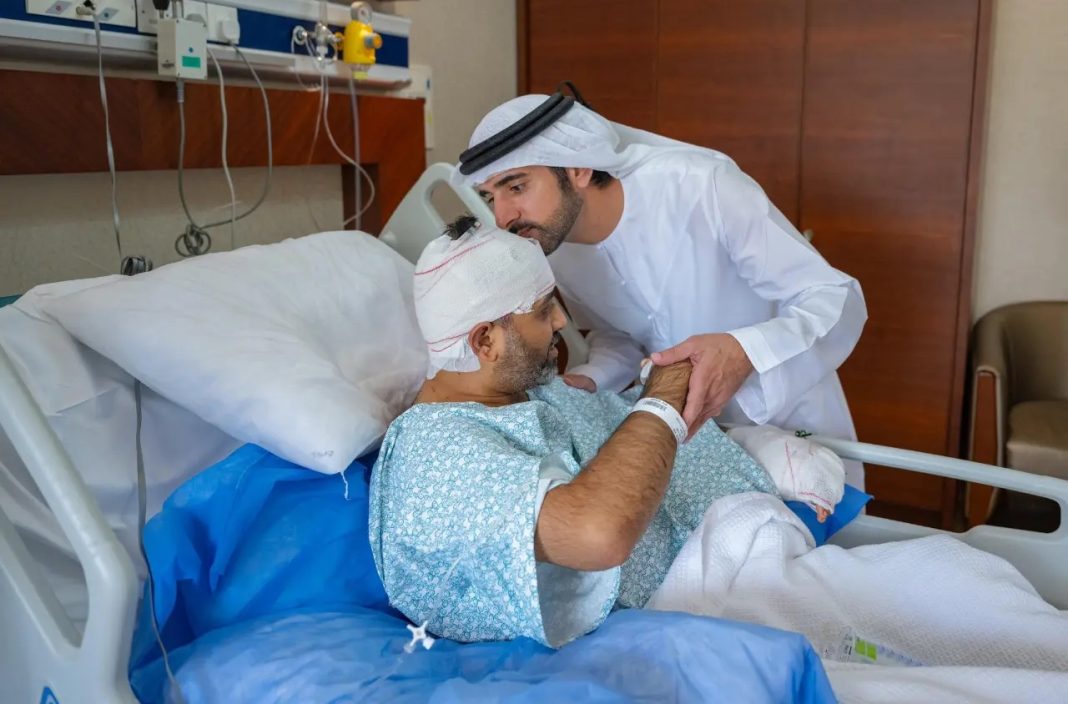

ABU DHABI, United Arab Emirates — Captain Smit Machchhar has described how, badly wounded on the floor of a Flydubai cockpit, he forced himself towards the door as the Tel Aviv-bound aircraft descended sharply over Saudi Arabia.
Machchhar said he realised that getting the cockpit open offered a way for others aboard Flight FZ1073 to intervene while he was being attacked by the co-pilot.
“I was fighting for my life,” Machchhar said during a video conversation with Indian Prime Minister Narendra Modi.
But, he said, his concern quickly extended beyond his own survival.
“I couldn’t let everybody else die,” he said.
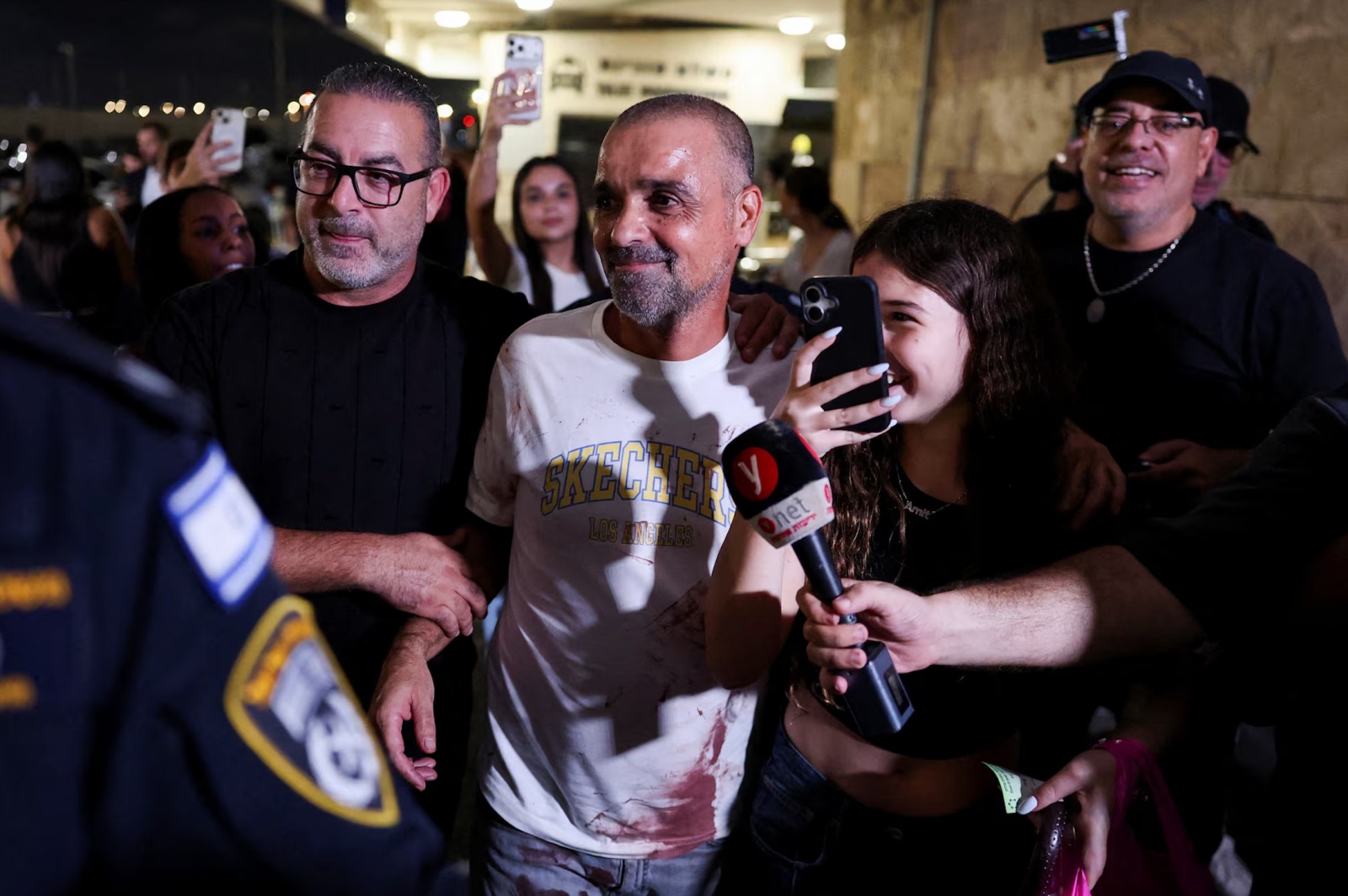
The aircraft ultimately landed safely in Tabuk, Saudi Arabia, after passengers and crew members helped bring the confrontation under control and other pilots aboard the flight assumed responsibility for the aircraft.
The United Arab Emirates’ General Civil Aviation Authority has said the response of Machchhar, other crew members, and passengers helped prevent more serious consequences.
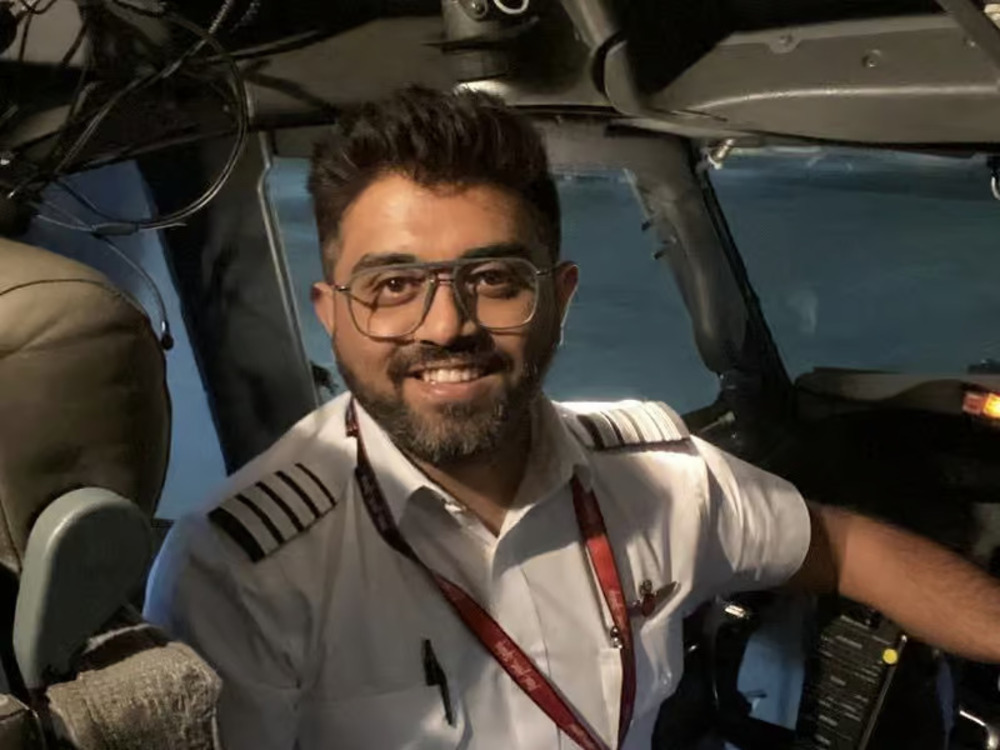
A ‘Last Push’ Towards the Door
Machchhar spoke publicly about the episode on Friday, October 2, 2026, while receiving treatment in the United Arab Emirates.
In an official transcript released by the Indian Prime Minister’s Office, he said he had suffered multiple injuries and fallen to the floor during the attack.
Even from that position, his flying experience told him the aircraft was losing altitude.
Machchhar described the effort to reach the cockpit door as a final opportunity to bring help inside.
“I had suffered so many injuries that I had collapsed,” he said. “At that time, I could feel that the aircraft was going down.”
He said he continued moving towards the door despite being attacked.
“I knew this was the last push, that the door was right there,” Machchhar said. “I was being hit even then, but I just opened the door and everyone came in.”
Machchhar told Modi that he had worked in aviation for 17 years, including 11 as a captain.
His account placed others’ actions aboard the aircraft alongside his own.
Once they gained access to the cockpit, passengers and crew intervened, and replacement pilots took over the flight.
The GCAA similarly credited the collective response rather than Machchhar alone, commending the captain, crew, and passengers for helping contain the emergency.
Flight Sent Emergency Signals Over Saudi Arabia
Flight FZ1073 departed Dubai International Airport on Wednesday, September 30, for Ben Gurion International Airport near Tel Aviv.
Flydubai confirmed that the Boeing 737 experienced what it initially described as an incident while en route and was diverted to Tabuk. The airline said all passengers were safe and accounted for.
Flight-tracking data showed an abrupt change in the aircraft’s movement before the diversion.
According to Flightradar24, FZ1073 began a steep descent while flying near the Saudi-Jordanian border.
The aircraft transmitted code 7700, the international signal for a general emergency, before switching minutes later to 7500, the code used to indicate unlawful interference aboard an aircraft. It later returned to the general emergency code as it approached Tabuk.
Reuters subsequently reported that flight data showed the aircraft losing more than 16,000 feet during the most severe part of the descent.
After the situation inside the cockpit was brought under control, the aircraft diverted west towards Saudi Arabia and landed safely.
Flydubai later sent replacement aircraft to Tabuk for the passengers and crew.
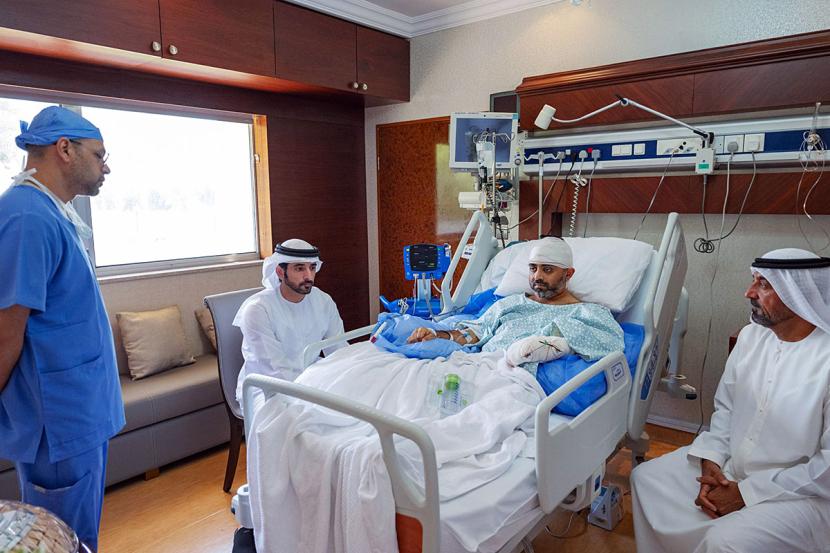
Machchhar Returns to UAE for Treatment
Machchhar initially received medical treatment after the emergency landing before returning to the United Arab Emirates.
The GCAA said on October 2 that he was in good condition and continuing to receive medical care.
The authority also urged against speculation about aspects of the incident that remained under investigation, saying the inquiry was being conducted under the direction of the UAE Attorney-General and in coordination with regional and international authorities.
Flydubai chief executive Ghaith Al Ghaith also called for the formal investigation to establish the facts.
He thanked Machchhar, the pilots who secured and landed the aircraft, the cabin crew, passengers who assisted during the emergency, and Saudi authorities for their response after the diversion.

Modi Praises Captain’s Decisions
During their video conversation, Modi asked Machchhar about his recovery and praised the decisions he made during the emergency.
The prime minister said Machchhar had been required to make crucial choices within seconds while seriously injured.
Machchhar became emotional during the conversation as he recalled the incident.
He also told Modi that he had recited the Hanuman Chalisa, a Hindu devotional prayer, during the ordeal, something he said he routinely does when confronting difficult moments.
Modi had publicly praised Machchhar a day earlier in a post on X, saying his actions helped protect those aboard.
Captain Smit Machchhar is a HERO.
In the face of the gravest danger and despite being seriously injured, he showed immense courage and an unwavering resolve to protect the lives of others.
His valour helped save hundreds of lives and avert a great tragedy.
India is proud of Captain Machchhar.
Praying for his speedy recovery, renewed strength and good health.
— Narendra Modi (@narendramodi) October 1, 2026
The Prime Minister’s Office later said Modi had also thanked Saudi Arabia and the UAE for the medical treatment and assistance provided following the incident.

UAE Investigation Continues
The investigation has since moved beyond the circumstances of the diversion itself.
On Saturday, UAE Attorney-General Hamad Saif Al Shamsi said investigators had concluded that the co-pilot attacked Machchhar with a cockpit crash axe and attempted to take control of the aircraft as part of what prosecutors described as an attempted terrorist act.
Authorities are examining the suspect’s motive, background, digital and physical evidence, and whether others were involved.
Prosecutors said the findings remain part of an ongoing investigation, and Emirati authorities have not disclosed all the evidence gathered.
Machchhar’s account, however, provides a direct description of one crucial moment inside the cockpit: injured and on the floor, he recognised the aircraft was descending and focused on opening the door.
Once he succeeded, the emergency stopped being a struggle confined to two pilots behind a locked cockpit door.
Other people aboard could intervene, and Flight FZ1073 eventually reached the ground safely.